



Calentamiento vocal

Con
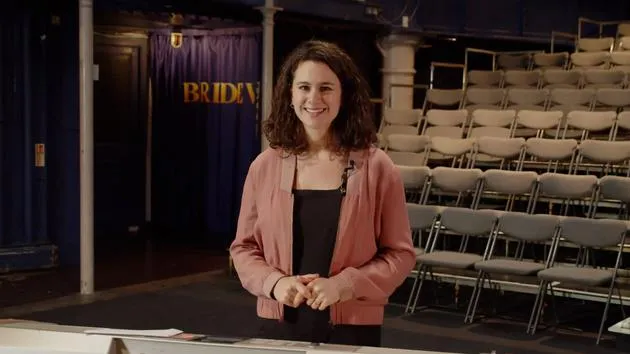
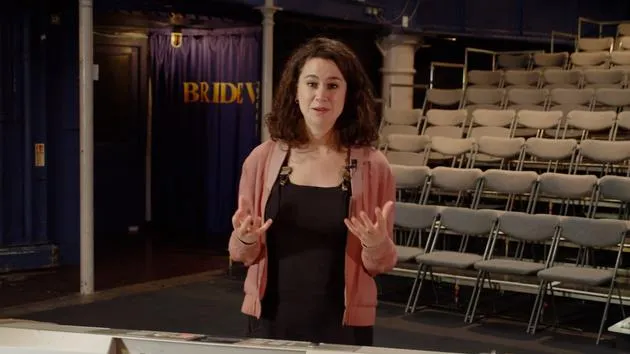
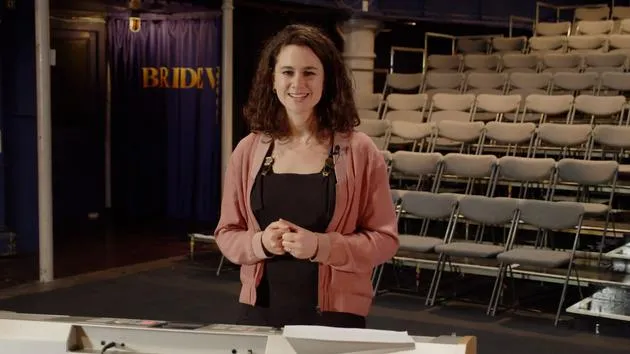
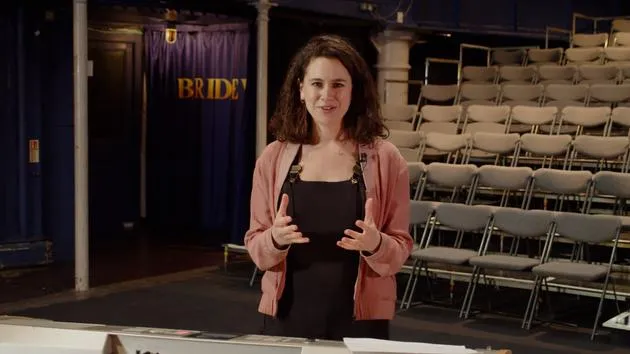
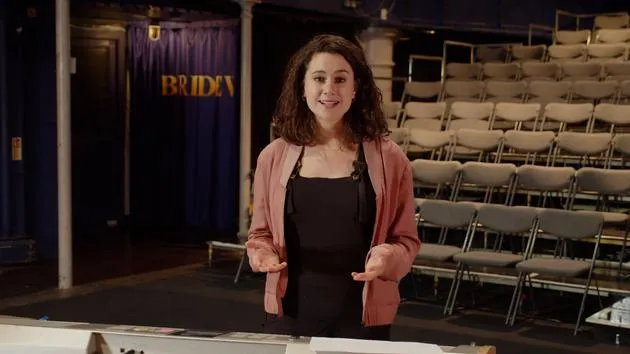
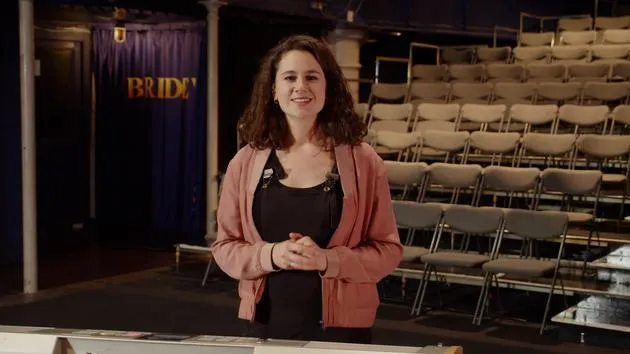
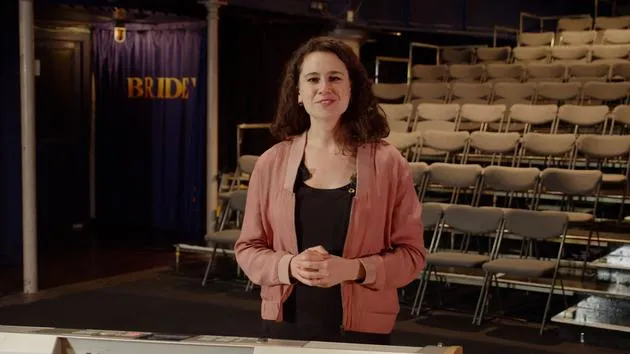
Rachel LynesRachel Lynes dirige un calentamiento vocal —ejercicios SOVT como el trino de labios y luego escalas— para preparar tu voz para cantar.
 Parte del cursoAprende canto de teatro musical con una coach vocal del West End18 lecciones (1h 25m)Tu gurúRachel Lynes
Qué incluye el curso
18 lecciones (1h 25m) · 1 gratis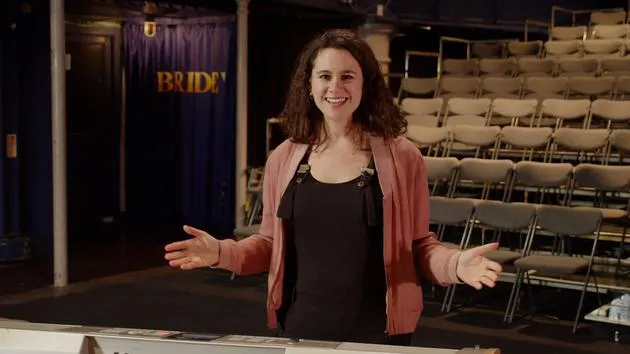
Transcripción de la lección
Vocal Warm-Up Lesson
Introduction to Scales and SOVT
Next, we're going to move on to some scales. I always start our scales with a little bit of a closure in singing technique called SOVT, which stands for half-closed vocal tract. I can put a link in this video so you can explore more about the science.
Lip Trill
Now, you can use any sound with a closure. We are going to use the common lip trill.
- Let your face relax as you let some air pass through your lips.
- If you want to mix it up, you can stick your tongue out.
- But we are just going to do a lip trill today.
Let's slide up the fifth:
1, 2, 3, 4, 5.
Sliding up on a lip trill. We won't go too high yet. Ready?
Keep those knees unlocked. Moving upwards, you can shake out your shoulders. Stay nice and relaxed.
Enjoy that nice buzzy feeling you're experiencing.
- You can put your hands on your lower torso.
- Feel how your body connects to the sound.
Going Up
Two more. One more.
Going Down
Moving down again. Feel your feet on the floor, feel nice and grounded, connected to your body.
Feel how your body connects to the sound. Moving down. Feel those vibrations down your sternum. Enjoy the low notes and only go down if you can, it's quite low now. Bottom F.
Half Closed SOVT Exercise
All right, we're going to keep moving, getting you nice and warmed up.
Exercise: Puff your cheeks out with air.
- Just let them blow out and then add sound.
- We'll go on a C there, holding it for four, then taking it down.
1, 2, 3.
Moving Up
Let your cheeks relax. This is an excellent exercise for jaw tension. The air just allows everything to release again.
- If you want to, put your hand on your lower belly.
- Feel how it connects to the air.
Check that you haven't locked anything, keep everything released.
- Let's go up a bit higher.
- You can keep your eyes shut if you want. Tune into that resonance.
Final Sounds
Let's do two more. Last one if you can: Top F sharp. All right, good.
Sighing Out
I'm going to allow you to open your mouth now. Okay, so we are going to sigh out before this one.
Why sigh out?
Because we all get very scared when we sing! When you take a deep breath in, you often get quite tense. Although we're commonly told to take a deep breath in before we sing, I'm going to ask you to do the opposite. Just go with me on this one, have a play around with it.
- I want you to breathe out.
- You can audibly do it or sigh, that's even nicer.
Feel that nice rumble down here.
The great thing about this is that as you sigh out, your jaw, tongue, and body release. We lower the larynx and do something fancy called lowering subglottal pressure, which means there's not so much air blasting through your vocal folds.
(That's very simplified science, and again, I will link to all of these parts if you want to go deeper.)
Breathing Exercise
Now, in for two through your nose, sighing out. Then we go:
Ah.
That's very low. You don't have to go that low, but we'll start there.
- In for two.
- Sighing out.
- And then, ah.
The Sound: Just an extension of the sigh. Sighing out and keeping the sigh going through your voice.
- In for two.
- Sink into that nice low note. Enjoy it like sinking into a sofa.
Twang Exercise
Let's do two more exercises. This is a great one for something you may have heard of called twang.
Now, I'm not a big fan of using words to describe singing since it can make us feel a bit fixed, but twang is often used for a certain type of belt, which we'll talk about later.
Exercise: Start off with E.
- We're going to multitask here. Check you've got no jaw tension by putting your finger between your teeth.
Next, we want to engage a bit more body support by transitioning to wee:
Oui, oui, oui, oui, etc.
But try not to sound like this:
Woo, woo, woo, woo, woo.
You want to sound as much like you don't have your finger between your teeth as possible.
Vocal Buzzing
You want to feel the sound buzzing in what we call the mask:
In all those areas around the sinuses.
- Oui, oui, oui, oui, oui.
This will help with your higher notes and belt notes.
Key Point: Check that I haven't just put your sound in your nose because we don't want that. So, hold your nose as well.
Building Towards Higher Notes
Ready? Go:
Wee, wee, wee, wee, wee, wee, wee.
And you'll notice, even though I may look silly, I can still make the same sound.
So, aim to still sound like you don't have your finger between your teeth and you're not holding your nose:
Oui, oui, oui, oui, oui, oui.
Now we're going to take it up.
Let's go again:
Wee, wee, wee, wee, wee, wee.
And a one, two:
Wee, wee, wee, wee, wee, wee.
One more time:
Wee, wee, wee, wee, wee, wee.
Let it sound as twangy as you want. You can get even more twangy:
Wee, wee, wee, wee, wee.
Don't be afraid to sound a bit silly:
Wee, wee, wee, wee, wee.
Final Calling Out
All right, good. One more.
We're going to give a nice hey, a kind of calling out:
Hey, hey!
The H really gets your breath going. This will help with singing more affirmatively, releasing the jaw.
Exercise: Gasp in on 2 to feel your ribs open upwards and lift your arms up.
- Gasp in.
- And then hey, hey, hey, hey, hey, hey, hey.
Keep going:
Hey, hey, hey, hey, hey, hey, hey!
Enjoy it as if you're just calling out to someone:
Hey, hey, hey, hey, hey, hey, hey!
Conclusion
- You can even take your vision further away.
- Keep that nice huh at the beginning.
- We want to keep that bass in your voice.
Up we go:
Hey, hey, hey, hey, hey, hey, hey.
And a one, two:
Hey, hey, hey, hey, hey, hey, hey.
Last one:
Hey, hey, hey, hey, hey, hey, hey.
All right, that's your vocal warm-up, finished!
18 lecciones
1h 25m de lecciones en vídeo estructuradas
Funciones de vídeo avanzadas
Ralentiza, repite un pasaje, sigue la partitura
Móvil, tablet y ordenador
Practica donde quieras
Garantía de satisfacción 100%
30 días de garantía de devolución
Conoce a tu gurú
Conoce a tu gurú
Rachel Lynes trabaja con cantantes que van desde artistas de grabación hasta intérpretes del West End. Lleva más de 20 años estudiando la voz, con especial atención a la conexión entre el canto, la salud mental y el bienestar. Como intérprete, pasó 10 años interpretando papeles protagonistas en el West End y a nivel internacional, trabajando con todo tipo de figuras, desde Andrew Lloyd Webber hasta creativos galardonados con los premios Tony y Olivier.
Apodada cariñosamente "la susurradora de voces" por los cantantes con los que trabaja, el enfoque de Rachel es rigurosamente técnico y a la vez accesible, combinando la ciencia con el corazón.
También es fundadora y coach de the Sing Space, un estudio global en línea abierto a cantantes de todos los niveles y hogar del primer Vocal Gym™ del mundo, que ofrece clases en grupo, clases de canto individuales y oportunidades exclusivas de actuar ante algunos de los creativos más destacados de la industria, incluidos directores de casting, directores, productores y estrellas del West End.
En su curso de MusicGurus, Rachel aplica ese mismo método técnico pero humano al canto de teatro musical, guiándote a través de las mismas técnicas que emplea con los intérpretes del West End.







