



When I'm Alone - Acordes
Lesson time: (6min 20sec)
Lissie enseña los acordes de su canción 'When I'm Alone', incluyendo cómo usar una cejilla para cambiar de tonalidad.
Course preview
This lesson is part of the course Aprende guitarra con Lissie
Watch a preview of the full course below.
Lesson transcript:
Music Lesson: When I'm Alone
Introduction
Today, I'm excited to teach you a song that is near and dear to my heart. This early song truly launched my career. When Catching a Tiger came out in 2010, its success opened doors to many festivals and shows, and for that, I am incredibly grateful.
The song is called When I'm Alone.
Song Evolution
A couple of interesting facts about When I'm Alone:
- The recorded version features a very high key.
- We typically play it a little slower on the record.
- In live performances, we tend to play it faster, creating a dynamic experience.
This evolution varies depending on whether I perform it with a full band or solo acoustic.
Capo Basics
One focus in our lesson today will be the use of a capo. Some people pronounce it differently, but I prefer "capo."
What Does a Capo Do?
A capo allows you to change the key of the song. For example:
- On the record, the capo is usually placed on the fourth fret.
When I perform, I often consider my vocal condition. If my voice feels tired, I may opt to play it in a higher key, such as:
- "When I'm alone with you, you let me feel..."
Or, if I'm feeling strong, I might bring it down to:
- "When I'm alone with you and you make me feel..."
Experimenting with the Capo
If you find that the key doesn't feel right, I encourage you to experiment!
- Start by moving the capo around until you find what feels comfortable.
- Remember, regardless of where you place the capo, knowing your chord shapes is crucial.
Chord Shapes
Here's a list of the chord shapes we'll be using:
- A minor shape
- F shape (I prefer to bar my F chord)
- D minor shape
- E major shape
Verse Structure
In the verse, we have:
- "I turn my back, you were gone in a flash like you always do."
The chord progression is:
- F → D minor → F → E
Repeat this progression.
Chorus Structure
Now moving to the chorus:
- "When I'm alone."
The chords here are:
- F → G → A minor → G → F
Note that I refer to the G shape, but we are technically not playing a G, given the capo's position.
Transitional Notes
There's a transitional note that bridges the first chorus to the second verse:
- Use the B minor → D minor shape.
Example:
- "When I'm alone with you, you are the one."
Then, return to the A minor shape followed by:
- F → D minor → F → E
Final Chorus
The final chorus has:
- F → G → A minor → G → F
This second chorus is a double chorus, and goes like this:
- "When I'm alone with you, you make me feel..."
- "And when I'm alone with you, you are the one."
Conclusion
And that wraps up our lesson on When I'm Alone! Enjoy experimenting with the capo and developing your version of this heartfelt song.
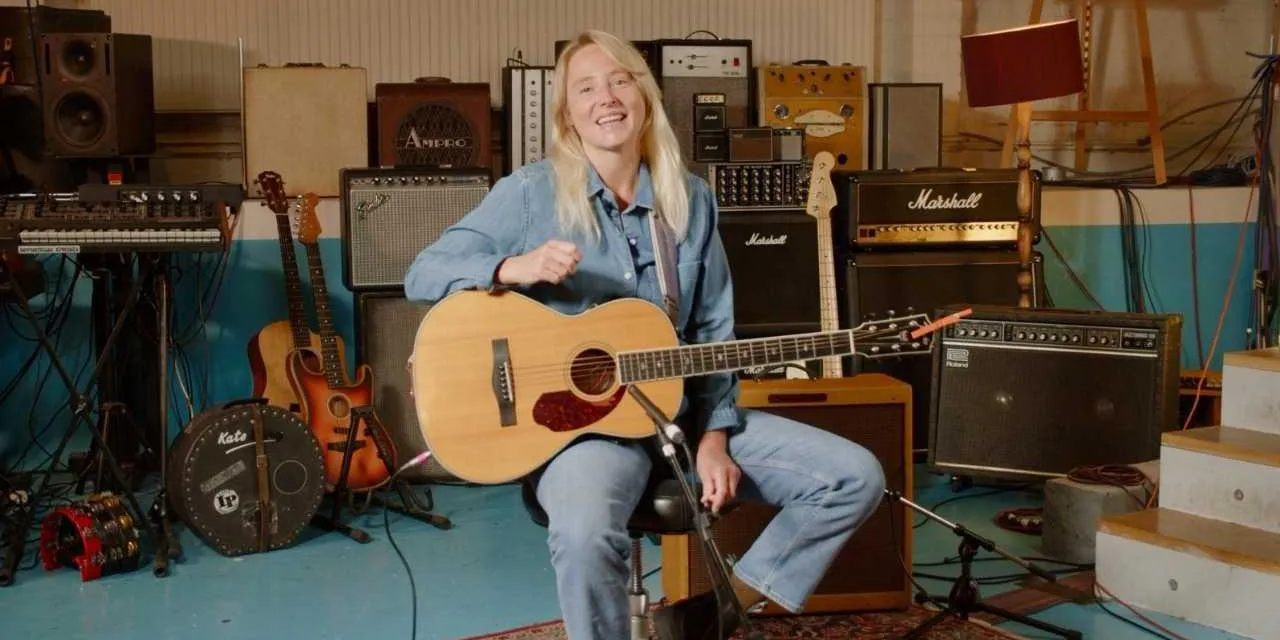
About the instructor
Lissie es una cantante de folk-rock que creció en Rock Island, Illinois, cerca del río Misisipi, diciendo lo que pensaba y componiendo canciones desde muy joven. El público se enamoró por primera vez de su voz con el EP de cinco canciones 'Why You Runnin'', producido por Bill Reynolds de Band of Horses, que Paste Magazine incluyó entre sus Ocho debuts musicales más prometedores. En 2010, su primer álbum de larga duración 'Catching A Tiger' consolidó sin pretensiones a Lissie como una voz global. Los elogios en Estados Unidos se vieron igualados en el Reino Unido con el reconocimiento de la BBC, el Evening Standard, Uncut y The Independent, que lo describió como "una rebanada de pop tan refrescante como estos oídos hastiados no habían escuchado en años". El álbum llegó a vender 300.000 copias en todo el mundo, 100.000 de ellas en el Reino Unido, donde fue certificado Oro. Momentos destacados a lo largo del camino: Nominada a Mejor artista revelación en los Q Awards, y elegida por VH1 como artista "You Oughta Know" Actuaciones en festivales como Glastonbury, Hard Rock Calling, Latitude, Secret Garden Party y Bestival Apariciones en televisión, entre ellas Later with Jools Holland y Sunday Brunch Papeles en pantalla en Loudermilk y en Twin Peaks de David Lynch, donde NME elogió su "intensa" interpretación al cerrar el episodio con la canción de aire Stevie Nicks 'Wild West': "la trovadora más apasionante de Rock Island se ganó con creces el tiempo en pantalla que le encargó Lynch". 'Carving Canyons' (a la venta el 16 de septiembre), su primer álbum de larga duración desde 'Castles', que llegó al Top 10 británico en 2018 En su curso de guitarra, Lissie comparte los acordes, el rasgueo y el instinto compositivo que hay detrás de sus canciones: todo lo que necesitas para empezar a tocar como la mejor trovadora de Rock Island. read more