



La magia de la música
Con
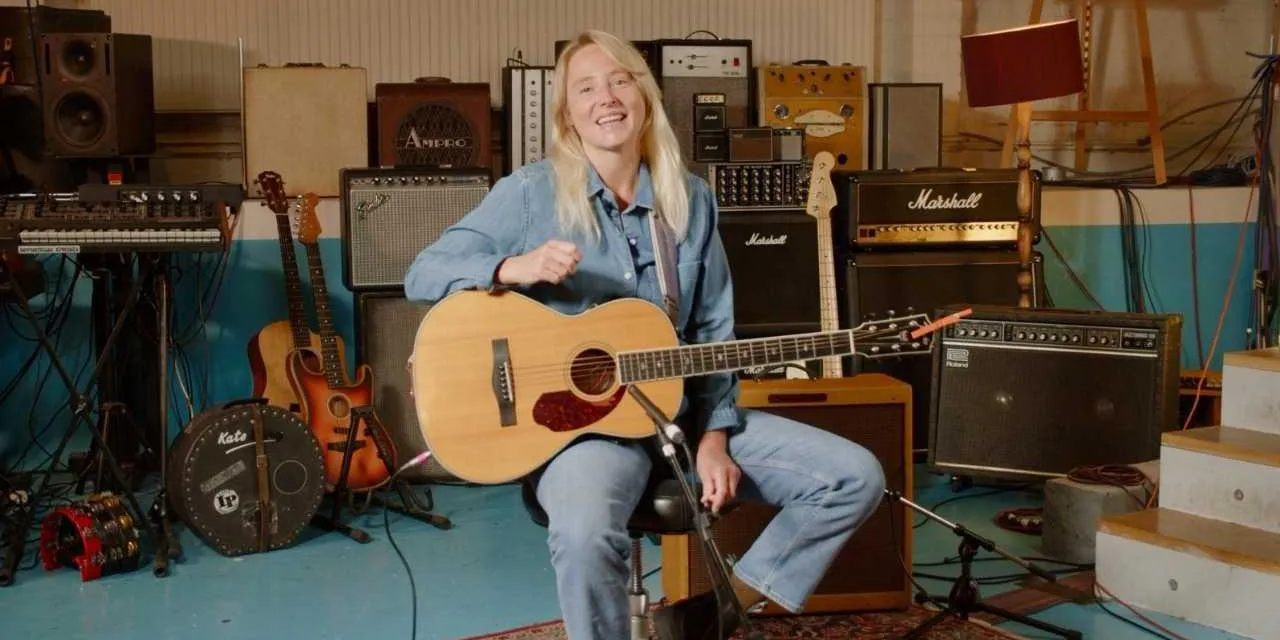
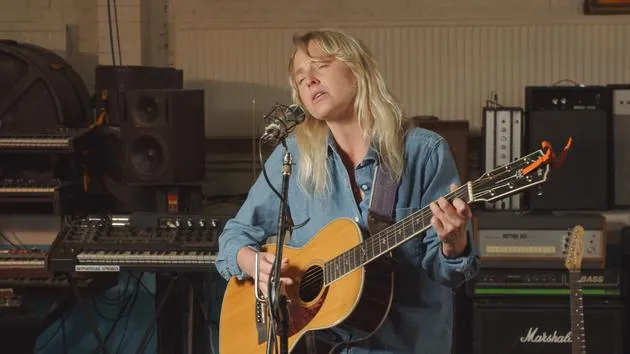
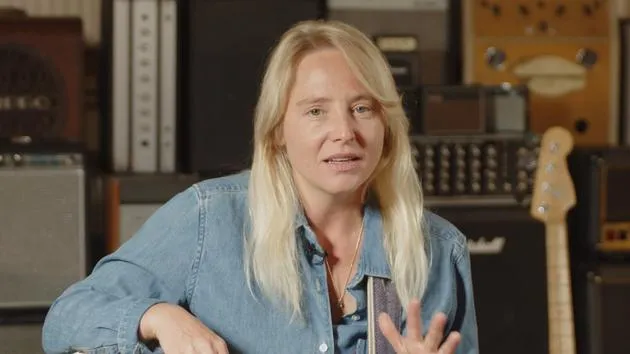
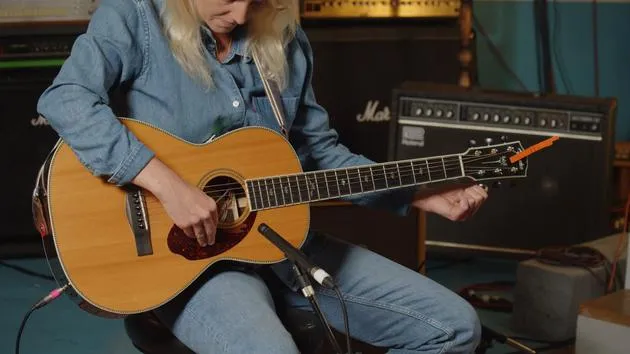
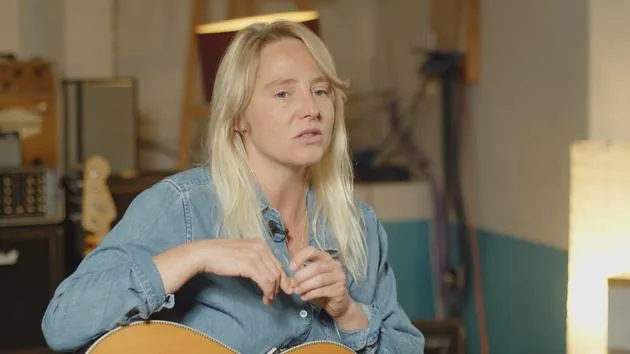
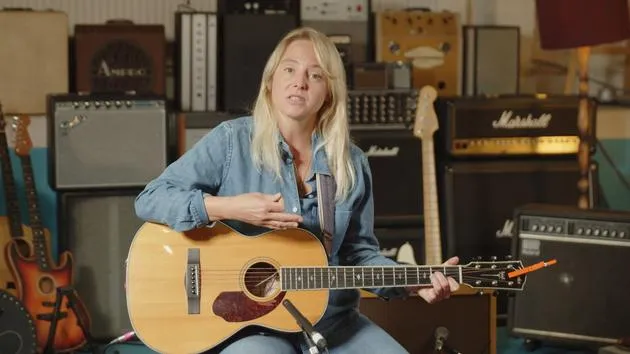
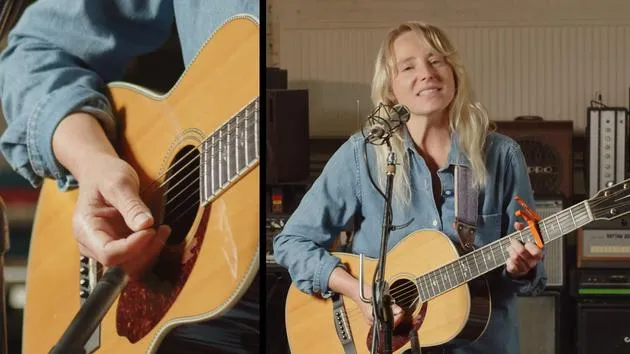
LissieLissie habla de tocar desde la emoción más que desde la teoría, y de cómo no conocer siempre las reglas detrás de un acorde como Re menor o Mi menor mantiene su música sincera.
Qué incluye el curso
25 lecciones (1h 37m) · 1 gratis
01. Everywhere I Go - Contexto y recuerdos
7:18
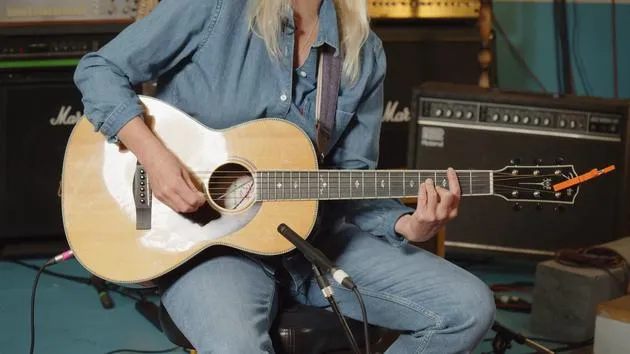
02. Everywhere I Go - Los acordes
3:16
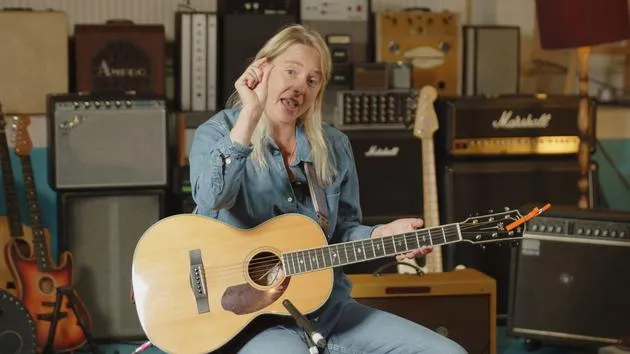
03. Everywhere I Go - El puente
3:35
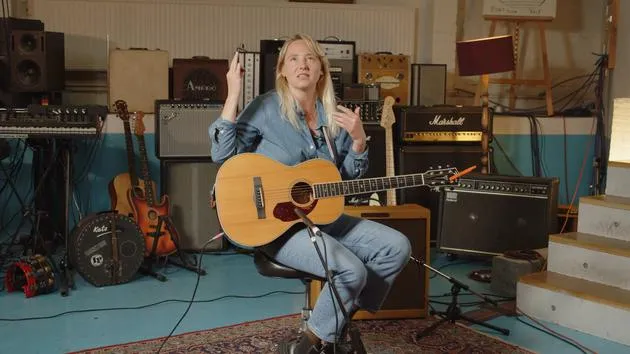
04. Everywhere I Go - Solo
1:41
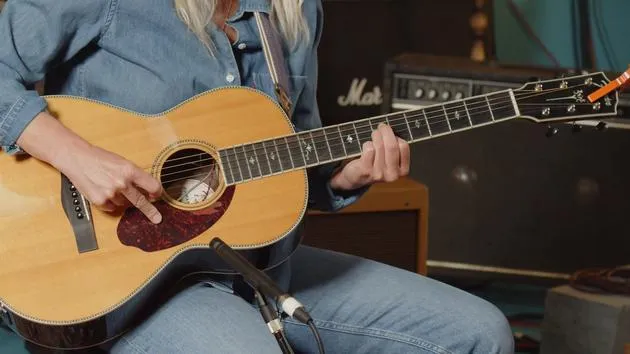
05. Everywhere I Go - intro con fingerpicking
4:51
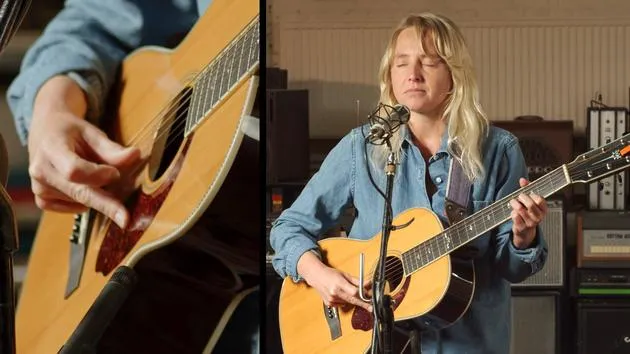
06. Everywhere I Go - Interpretación (con acordes)
4:03
07. Everywhere I Go - Interpretación (una cámara)
4:03
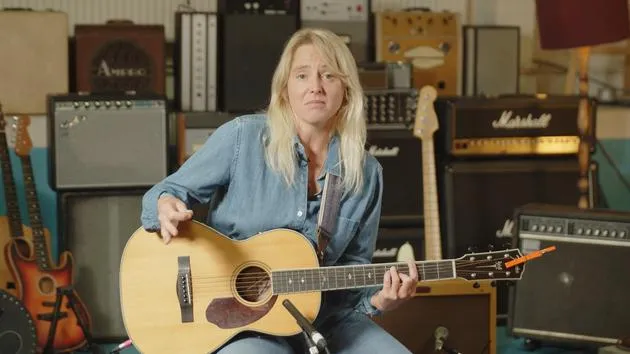
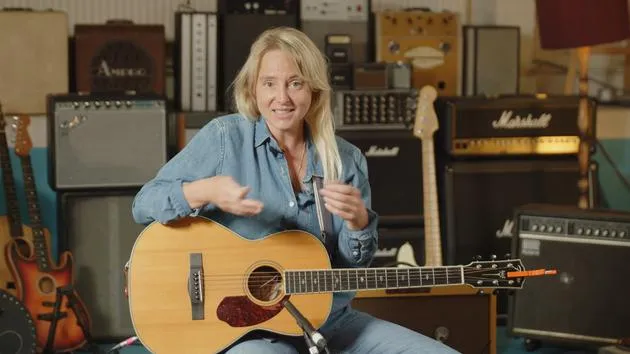
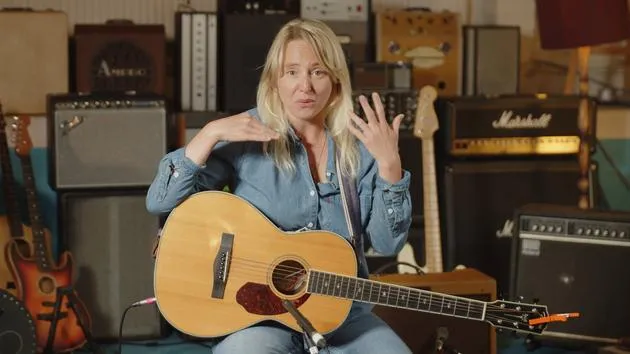
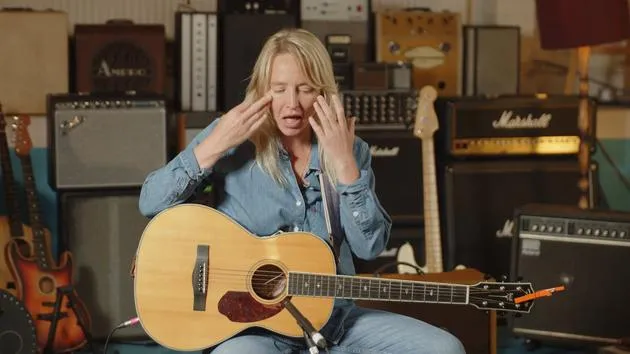
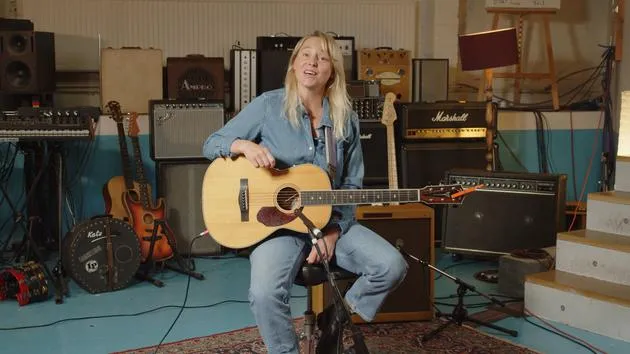
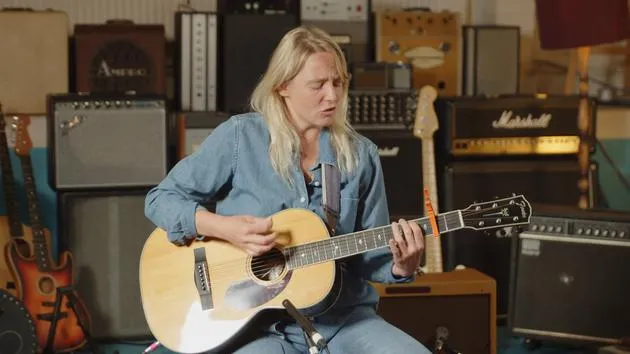
Transcripción de la lección
Embracing the Magic of Music
Well, so I do wish. And maybe when I'm older and thinking about retiring, it would be great to be able to be like:
- You know, learn your scales
- Really know your stuff
- Know your theory
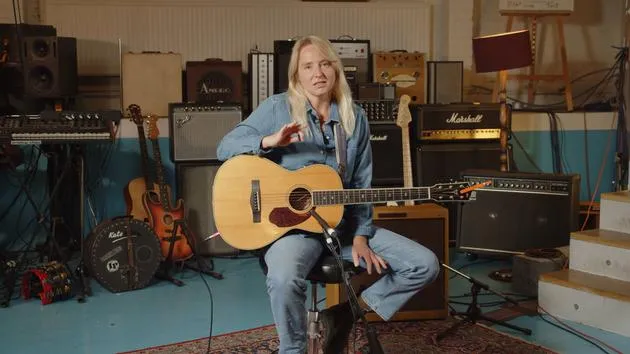
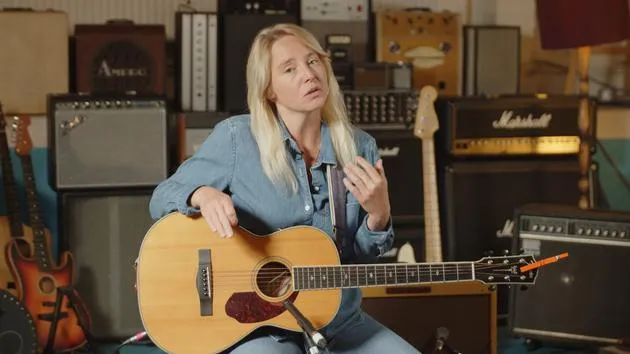
But I think, in a weird way, my style is so much about emotion. The fact that I don't always know quite what I'm doing is part of what makes it feel so special.
The Emotional Connection
When I play a chord again, like the D minor or even the E minor, there's a lot of emotion there. And I think, like, "Wow, I just did that. That's great!"
I don't focus on the fact that:
- "Oh, that's because it's minor."
- "Why certain chords sound good together."
I mean, there are thirds and fifths, and at least I know that. But for someone else, it might just be like:
- "Oh, I put these chords together."
Of course, that makes sense, because these are the things that complement each other. They're thirds and fifths, and there's this and that.
Every time, I'm like, "Wow, did I just come up with that chord combination?"
The Element of Surprise
It makes me feel more like,
I use the word magic again, it feels a little more magical sometimes when I stumble upon something beautiful.
A music theory expert could say to you, "Well, that's just kind of obvious. That's what's pleasing to the ear. That's part of the theory of things."
So, it keeps it a little bit more fun to stumble upon things I think are beautiful without really understanding that there's almost a scientific reason behind it.
25 lecciones
1h 37m de lecciones en vídeo estructuradas
Funciones de vídeo avanzadas
Ralentiza, repite un pasaje, sigue la partitura
Móvil, tablet y ordenador
Practica donde quieras
Garantía de satisfacción 100%
30 días de garantía de devolución
Conoce a tu gurú
Conoce a tu gurú
Lissie es una cantante de folk-rock que creció en Rock Island, Illinois, cerca del río Misisipi, diciendo lo que pensaba y componiendo canciones desde muy joven. El público se enamoró por primera vez de su voz con el EP de cinco canciones 'Why You Runnin'', producido por Bill Reynolds de Band of Horses, que Paste Magazine incluyó entre sus Ocho debuts musicales más prometedores.
En 2010, su primer álbum de larga duración 'Catching A Tiger' consolidó sin pretensiones a Lissie como una voz global. Los elogios en Estados Unidos se vieron igualados en el Reino Unido con el reconocimiento de la BBC, el Evening Standard, Uncut y The Independent, que lo describió como "una rebanada de pop tan refrescante como estos oídos hastiados no habían escuchado en años". El álbum llegó a vender 300.000 copias en todo el mundo, 100.000 de ellas en el Reino Unido, donde fue certificado Oro.
Momentos destacados a lo largo del camino:
- Nominada a Mejor artista revelación en los Q Awards, y elegida por VH1 como artista "You Oughta Know"
- Actuaciones en festivales como Glastonbury, Hard Rock Calling, Latitude, Secret Garden Party y Bestival
- Apariciones en televisión, entre ellas Later with Jools Holland y Sunday Brunch
- Papeles en pantalla en Loudermilk y en Twin Peaks de David Lynch, donde NME elogió su "intensa" interpretación al cerrar el episodio con la canción de aire Stevie Nicks 'Wild West': "la trovadora más apasionante de Rock Island se ganó con creces el tiempo en pantalla que le encargó Lynch".
- 'Carving Canyons' (a la venta el 16 de septiembre), su primer álbum de larga duración desde 'Castles', que llegó al Top 10 británico en 2018
En su curso de guitarra, Lissie comparte los acordes, el rasgueo y el instinto compositivo que hay detrás de sus canciones: todo lo que necesitas para empezar a tocar como la mejor trovadora de Rock Island.







