



Lo primero: afinar tu guitarra
Lesson time: (4min 38sec)
Lissie te muestra lo primero que hay que hacer cada vez que coges la guitarra: dejarla en la afinación estándar EADGBE, y por qué importa que una guitarra mantenga la afinación.
Course preview
This lesson is part of the course Aprende guitarra con Lissie
Watch a preview of the full course below.
Lesson transcript:
Guitar Tuning Essentials
Introduction
So the first thing you want to do when you pick up your guitar is to tune it. I have found that many starter pack guitars don't stay in tune very well. If you're serious about learning guitar, investing in a nice guitar that will actually stay in tune is important.
Standard Tuning Notes
When we tune our guitar, we need to know what notes standard tuning needs to be in:
- E - This big fat top, kind of chunky guy.
- A
- D
- G - My G, for some reason, does seem to go out of tune more than the rest.
- B - This one's a little out of tune.
- E - The little skinny one at the bottom.
Tuning Challenges
Tuning is one of those things on stage that I dread the most. It's a strange thing; I'm pretty confident and comfortable on stage, but anytime I have to tune in front of the crowd, like between songs, I panic. You want to keep the flow going, and tuning sort of stops everything. Sometimes my band will keep going while I quickly tune.
What I would do alone, just bust it out, boom! I can tune a guitar, becomes stressful when I have to tune quickly on stage.
Touring Experience
On a lot of tours, I actually have a guitar tech that comes with us and helps out the band and myself. I typically bring a few guitars along and switch between songs if needed.
I've been privileged during most of my touring career to have someone who keeps my guitar in tune for me. However, I've been doing a lot more solo and duo touring lately.
My Favorite Guitar
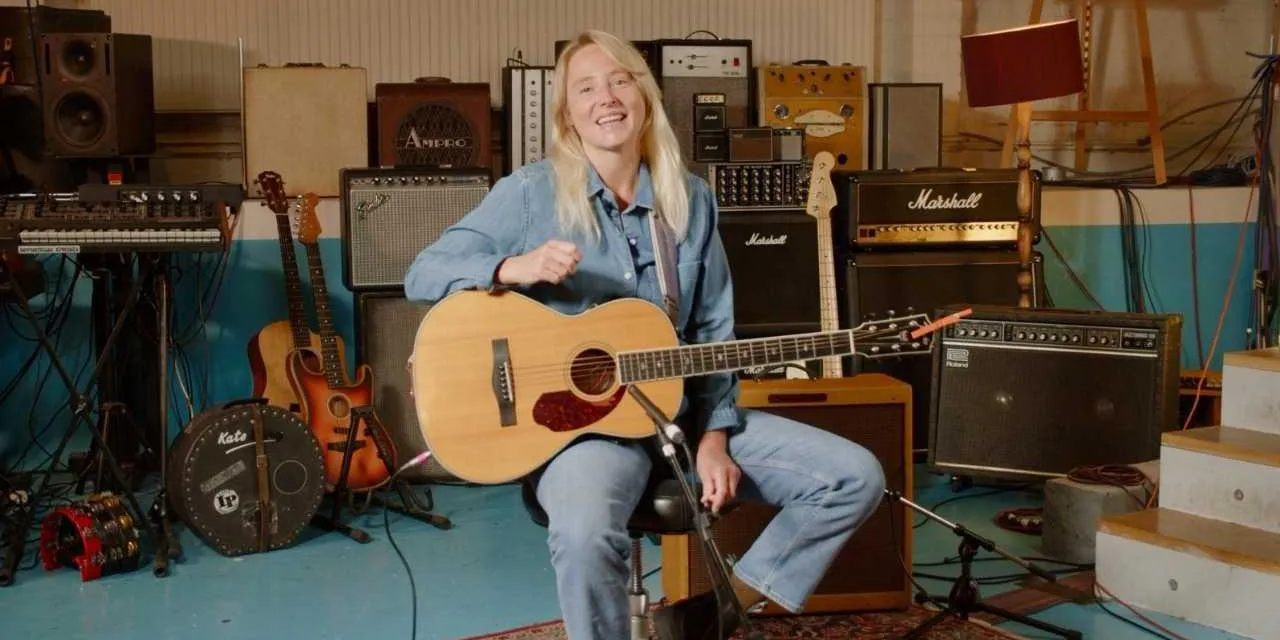
One of the things I love about my acoustic guitar, a Fender Paramount series parlor guitar, is its size, which is easy to keep my arms around. Plus, it has a tuner built right into it!
- It runs on a battery.
- You can plug it into a DI (Direct Input).
I can show you how it works: I just press this button on, and you can see the screen that helps me tune. That's pretty convenient, having it built right into the guitar! While it may not be as reliable as a Boss pedal tuner, I think it gets the job done.
The Importance of Tuning
Tuning is absolutely essential. If your guitar is not staying in tune, you're not going to have any fun at all.
People sometimes drop tune, where they'll do a drop D or change the tuning of the guitar for different songs. Alternate tunings are not something I've really experimented with, but I know of artists like Laura Marling and Joni Mitchell who do a lot of that.
Drop D Tuning - This is where you drop your top string down to a D. If you're picking things out, it can provide a fun new palette to work with.
Conclusion
But I usually just stay in standard tuning. As long as you're in tune, you can hop in with the band and have so much fun, provided they're all in tune as well. That's the thing, it should be fun! You should be having fun, and that's why you should be doing it in the first place.
About the instructor
Lissie es una cantante de folk-rock que creció en Rock Island, Illinois, cerca del río Misisipi, diciendo lo que pensaba y componiendo canciones desde muy joven. El público se enamoró por primera vez de su voz con el EP de cinco canciones 'Why You Runnin'', producido por Bill Reynolds de Band of Horses, que Paste Magazine incluyó entre sus Ocho debuts musicales más prometedores. En 2010, su primer álbum de larga duración 'Catching A Tiger' consolidó sin pretensiones a Lissie como una voz global. Los elogios en Estados Unidos se vieron igualados en el Reino Unido con el reconocimiento de la BBC, el Evening Standard, Uncut y The Independent, que lo describió como "una rebanada de pop tan refrescante como estos oídos hastiados no habían escuchado en años". El álbum llegó a vender 300.000 copias en todo el mundo, 100.000 de ellas en el Reino Unido, donde fue certificado Oro. Momentos destacados a lo largo del camino: Nominada a Mejor artista revelación en los Q Awards, y elegida por VH1 como artista "You Oughta Know" Actuaciones en festivales como Glastonbury, Hard Rock Calling, Latitude, Secret Garden Party y Bestival Apariciones en televisión, entre ellas Later with Jools Holland y Sunday Brunch Papeles en pantalla en Loudermilk y en Twin Peaks de David Lynch, donde NME elogió su "intensa" interpretación al cerrar el episodio con la canción de aire Stevie Nicks 'Wild West': "la trovadora más apasionante de Rock Island se ganó con creces el tiempo en pantalla que le encargó Lynch". 'Carving Canyons' (a la venta el 16 de septiembre), su primer álbum de larga duración desde 'Castles', que llegó al Top 10 británico en 2018 En su curso de guitarra, Lissie comparte los acordes, el rasgueo y el instinto compositivo que hay detrás de sus canciones: todo lo que necesitas para empezar a tocar como la mejor trovadora de Rock Island. read more