



Las escuchas esenciales de Nueva York, Chicago y Detroit
Lesson time: (6min 3sec)
DJ Deep comparte los discos esenciales de Nueva York, Chicago y Detroit que dieron forma al house y al techno, y por qué importa conocer las raíces.
Course preview
This lesson is part of the course Encuentra tu propio camino en el house y el techno con DJ Deep
Watch a preview of the full course below.
Lesson transcript:
Understanding the Origins of House Music
As I mentioned before, house and techno are intertwined in a 30-year cycle. I clearly remember hearing Debbie Gibson's "One Step Ahead," a Masters at Work remix, for the first time in the very early 90s. They clearly invented a style and a sound that was New York's house music.
Key Influencers of New York House Music
In the same way:
- Kerry Chandler invented New York's house music with his Atmosphere EP
- Totteri contributed through Royal House with "Can You Party?"
A few key artists define and design a certain sound.
The Importance of Understanding the Roots
In my opinion, when talking about New York house, it's essential to dig deep and go to the roots of the music to truly understand what it's all about. The music has been repeated and recreated so many times that:
- It is crucial for anyone genuinely interested in this genre to return to the source.
- Thankfully, there are numerous online tools available to learn and access those tracks.
However, it can sometimes be difficult to navigate through all the reissues and unreleased tracks being released these days. I spend my life buying old records that have bonus versions or unreleased versions, which is a dream for me as I've been collecting this music for 30 years. But for someone discovering the style, it can be a bit confusing to differentiate between the actual original version and a reworked one.
A Comparison of House Genres
It's a little like learning history through someone else's lecture. Thus, I always find it crucial to return to the first original source of the sound, asking:
- What was this sound?
- What was the purpose of this music?
- What was the context surrounding it?
Early Influences in New York House
For New York house, you clearly hear in the early house tracks the fusion of:
- Disco
- Funk
- Soul
This genre has a very distinct groove to it.
On the other hand, Chicago House was different. I remember Lewis giving me a record at Rex Club the first time he came to France. He played at my friend Laurent Garnier's Wake Up Parties at Rex Club. He gave me a record that was my favorite at the time: War Games.
While it may not be the most famous track by Le Louis, flipping the record reveals Seven Days of Peace, which is an incredible alternative to his famous track "French Kiss." Chicago house was perhaps more abstract; you could feel less of the disco influences, although they were still present. It had a more machine-oriented sound, whether it was drum machines or keyboards. This genre represented a more abstract and imaginary world.
The Detroit Influence
A pivotal moment for me was hearing Mr. Fingers with "Can You Feel It," for instance. Then we have Detroit with artists like Derek Mayer and Kyle Craig, as well as Rhythm Is Rhythm.
Unique Flavors of Detroit House
Beyond dance, Detroit's sound had a unique flavor, a different mixture of sounds and styles. You could feel:
- Disco and dance music influences
- European synth elements, including new wave and punk
This fusion of Parliament, Funkadelic, and New Wave was fascinating for us here in Paris.
About the instructor
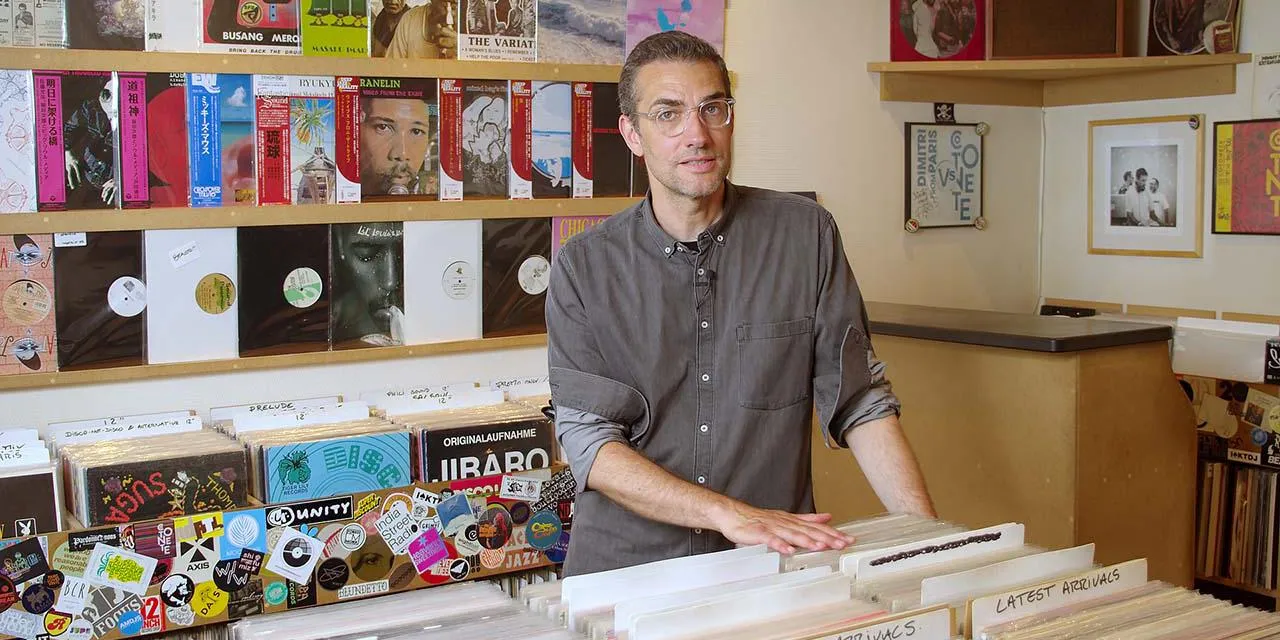
DJ Deep es un productor y DJ francés de house y techno, y el hombre detrás del sello Deeply Rooted (antes Deeply Rooted House). A lo largo de más de 20 años ha sido uno de los grandes curadores de la música de baile, y ese oído para lo que hace que un disco funcione de verdad es exactamente lo que lo convierte en un guía del que merece la pena aprender. 'Veo mi trabajo como el de ser un gran filtro', dice, restándole más bien importancia al papel que este francés ha tenido en el desarrollo de la música house. 'Como yonqui del vinilo, estoy en las tiendas de discos buscando temazos casi cada día. Compartir lo que considero los mejores discos del momento o los clásicos personales más atemporales es algo que me ha motivado a lo largo de los años.' Cyril Etienne emergió de la escena parisina para causar un verdadero impacto en el escenario mundial. Empezó pinchando para Laurent Garnier en fiestas como Oz y Zoo en el club Palace, luego se convirtió en habitual del Rex Club y estableció su singular sentido del gusto con sus programas 'A Deep Groove' en la emisora pirata Radio FG y más tarde en Radio Nova. Rápidamente pasó a pinchar por todo el mundo, llevando siempre consigo un sentido de la historia nutrido por su amor por Chicago, Nueva York y Detroit. Difuminando las líneas entre house y techno, también une los puntos entre cortes clásicos y contemporáneos con su propio sentido de la narración, no solo como DJ y productor, sino también como jefe de sello y curador de fiestas. Desde 2003 dirige su propio sello con visión de futuro, Deeply Rooted, sinónimo de house y techno con clase y fiel a sus raíces, de artistas nuevos y ya consagrados como Kerri Chandler, Ben Klock, Francois X, Ben Sims y Roman Poncet, así como la estrella francesa emergente y habitual de Concrete Paris Marina Trench. Su propia serie Raw Cuts tiende un puente entre la emoción sentida del house y el impacto directo del techno. Más allá de su propio sello, ha publicado en Rekids, Kaoz Theory y Tresor, y como remezclador ha reelaborado a artistas como Carl Craig, St Germain, DJ Honesty, Scan 7, Borderland (Juan Atkins) y Point G, aportando siempre sus atmósferas singularmente cálidas a todo lo que saca. También hace música bajo diversos otros alias: Rebeval, con material de sonido más crudo en L.I.E.S.; Sergie Rezza, un proyecto colaborativo y sello del mismo nombre junto a Roman Poncet que explora un house y techno más experimental, teñido de ambient, tanto en formato EP como LP; Fang, para house contemporáneo; y Adventice, para un techno enérgico y de raíces clásicas, con lanzamientos en Tresor y directos en lugares como Berlin Atonal. Su faceta más ecléctica aflora en sus programas de radio Open Library en Worldwide FM: ventanas de dos horas de jazz, soul, dub, funk y ambient que constituyen bandas sonoras muy especiales e inmersivas. Sea lo que sea lo que pinche o produzca, DJ Deep siempre tiene algo que merece la pena escuchar. En Find Your Own Path in House & Techno, comparte cómo selecciona, ordena y da forma a los temas para que, en lugar de perseguir tendencias, puedas construir un sonido y un gusto que sean inconfundiblemente tuyos. read more