



Mi propio setup de DJ
Lesson time: (7min 6sec)
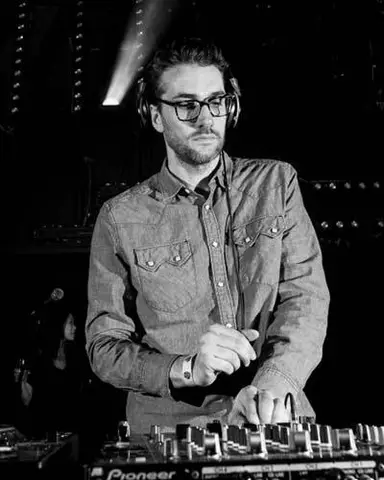
DJ Deep repasa su propio setup híbrido, combinando CDJs digitales con su querida mesa rotativa UREI 1620, y explica las decisiones de equipo que hay detrás de su sonido.
Course preview
This lesson is part of the course Encuentra tu propio camino en el house y el techno con DJ Deep
Watch a preview of the full course below.
Lesson transcript:
DJ Setup and Philosophy
Combining Worlds
So here we are. On my DJ setup, I try and apply the same philosophy I do about music with equipment. Therefore, I combine two worlds:
- The digital world of the CDJS 2000 and XS2.
- Those actually are the Rex Club ones that they kindly let me use during the pandemic.
- My beloved URI 1620 modified mixer.
- I love the sound of it.
- I love to record my vinyls with it.
This mixer was the inspiration for starting to collaborate with ENS and design the DJR 400 mixers. Back in 2003, when there was no hype around rotary mixers, I had to go around the world with my little portable version of the DJR 100, not the DJR 400, but the DJR 100, the baby first born of our collaboration. I had to convince promoters and club owners that the sound of it was really incredible.
Finding My Groove
The reason I like this setup so much is that it allows me to find my groove in mixing vinyls. I love the digital world for how convenient it is and how fast I can process and go through music. But sometimes, I lose myself in playing vinyls in my studio.
- I get into this groove where I can go on and on.
- That's a source of inspiration I hardly get from playing digital only all the time.
So, not only do I have to treat and record my files in a specific way, but I also have to put myself in a certain mindset when playing digital files, remembering the feeling I had at home grooving with the turntables and my URI.
Inspiration from the Past
The first time I went to the US, in New York, and I heard some DJs play, I was blown away by how smooth the transitions were. That technique was very different from the one I knew as a young European kid where I had to play with a bass EQ all the time to compensate.
When mixing two records together with this mixer, there is this sort of compression compensation between two channels, which allows you to go from one record to the other very smoothly without having any EQ. There is no EQ per channel on this mixer, only on the master and mono.
As a DJ, I always try to go back to this special magic moment. I call it a secret garden.
Magical Moments and Creativity
I remember when I was younger, I would be home in my very little studio and play records, getting carried away by the sound of house and techno I was discovering. Those magic moments are kept very dearly in my heart and are my source of inspiration.
When I started DJing and found my way through mixing records, I would try to recreate those magical moments during parties. I always kept this way of working, striving to bring myself to this creative place.
- Therefore, as I transition from the analog world to the digital, I always have this in mind:
- How am I going to escape reality and the material world?
- How can I just be creative and reside in my magic garden, sharing that experience with others?
Equipment Matters
This is why you see in my studio different equipment from different worlds. Because I always question things:
- What can they do?
- How can they help me to be in this creative place?
We all have different ideas, different ears, and different visions. I encourage everybody to find their own balance with the equipment they have at their disposal.
Choosing the Right Equipment
There are so many options today; it's sometimes challenging to choose.
- Should I take this CD player or that one?
- Is vinyl better than this format, or is that better than this?
The actual fact is that today's standard is pretty high for equipment. But you have to know what you're looking for and go to it as directly as possible. This is specifically the philosophy of my mixer, from the input to the output, it's a very direct route. There aren't many things going around, which is why the sound has so much character and specificity.
The Importance of Cartridges
One of the key pieces of equipment in a DJ's studio is the cartridge.
- If you play vinyl, vinyl doesn't have a sound on its own.
- What gives a sound to vinyl is the cartridge, serving as your transmitter to manipulate vinyl in the DJ world.
I enjoy the Shure M447, which unfortunately got discontinued recently. However, I found a nice alternative. Many alternatives exist; some Japanese brands have created clones. I tried a few, but my personal choice was the Autofun VNL Series.
- It's not a Shure M447, but it has many qualities akin to it.
- It is very resistant and comes with three spare needles.
I find myself in the same place sonically and in handling them as I do with the Shure, which works for me.
Advice for Young DJs
This is also something I'd advise younger DJs:
- Learn as much as you can about the techniques, inside and out of the equipment.
- Follow your ears. If it works for you, it works.
If it sounds good to your ears and you feel the bass and highs the way you want, that's what matters. That's what will make you creative when using them.
Training Your Ears
It's a bit like if you were sound-engineering a room and locked into watching an iPad showing you view meters instead of listening.
- You must follow your ears.
- Train your ears, learn how things work, and then let go at one point and just listen.
And this is what I try to do. So far, so good.
About the instructor
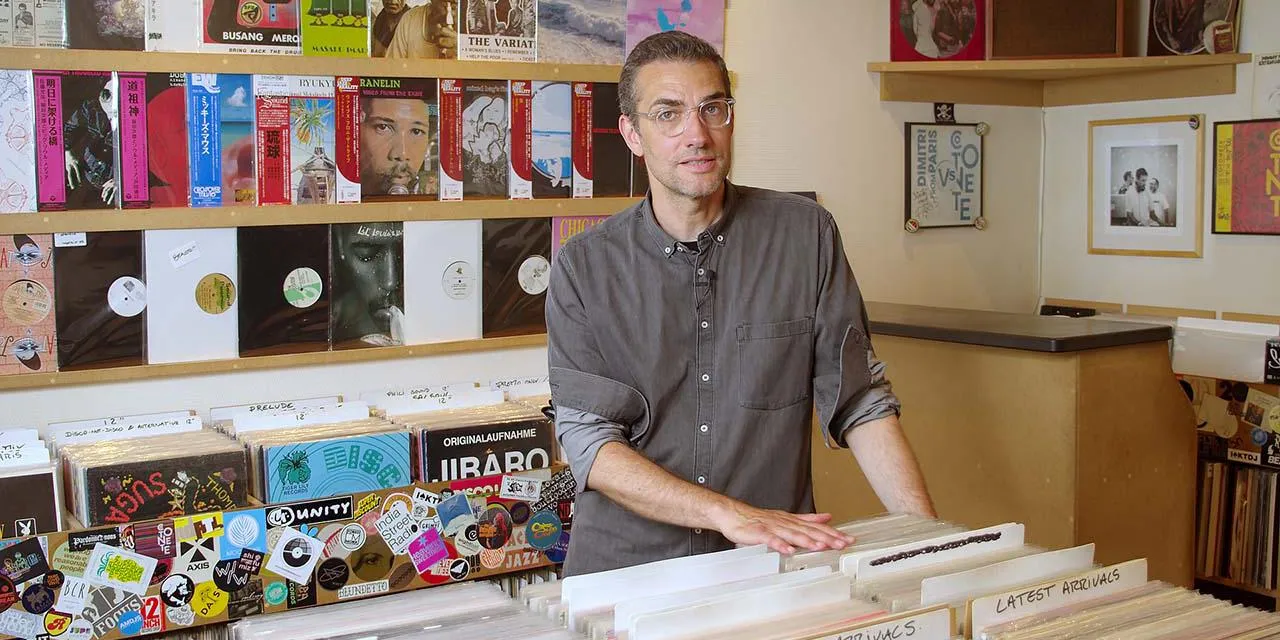
DJ Deep es un productor y DJ francés de house y techno, y el hombre detrás del sello Deeply Rooted (antes Deeply Rooted House). A lo largo de más de 20 años ha sido uno de los grandes curadores de la música de baile, y ese oído para lo que hace que un disco funcione de verdad es exactamente lo que lo convierte en un guía del que merece la pena aprender. 'Veo mi trabajo como el de ser un gran filtro', dice, restándole más bien importancia al papel que este francés ha tenido en el desarrollo de la música house. 'Como yonqui del vinilo, estoy en las tiendas de discos buscando temazos casi cada día. Compartir lo que considero los mejores discos del momento o los clásicos personales más atemporales es algo que me ha motivado a lo largo de los años.' Cyril Etienne emergió de la escena parisina para causar un verdadero impacto en el escenario mundial. Empezó pinchando para Laurent Garnier en fiestas como Oz y Zoo en el club Palace, luego se convirtió en habitual del Rex Club y estableció su singular sentido del gusto con sus programas 'A Deep Groove' en la emisora pirata Radio FG y más tarde en Radio Nova. Rápidamente pasó a pinchar por todo el mundo, llevando siempre consigo un sentido de la historia nutrido por su amor por Chicago, Nueva York y Detroit. Difuminando las líneas entre house y techno, también une los puntos entre cortes clásicos y contemporáneos con su propio sentido de la narración, no solo como DJ y productor, sino también como jefe de sello y curador de fiestas. Desde 2003 dirige su propio sello con visión de futuro, Deeply Rooted, sinónimo de house y techno con clase y fiel a sus raíces, de artistas nuevos y ya consagrados como Kerri Chandler, Ben Klock, Francois X, Ben Sims y Roman Poncet, así como la estrella francesa emergente y habitual de Concrete Paris Marina Trench. Su propia serie Raw Cuts tiende un puente entre la emoción sentida del house y el impacto directo del techno. Más allá de su propio sello, ha publicado en Rekids, Kaoz Theory y Tresor, y como remezclador ha reelaborado a artistas como Carl Craig, St Germain, DJ Honesty, Scan 7, Borderland (Juan Atkins) y Point G, aportando siempre sus atmósferas singularmente cálidas a todo lo que saca. También hace música bajo diversos otros alias: Rebeval, con material de sonido más crudo en L.I.E.S.; Sergie Rezza, un proyecto colaborativo y sello del mismo nombre junto a Roman Poncet que explora un house y techno más experimental, teñido de ambient, tanto en formato EP como LP; Fang, para house contemporáneo; y Adventice, para un techno enérgico y de raíces clásicas, con lanzamientos en Tresor y directos en lugares como Berlin Atonal. Su faceta más ecléctica aflora en sus programas de radio Open Library en Worldwide FM: ventanas de dos horas de jazz, soul, dub, funk y ambient que constituyen bandas sonoras muy especiales e inmersivas. Sea lo que sea lo que pinche o produzca, DJ Deep siempre tiene algo que merece la pena escuchar. En Find Your Own Path in House & Techno, comparte cómo selecciona, ordena y da forma a los temas para que, en lugar de perseguir tendencias, puedas construir un sonido y un gusto que sean inconfundiblemente tuyos. read more