



DJing en digital: mi proceso de analógico a digital
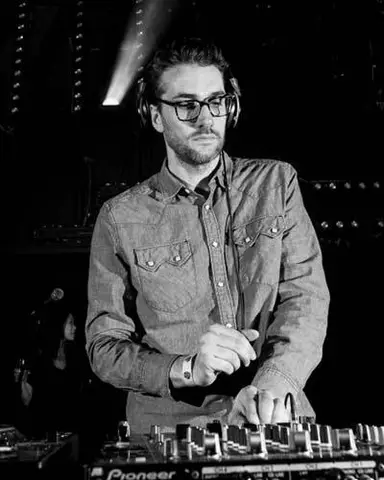
Lesson time: (4min 47sec)
Course preview
This lesson is part of the course Encuentra tu propio camino en el house y el techno con DJ Deep
Watch a preview of the full course below.
Lesson transcript:
My Analog to Digital Process
So, let's talk about my analog to digital process.
Curiosity and Learning
As I tried to say before, I'm always very curious and trying to go deep into details and learn by myself. There is what everybody's telling you:
"This is the standard, you have to do it this way."
Most of the time, it is right. But you can also look at things from different angles.
Mentorship
My good friend, brother, and mentor, Kerry Chandler, is a great person to discuss technical things with. He has taught me a lot, and I'm always learning from him.
Exploring Limitations
For instance, there are ways to work around the digital and analog limitations. There are ways to find your own path that corresponds to yourself. For me, I love vinyl. As you can see, I have a few records, and in today's world,
"It's not only easier, but you have to play digitally most of the time."
A lot of places, and sometimes clubs, don't have the proper vinyl equipment, or if they do, the system doesn't work perfectly with it anyway.
The Sonic Experience
My goal as a music lover is to give people the best sonic experience as I possibly can. From my end, I consider I deliver the source, and from that point, it goes to the system.
"Of course, I'm not running the system; I'm not the sound engineer."
I'm trying to give the sound engineer the best signal possible.
Bypass Converters
Learning again from my friend Kerry Chandler, I'm trying to bypass as much as I can converters and ADDA as much as possible.
Recording Process
So, what I do most of the time is:
- Record my vinyl from this turntable using the different cartridges we mentioned before.
- Each cartridge has unique qualities depending on the music I'm ripping.
I'm going through my modified URI to my RME Fireface 800, which is also modified, and then to my music software.
Software Choices
I use:
- Sometimes Ableton Live
- Sometimes Logic Pro
- Occasionally Pro Tools
These options depend on the music I want to record. I use different software, cartridges, or combinations to the advantage of the music, ensuring I get the best result once the music is recorded.
Pioneer Record Box
I use Pioneer Record Box because I mainly perform in clubs with Pioneer CDDJs 2000 NX2.
- It's easier for me for various reasons because the screens correspond.
- It has the same logical approach.
Additionally, I have a Pioneer controller called DDJ-RX, which serves as a remote control. I don't really play music with this device; instead, I use it to put markers on my screen for my tracks.
Visual Markers
I know where the breaks are, whether there is a hi-hat, mute, or anything.
"This allows me to have a visual aspect of what I get on a vinyl."
Now, I can see it on my screen or on my CDJ screen using those markers.
Demonstration of Marking
In a second, I'll show you very quickly what I mean.
If I do this, I go back to the beginning of the track. Here is my track.
- Let's say I want to mark the kick in the track.
- I'll move to where the kick comes in, which is here.
- I just put a marker.
You see, the C marker indicates that the kick comes in.
Combining Analog and Digital
Basically, I'm using these tools to my advantage. I'm playing analog with a digital device and trying to take advantage of all technologies combined.
I love the sound I'm getting because:
- I ripped it myself.
- I took care of it myself.
- I know how it sounds, and I see how it sounds.
Digitally, I can mark it and make it look as comfortable as possible for myself, just as if I was playing vinyls.
So, yeah, those are a few examples of what I do to my files, how I record them, and how I mark them in order to DJ with them.
About the instructor
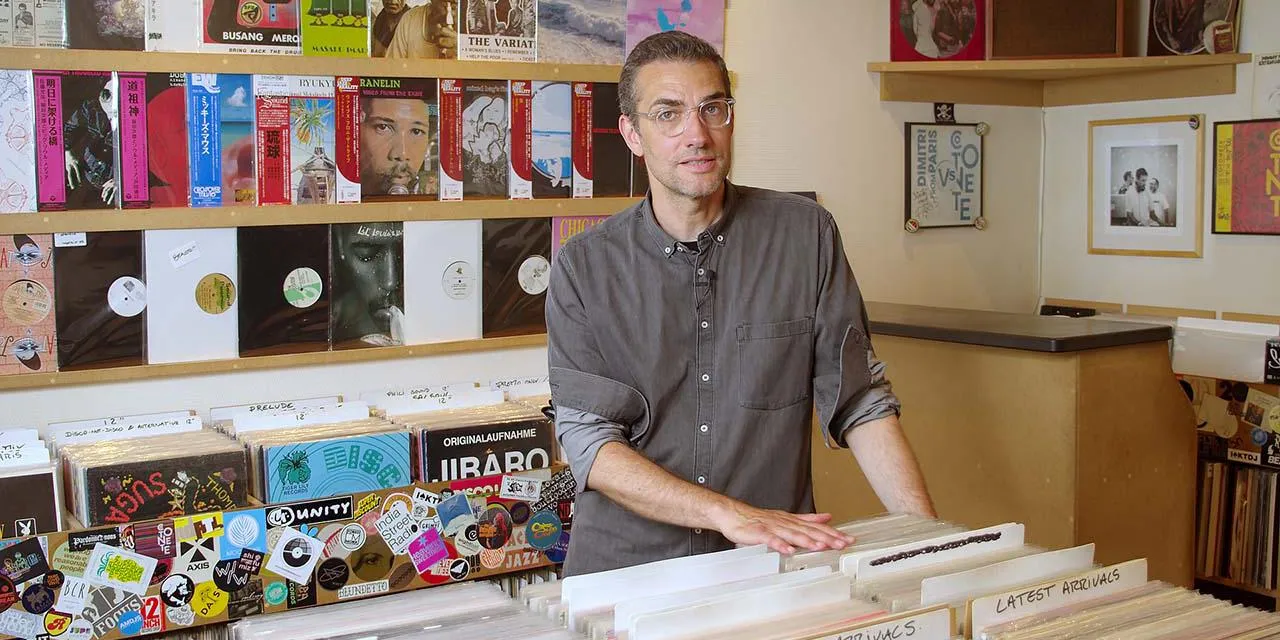
DJ Deep es un productor y DJ francés de house y techno, y el hombre detrás del sello Deeply Rooted (antes Deeply Rooted House). A lo largo de más de 20 años ha sido uno de los grandes curadores de la música de baile, y ese oído para lo que hace que un disco funcione de verdad es exactamente lo que lo convierte en un guía del que merece la pena aprender. 'Veo mi trabajo como el de ser un gran filtro', dice, restándole más bien importancia al papel que este francés ha tenido en el desarrollo de la música house. 'Como yonqui del vinilo, estoy en las tiendas de discos buscando temazos casi cada día. Compartir lo que considero los mejores discos del momento o los clásicos personales más atemporales es algo que me ha motivado a lo largo de los años.' Cyril Etienne emergió de la escena parisina para causar un verdadero impacto en el escenario mundial. Empezó pinchando para Laurent Garnier en fiestas como Oz y Zoo en el club Palace, luego se convirtió en habitual del Rex Club y estableció su singular sentido del gusto con sus programas 'A Deep Groove' en la emisora pirata Radio FG y más tarde en Radio Nova. Rápidamente pasó a pinchar por todo el mundo, llevando siempre consigo un sentido de la historia nutrido por su amor por Chicago, Nueva York y Detroit. Difuminando las líneas entre house y techno, también une los puntos entre cortes clásicos y contemporáneos con su propio sentido de la narración, no solo como DJ y productor, sino también como jefe de sello y curador de fiestas. Desde 2003 dirige su propio sello con visión de futuro, Deeply Rooted, sinónimo de house y techno con clase y fiel a sus raíces, de artistas nuevos y ya consagrados como Kerri Chandler, Ben Klock, Francois X, Ben Sims y Roman Poncet, así como la estrella francesa emergente y habitual de Concrete Paris Marina Trench. Su propia serie Raw Cuts tiende un puente entre la emoción sentida del house y el impacto directo del techno. Más allá de su propio sello, ha publicado en Rekids, Kaoz Theory y Tresor, y como remezclador ha reelaborado a artistas como Carl Craig, St Germain, DJ Honesty, Scan 7, Borderland (Juan Atkins) y Point G, aportando siempre sus atmósferas singularmente cálidas a todo lo que saca. También hace música bajo diversos otros alias: Rebeval, con material de sonido más crudo en L.I.E.S.; Sergie Rezza, un proyecto colaborativo y sello del mismo nombre junto a Roman Poncet que explora un house y techno más experimental, teñido de ambient, tanto en formato EP como LP; Fang, para house contemporáneo; y Adventice, para un techno enérgico y de raíces clásicas, con lanzamientos en Tresor y directos en lugares como Berlin Atonal. Su faceta más ecléctica aflora en sus programas de radio Open Library en Worldwide FM: ventanas de dos horas de jazz, soul, dub, funk y ambient que constituyen bandas sonoras muy especiales e inmersivas. Sea lo que sea lo que pinche o produzca, DJ Deep siempre tiene algo que merece la pena escuchar. En Find Your Own Path in House & Techno, comparte cómo selecciona, ordena y da forma a los temas para que, en lugar de perseguir tendencias, puedas construir un sonido y un gusto que sean inconfundiblemente tuyos. read more