



Sé curioso, entiende los estilos y las máquinas
Con
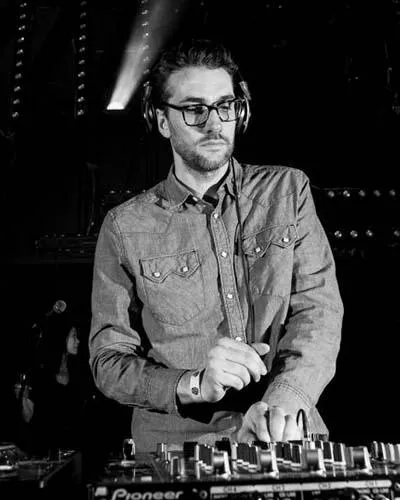
DJ Deep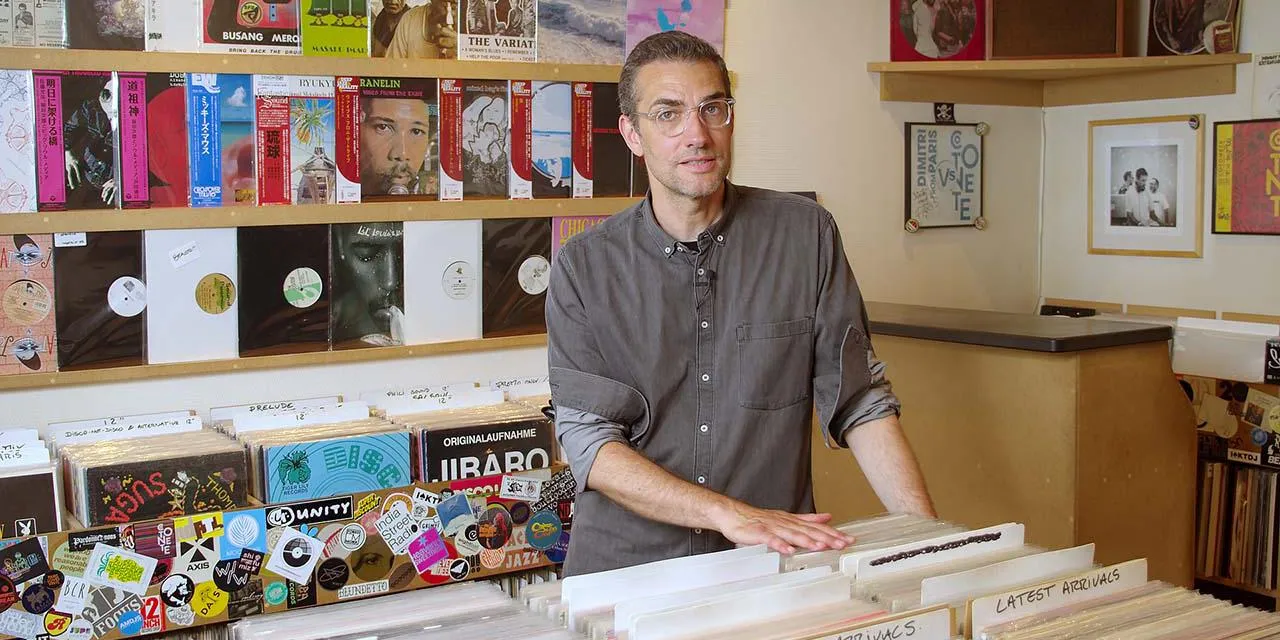
Qué incluye el curso
21 lecciones (1h 33m) · 1 gratis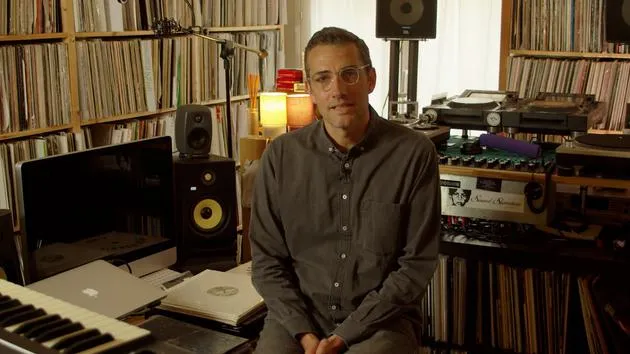
01. Bienvenido al curso
1:31
02. Inspirarse en los mentores
Lección gratis3:29
03. Las escuchas esenciales de Nueva York, Chicago y Detroit
4:26
04. Sé curioso, entiende los estilos y las máquinas
Estás aquí5:56
05. Sigue tu propio camino, define tu propio sonido
3:26
06. Mi carrera y cómo encontré mi estilo
5:59
07. Mi definición de un DJ
6:03
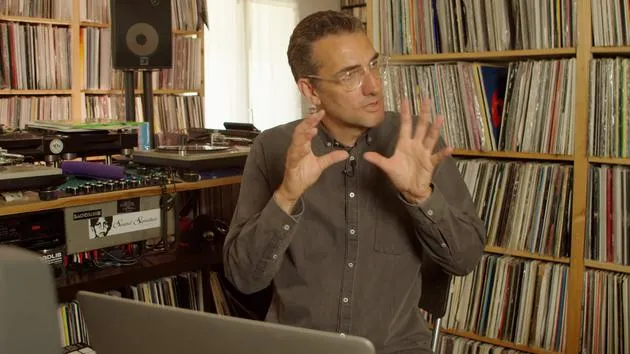
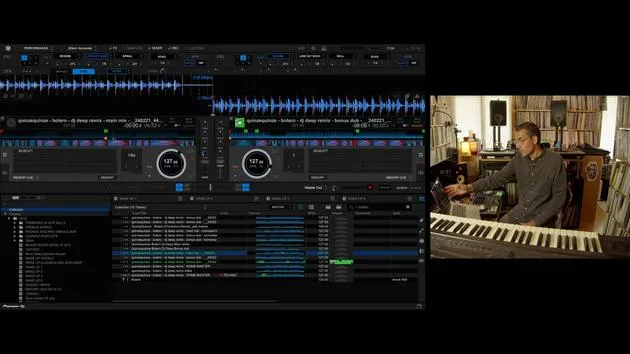
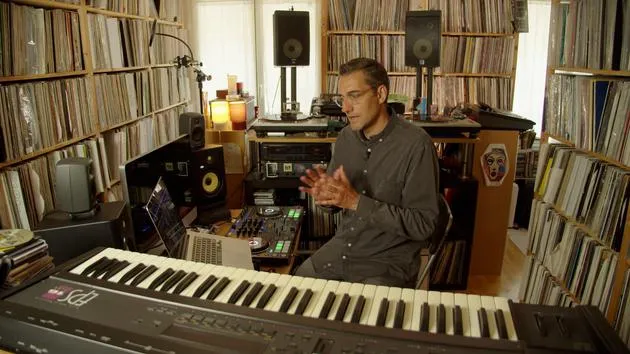
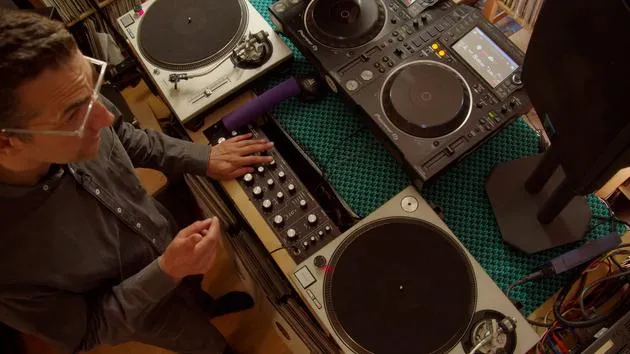
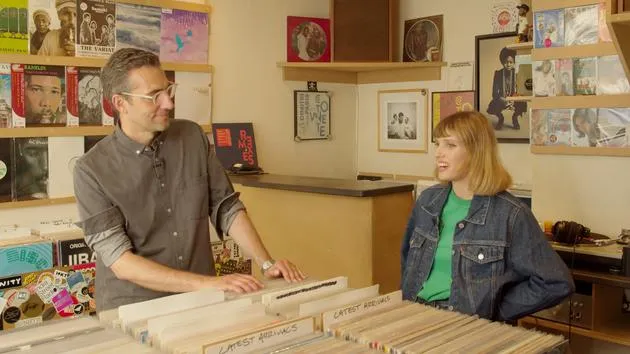
Transcripción de la lección
Tips for Younger DJs and Producers
The tips I would give to younger DJs or producers are to really be curious about the different styles. Personally, I learned from challenging myself to understand the differences between various artists and styles.
Understanding Influences
For instance, in the late 80s, if you listen to Derek May and his DJing style, it was really wild.
"The guy was like a tiger jumping from one record to the other, always creating energy and always going from one style to the other."
When I read about the history or had the chance to meet Derek and speak to other DJs, they often shared insights. For example, Derek mentioned the influence Ron Hardy had on him:
"I would drive to Chicago and hear him play. He was playing the records real fast and mixing them in a way that gave electricity to the room."
So, what I'm trying to tell you is that I learned from Derek, who learned from Ron Hardy. We're all learning from one another.
The Importance of Studying
However, it's not only about learning; it's about studying. There is:
- What the artist gives you
- What you go and get
It may sound obvious, but it's a good tip. For instance, if you look through records in New York, consider how the Barel On New Groove produced music. Ask yourself:
- How did it sound?
- Why was it jazz-infused?
They also created tracks that have a very Chicago or electronic influence. It's interesting to always be curious.
"There is this big flavor this artist is doing, but he's also doing this. Why?"
That's the best tip I could give to someone wanting to discover music: go to the end of it and understand why it sounds the way it does.
Explore Online Resources
To listen to older mixes or those from DJs who have passed away, you can explore amazing resources like Mixes DB, which is a huge catalog of DJ mixes.
There are many websites where you can navigate these mixes. But you really have to dig deep to understand the differences.
Studying Production Techniques
When it comes to producing, I've been studying records from artists like Totteri and Masters at Work from New York, as well as Chicago artists like Armando and Tyree Cooper.
"The more you study, the more you understand how the artists work."
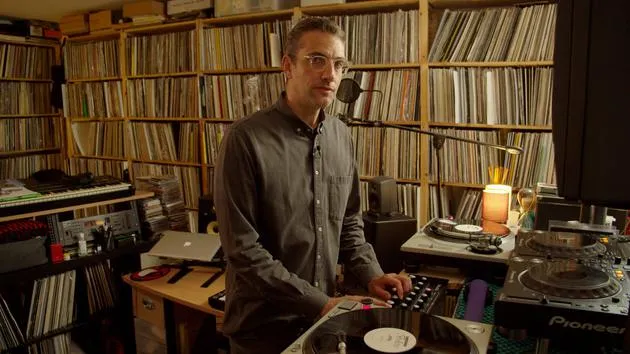
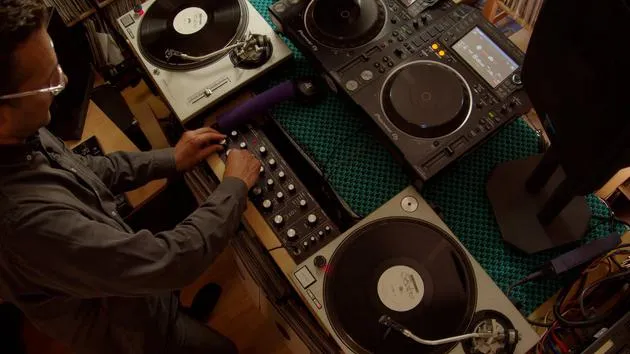
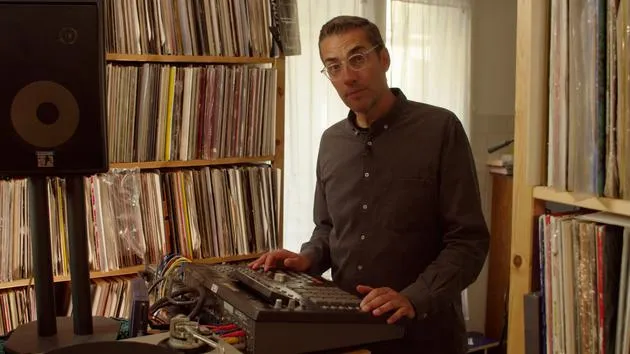
For example, with Masters at Work and Totteri, they used drum machine samplers such as the MPC 3000 or SP1200. Those machines had a specific sound and groove that shaped their music.
- Armando or Mike Dunn were using 909 or 808 drum machines with TB303, which created the sounds they loved.
The more you understand the techniques, the more it helps you focus on the music and its classification.
Vintage Equipment Insights
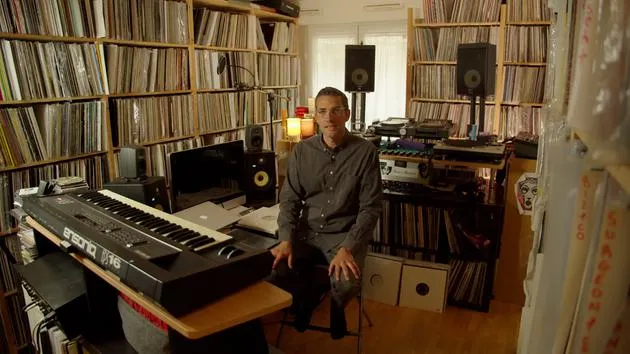
To illustrate, I realized that Derek May or even Carl Craig initially used older samplers, like:
- Ensoniq Mirage sampler
This sampler had a very specific grain and texture that gave their music its charm.
Mentorship through Observation
What I'm saying is similar to having mentors or virtual mentors as teachers. You might say:
"Okay, I'm in love with the way Little Wee Vega mixes. I'm going to learn as much as I can from watching him, listening to him, and understanding the equipment he uses and why."
The same applies to producing. All producers know that:
"The more you know about the instruments that people use, the better you can analyze their music and understand why it moves you in a particular way."
Conclusion
This was a quick summary of how you can learn by researching artists and DJs to gain insights into their influences and equipment.
Of course, online, there are countless resources that outline what sounds or machines help shape music styles in various cities. Every producer or music fan can tell you how significant certain machines were.
For instance, Totteri is a prime example. The early Totteri productions heavily featured the MPC SP1200, a legendary drum machine also prevalent in hip-hop.
This machine had such grain and character that it made his music truly stand out.
In my opinion, the genius works both ways:
"The machine is amazing, the producer is amazing. Combined together, it's magic."
21 lecciones
1h 33m de lecciones en vídeo estructuradas
Funciones de vídeo avanzadas
Ralentiza, repite un pasaje, sigue la partitura
Móvil, tablet y ordenador
Practica donde quieras
Garantía de satisfacción 100%
30 días de garantía de devolución
Conoce a tu gurú
Conoce a tu gurú
DJ Deep es un productor y DJ francés de house y techno, y el hombre detrás del sello Deeply Rooted (antes Deeply Rooted House). A lo largo de más de 20 años ha sido uno de los grandes curadores de la música de baile, y ese oído para lo que hace que un disco funcione de verdad es exactamente lo que lo convierte en un guía del que merece la pena aprender.
'Veo mi trabajo como el de ser un gran filtro', dice, restándole más bien importancia al papel que este francés ha tenido en el desarrollo de la música house. 'Como yonqui del vinilo, estoy en las tiendas de discos buscando temazos casi cada día. Compartir lo que considero los mejores discos del momento o los clásicos personales más atemporales es algo que me ha motivado a lo largo de los años.'
Cyril Etienne emergió de la escena parisina para causar un verdadero impacto en el escenario mundial. Empezó pinchando para Laurent Garnier en fiestas como Oz y Zoo en el club Palace, luego se convirtió en habitual del Rex Club y estableció su singular sentido del gusto con sus programas 'A Deep Groove' en la emisora pirata Radio FG y más tarde en Radio Nova. Rápidamente pasó a pinchar por todo el mundo, llevando siempre consigo un sentido de la historia nutrido por su amor por Chicago, Nueva York y Detroit. Difuminando las líneas entre house y techno, también une los puntos entre cortes clásicos y contemporáneos con su propio sentido de la narración, no solo como DJ y productor, sino también como jefe de sello y curador de fiestas.
Desde 2003 dirige su propio sello con visión de futuro, Deeply Rooted, sinónimo de house y techno con clase y fiel a sus raíces, de artistas nuevos y ya consagrados como Kerri Chandler, Ben Klock, Francois X, Ben Sims y Roman Poncet, así como la estrella francesa emergente y habitual de Concrete Paris Marina Trench. Su propia serie Raw Cuts tiende un puente entre la emoción sentida del house y el impacto directo del techno. Más allá de su propio sello, ha publicado en Rekids, Kaoz Theory y Tresor, y como remezclador ha reelaborado a artistas como Carl Craig, St Germain, DJ Honesty, Scan 7, Borderland (Juan Atkins) y Point G, aportando siempre sus atmósferas singularmente cálidas a todo lo que saca.
También hace música bajo diversos otros alias: Rebeval, con material de sonido más crudo en L.I.E.S.; Sergie Rezza, un proyecto colaborativo y sello del mismo nombre junto a Roman Poncet que explora un house y techno más experimental, teñido de ambient, tanto en formato EP como LP; Fang, para house contemporáneo; y Adventice, para un techno enérgico y de raíces clásicas, con lanzamientos en Tresor y directos en lugares como Berlin Atonal.
Su faceta más ecléctica aflora en sus programas de radio Open Library en Worldwide FM: ventanas de dos horas de jazz, soul, dub, funk y ambient que constituyen bandas sonoras muy especiales e inmersivas. Sea lo que sea lo que pinche o produzca, DJ Deep siempre tiene algo que merece la pena escuchar. En Find Your Own Path in House & Techno, comparte cómo selecciona, ordena y da forma a los temas para que, en lugar de perseguir tendencias, puedas construir un sonido y un gusto que sean inconfundiblemente tuyos.







