



Hooks y partes - conceptos

Con
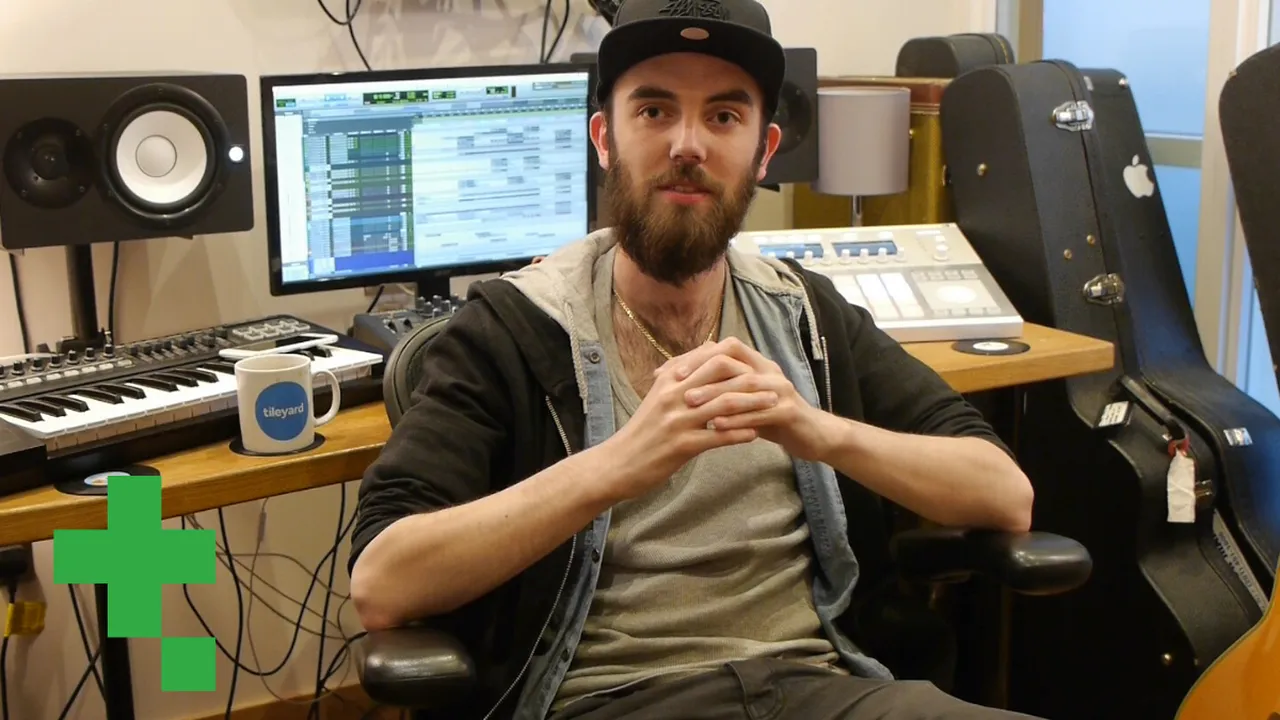
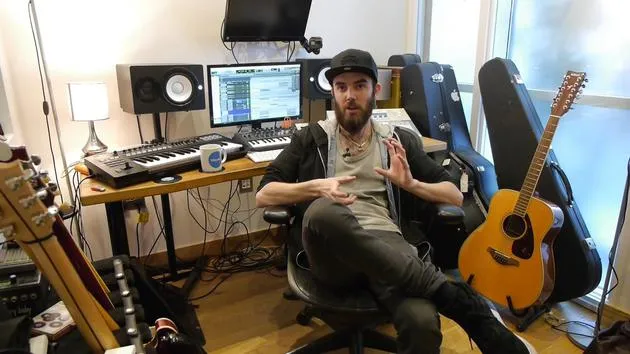
Paul WhalleyPaul Whalley desglosa los hooks más allá de la línea vocal, y por qué cada sección debería tener al menos tres a los que el oyente pueda engancharse: melódico, percusivo y sonoro.
Qué incluye el curso
26 lecciones (1h 43m) · 1 gratis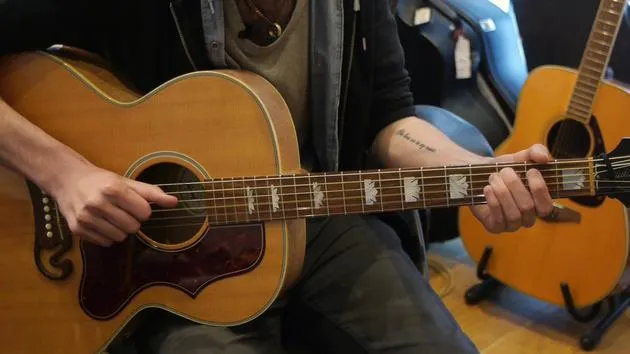
01. Parte de guitarra - conceptos
1:37
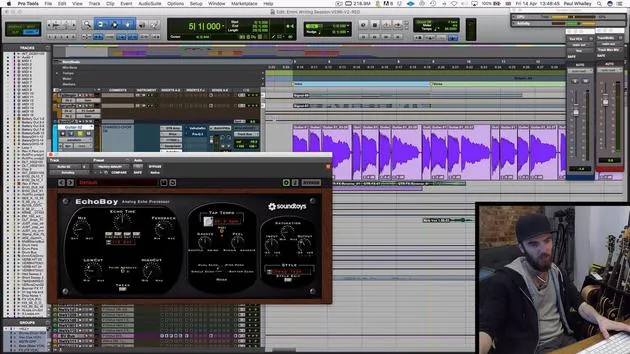
02. Parte de guitarra
4:58
03. Voces - conceptos
1:22

04. TAREA: Recrea la producción de la guitarra
0:37
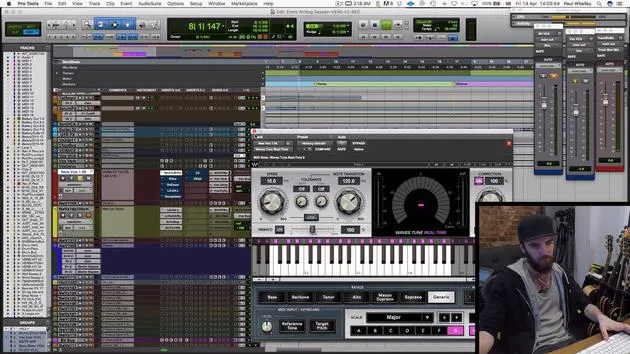
05. Voces
9:42
06. DESAFÍO #1: CONSTRUYE EL ARREGLO VOCAL Y EL HOOK
0:45
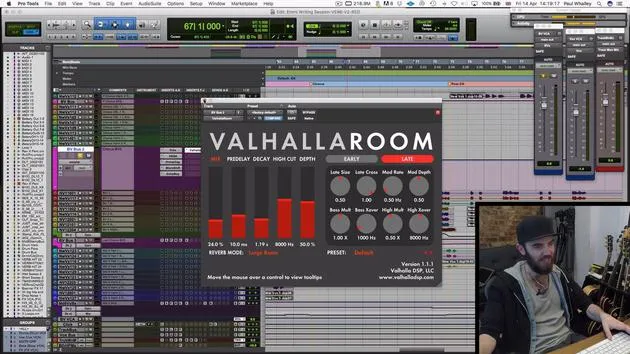
07. Coros
4:07
08. Teclados y sintetizadores - conceptos
0:54
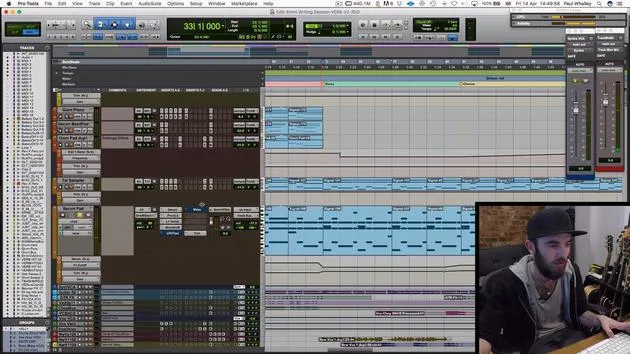
09. Teclados y sintetizadores
9:38
10. Bajo - conceptos
1:01
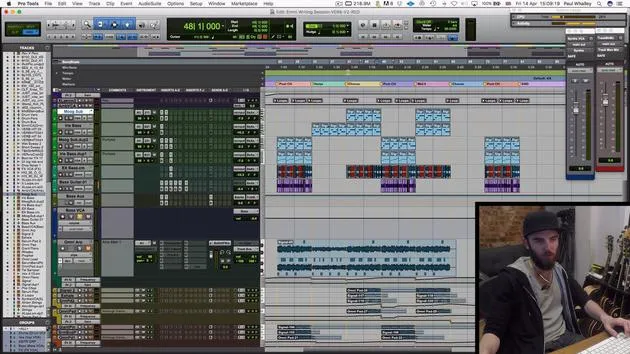
11. Bajo
5:24
12. Batería - conceptos
0:58
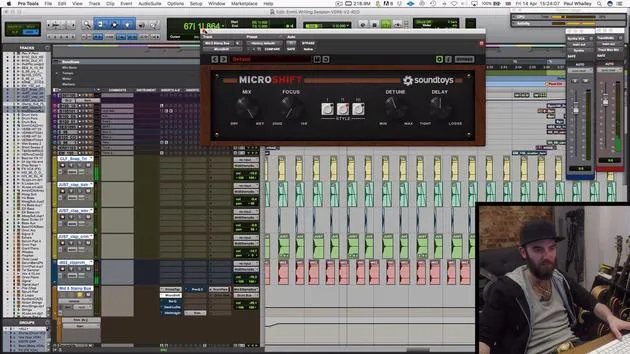
13. Batería
9:49

14. TAREA: Recrea la producción de la batería
0:32
15. Efectos y partes atmosféricas - conceptos
1:09
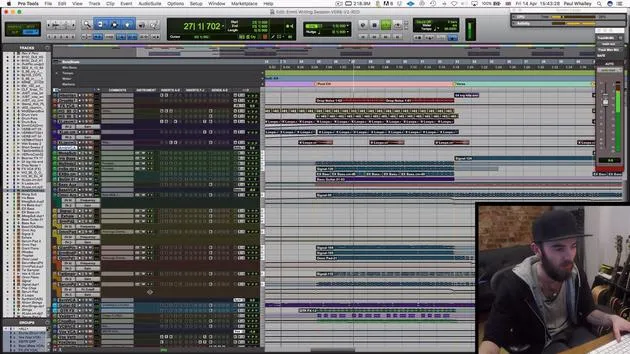
16. Efectos y partes atmosféricas
5:53
Transcripción de la lección
Introduction to Hooks in Instrumentals
Hi guys,
Welcome to the first part of this course. In this session, we're going to break down the idea of hooks within your instrumentals and productions.
The Role of Hooks
Now, let's clarify, this is about taking away the vocals of your track because those are obviously the kings of your whole song and should always be the major hook.
My Philosophy on Hooks
For a long time now, I've believed that your production should have at least three distinct hooks in each section that you can remember. These can include:
- Melodic parts
- Percussive elements
- Distinct sounds and sonics
These hooks are incredibly useful because you can reference them in all sections to help glue the whole thing together.
Historical Context
This concept has been tried and tested since back in the 60s and 70s. I personally discovered it while watching an ABBA documentary about six years ago. Since I started applying this method, it has consistently worked for me.
Benefits of Using Hooks
When you present your tracks to A&R guys, artists, or even just play them for your friends, they sound:
- A lot more thought out
- Very polished and finished
Using hooks helps everything glue together very concisely.
Practical Example
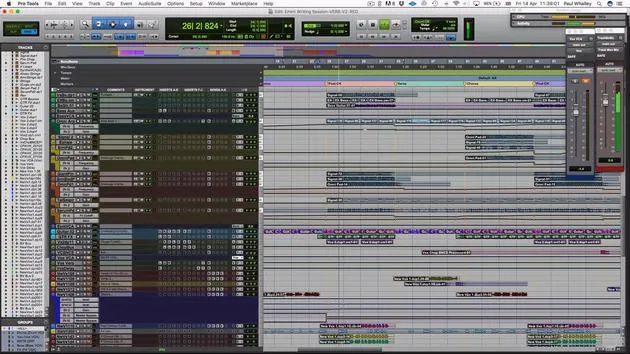
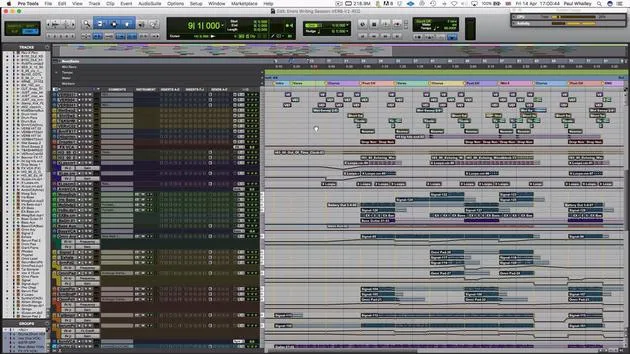
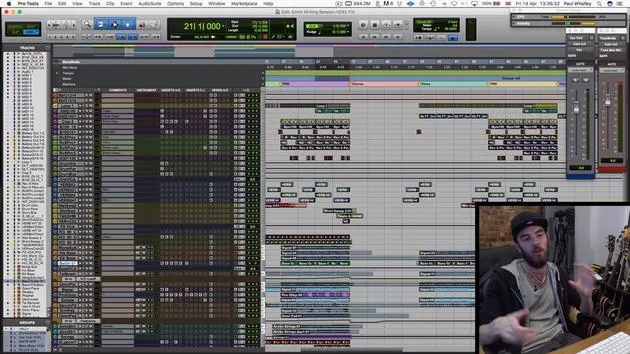
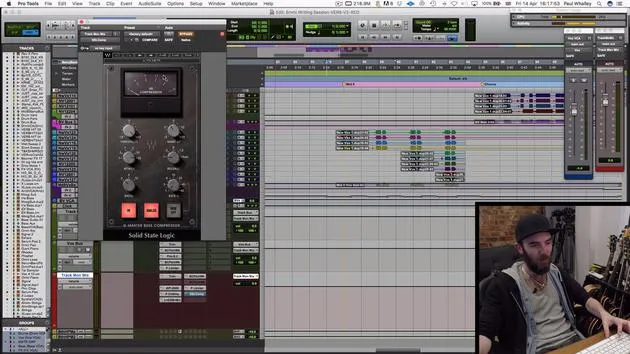
In this section, I'm going to take apart a song that I have and show you the distinct hooks within it, along with the parts that complement and enhance those hooks. This will help glue your track together effectively.
Stay tuned!
26 lecciones
1h 43m de lecciones en vídeo estructuradas
Funciones de vídeo avanzadas
Ralentiza, repite un pasaje, sigue la partitura
Móvil, tablet y ordenador
Practica donde quieras
Garantía de satisfacción 100%
30 días de garantía de devolución
Conoce a tu gurú
Conoce a tu gurú
Paul Whalley es multiinstrumentista, productor y compositor con un sonido deliberadamente amplio. Pasó años de gira como músico de sesión con artistas como Mumford & Sons y Ellie Goulding. Con formación clásica, tiene un grado universitario en interpretación instrumental y un Máster en composición por la Guildhall School of Music. Desde que pasó de las giras a la producción y la composición ha trabajado con artistas como NAO, Wretch 32 y Nina Nesbitt, y ha tocado en discos que han entrado en el top 40 de todo el mundo, incluido 'Shout Out to My Ex' de Little Mix. Tiene su base en los Tileyard Studios, al norte de Londres, donde escribe y produce para grandes sellos del Reino Unido y desarrolla a nuevos artistas. En MusicGurus, él y Emmi Green descomponen un disco de pop desde cero —cada decisión de arreglo y producción al descubierto— para compositores y productores que quieran escuchar cómo se construyen realmente los éxitos.







