



Coros

Con
Paul WhalleyPaul Whalley muestra cómo superpone y funde ocho o más tomas de coros usando canales auxiliares y EQ para construir un sonido de coro gospel.
Qué incluye el curso
26 lecciones (1h 43m) · 1 gratis
01. Parte de guitarra - conceptos
1:37
02. Parte de guitarra
4:58
03. Voces - conceptos
1:22
04. TAREA: Recrea la producción de la guitarra
0:37
05. Voces
9:42
06. DESAFÍO #1: CONSTRUYE EL ARREGLO VOCAL Y EL HOOK
0:45
07. Coros
Estás aquí4:07
08. Teclados y sintetizadores - conceptos
0:54
09. Teclados y sintetizadores
9:38
10. Bajo - conceptos
1:01
11. Bajo
5:24
12. Batería - conceptos
0:58
13. Batería
9:49
14. TAREA: Recrea la producción de la batería
0:32
15. Efectos y partes atmosféricas - conceptos
1:09
16. Efectos y partes atmosféricas
5:53
Transcripción de la lección
Backing Vocals Lesson
So, guys, next up, we're gonna have a quick look at the backing vocals here.
Overview
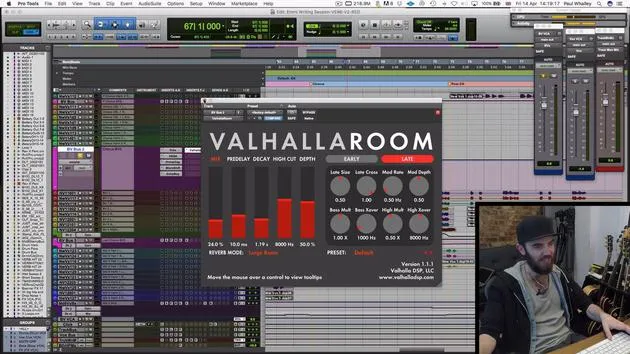
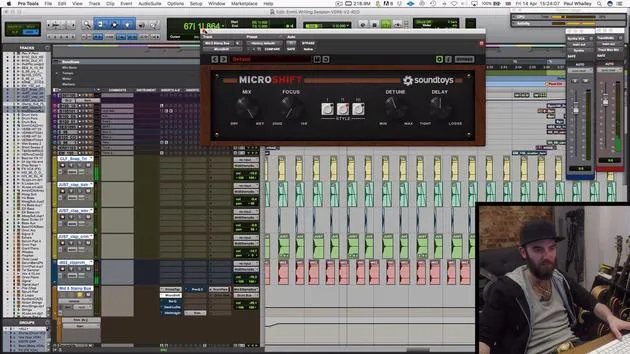
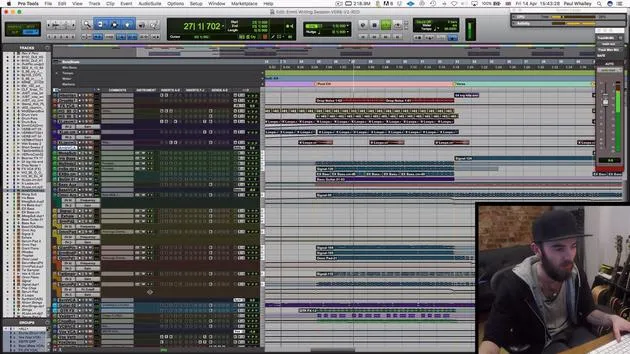
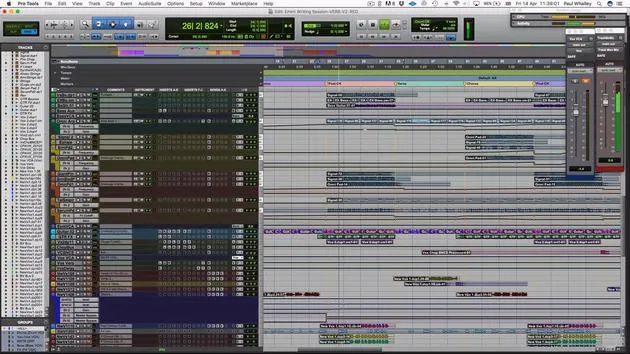
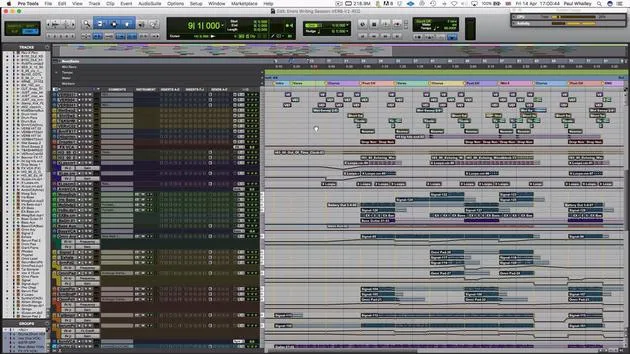
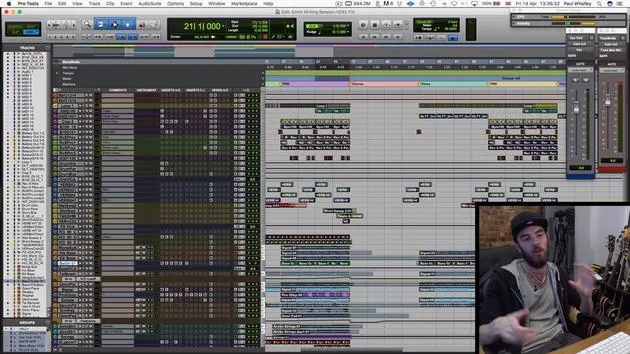
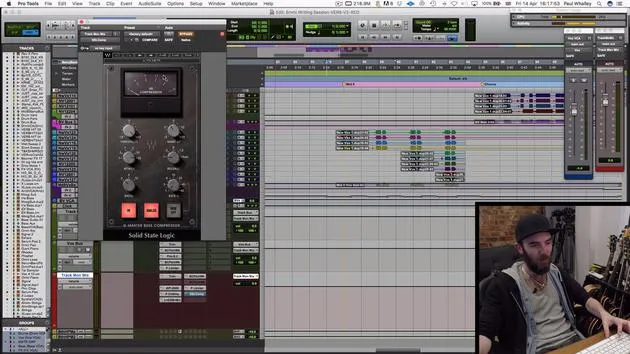
As you can see, on each channel, I'm using the same strip as I did on the lead vocal to treat each layer. However, we are combining eight or more layers into each section. Here's how I approach it:
- I take the various groups and put them together through an auxiliary channel.
- These all together sound like this.
You can hear that we're going for quite a sort of gospel choir sound. The key with backing vocals is the way you glue those all together.
Processing Steps
Equalization
What happens to glue those together?
- I take the processing off, and it suddenly sounds a bit mushy, a bit swamped, nothing special.
- To address this, I focus on equalization:
- I take out the muddy low ends.
- I boost the highs.
This needs to sit just above the lead vocal.
Digital Delay
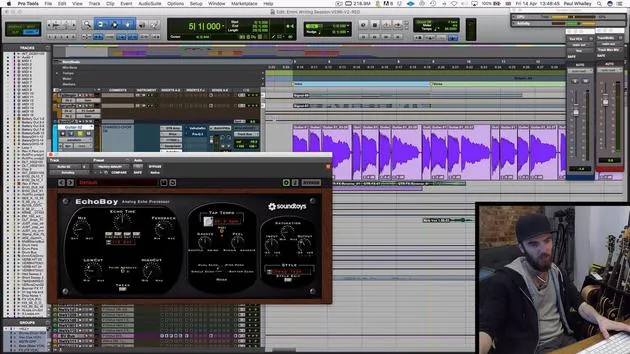
To really make it sound like a gospel choir, I'm using a digital delay or a plugin that emulates digital delay on a very short feedback loop:
- Settings: 49 milliseconds and 67 milliseconds.
- This creates those little double sounds that come out:
"Who to trust can't be trusting you."
This is a great way to minimize recording effort, just four or five really tight vocals can end up sounding like a whole choir.
Stereo Imaging
Next, I'm using a stereo imager from Sound Toys, but you can use any stereo imager available in your software. This helps again to make it sound bigger and more like a choir:
"Who to trust can't be trusting you."
If you're listening on headphones, you'll notice that the vocals suddenly sound a lot wider and bigger.
Adding Delay and Reverb
Then next up, just like we did on the lead vocal, we're adding a bit of delay on the send itself:
"Who to trust can't be trusting you."
This time, it's without the sidechain, which helps beef things up and make it sound like more people. After this:
- I add a reverb right at the end to make it sound like it's in a space.
- I've set it to "large room," which is quite literally what I wanted it to sound like.
Conclusion
You glue all of these together with the other backing vocals. Each group has the same treatment, and it really helps to stick everything together.
It's very important to find the right balance between your lead and backing vocals, as this can make the difference between a polished-sounding record or something that seems like it was done anywhere, like in a bedroom.
If you follow these steps and take your time with the sonics of the vocals, it helps any listener really get hooked quickly, making it a real earworm.
26 lecciones
1h 43m de lecciones en vídeo estructuradas
Funciones de vídeo avanzadas
Ralentiza, repite un pasaje, sigue la partitura
Móvil, tablet y ordenador
Practica donde quieras
Garantía de satisfacción 100%
30 días de garantía de devolución
Conoce a tu gurú
Conoce a tu gurú
Paul Whalley es multiinstrumentista, productor y compositor con un sonido deliberadamente amplio. Pasó años de gira como músico de sesión con artistas como Mumford & Sons y Ellie Goulding. Con formación clásica, tiene un grado universitario en interpretación instrumental y un Máster en composición por la Guildhall School of Music. Desde que pasó de las giras a la producción y la composición ha trabajado con artistas como NAO, Wretch 32 y Nina Nesbitt, y ha tocado en discos que han entrado en el top 40 de todo el mundo, incluido 'Shout Out to My Ex' de Little Mix. Tiene su base en los Tileyard Studios, al norte de Londres, donde escribe y produce para grandes sellos del Reino Unido y desarrolla a nuevos artistas. En MusicGurus, él y Emmi Green descomponen un disco de pop desde cero —cada decisión de arreglo y producción al descubierto— para compositores y productores que quieran escuchar cómo se construyen realmente los éxitos.







