



¿Qué hace bueno a un organista de Hammond?
Lesson time: (1min 58sec)
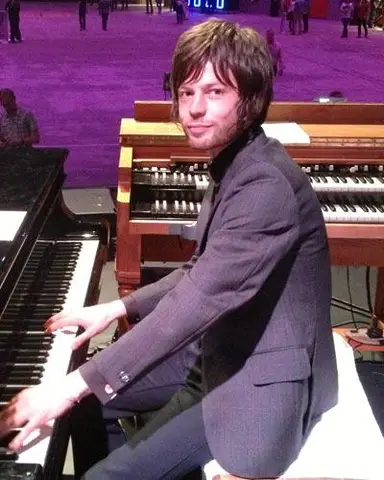
Joe Glossop explica que un gran toque de Hammond empieza por entender en qué se diferencia el papel del órgano del piano o los teclados, en lugar de recrear lo que ya sabes.
Course preview
This lesson is part of the course Lenguaje auténtico del Hammond para rock y R&B
Watch a preview of the full course below.
Lesson transcript:
Understanding the Hammond Organ
I think what makes a good Hammond player is a fundamental understanding of the difference between keyboard instruments and a Hammond organ.
The Unique Role of a Hammond Player
It's the approach that differs your role in any outfit or context. Your contributions are quite different.
- Chorus vs. Pad:
- You can't lift a chorus with a pad on a piano.
- You just can't add the same things.
You've got to take on a different role and understand that role, rather than trying to recreate what you might already know on a piano or a keyboard.
A Fundamental Understanding
I believe it's that fundamental understanding that is essential.
- Not everyone should learn to play the Hammond organ.
- People who truly love it should pursue it.
- Hopefully, they'll gain the tools to really understand the instrument.
This understanding allows players to get the best out of the Hammond and utilize all the amazing sounds it can produce. I think people sometimes don't make the most of it when they lack this fundamental understanding.
The Inspiration Behind My Selections
All the tunes I've chosen, I selected because I love them. I have probably loved them for a long time.
- Inspiration:
- They are fundamental things that made me want to play.
- They continue to motivate me to play full-time.
This music is very much from the late 50s to the early 70s. The Hammond, really, can be traced back to Jimmy Smith, who is the obvious figure that popularized it in jazz before rock existed in the mid-50s.
Other influential artists include Bill Doggett and others before him.
The Evolution of Music
To summarize, I believe this music very much represents the style from the mid to late 50s until the early 70s. After that, synthesizers took over, and the Hammond organ gradually fell out of popularity.
About the instructor
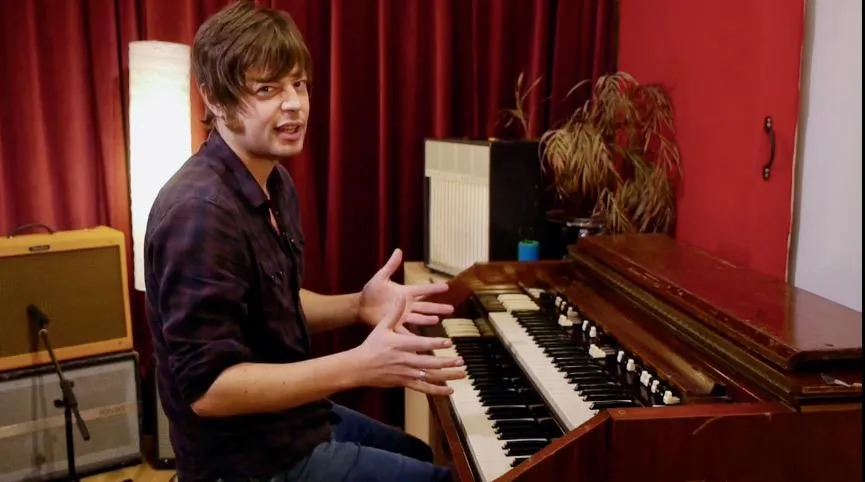
Joe Glossop es un teclista de Sheffield que se ha hecho un nombre con el órgano Hammond. Actualmente ocupa el puesto de órgano en la banda de gira de Tom Jones, y ha tocado con Van Morrison y James Hunter, además de al piano y al Rhodes. Sus cursos consiguen sacar el auténtico sonido Hammond de cualquier teclado: el registro de drawbars, el Leslie, el bajo caminante de la mano izquierda y el vocabulario de acompañamiento y solos de las tradiciones del órgano soul-jazz, blues y rock, de Jimmy Smith a Booker T. read more