Spencer Davis Group - On the green light (interpretación y análisis)

Con
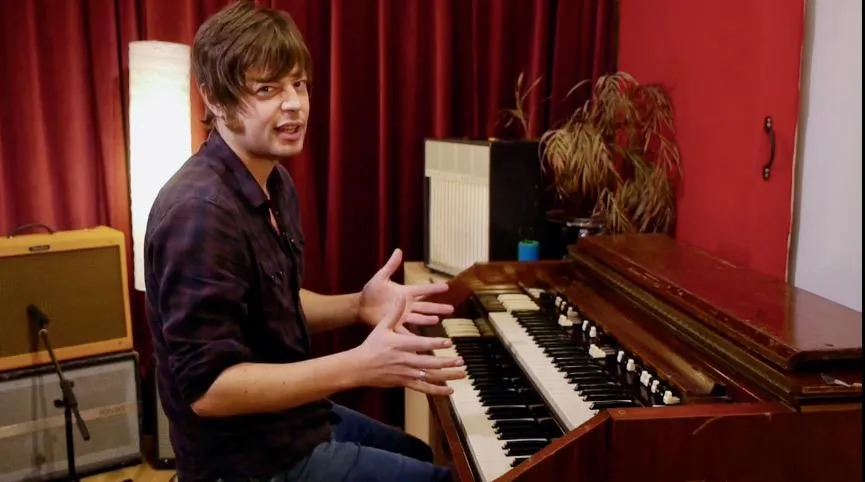
Joe GlossopJoe Glossop interpreta y analiza 'On the Green Light' del Spencer Davis Group al órgano Hammond, un blues menor de 16 compases construido en torno a una melodía de mano derecha de una sola nota sobre la escala de blues.
Qué incluye el curso
21 lecciones (1h 25m) · 1 gratis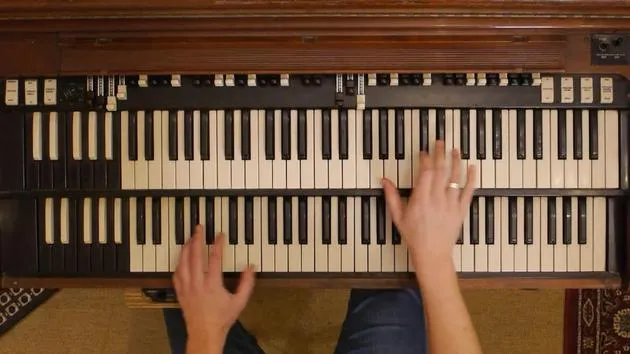
01. The Small Faces - Tin Soldier (interpretación)
1:16
02. The Small Faces - Tin Soldier (análisis)
7:03
03. Deep Purple (John Lord) - Smoke On The Water (interpretación)
1:02
04. Deep Purple (John Lord) - Smoke On The Water (análisis)
8:38
05. Allman Brothers - Whipping Post (interpretación)
1:23
06. Allman Brothers - Whipping Post (análisis)
8:39
Transcripción de la lección
Music Lesson: Exploring "On the Green Light" by Spencer Davies Group
Introduction
So, I thought we'd start with a Spencer Davies Group song called "On the Green Light." This is Steve Wynwood at his finest when he was a very bright young 18-year-old lad from Birmingham, absolutely killing it on the organ.
Melody and Improvisation
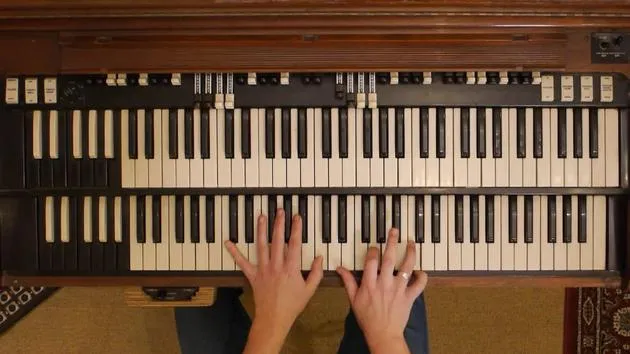
This piece mainly features a single-note melody with some improvisation. A lot of people coming from a background of piano keys struggle with the idea that you don't always need to be doing something with your left hand.
Left Hand Technique
- The left hand can:
- Change settings
- Aid in your playing rather than always being active
For this lesson, we will mainly use the left hand for a sparing amount of percussive comping, while the focus will be on the right hand melody. A lot of it consists of blues scale stuff.
Structure of the Piece
This is a 16-bar minor blues. I'll play up until the end of the middle eight where we will do some comping. The middle eight is sort of the guitar solo, and during this, we will focus more on chordal comping.
Improvisation Demonstration
I'll play something like this:
- So, that's the kind of improvisation Wynwood is doing, mainly using minor pentatonic scales.
- The notes are very simple, but his phrasing and tone are very cool.
Tone and Techniques
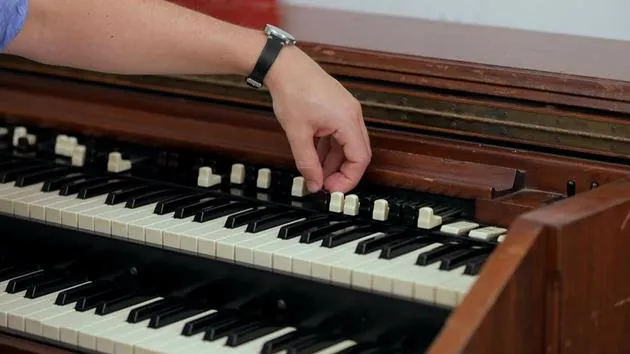
Many of you might know the basic tone prevalent in jazz and R&B. The settings for those initial four drawbars are:
- Drawbar 3
- Some degree of drawbar 4 (the 4-foot drawbar)
Wynwood uses a sound that isn't often employed as a lead tone, which I find quite interesting. There's no vibrato on it, which allows the Leslie effect to come through really well.
Here's an example lick:
(Play Lick)
You can really get a sense of that movement. It has more depth than when the riders are active.
Comping Techniques
Mid Comping
During the mid-comping section, I'm adding in some stuff that isn't actually on the record, but it's a great opportunity to practice some of those techniques.
Chord Progression
The crux of the piece contains:
- A minor
- D minor
- E7, sharp nine
We start off fast, joining the guitar solo.
Manual Settings
On the bottom manual, we've got:
- Only this drum (number eight), with the eighth-foot setting pulled out most of the way.
- I'm using fast speed settings, and I might add some vibrato as well to enhance the sound:
- This gives it a little more bite
- A little more top end
- A bit more compression
Chord Details
The chords are very straightforward:
- A minor
- D minor
- Falling down from E flat (which is a semitone drop)
These details are often puzzling when you hear them on a record. When you hear McGriff or Booker T. doing things like these, you think, "What is that?" It's not just a note; it's like an effect.
If you took the first course, we covered some of this, and you might have a better understanding.
Technique and Expression
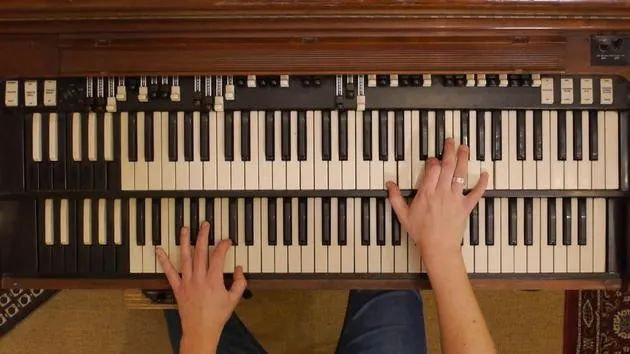
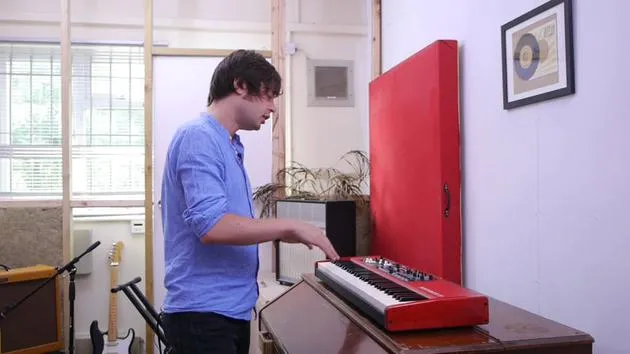
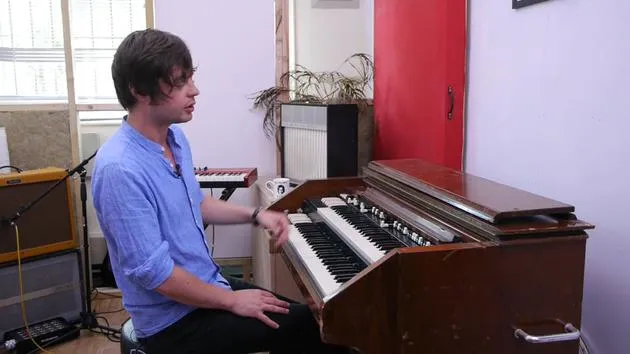
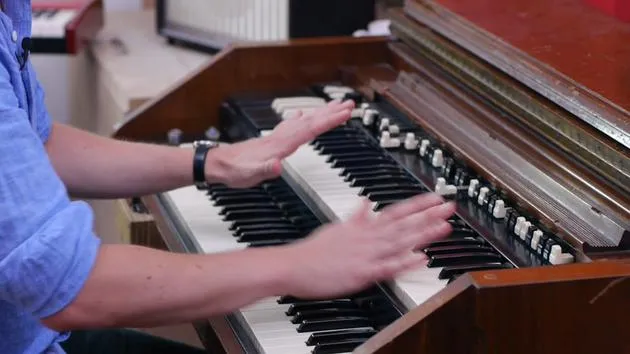
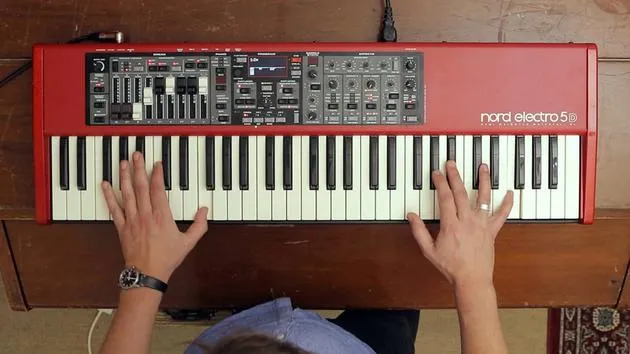
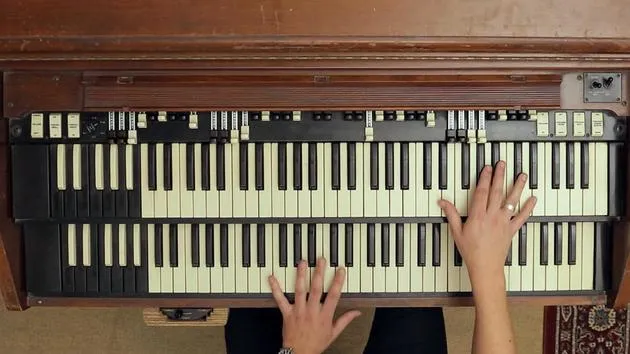
I'm going to take my ring off because you often end up smacking the keys with it. Instead, use an open palm technique, which you might be able to see from the overhead view.
Expression Pedal Use
- I'm really pressing down on the expression pedal to create more compression as I reach the D.
- In the main verse, there's a variation where a flip of the Leslie occurs before that lick.
Altered Notes
You can add a flat 6 or flat 13 (the C note) for variation.
Conclusion
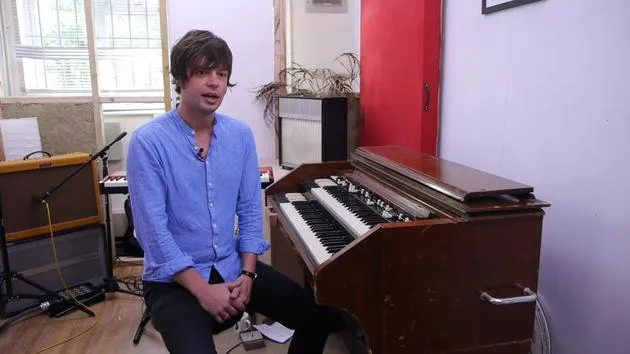
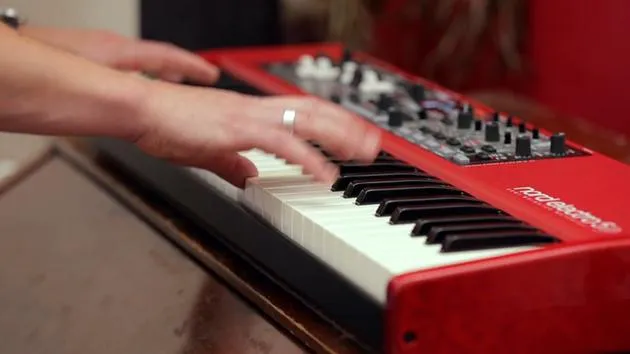
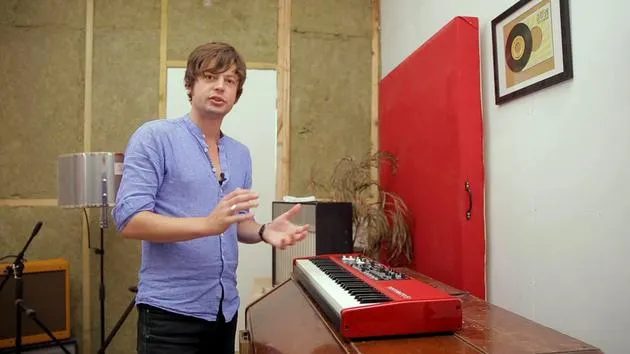
So, that's basically the piece! I want to show you on the Nord how we can get close to the sounds, especially the percussive part in the guitar solo.
21 lecciones
1h 25m de lecciones en vídeo estructuradas
Funciones de vídeo avanzadas
Ralentiza, repite un pasaje, sigue la partitura
Móvil, tablet y ordenador
Practica donde quieras
Garantía de satisfacción 100%
30 días de garantía de devolución
Conoce a tu gurú
Conoce a tu gurú
Joe Glossop es un teclista de Sheffield que se ha hecho un nombre con el órgano Hammond. Actualmente ocupa el puesto de órgano en la banda de gira de Tom Jones, y ha tocado con Van Morrison y James Hunter, además de al piano y al Rhodes. Sus cursos consiguen sacar el auténtico sonido Hammond de cualquier teclado: el registro de drawbars, el Leslie, el bajo caminante de la mano izquierda y el vocabulario de acompañamiento y solos de las tradiciones del órgano soul-jazz, blues y rock, de Jimmy Smith a Booker T.