



Demonstration von fortgeschrittenem Blues
Eine Demonstration von Improvisation über eine fortgeschrittene Blues-Form, die die Blues-Tonleiter, Akkordtöne und chromatische Durchgangsnoten kombiniert.

Das steckt im Kurs
29 Lektionen (2h 46m) · 1 gratis
01. Hard to Handle, The Black Crowes (Performance)
3:10

02. A Song For You, Ray Charles (Performance)
Gratis-Lektion4:30
03. Theme from Schindler's List, John Williams (Interpretation)
4:00
04. Natchez Trace, Glen Partridge (Interpretation)
2:56
05. Soma, Simon Troup (Interpretation)
2:45
06. Times Square, Kit Morgan (Interpretation)
3:11




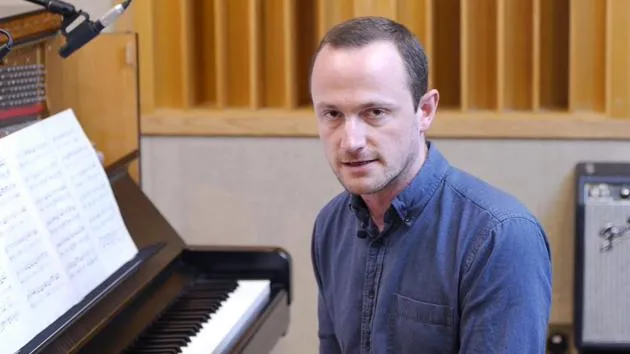

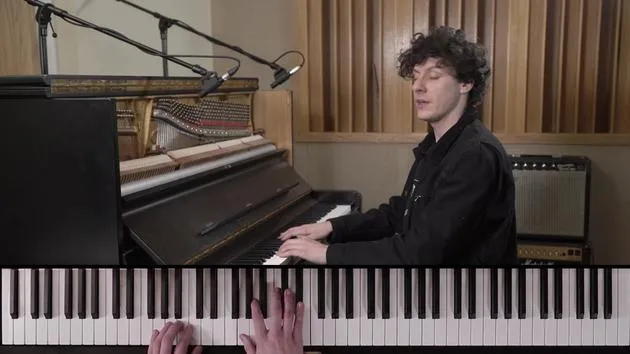
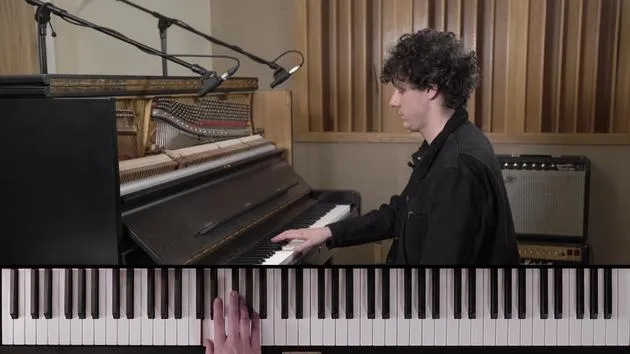
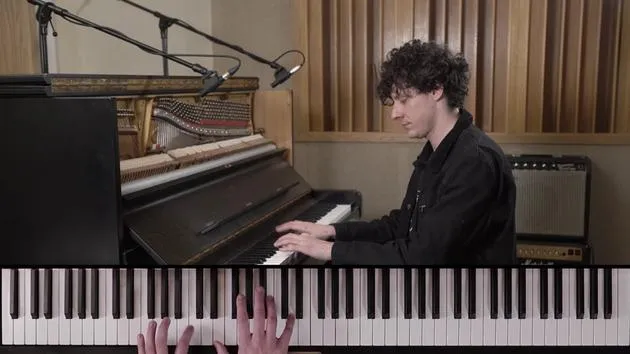
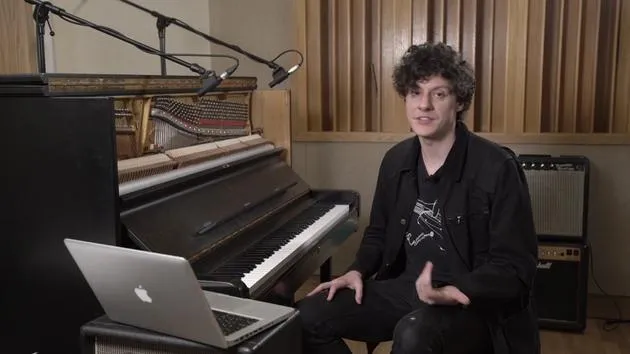
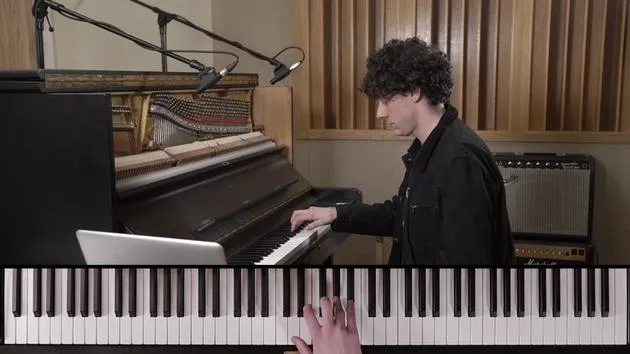

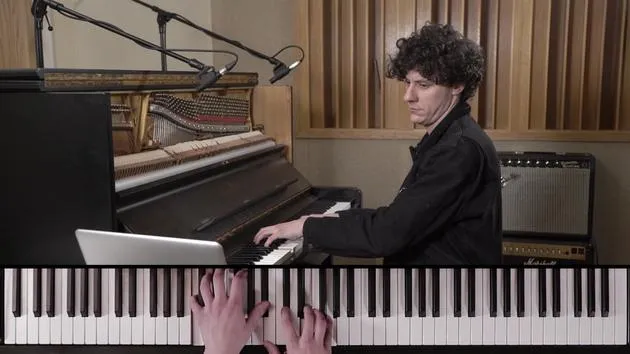

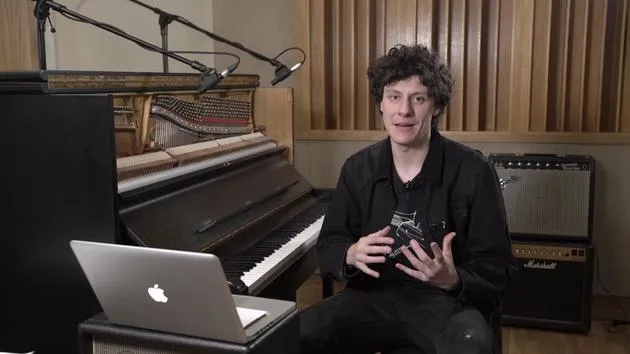
Transkript der Lektion
Improvising on Advanced Blues Form
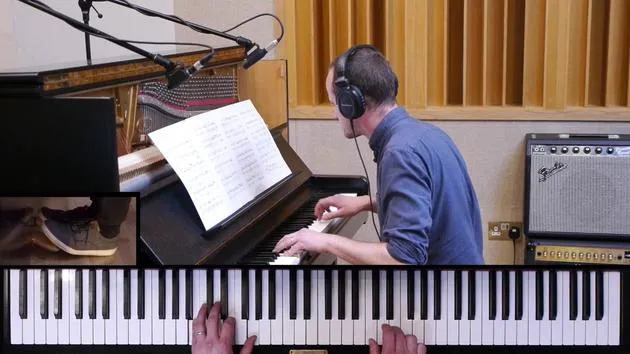
Okay, so I'm going to show you how to improvise on this more advanced blues form using the chord tones, which we have learned: 1, 2, 1, 2.
With that, you have a slightly dry solo, but it's a great way of learning the harmony that you're going to be using to play.
Creating an Interesting Solo
I'll now play a more interesting solo using a mixture of:
- The blues scale
- The chord tones
- Passing notes (or chromatic notes)
Understanding Bebop
One of the key things about bebop, an amazing form of jazz music from the mid-20th century, around the 1940s, is the influence of musicians like:
- Charlie Parker
- Miles Davis
- Dizzy Gillespie
These guys are huge, and if you're interested in playing any sort of jazz improvised music, I highly recommend checking them out.
The Roots of Blues in Music
Even if you're not into jazz particularly, consider the influence of musicians like Jimi Hendrix and Led Zeppelin. All these big rock bands drew their inspiration from the blues.
Remember: The blues became jazz, which evolved into rock. Everything comes back to this. What we're doing today is exploring slightly more advanced and interesting formats of the blues.
At the end of the day, it's all the same thing, it's all about expression and improvisation.
Incorporating Chromaticism
We'll be playing chromaticism within these solos. In bebop, you'll often encounter lines that sound like this:
So, this is basically using the F7 scale, but with a bit of chromaticism thrown in the blues scale.
It's all about making things sound a bit more interesting.
29 Lektionen
2 Std. 46 Min. strukturierte Videolektionen
Erweiterte Videofunktionen
Verlangsamen, Passagen loopen, mitlesen
Handy, Tablet & Desktop
Üben, wo du willst
100 % Zufriedenheitsgarantie
30 Tage Geld-zurück-Garantie







