



Funkometer
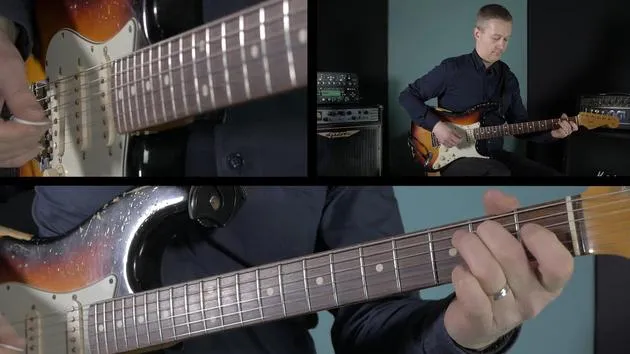
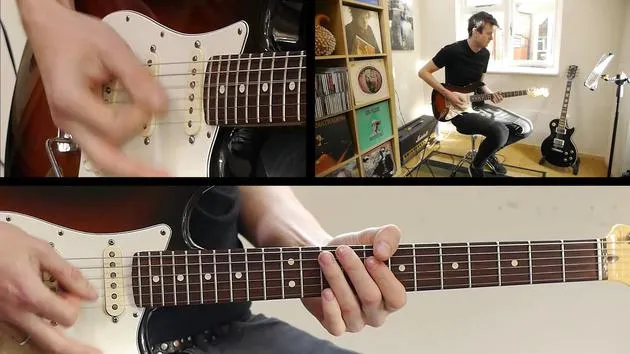
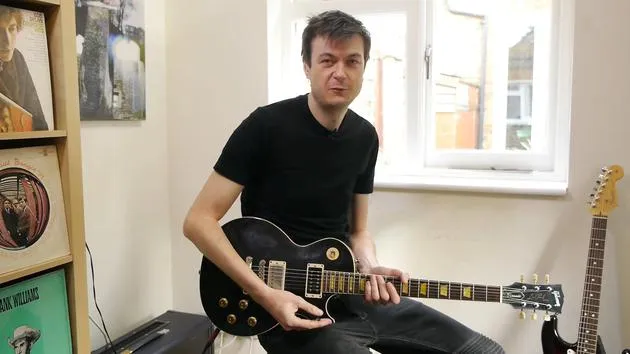
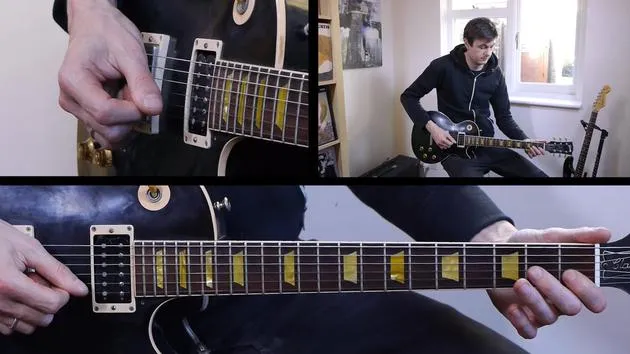
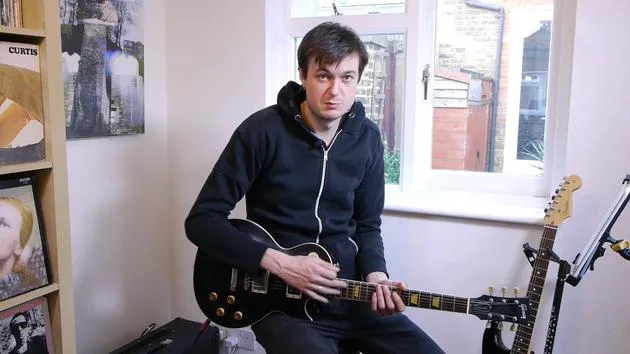
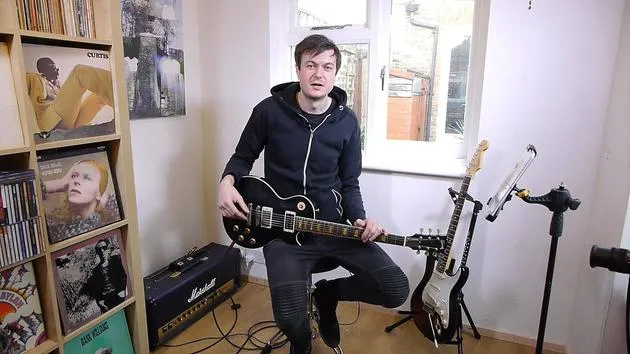
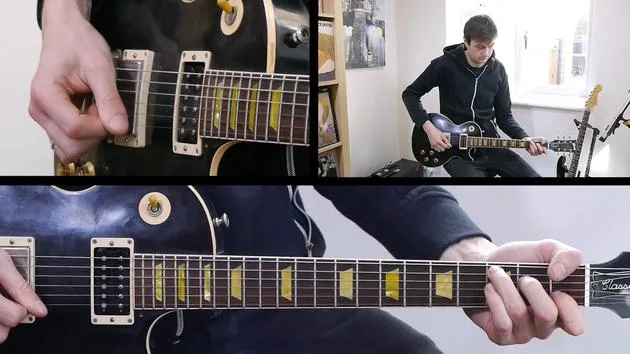
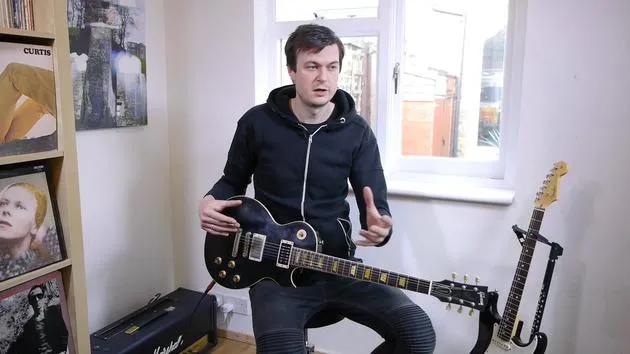
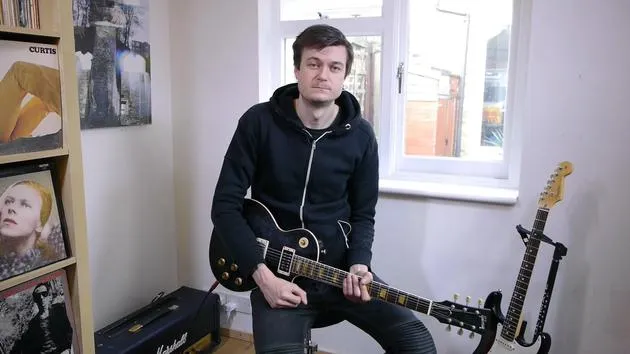
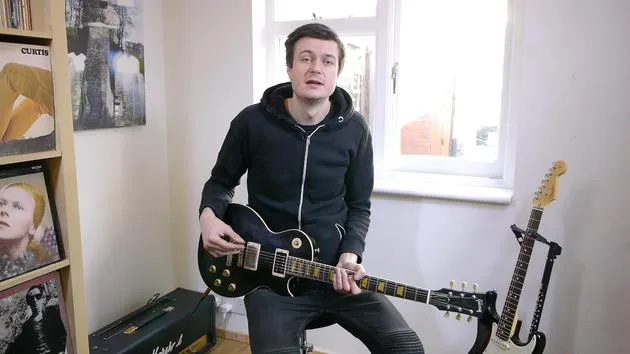
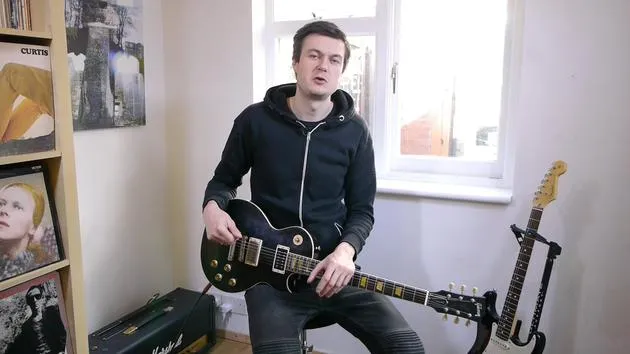
James Barratt taucht in das Grade-4-Funkstück Funkometer ein - stellt einen cleanen Strat-Sound ein und nutzt einen Kompressor, um den Groove eng und gleichmäßig zu halten.

Das steckt im Kurs
42 Lektionen (3h 27m) · 1 gratis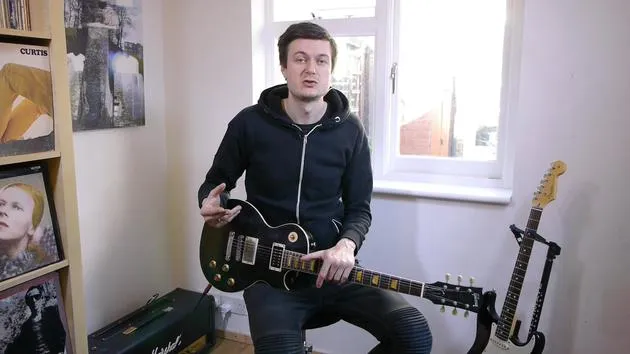

Transkript der Lektion
Funkometer Grade Four Music Lesson
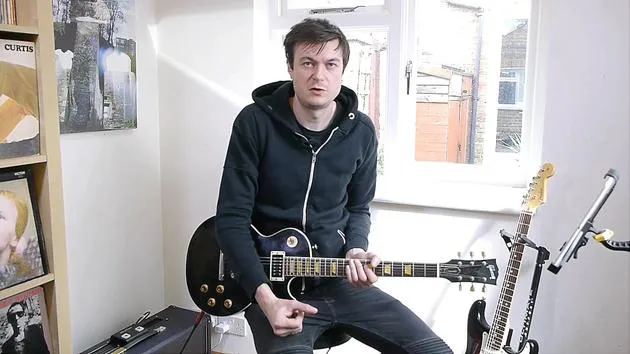
All right, then. So, Funkometer, grade four. I absolutely love this piece. It's great, great fun, really, really groovy.
Setting Up Your Sound
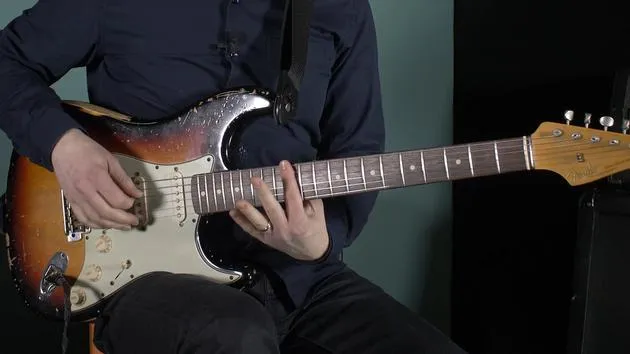
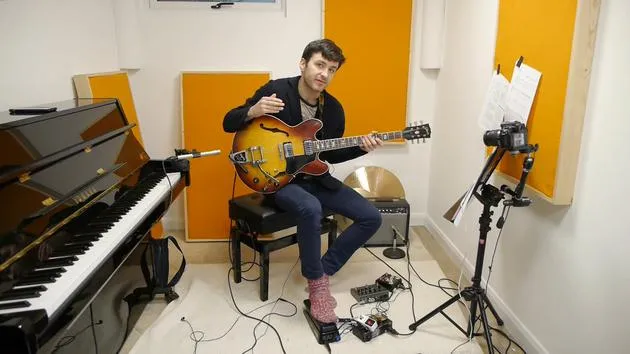
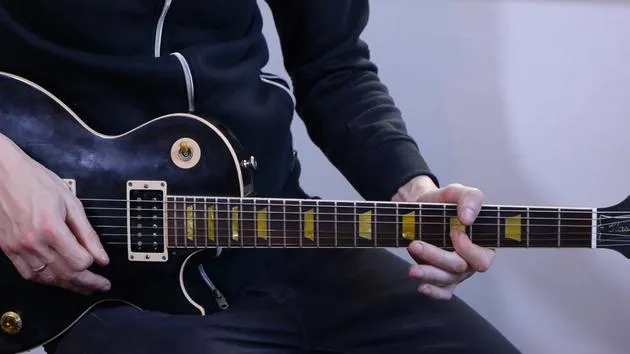
- Guitar Choice: Grab the Strat. You want a clean sound for sure.
- Sound Quality: Absolutely no grit whatsoever. Maybe the tiniest little bit, if you want. But, yeah, funk is known for being pretty clean.
- Compressor: I've turned on a compressor as well. It helps to even things out.
- If I turn it off now, it probably will get a bit quieter due to the dynamic range.
- If I turn the compressor on, it really evens everything out, especially important in funk to ensure everything sounds really even.
If you don't have a compressor, that's absolutely fine. Just make sure you achieve a clean sound. If you do have a Strat, position four is great for funk, really good!
Breaking Down the Parts
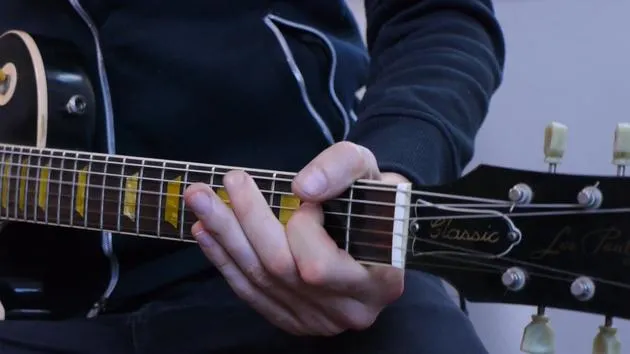
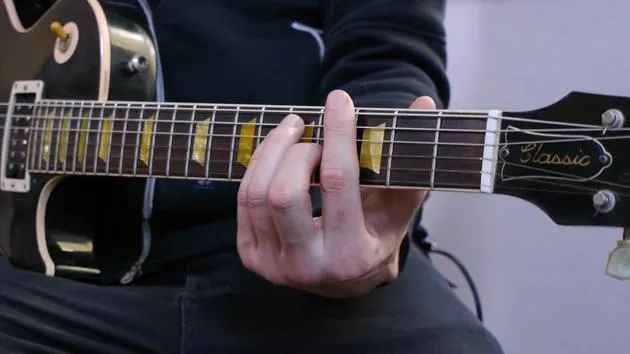
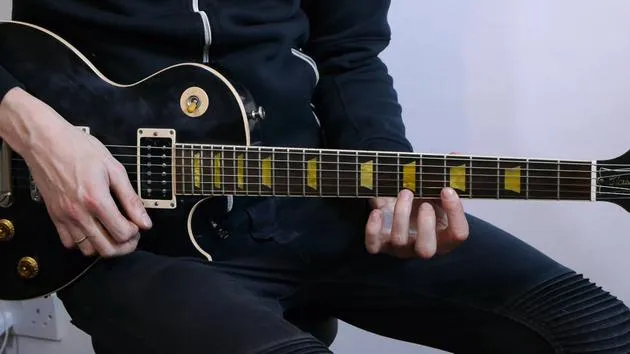
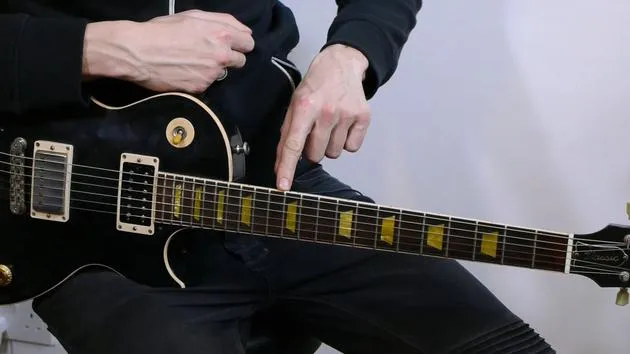
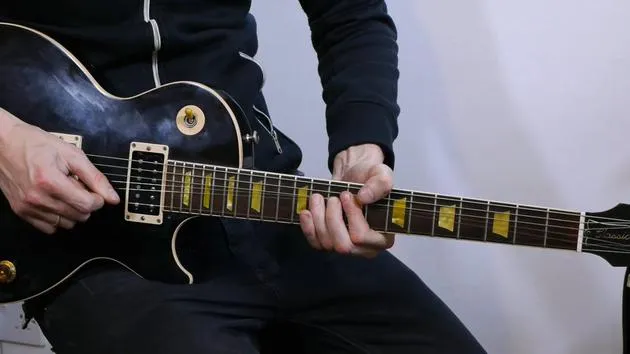
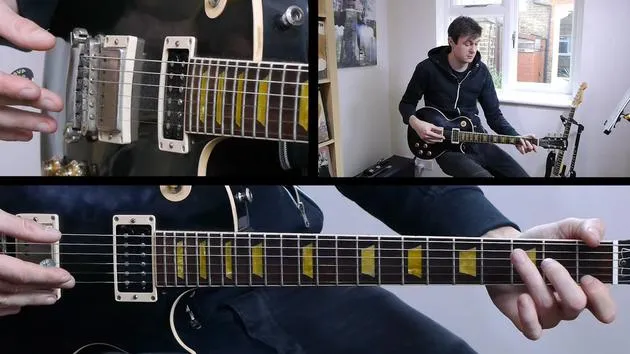
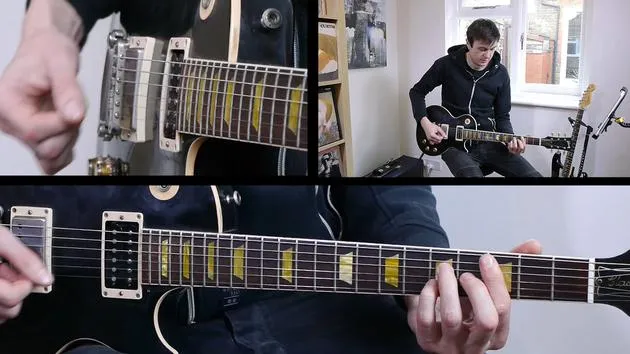
We start with these dominant seventh chords. The positions might look a bit unusual to you, but hopefully, you recognize this shape as C7. All we've done is take the C7 chord and move it up to:
- F#7
- F7
- E7
- Eb
- D
- Db
Chromatic Movement
- Definition: Chromatic means moving by semitone, moving by step.
- We're taking that shape and moving it all the way down, maintaining a precise rhythm.
It's quite funky, 3/4 time, really, really cool!
The Single Note Riff
Next, we're into this kind of single note riff based around C7 and F. Here's what to keep in mind:
- Playing Technique: If you've got a compressor, experiment with little bits of muting as well.
- Enhancements: I added some additional elements that aren't written, just to make it really cool and bubbling.
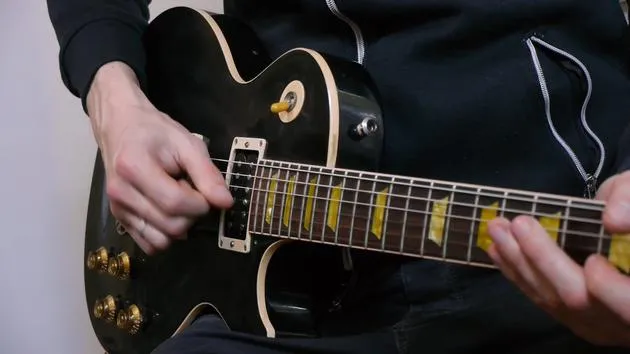
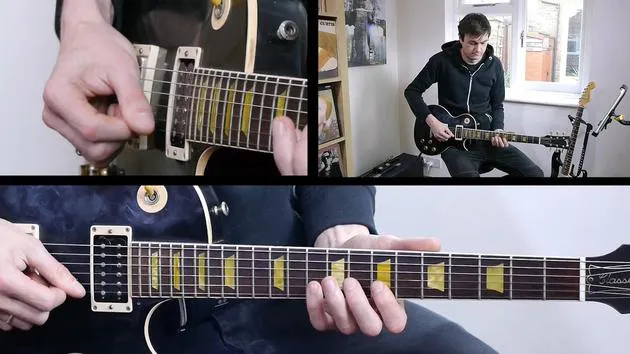
- Palm Muting: Touch the bridge with your palm to create a muted sound.
- Slides: Let these little mini slidey chords breathe. Don't mute them, or they won't have the energy as they slide through!
Staccato Notes
- Notation Info: Any little dots under a note indicate that these notes should be played staccato, very, very short.
- For example, in bar three, the first two notes are a low C and a high C.
- Without staccato, they would be played as normal, but we want to play them really short and aggressive.
- Importance of Duration: The duration of the notes in funk is crucial, so focus on the pressure applied and when to release with your left hand.
Continuing the A Section
We continue through the A section with more of the same, lots of slidy chords and single note riffs.
At bar 11, we transition into a new riff outlining the same chords but with a different flavor.
- Chromatic Walk-Ups: Throwing in notes that don't belong in the key can create a funky feel. It's a technique worth trying!
Moving to Section B
In section B, we've got our first bit of development, a rhythmic development.
- Chords: We look at E minor 7 and move into A dominant 7.
- View the first bar of B as a whole; it outlines a common dominant seven shape.
Using voicings of minor seventh and dominant seventh chords is vital. Now we're required to create some ideas based on the same chord progression.
Developing Ideas
I tried this:
- Start from the same starting point and embellish the chord slightly differently.
- Using notes from the chord, I emphasize the octave of the minor 7.
I also played a chromatic walk-up, similar to earlier sections.
Incorporating Phrases
We're also asked to incorporate a little phrase notated halfway through a bar. This requires planning to fit that phrase into your development.
The next two bars allow for personal expression, and I decided to be a bit more adventurous by moving into a minor 7 shape and a minor pentatonic shape.
Bar Chord Shapes
Before the solo, we encounter some bar chord shapes:
- C to A
- G to Bb to F
Also, note the staccato here, building dynamic as we head toward the solo!
Outlining the Solo
Moving into the solo:
- The chords notated above the solo change every two beats between C7 and F7.
- My first phrase was a bend to an E note, one of the four notes in our C7 chord.
- I then moved to the F7 chord, using a shape an octave above where F is usually found.
Tips for Your Solo
- My approach focused on outlining the chords as they change.
- I often used mini bends, adding a bluesy, funky texture and keeping it simple.
Try starting with one note every two beats that outlines the chord. When it changes, move to the respective note from the chord being played. This method helps maintain the connection to the harmony underneath.
Returning to the Structure
As we reach the end of our solo, we see the marking D.S. Al Coda. This means going back to the earlier section of the piece where the S symbol is, at bar 7.
From there, play until it says coda.
Final Thoughts
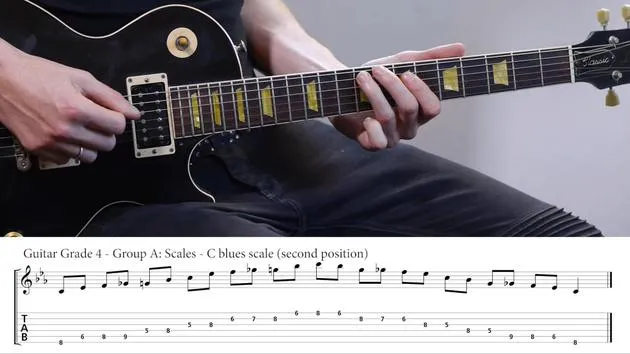
The coda presents a lovely lick that comes straight out of the C blues scale, featuring a cool chromatic run.
Remember, chromatic passages can sound fantastic, whether ascending or descending. Rhythmically, funk can be a challenge with lots of syncopation, so take it slow, listen to original recordings, and ensure you're getting those rhythms locked in before speeding up.
Best of luck! I hope you enjoy this piece as much as I do. We'll see you next time!
42 Lektionen
3 Std. 27 Min. strukturierte Videolektionen
Erweiterte Videofunktionen
Verlangsamen, Passagen loopen, mitlesen
Handy, Tablet & Desktop
Üben, wo du willst
100 % Zufriedenheitsgarantie
30 Tage Geld-zurück-Garantie







