



Circus Experience
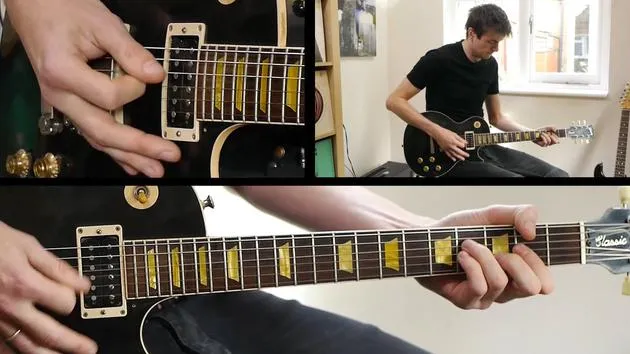
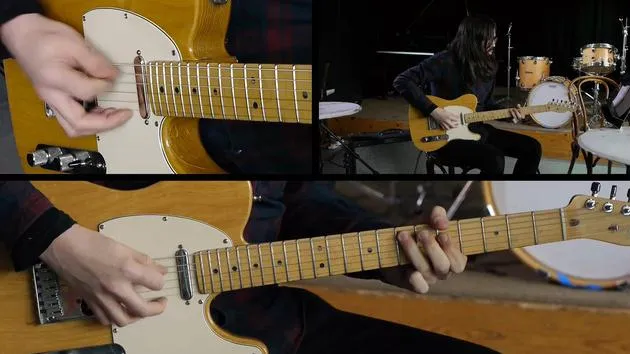
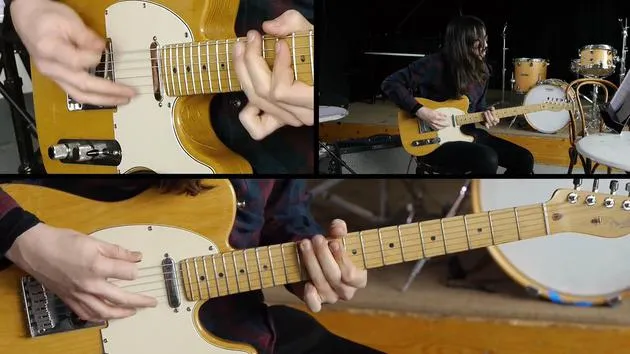
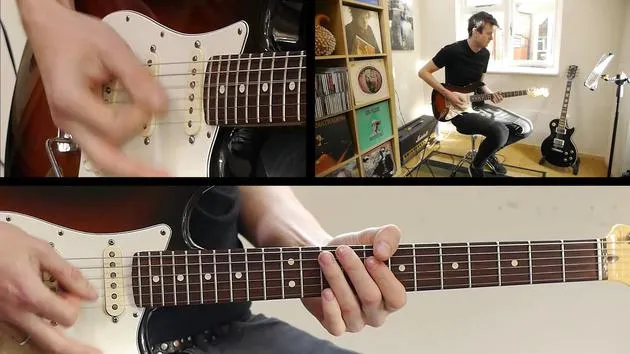
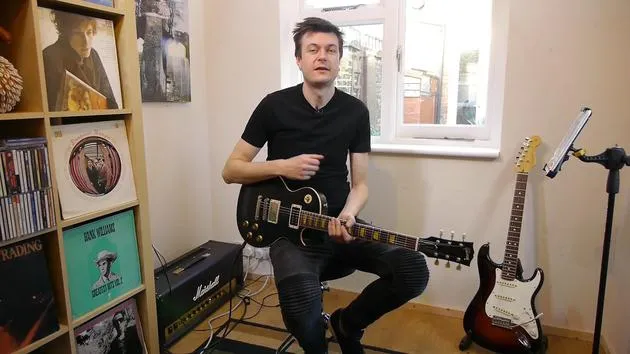
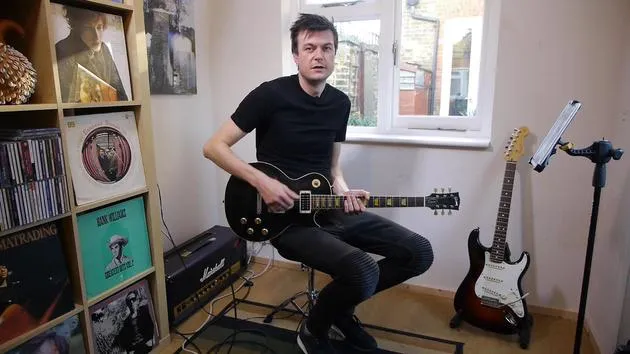
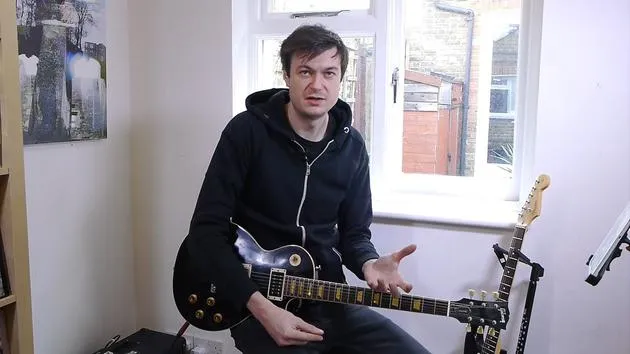
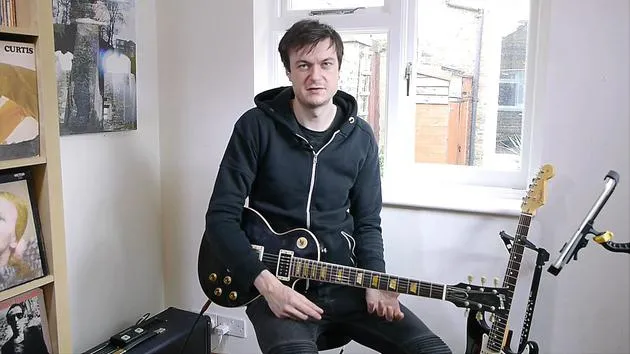
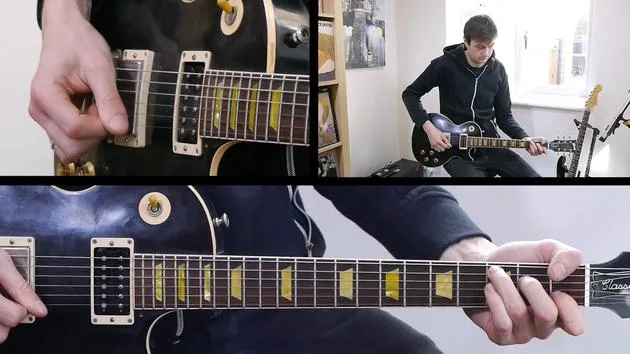
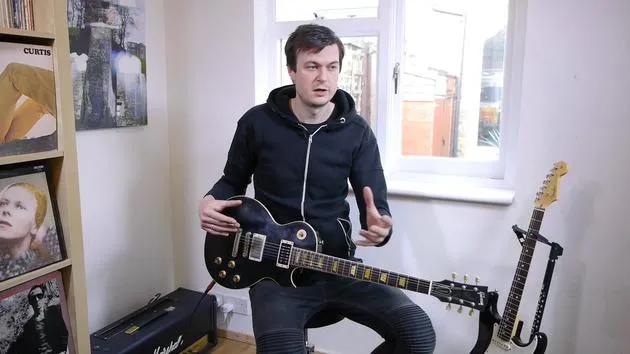
Stuart Ryan analysiert das Grade-4-Stück Circus Experience und schöpft aus der langsameren, ausdrucksvollen Seite von Jimi Hendrix' Spiel - denk an Little Wing und The Wind Cries Mary.

Das steckt im Kurs
42 Lektionen (3h 27m) · 1 gratis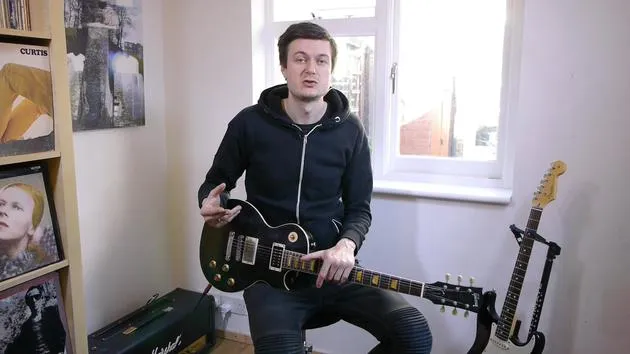
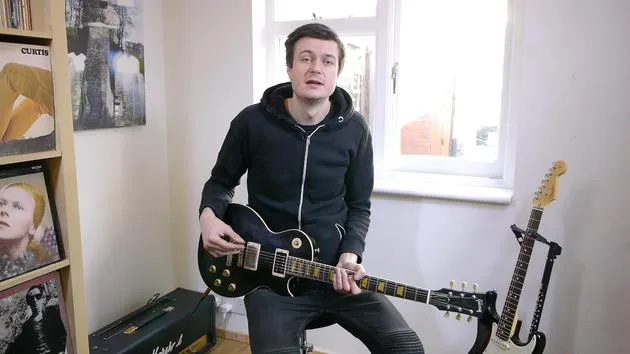
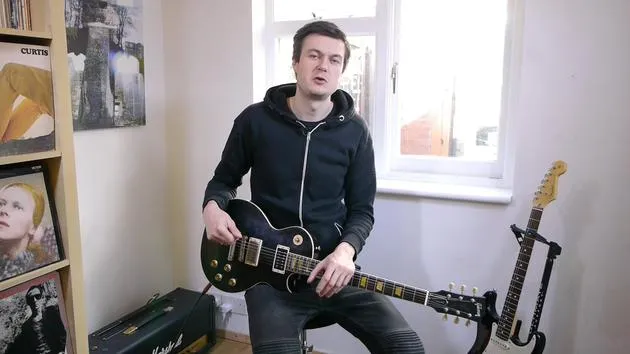
Transkript der Lektion
Jimi Hendrix: The Pioneer of Guitar
Jimi Hendrix was a true pioneer of the guitar, and there's a reason he's remembered as a legend. He brought so much to the instrument, both stylistically and tonally. He's one of the most creative guitar players that has ever existed.
The Power Trio Format
Hendrix's style is partly based on the fact that he was always working in the power trio format. This means he didn't have a rhythm guitar player or keyboard instruments to fill out the sound.
Chords and Licks
In the Hendrix world, you find:
- Chords combined with licks
- Fills
- Lead parts
This combination can be quite challenging because you're constantly thinking about rhythm and lead at the same time.
Diverse Influences
Hendrix played many different styles and drew from various sources as well. He had a background in:
- Blues
- Funk
- Soul
He combined these genres to create his own unique sound. He also started to develop what we think of as the psychedelic sound, partly driven by his heavy use of effects that were emerging in the guitar world at that time.
Exploring the Slow Side
In this lesson, we're actually looking at the slower side of Hendrix's playing, focusing on tracks like:
- Little Wing
- The Wind Cries Mary
But just because these tracks are slow doesn't make them easy! There's a lot to master, from moving chord shapes to incorporating the various embellishments Hendrix would use.
Techniques and Tone
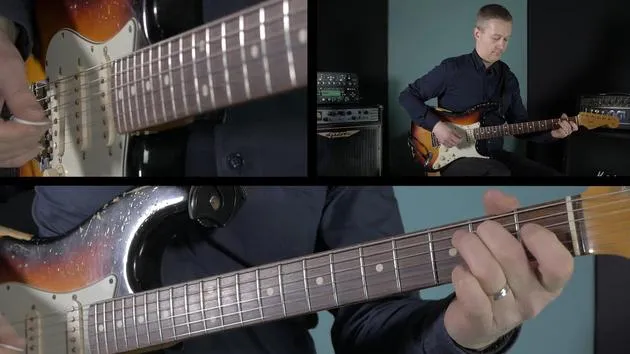
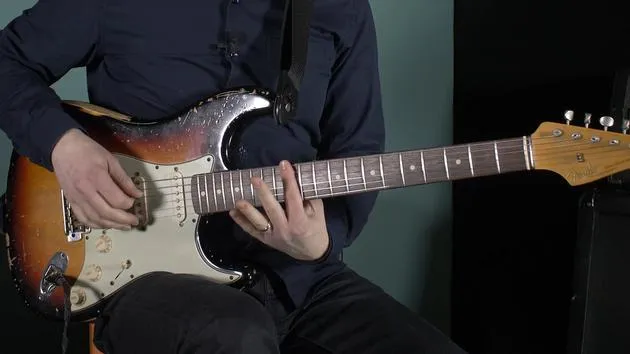
Hendrix had a fantastic tone on every recording and live performance. He played various guitars, but we most commonly associate him with the Fender Stratocaster. That said, he also used:
- Telecasters
- Humbucking guitars
Amplification
For amplification, he would use Fenders and Marshalls. For this particular piece, aim for a clean sound and switch to a dirty sound for the solo.
Effects and Pickup Selection
Effects play a huge part in Jimi Hendrix's sound. While it's not essential to use effects for this performance, I recommend trying out a univibe. This effect is somewhere between a phaser and a chorus, making the guitar sound really different. If you haven't tried it, chat with your teacher to see if they can demonstrate one for you.
Pickup Selection
In terms of pickup selection, Hendrix would move all over the place. For this track, we'll focus mainly on using the neck pickup for a warm, fat sound for the chords.
You could also use a humbucker-style guitar for these pieces, but the Stratocaster offers a bit more definition, even when used on the neck pickup.
Structure of Circus Experience
There are three separate elements to the structure of Circus Experience: Sections A, B, and C. Section B features a short guitar solo, which we'll address separately.
Section A
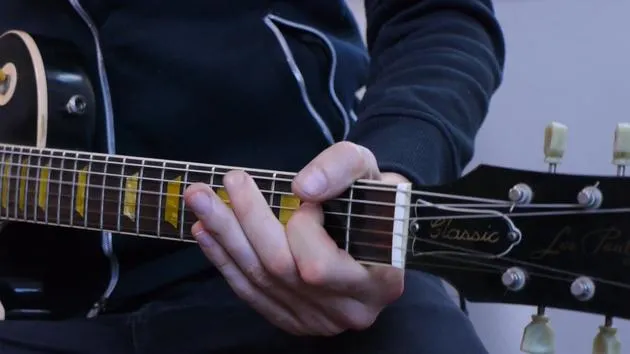
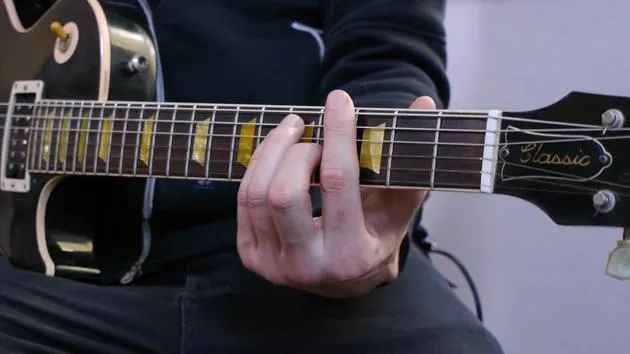
Section A is a typical example of Hendrix playing around with first inversion triads. For example, the D major chord can be played with the F# third in the bass. This allows for many embellishments around that position, along with single note runs between those chord voicings.
Rhythm Techniques
- Use 16th notes or semiquavers, played as triplets.
- Aim for fast legato using hammer-ons and pull-offs.
Hendrix had a relaxed feel, often playing behind the beat to create a controlled yet laid-back sound.
Common Embellishments
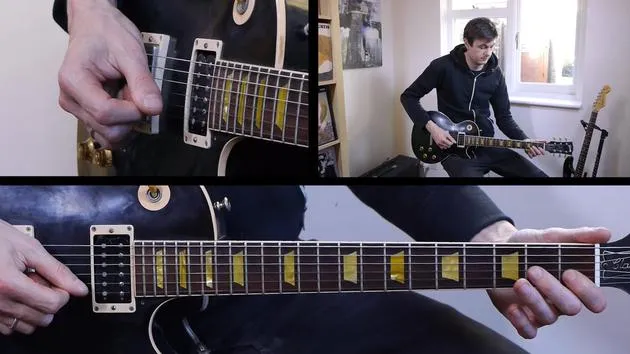
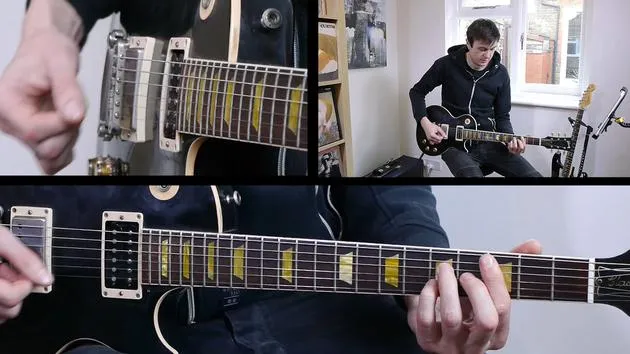
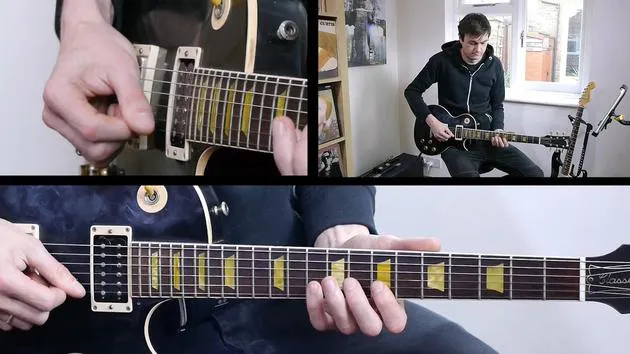
A very common Hendrix technique involves playing a double stop with a grace note leading into it. For instance, in the A section, you could start a double stop on frets 7 and 8, quickly hammering onto fret 9.
Connecting Chords
Hendrix also had a wonderful way of connecting chords. For example, transitioning from a C to a G, he would often play little fills in between.
Section C
In section C, we'll start using triads, which are a hallmark of Hendrix's style, often influenced by his experience as a sole guitarist in larger ensembles.
Half Step Movements
For example, the use of F, F#, and G triads moving in half steps is common in Hendrix's style, often accompanied by grace note embellishments. He would meld melodies within chords, creating the illusion of two instruments playing simultaneously.
Connecting Runs
Towards the end, he might use a bass run to connect to chords instead of playing a chord in that bar. The techniques he employs here are fantastic for understanding his style.
Listening Recommendations
Going beyond this piece, there's a wealth of Jimi Hendrix material to explore. The obvious starting point is the album Are You Experienced. I also encourage you to explore elements of Little Wing, where you'll see how the chords and melody work together.
Inspired Guitarists
Hendrix has inspired countless guitar players, and one of the most famous currently is John Mayer. If you're a fan, try to identify the Hendrix elements in his playing as they contribute to his own style.
Section B: Solo Time
Let's discuss what we're playing over in Section B.
Chord Progression
It's a short, repeating four-bar sequence:
- B minor: 3 beats
- B flat minor: 4 beats
- A minor: 2 beats
- E minor: 2 beats (repeat)
This establishes us in the key of E minor.
Solo Vocabulary
Hendrix typically used blues and rock vocabulary, including:
- E minor pentatonic
- E blues scale
- E natural minor scale
You can start your solo with the classic box shape in the minor pentatonic.
Targeting Notes
As you progress, consider targeting notes that belong to the harmonic structure of the chords as you move through the solo.
The Art of Bending
Bends are also a huge feature of Hendrix's style. Instead of straightforward playing, Hendrix approached notes with large, full-tone bends.
Double Stops and Embellishments
Incorporate double stops within your box shape, and remember to utilize embellishments to enhance your playing.
Mastering the 16th Note Triplet
Focus on getting that 16th note triplet under your fingers. This rhythm is a key aspect of Hendrix's style and takes practice to master.
Transitioning Back
When you finish the solo, prepare to transition into Section C, starting on the C chord. You could approach your solo from the higher register and then move down to the open position minor pentatonic scale.
Classic Licks
One classic Hendrix lick worth learning is the intro to "Hey Joe." You can adapt this lick to serve as a grand finale for your solo before moving into Section C.
42 Lektionen
3 Std. 27 Min. strukturierte Videolektionen
Erweiterte Videofunktionen
Verlangsamen, Passagen loopen, mitlesen
Handy, Tablet & Desktop
Üben, wo du willst
100 % Zufriedenheitsgarantie
30 Tage Geld-zurück-Garantie







