



Einführung in den Texas Blues
Mit
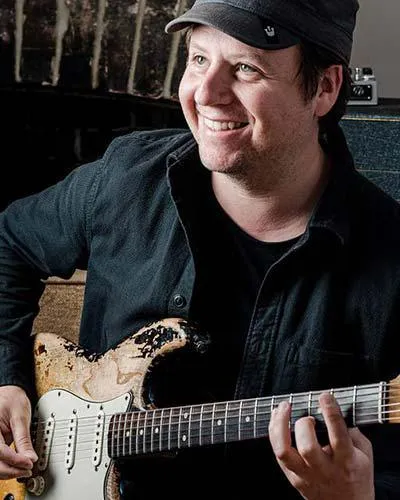
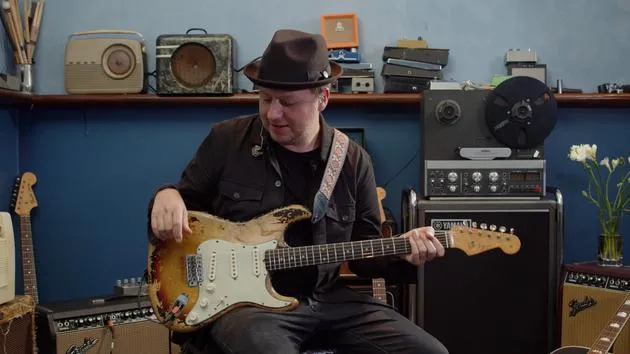
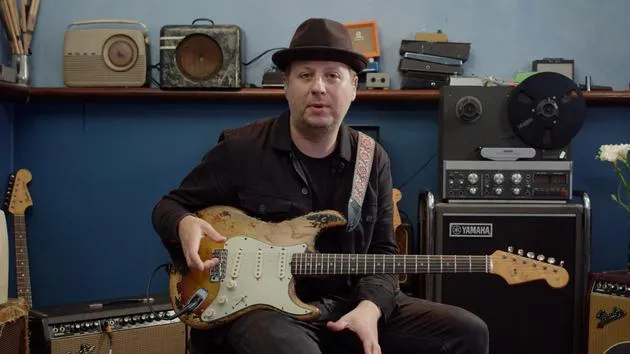
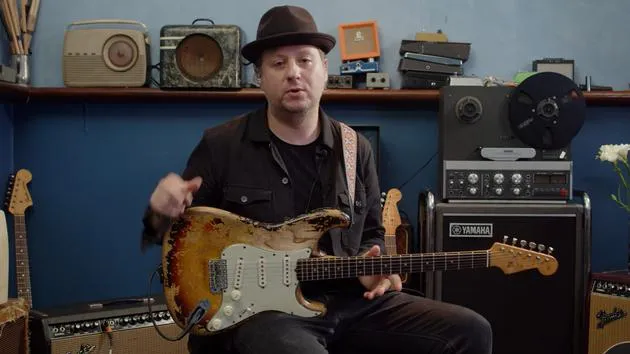
Scott McKeonScott umreißt die Geschichte des Texas-Blues-Stils und wie er berühmte Musiker und sein eigenes Spiel beeinflusst hat
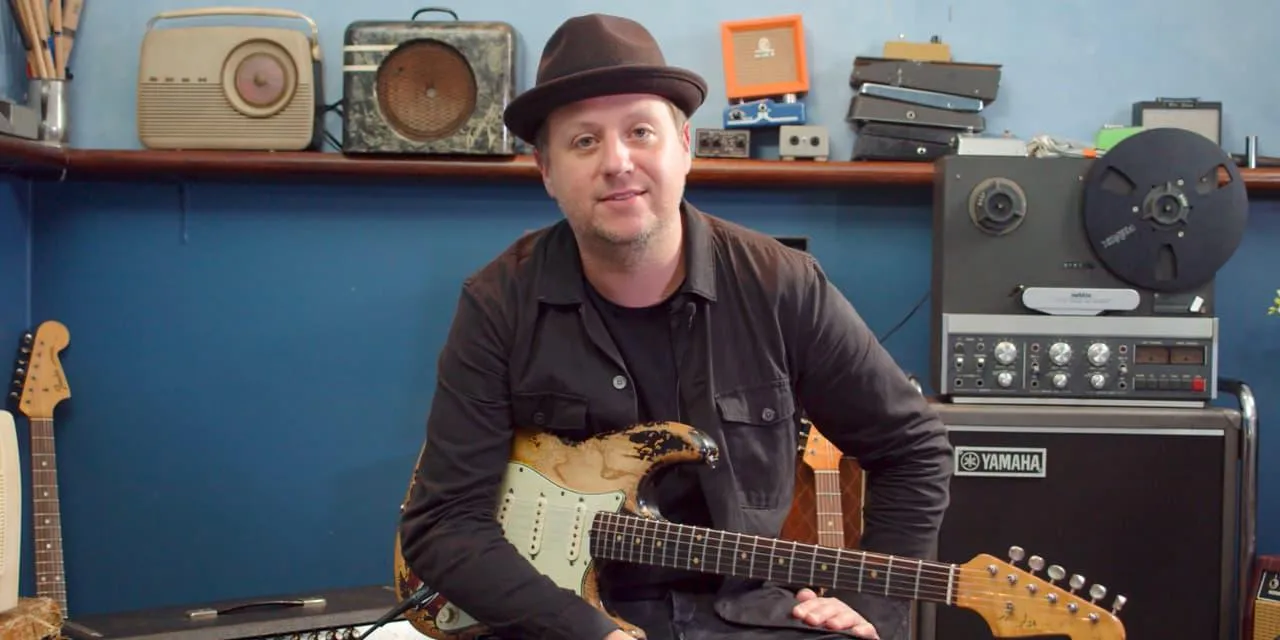
Das steckt im Kurs
34 Lektionen (1h 29m) · 2 gratis
01. Einführung in den Texas Blues
Du bist hier4:40
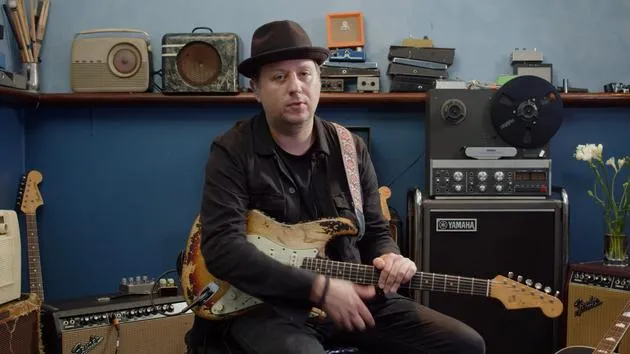
01. Traditionelles Soloing mit Call and Response
2:24
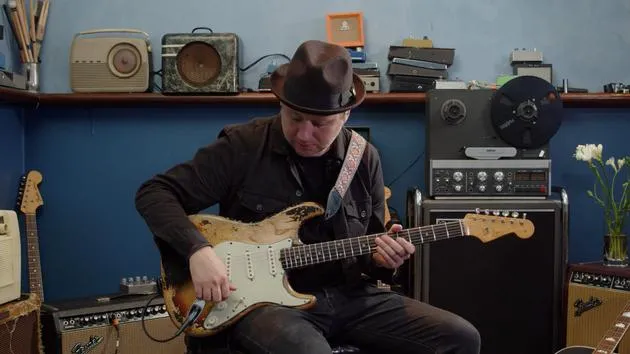
02. Solo-Beispiel 1 - BB King
0:52
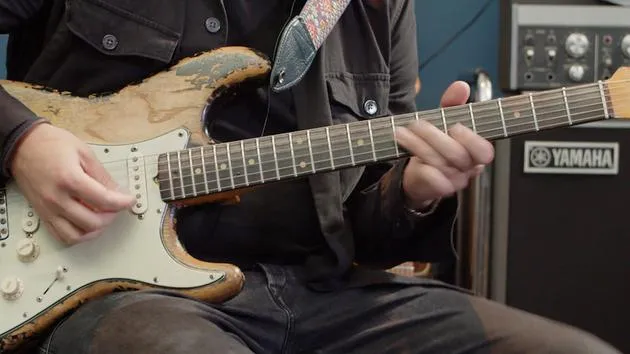
03. Raum lassen
3:17
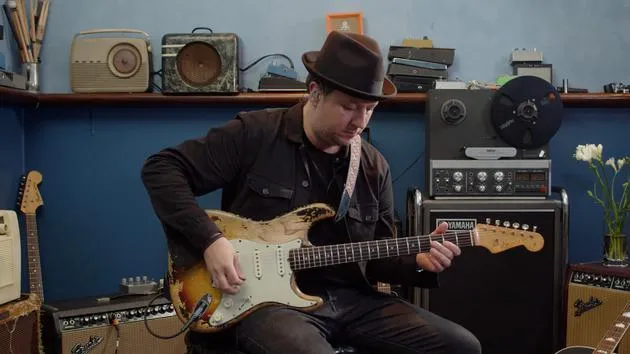
04. Solo-Beispiel 2 - Stevie Ray Vaughan (rhythmische Akkorde)
0:54
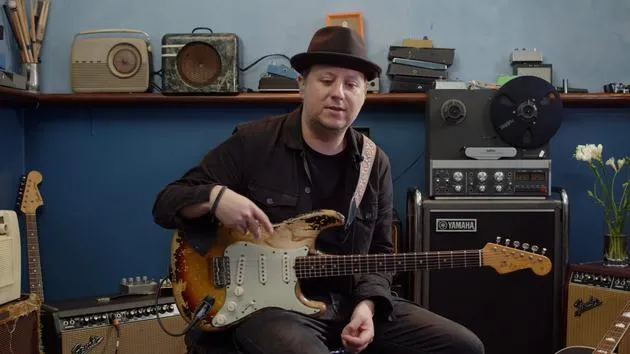
05. Solospiel mit den Fingern
1:47
06. Solo-Beispiel 3 - Albert Collins
0:55
07. Techniken kombinieren
1:06
08. Solo-Beispiel 4 - Alles zusammenfügen
0:56
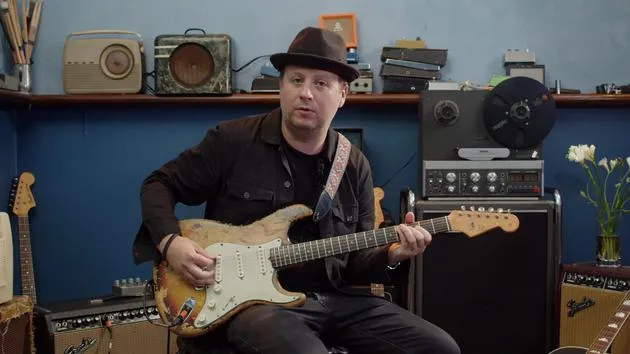
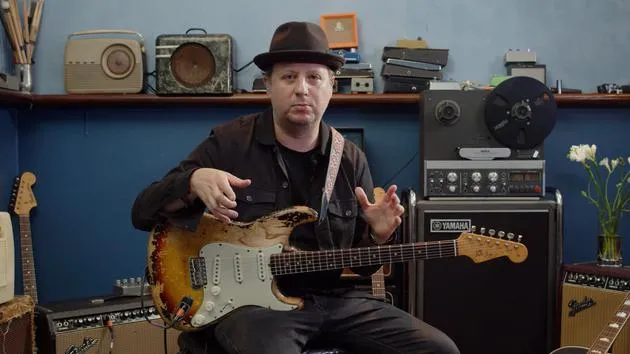
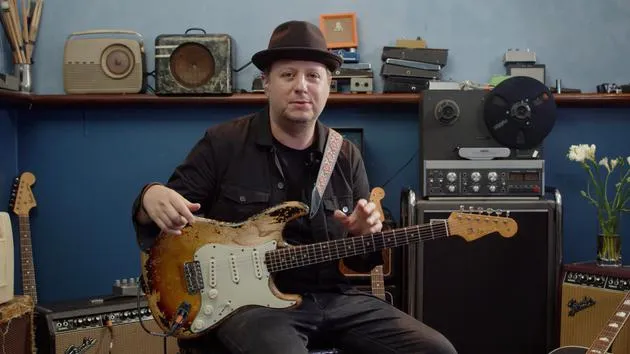
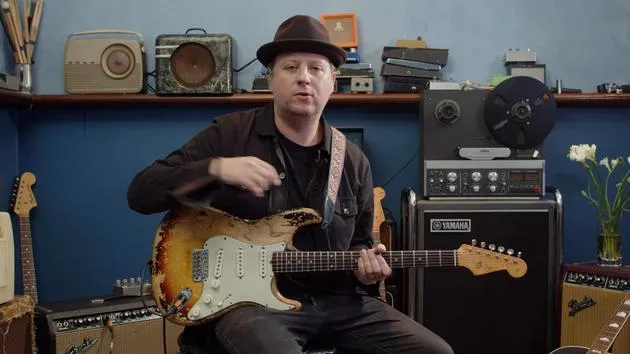
Transkript der Lektion
The Influence of Texas Blues on Music
A big influence on my playing, and a lot of my heroes' playing, was some of the early Texas blues stuff. Key figures include:
- Jimmy Reid
- Lightning Hopkins
- Freddie King
- Albert Collins
- Stevie Ray Vaughan
- Jimmy Vaughan
The Essence of Texas Blues
The Texas blues genre is a really raw form of music. It's hard to pinpoint exactly where it came from, as there are many different influences involved:
- New Orleans
- Louisiana
- Mississippi
However, the Texas blues has a very specific groove and shuffle. There's no messing around; it's quite a raw form of music.
Self-Accompaniment in Blues
One of the starting points for a lot of this music was artists accompanying themselves with just a guitar. For example, Lightning Hopkins mastered the art of being the bass, drums, and rhythm all in one, singing over the top:
- One-Man Band: He was kind of a one-man band.
- Rhythm and Melody: He would play in a way that you could hear him maintaining the rhythm and layering sounds; his right hand would act as the bass, providing a strong, consistent beat.
The Role of Rhythm
- Snare and Licks: He would add snare-like sounds and playful licks on top of his rhythmic foundation.
- Raw Form: This setup is the basis of a lot of that kind of music , just an acoustic guitar and someone singing over it.
Transition to Electric Blues
This self-accompaniment influenced the evolution of blues guitarists as they transitioned to playing electric guitar with bands. Musicians like Jimmy Reid played a style that significantly influenced rock and roll.
Understanding the Roots
It's important to understand these early beginnings of the music before diving into the electric forms. Artists such as:
- John Lee Hooker
- Sun House
These musicians often played solo, creating captivating rhythms that might evoke simple sounds, like someone walking. This directly influenced later musicians like Stevie Ray Vaughan.
The Pocket of Traditional Blues
The original music of John Lee Hooker features a unique pocket that comes from solo performances without a band. When bands were added to this foundation, the result was a powerful and robust rhythm on the guitar.
Conclusion: Amplifying Blues Roots
In conclusion, Steve Ray Vaughan's playing was heavily influenced by that early blues, simply amplified and performed within a band context.
For example, we can consider an old Lightning Hopkins piece to illustrate this transition in style.
34 Lektionen
1 Std. 29 Min. strukturierte Videolektionen
Erweiterte Videofunktionen
Verlangsamen, Passagen loopen, mitlesen
Handy, Tablet & Desktop
Üben, wo du willst
100 % Zufriedenheitsgarantie
30 Tage Geld-zurück-Garantie
Lern deinen Guru kennen
Lern deinen Guru kennen
Scott McKeon hat sein ganzes Leben seinem Handwerk als Gitarrist gewidmet. Ursprünglich von der Liebe seines Vaters zu Blues, Soul und Rock inspiriert, griff er im Alter von vier Jahren zur Gitarre und erwarb sich den Ruf, einer der gefragtesten Gitarristen des Vereinigten Königreichs zu sein, sowohl im Studio als auch live.
2014 erhielt Scott den Anruf, in der Band von Sir Tom Jones zu spielen, an der Seite von Robbie McIntosh und Pink-Floyd-Schlagzeuger Gary Wallis. Das an Blues, Rock 'n' Roll und Gospel orientierte Programm erlaubt es Scott, auf seine frühen Einflüsse zurückzugreifen und um die Welt zu reisen. Zu den bisherigen Auftritten zählen fünf Europatourneen, drei Tourneen durch die USA und Südamerika sowie Tourneen durch Australien und den Fernen Osten, dazu Fernsehauftritte wie Later... with Jools Holland und TFI Friday sowie ein Auftritt beim New Orleans Jazz Festival 2019.
Scotts drittes Album, 'New Morning', ist eine erdige, rohe, gitarrengeführte Platte, die seine Bandbreite und sein Können als Gitarrist zeigt. Das Album wurde live im Studio von RAK in London aufgenommen und fängt die Energie und Spontaneität der Sessions ein. Produziert wurde es von Paul Stacey (Black Crowes/Oasis), und mit dabei sind Jeremy Stacey (Sheryl Crow/Tal Wilkenfeld) am Schlagzeug, Rocco Palladino (Tom Misch/D'Angelo) am Bass und Gavin Conder (Rufus Black/The Kondoors) als Sänger auf mehreren Tracks.
Scott hat außerdem ein Signature-Fuzz-Pedal und Signature-Pickups, die seiner '62er Strat nachempfunden sind.
In seinem Kurs teilt Scott den Ton, die Phrasierung und das Feel hinter authentischer Texas-Blues-Gitarre und zeigt dir, wie du dich in den Stil hineinbeißt und jede Note zum Singen bringst.







