



Übungstipps
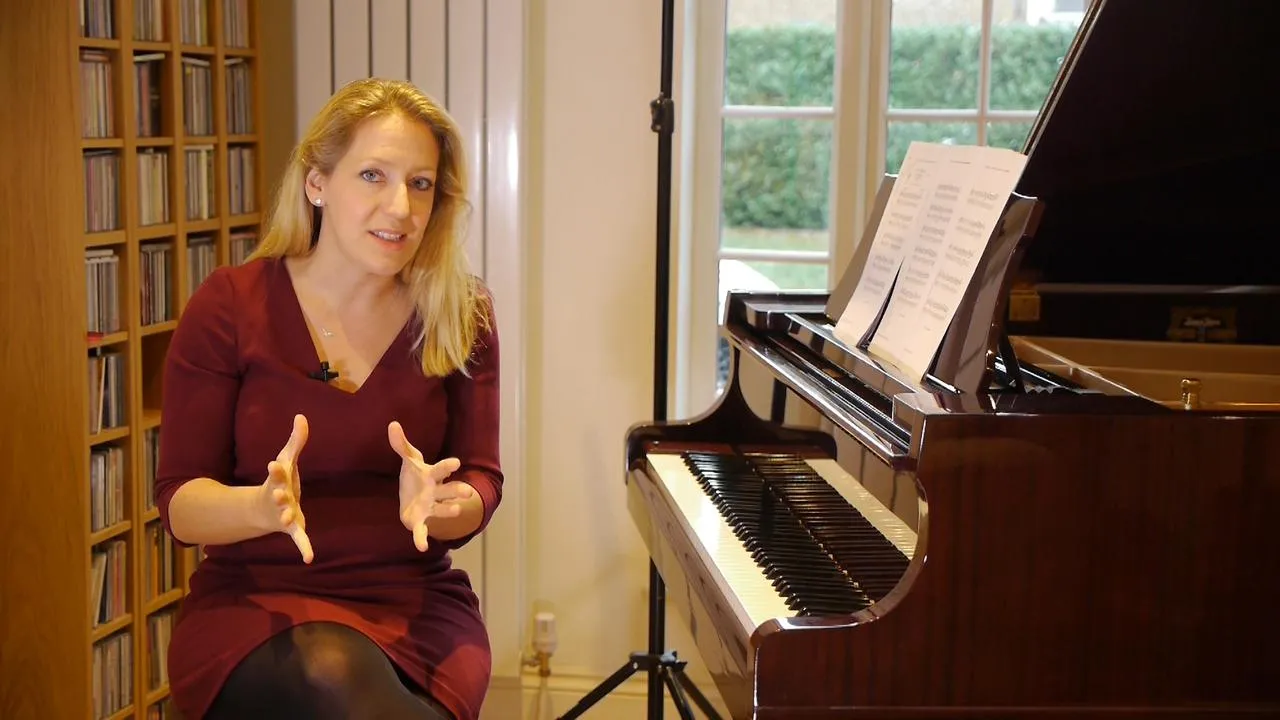
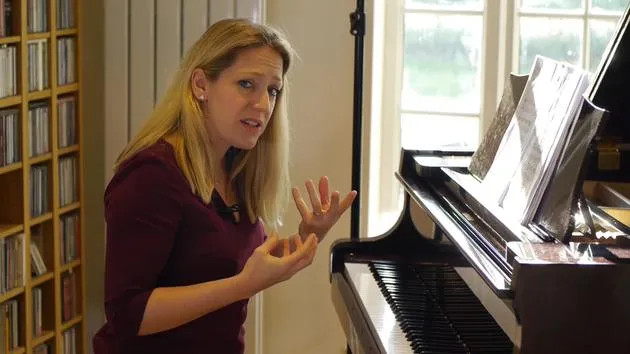
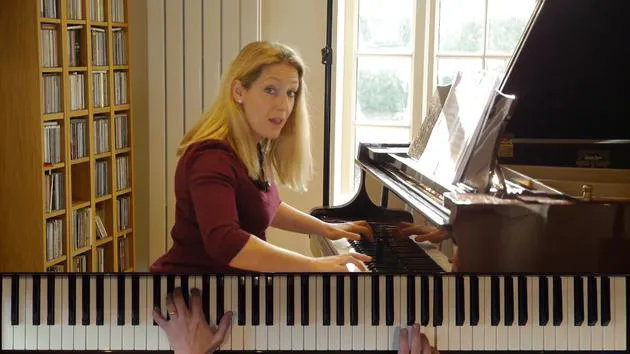
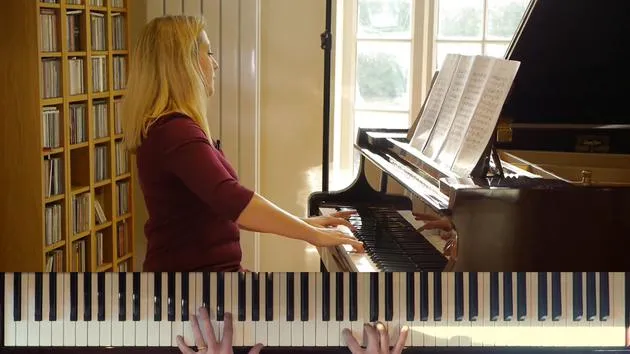
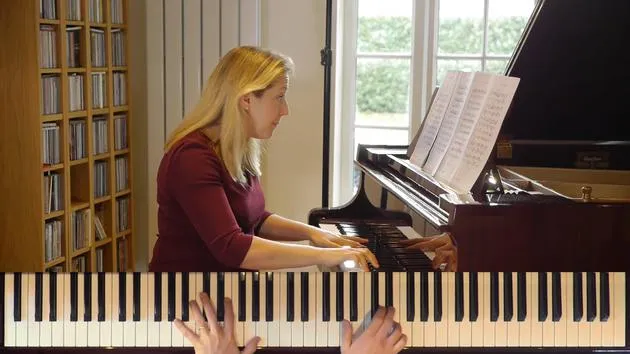
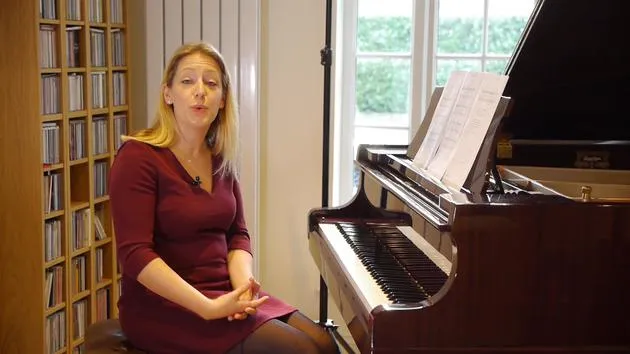
Annabel Thwaite teilt einen praktischen, dreistufigen Ansatz, um jedes Stück zu üben - vom ersten Durchspielen bis zur gezielten Technikarbeit in kleinen Abschnitten.
Das steckt im Kurs
21 Lektionen (0h 57m) · 1 gratis
Transkript der Lektion
Practicing for a Performance
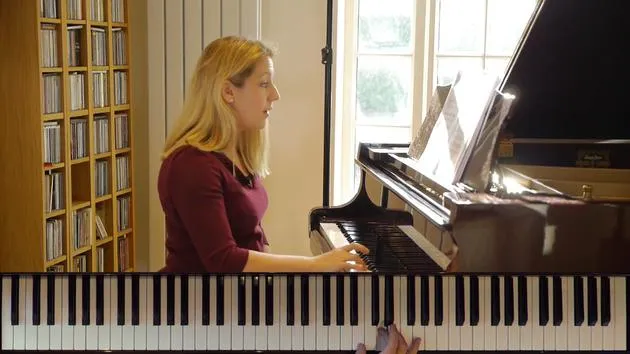
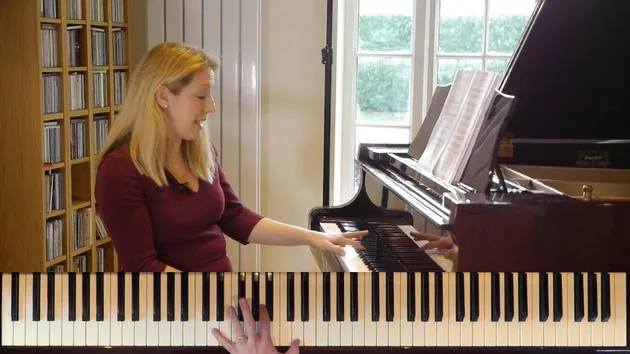
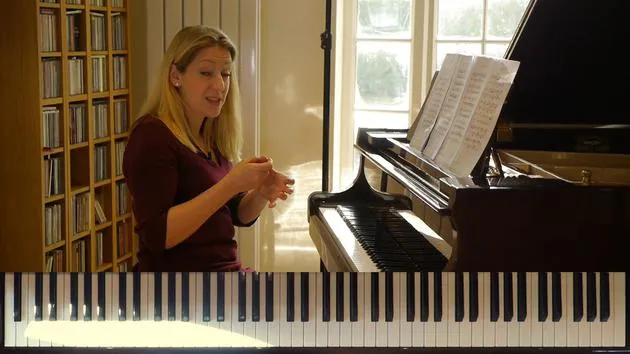
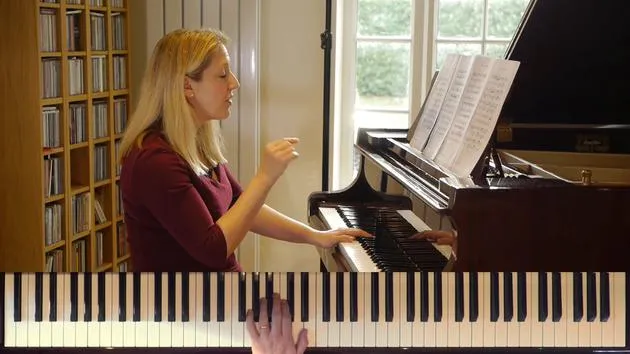
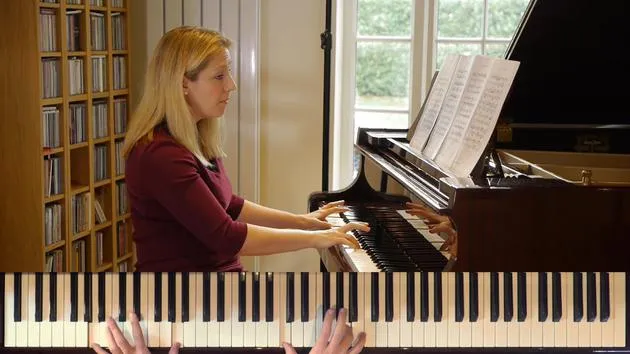
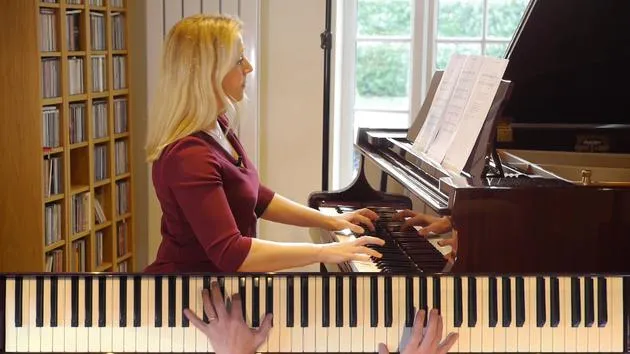
There are several ways that you can practice for a performance, and I guess the easiest way is to break it down into three steps or stages.
Stage 1: Initial Engagement
-
Choosing a Piece:
- Look at it for the first time and examine the whole structure.
- Listen to a recording or view a performance of it.
-
Methodical Review:
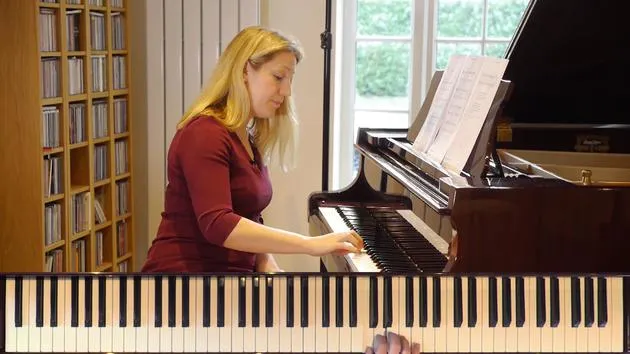
- Go through the piece, focusing on fingering.
- Note which passages are challenging.
-
Break It Down:
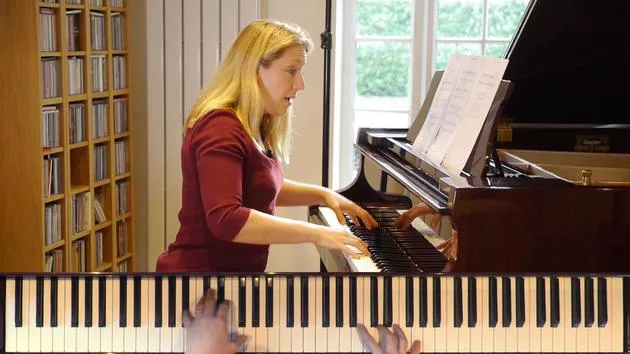
- Examine the piece by looking at the left hand, right hand, and the entire structure.
Stage 2: Detailed Technical Work
When you get to the real nitty-gritty work, keep these points in mind:
-
Self-Teaching:
- Remember, you are the best teacher for yourself.
- Identify problems like a doctor would, and find solutions.
-
Block Random Practice:
- Follow the saying "less is more."
- Focus on small snippets (e.g., two bars) for 2 minutes to target specific issues.
-
Techniques for Improvement:
-
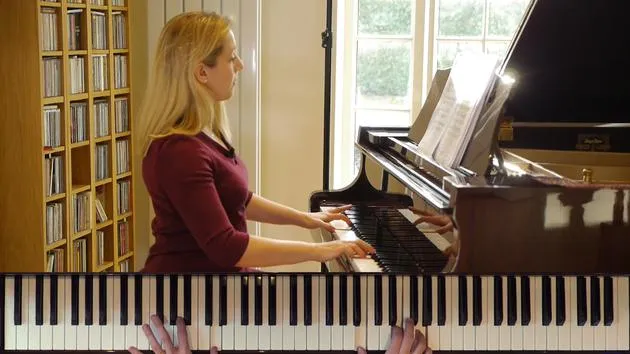
Slow Practice:
- It's not just about slowing down; it's about your brain registering what's happening.
- For example, when practicing Bach's "Jesu, Joy of Man's Desiring," slow it down and focus on finger placement, hand position, and harmonies.
-
Reverse Techniques:
- Try playing staccato where legato is required to enhance finger agility and flow.
-
-
Posture Awareness:
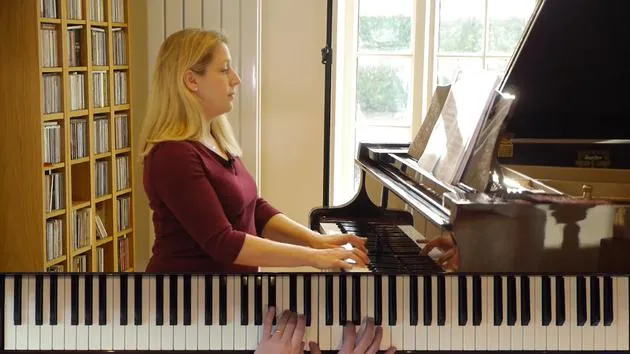
- Maintain good posture; avoid raising shoulders or curling towards the piano.
- Be aware of unnecessary tension in your body which can hinder fast or loud playing.
Stage 3: Performance Practice
-
Integration:
- By this point, it feels like the piece is all in your fingers.
-
Practice Performing:
- Use your pets, neighbors, family, or an imaginary audience for practice.
- A mobile phone or recording device can serve as a good substitute audience. Record, listen back, and assess your performance for clarity and pacing.
-
Self-Awareness During Performance:
- Just like in driving, anticipate trouble areas (e.g., "black spots" of traffic).
- Avoiding a passage isn't the goal; instead, anticipate it and work on it.
Conclusion: The Why Behind Your Practice
Always revisit why you chose that piece:
-
Musical Engagement:
- You should love the sound and mood of the piece.
-
Concentration:
- Avoid going through the motions; keep your brain engaged.
Final Advice
- Practice in smaller increments but more often.
- Enjoy the process of your practice!
21 Lektionen
0 Std. 57 Min. strukturierte Videolektionen
Erweiterte Videofunktionen
Verlangsamen, Passagen loopen, mitlesen
Handy, Tablet & Desktop
Üben, wo du willst
100 % Zufriedenheitsgarantie
30 Tage Geld-zurück-Garantie
Lern deinen Guru kennen

Lern deinen Guru kennen
Annabel Thwaite gilt als eine der vielseitigsten und charismatischsten Pianistinnen Großbritanniens und genießt eine facettenreiche Laufbahn als Solistin, Kammermusikerin, Aufnahmekünstlerin, Pädagogin und Prüferin. Sie hat alle bedeutenden Begleitpreise gewonnen, darunter die renommierten Kathleen Ferrier, Gold Medal und Richard Tauber Piano Prizes. Sie hat mit namhaften Künstlern wie Roberto Alagna, Bryn Terfel, David Kempster und "Only Men Aloud!" zusammengearbeitet.
Annabel hat für Universal records mit dem "Scottish Tenor" aufgenommen, dessen Album für einen Classical Brit Award nominiert war und regelmäßig auf Classic FM gespielt wird. Zweimal war sie Begleiterin beim Festival of Welsh Male choirs; ihre Auftritte in der Royal Albert Hall wurden von Sain aufgezeichnet und auf S4C ausgestrahlt. Sie ist außerdem Session-Pianistin für Filme und hat in den Abbey Road Studios die Musik zum Film "Awake", zur BBC-Jane-Austen-Serie "Emma", zu "The Secret Diaries of Miss Anne Lister" aufgenommen und ist zuletzt sowohl bei Blue Peter als auch bei "The Rob Brydon Show" aufgetreten.
"...zweifellos unterstützt von den offensichtlich brillanten Klavierbegleitungen von Annabel Thwaite... überaus genussvoll."
In ihren MusicGurus-Kursen – Learn Christmas Classics on Piano, Learn Classical Favourites on Piano und Growing Chamber Groups and Small Ensembles – teilt Annabel die Musikalität, die hinter dieser vielseitigen Laufbahn steht. Du lernst, geliebte Weihnachts- und klassische Stücke am Klavier zum Leben zu erwecken, deinen Anschlag und deine Phrasierung zu entwickeln und – gestützt auf ihre preisgekrönte Erfahrung als Begleiterin – zu entdecken, wie man beim gemeinsamen Musizieren mit anderen Musikern in Kammergruppen und kleinen Ensembles zuhört, führt und zusammenspielt.







