



Geschichte & Kontext
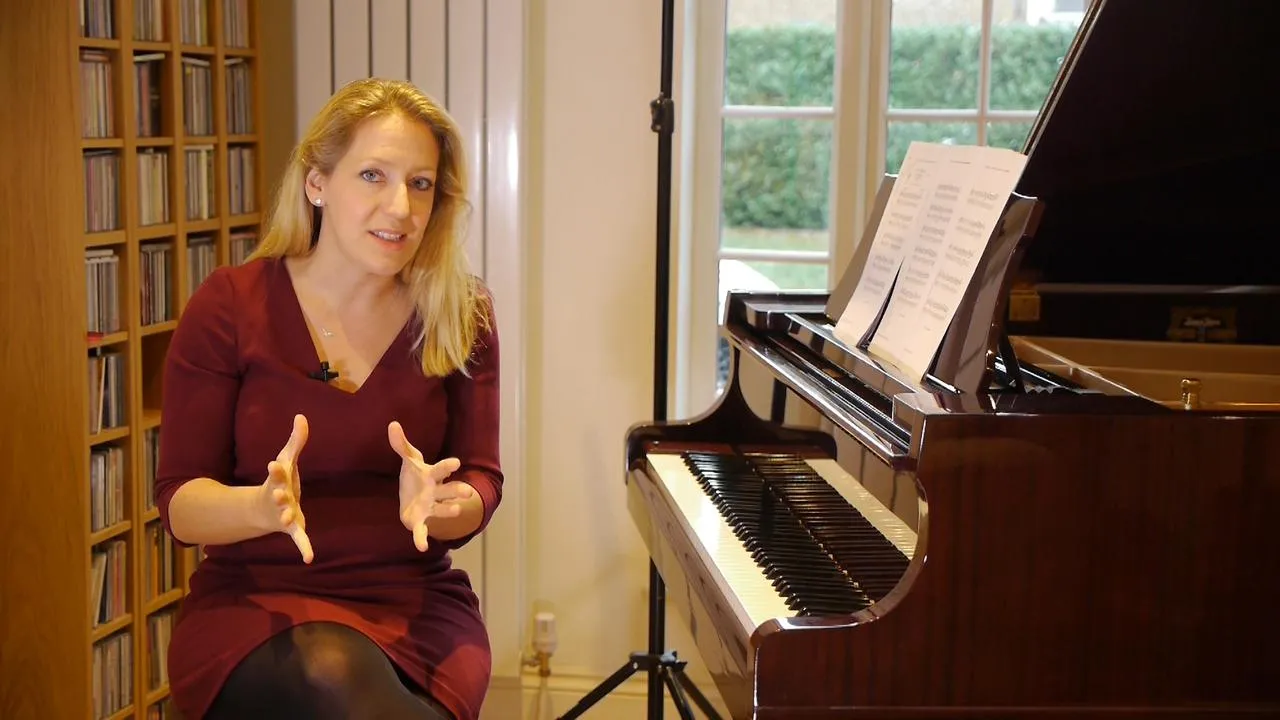
Der Hintergrund zu Bachs Air on a G String – eine Bearbeitung seiner Orchestersuite in D-Dur, bei der der Basso continuo von der linken Hand getragen wird.
Das steckt im Kurs
21 Lektionen (0h 57m) · 1 gratis
Transkript der Lektion
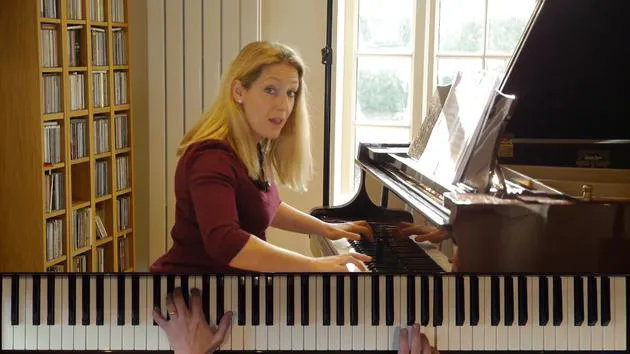
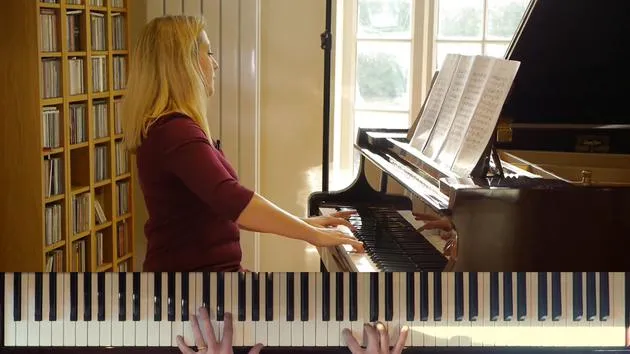
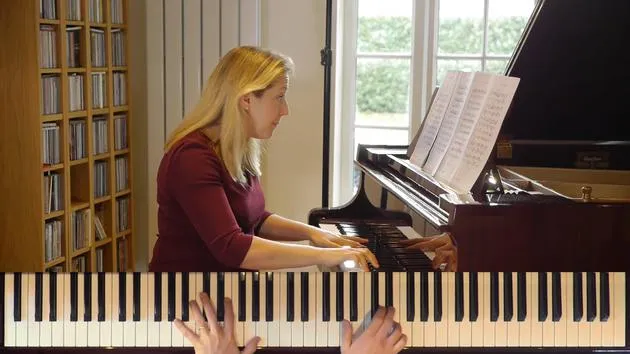
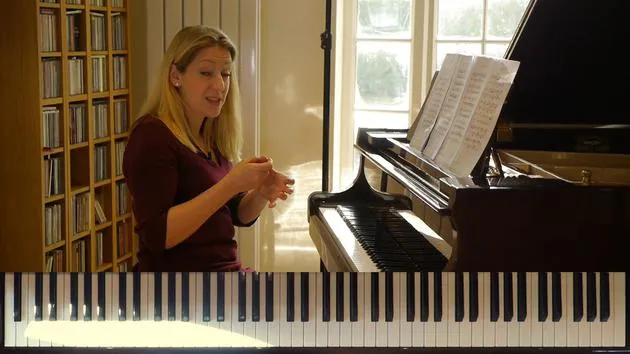
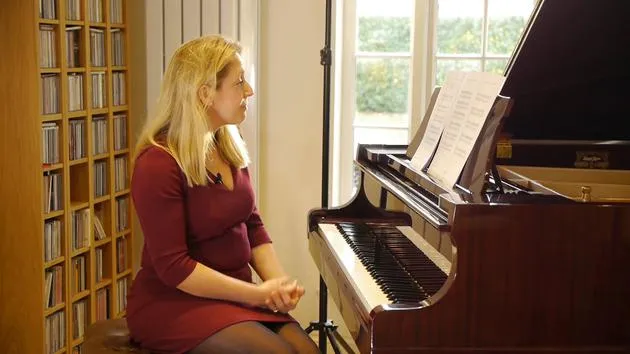
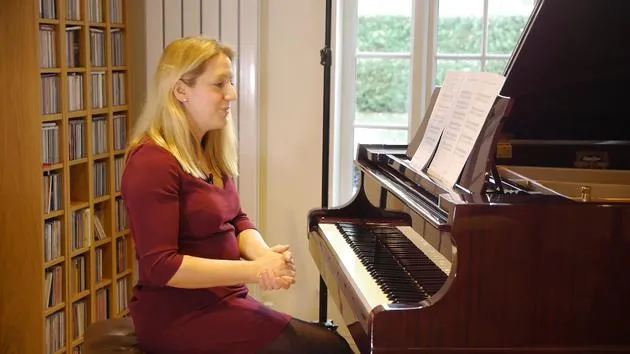
Music Lesson: Understanding "Air on a G String"
This piece, Air on a G String, is much more complex than you may think at first approach.
Background
It is an arrangement of Bach's original Orchestral Suite in D Major, which was orchestrated for:
- Three trumpets
- Timpani
- Strings
- Basso continuo
Basso Continuo
The basso continuo is particularly important to mention because it's a continuous bass line, often played by:
- A continuous early cello
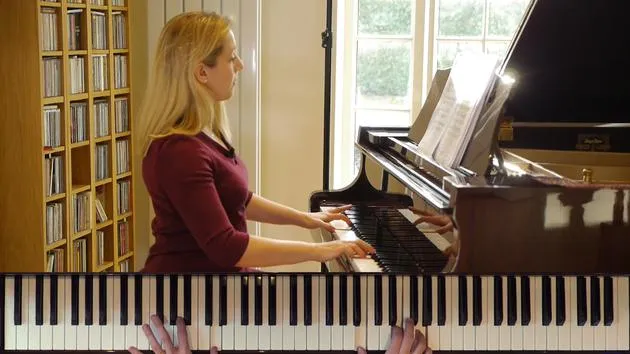
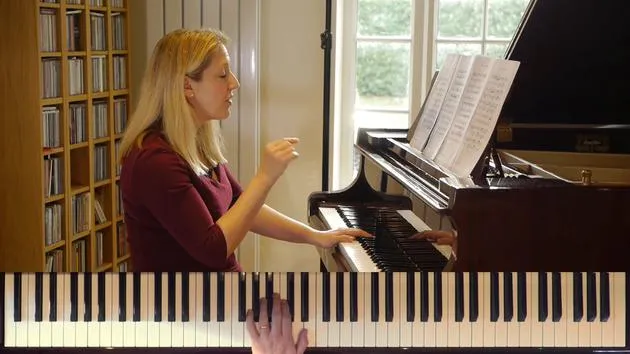
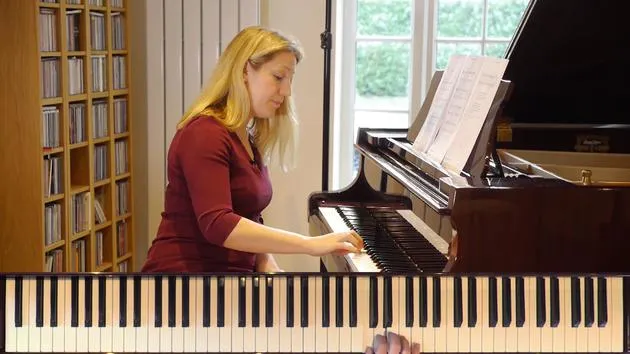
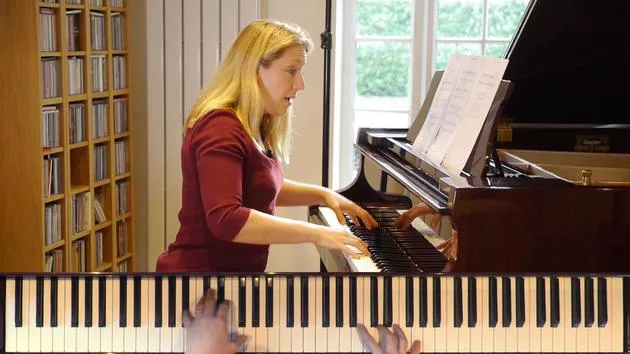
- In this piece, it is represented with the left hand
This bass line is crucial as it:
- Keeps the harmony
- Maintains the movement in the piece
Structure of the Piece
The piece is an air, the second movement of Bach's orchestral suite. The term air means an "aria," which is derived from Italian and translates to a "song-like" composition.
- We always want to maintain the purity of a song, a melody.
- It's important to think about breath support so we don't run out of breath.
- The piece has a total of 19 bars and is played very slowly.
Continuous Support
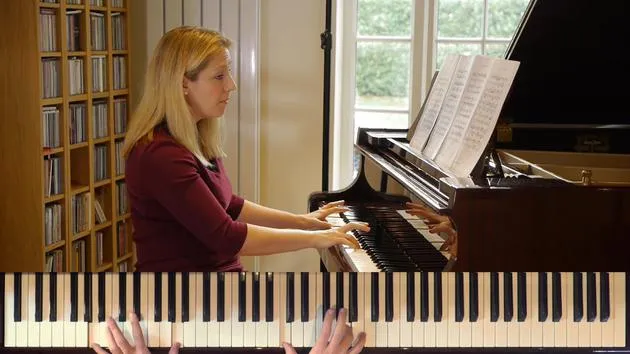
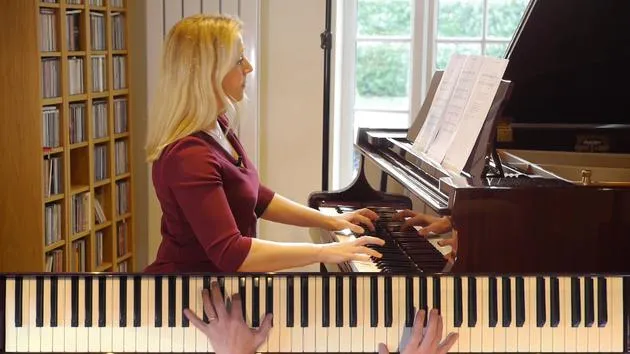
We want to achieve continuous support, much like the breath support of a singer, in the bass line, while highlighting a beautiful, refined soprano quality in the right hand.
Historical Context
The piece was transcribed by the 19th-century violinist August Wilhelm. His transcription was for violin and harmonium (an organ or a piano) with an idea focused on:
- More romanticism
- A romantic sound
Interpretation
His transcription is characterized by depth of sound, not necessarily driven by rhythmic freedom (rubato), but rather by a rich, full tone.
In future lessons, we'll delve deeper into how to create a really refined tone in performance.
21 Lektionen
0 Std. 57 Min. strukturierte Videolektionen
Erweiterte Videofunktionen
Verlangsamen, Passagen loopen, mitlesen
Handy, Tablet & Desktop
Üben, wo du willst
100 % Zufriedenheitsgarantie
30 Tage Geld-zurück-Garantie
Lern deinen Guru kennen

Lern deinen Guru kennen
Annabel Thwaite gilt als eine der vielseitigsten und charismatischsten Pianistinnen Großbritanniens und genießt eine facettenreiche Laufbahn als Solistin, Kammermusikerin, Aufnahmekünstlerin, Pädagogin und Prüferin. Sie hat alle bedeutenden Begleitpreise gewonnen, darunter die renommierten Kathleen Ferrier, Gold Medal und Richard Tauber Piano Prizes. Sie hat mit namhaften Künstlern wie Roberto Alagna, Bryn Terfel, David Kempster und "Only Men Aloud!" zusammengearbeitet.
Annabel hat für Universal records mit dem "Scottish Tenor" aufgenommen, dessen Album für einen Classical Brit Award nominiert war und regelmäßig auf Classic FM gespielt wird. Zweimal war sie Begleiterin beim Festival of Welsh Male choirs; ihre Auftritte in der Royal Albert Hall wurden von Sain aufgezeichnet und auf S4C ausgestrahlt. Sie ist außerdem Session-Pianistin für Filme und hat in den Abbey Road Studios die Musik zum Film "Awake", zur BBC-Jane-Austen-Serie "Emma", zu "The Secret Diaries of Miss Anne Lister" aufgenommen und ist zuletzt sowohl bei Blue Peter als auch bei "The Rob Brydon Show" aufgetreten.
"...zweifellos unterstützt von den offensichtlich brillanten Klavierbegleitungen von Annabel Thwaite... überaus genussvoll."
In ihren MusicGurus-Kursen – Learn Christmas Classics on Piano, Learn Classical Favourites on Piano und Growing Chamber Groups and Small Ensembles – teilt Annabel die Musikalität, die hinter dieser vielseitigen Laufbahn steht. Du lernst, geliebte Weihnachts- und klassische Stücke am Klavier zum Leben zu erwecken, deinen Anschlag und deine Phrasierung zu entwickeln und – gestützt auf ihre preisgekrönte Erfahrung als Begleiterin – zu entdecken, wie man beim gemeinsamen Musizieren mit anderen Musikern in Kammergruppen und kleinen Ensembles zuhört, führt und zusammenspielt.







