



Solieren - Arpeggien und Enclosures

Mit
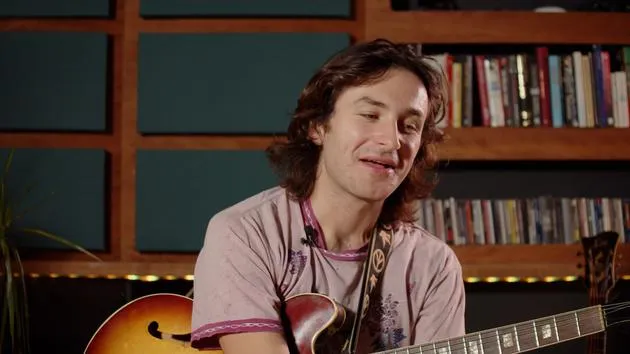
Rob Luft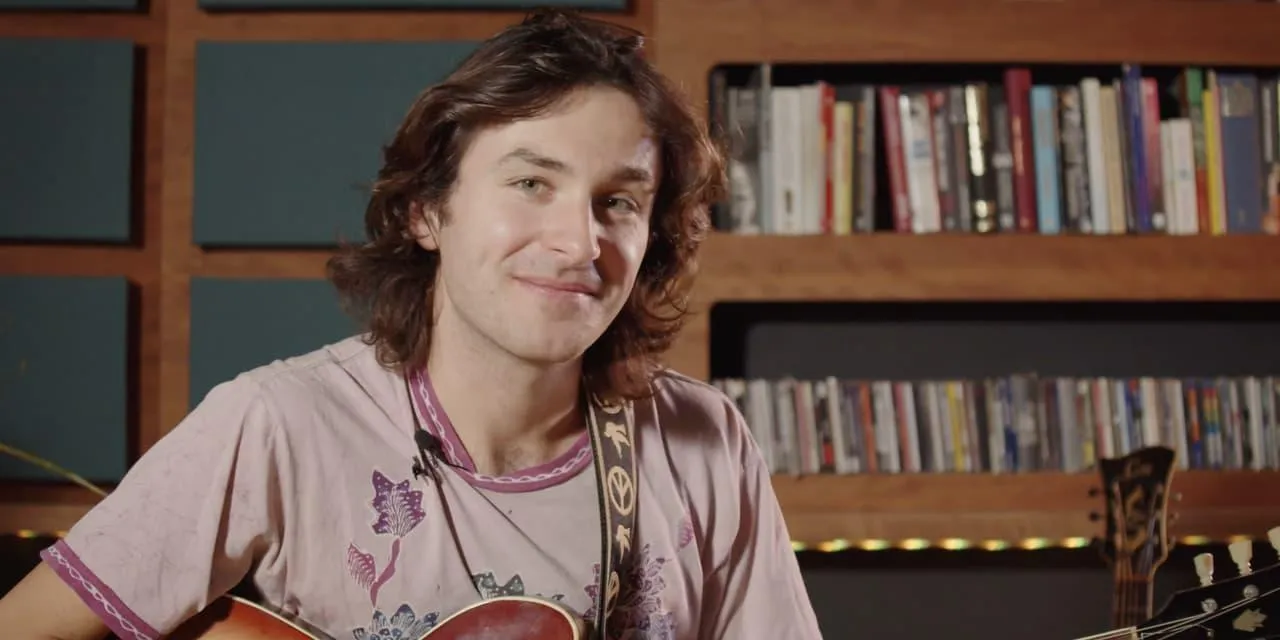
Das steckt im Kurs
28 Lektionen (2h 7m) · 1 gratis
01. Warum Django Reinhardt studieren?
3:45
02. Akkorde und Harmonie - Teil A
11:06
03. Akkorde und Harmonie - Teil B
2:21
04. Techniken der rechten Hand - Europäisch vs. Amerikanisch
5:04
05. So erzeugst du das Swing-Feel
1:51
06. Melodie-Durchgang
9:10
07. Solieren - Arpeggien und Enclosures
Du bist hier10:40
08. Solieren - Die harmonisch-Moll-Bebop-Tonleiter
8:27
09. Solieren - Einsatz von Pentatoniken
9:45
10. Clouds - Performance (Splitscreen mit Begleitung)
3:48
11. Clouds - Performance
3:49
12. Clouds - Performance (vereinfacht)
2:40
01. Warum Joe Pass studieren?
2:23
02. Einführung in das Solospiel und die Parallelharmonie
4:00
03. Verminderte Linien und „sizilianische Terzen“
5:19
04. Im Tempo spielen mit pianistischen Voicings
5:22
05. Wie man die zweite Hälfte spielt
5:06
06. Hybrid Picking vs. Fingerstyle
5:57
07. November in Norway - Performance
2:29
08. November in Norway - Aufführung (vereinfacht)
1:27
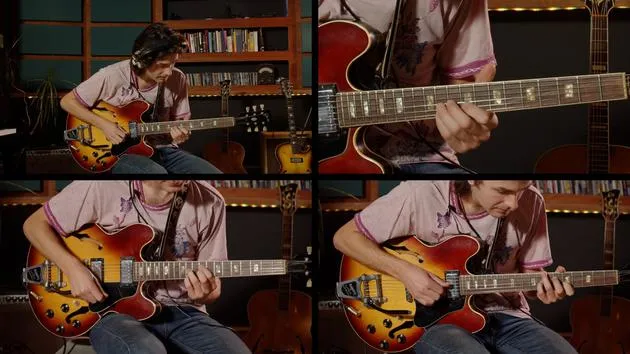
Transkript der Lektion
Improvising in the Style of Django Reinhardt
In this lesson, we're going to explore how to improvise in the style of Django Reinhardt over a chord sequence. Django was famous for a variety of techniques and melodic ideas that he employed throughout his career.
Key Techniques
1. Fast Vibrato
- Django was renowned for his very fast vibrato on the melody notes.
- For example, if he was playing an A on the 10th fret of the B string, he wouldn't just play it plainly.
- He might use this fast vibrato in the left hand, which can be heard throughout his recordings, particularly if you preface it with the F major scale.
Try This:
- Play the F major scale from octave A to A and hear how Django would finish it.
- This fast vibrato adds sustain to long notes, anchoring the sound in Django's style.
2. Arpeggiated Playing Style
- Django often played in a very arpeggiated style.
- For instance, over a D flat seventh or a D flat ninth, he would play beautiful arpeggios starting on the third.
Example:
- Articulate the 3, 5, 7, 9, and then descend using the 6th to the 5th. This works nicely over D flat 7 and can be mirrored on C7 to resolve nicely to F major.
3. Use of Chromaticism
- Another hallmark of Django's playing is light chromaticism between chord tones.
- To get from the third to the fifth of F major, Django might play it using the flat third (the bluesy A flat):
Sample Phrase:
- "F - A - A flat"
- This sound is bluesy and chromatic while still outlining an F major sound.
4. Enclosures of Chord Tones
- Django often used enclosures of chord tones.
- For example, surrounding the notes of the chord F, A, and C with additional melody notes.
Example Phrase:
- This can be very ergonomic on the guitar and allows for fluid phrasing. When played correctly, it easily flows off the fingers.
Applying Techniques to Chord Progressions
Example Chord Sequence:
- Start with D flat seventh.
- Transition to C7, then resolve to F major.
Minor Chord Sequences
Shifting to the relative minor, the chord sequence often moves to D minor, using 2, 5 transitions like E half diminished to A7, then resolving to D minor.
- Musicians like Django used alternating arpeggios between dominant and tonic chords, cycling between seventh and D minor for a cohesive sound.
Breakdown of the Technique:
- Start with an A7 flat ninth arpeggio (starting on A C sharp).
- Move to a D minor arpeggio (starting on F).
- Repeat with octaves, resolving to the D minor's third.
Chord Sequence:
This creates a wonderfully flowing sequence.
Playing Variations
- If you want to play slower, you can simply elongate the phrases.
- For a faster tempo, consider using triplets.
These techniques allow for a rich tapestry of sound, drawing on Django's influences while ensuring your improvisation retains that characteristic swing and flair.
Final Thought
Through these techniques, you can embody the spirit of Django Reinhardt and enrich your improvisational vocabulary. Happy playing!
28 Lektionen
2 Std. 7 Min. strukturierte Videolektionen
Erweiterte Videofunktionen
Verlangsamen, Passagen loopen, mitlesen
Handy, Tablet & Desktop
Üben, wo du willst
100 % Zufriedenheitsgarantie
30 Tage Geld-zurück-Garantie
Lern deinen Guru kennen
Lern deinen Guru kennen
Rob Luft ist ein preisgekrönter Musiker aus London, der weithin als einer der herausragendsten und talentiertesten jungen zeitgenössischen Jazzgitarristen des Vereinigten Königreichs beschrieben wird. Von The Times als jemand gelobt, der 'in Zukunft Großes erreichen wird', gewann Rob 2016 den Kenny Wheeler Jazz Prize in Zusammenarbeit mit Edition Records und belegte 2016 den 2. Platz beim Montreux Jazz Guitar Competition. Sein Debütalbum 'Riser' erschien im Juli 2017 und erhielt in den europäischen Jazzmedien breite kritische Anerkennung. John Fordham schrieb im The Guardian, es sei ein 'sehr raffiniertes Debüt, doch angesichts von Lufts altweisen Leistungen seit seiner frühen Jugend hätten wir es kommen sehen müssen'.
'So jung und so talentiert!' - Jamie Cullum, BBC Radio 2 (UK)
'...ein außergewöhnliches Talent!' - Julian Joseph, BBC Radio 3 (UK)
'Die Virtuosität der drei [Gitarristen Al di Meola, John McLaughlin und Paco de Lucia] erinnert an den 23-jährigen Londoner Rob Luft, der als neues "Wunderkind" gefeiert wird' - Spiegel Online (D)
In Play Authentic Jazz Guitar öffnet Rob die harmonische Sprache, die Phrasierung und die Improvisationsinstinkte hinter diesem 'altweisen' Sound und zeigt dir, wie er wirklich über das Griffbrett denkt, damit du beginnen kannst, deine eigene Stimme im Jazz zu finden.







