



Sei neugierig, verstehe die Stile und die Maschinen
Lesson time: (5min 56sec)
Course preview
This lesson is part of the course Finde deinen eigenen Weg in House und Techno mit DJ Deep
Watch a preview of the full course below.
Lesson transcript:
Tips for Younger DJs and Producers
The tips I would give to younger DJs or producers are to really be curious about the different styles. Personally, I learned from challenging myself to understand the differences between various artists and styles.
Understanding Influences
For instance, in the late 80s, if you listen to Derek May and his DJing style, it was really wild.
"The guy was like a tiger jumping from one record to the other, always creating energy and always going from one style to the other."
When I read about the history or had the chance to meet Derek and speak to other DJs, they often shared insights. For example, Derek mentioned the influence Ron Hardy had on him:
"I would drive to Chicago and hear him play. He was playing the records real fast and mixing them in a way that gave electricity to the room."
So, what I'm trying to tell you is that I learned from Derek, who learned from Ron Hardy. We're all learning from one another.
The Importance of Studying
However, it's not only about learning; it's about studying. There is:
- What the artist gives you
- What you go and get
It may sound obvious, but it's a good tip. For instance, if you look through records in New York, consider how the Barel On New Groove produced music. Ask yourself:
- How did it sound?
- Why was it jazz-infused?
They also created tracks that have a very Chicago or electronic influence. It's interesting to always be curious.
"There is this big flavor this artist is doing, but he's also doing this. Why?"
That's the best tip I could give to someone wanting to discover music: go to the end of it and understand why it sounds the way it does.
Explore Online Resources
To listen to older mixes or those from DJs who have passed away, you can explore amazing resources like Mixes DB, which is a huge catalog of DJ mixes.
There are many websites where you can navigate these mixes. But you really have to dig deep to understand the differences.
Studying Production Techniques
When it comes to producing, I've been studying records from artists like Totteri and Masters at Work from New York, as well as Chicago artists like Armando and Tyree Cooper.
"The more you study, the more you understand how the artists work."
For example, with Masters at Work and Totteri, they used drum machine samplers such as the MPC 3000 or SP1200. Those machines had a specific sound and groove that shaped their music.
- Armando or Mike Dunn were using 909 or 808 drum machines with TB303, which created the sounds they loved.
The more you understand the techniques, the more it helps you focus on the music and its classification.
Vintage Equipment Insights
To illustrate, I realized that Derek May or even Carl Craig initially used older samplers, like:
- Ensoniq Mirage sampler
This sampler had a very specific grain and texture that gave their music its charm.
Mentorship through Observation
What I'm saying is similar to having mentors or virtual mentors as teachers. You might say:
"Okay, I'm in love with the way Little Wee Vega mixes. I'm going to learn as much as I can from watching him, listening to him, and understanding the equipment he uses and why."
The same applies to producing. All producers know that:
"The more you know about the instruments that people use, the better you can analyze their music and understand why it moves you in a particular way."
Conclusion
This was a quick summary of how you can learn by researching artists and DJs to gain insights into their influences and equipment.
Of course, online, there are countless resources that outline what sounds or machines help shape music styles in various cities. Every producer or music fan can tell you how significant certain machines were.
For instance, Totteri is a prime example. The early Totteri productions heavily featured the MPC SP1200, a legendary drum machine also prevalent in hip-hop.
This machine had such grain and character that it made his music truly stand out.
In my opinion, the genius works both ways:
"The machine is amazing, the producer is amazing. Combined together, it's magic."
About the instructor
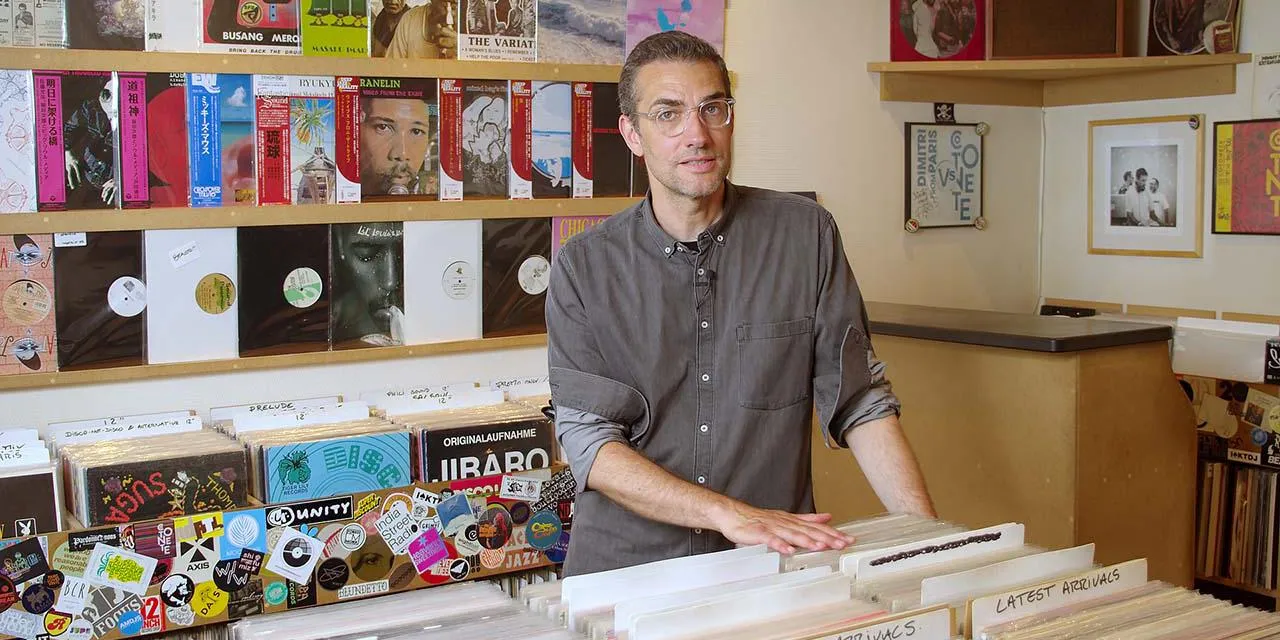
DJ Deep ist ein französischer House- und Techno-Produzent und DJ und der Mann hinter dem Label Deeply Rooted (früher Deeply Rooted House). Über mehr als 20 Jahre war er einer der großen Kuratoren der Dance-Musik, und genau dieses Gehör dafür, was einen Track wirklich funktionieren lässt, macht ihn zu einem Wegweiser, von dem zu lernen sich lohnt. 'Ich sehe meinen Job darin, ein großer Filter zu sein', sagt er und spielt damit eher die Rolle herunter, die der Franzose in der Entwicklung der House-Musik gespielt hat. 'Als Vinyl-Junkie bin ich fast täglich in den Plattenläden auf der Jagd nach Krachern. Zu teilen, was ich für die großartigsten Platten des Moments oder die zeitlosesten persönlichen Klassiker halte, ist etwas, das mich über die Jahre angetrieben hat.' Cyril Etienne trat aus der Pariser Szene hervor, um auf der Weltbühne wirklich Eindruck zu machen. Er begann damit, für Laurent Garnier auf Partys wie Oz und Zoo im Club Palace aufzulegen, wurde dann Stammgast im Rex Club und etablierte seinen einzigartigen Geschmackssinn mit seinen 'A Deep Groove'-Sendungen auf dem Piratensender Radio FG und später auf Radio Nova. Rasch stieg er dazu auf, weltweit aufzulegen, und trug dabei stets einen von seiner Liebe zu Chicago, New York und Detroit geprägten Sinn für Geschichte mit sich. Er verwischt die Grenzen zwischen House und Techno und verbindet zugleich klassische und zeitgenössische Cuts mit seinem eigenen Erzählgefühl – nicht nur als DJ und Produzent, sondern auch als Labelchef und Party-Kurator. Seit 2003 leitet er sein eigenes zukunftsgewandtes Label Deeply Rooted, gleichbedeutend mit stilvollem, wurzeltreuem House und Techno von neuen und etablierten Größen wie Kerri Chandler, Ben Klock, Francois X, Ben Sims und Roman Poncet sowie dem aufstrebenden französischen Star und Concrete-Paris-Stammgast Marina Trench. Seine eigene Raw-Cuts-Reihe schlägt die Brücke zwischen der innigen Emotion des House und der direkten Wucht des Techno. Über sein eigenes Label hinaus hat er auf Rekids, Kaoz Theory und Tresor veröffentlicht und als Remixer Künstler wie Carl Craig, St Germain, DJ Honesty, Scan 7, Borderland (Juan Atkins) und Point G überarbeitet, wobei er stets seine einzigartig warmen Atmosphären in alles einbringt, was er herausbringt. Außerdem macht er unter diversen anderen Aliassen Musik: Rebeval, mit roher klingendem Material auf L.I.E.S.; Sergie Rezza, ein Kollaborationsprojekt und gleichnamiges Label gemeinsam mit Roman Poncet, das experimentelleren, ambientdurchsetzten House und Techno sowohl im EP- als auch im LP-Format auslotet; Fang, für zeitgenössischen House; und Adventice, für treibenden, klassisch verwurzelten Techno, mit Veröffentlichungen auf Tresor und Liveauftritten an Orten wie Berlin Atonal. Seine eklektischere Seite kommt in seinen Open-Library-Radiosendungen auf Worldwide FM zum Vorschein – zweistündige Fenster aus Jazz, Soul, Dub, Funk und Ambient, die ganz besondere, immersive Soundtracks ergeben. Was auch immer er spielt oder produziert, DJ Deep hat stets etwas Hörenswertes. In Find Your Own Path in House & Techno teilt er, wie er Tracks auswählt, anordnet und formt, sodass du, statt Trends hinterherzujagen, einen Sound und einen Geschmack aufbauen kannst, die unverkennbar deine eigenen sind. read more