



Transkription und „Role Playing“
Mit
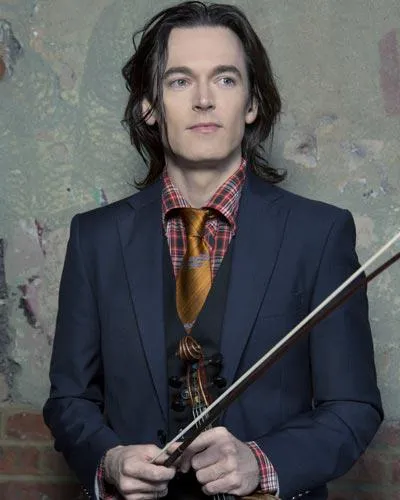
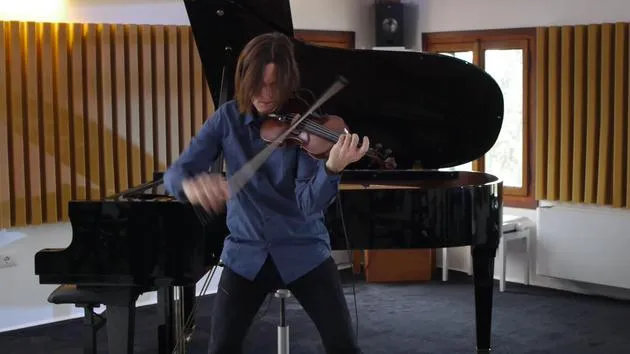
Zach BrockZach spricht über die Techniken, mit denen er Stücke und Licks übertrug, die ursprünglich nicht für Saiteninstrumente gedacht waren, und wie du das, was du durch Transkription und Imitation lernst, nutzt, um deinen eigenen Stil und dein Vokabular zu entwickeln.
Das steckt im Kurs
24 Lektionen (2h 32m) · 1 gratis
Transkript der Lektion
Getting Into Jazz Phrasing and Sound
I want to tell you about a trick that I used for myself to get more into jazz phrasing and sound. This goes hand in hand with something called transcription, which I mentioned earlier.
Understandingion
Transcription is a real art, especially for every improviser. As you delve into more complicated improvised systems, like jazz, which comes from an oral tradition, it's important to recognize that skills are passed down not by the written page, but from player to player, from master to apprentice.
What ision?
Transcription is basically the ability to reproduce what someone else did on their instrument, then internalizing it so that you can play it like they played it. Once you're able to do that, you reflect back on it, analyzing the aspects of their practice that led them to play in that way.
The process can be broken down into three stages:
- Capturing the Performance Accurately
- Analysis
- Developing Your Own Variations
Working on Jazz Solos
I was having a hard time figuring out bowings that worked with phrasing. I really tried to work on Charlie Parker and some of his bebop solos. I learned a few shorter ones, but when I played them, it still sounded to me like a violin player.
Role Playing Technique
What I needed to do was some role playing. This is something you can do in any style and at any stage of your development. You don't even have to focus directly on transcription; you can take an imaginative approach.
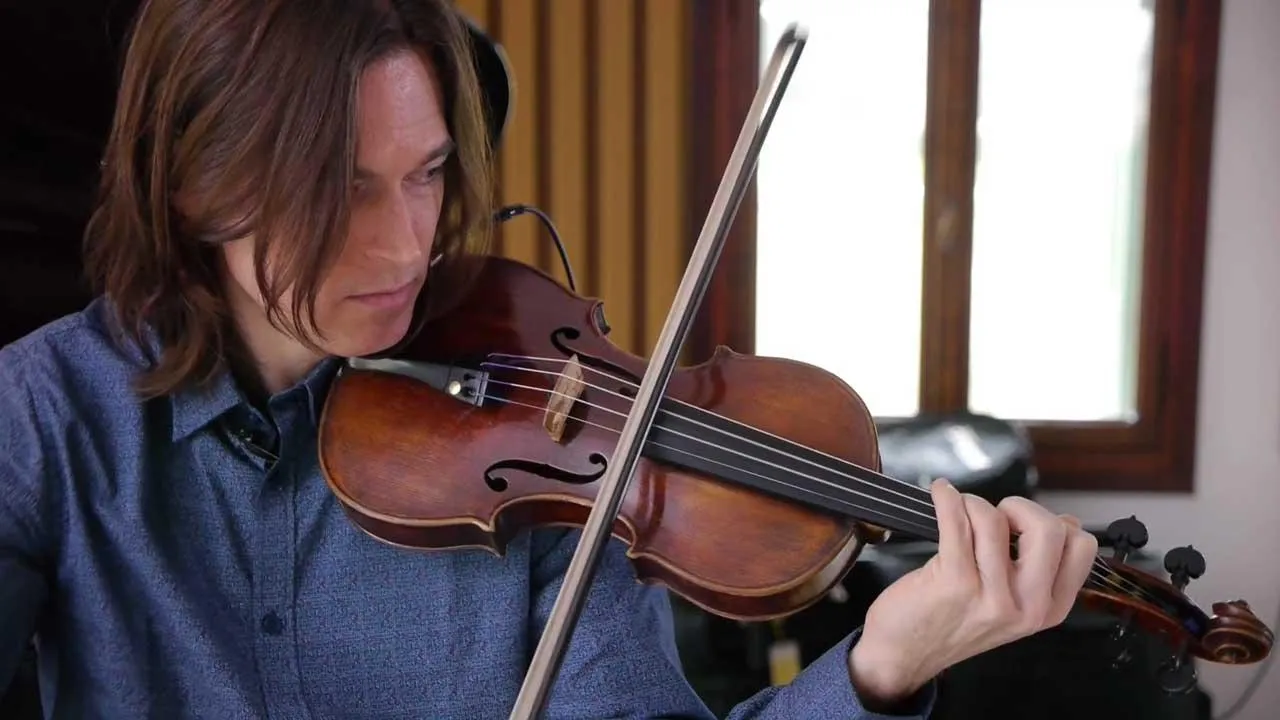
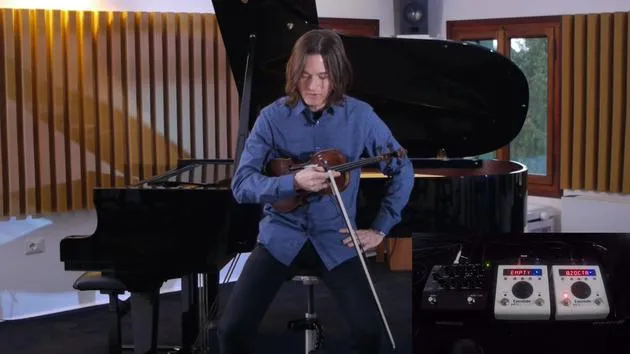
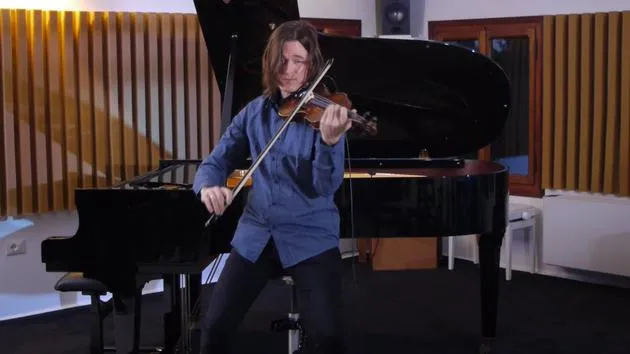
What I did was a little unusual: I imagined Charlie Parker playing these solos to understand how I could do it on the violin. In my mind, I envisioned archival footage of him in a grainy black and white setting, but instead of playing the alto saxophone, I imagined him playing the violin.
I listened to his solo on loop, visualizing him producing sounds on the violin.
Tools forion
As I started to transcribe using programs like Transcribe, Amazing Slowdowner, and Anytune Pro, I would imagine Charlie Parker playing the violin.
These tools allowed me to:
- Chop solos into chunks
- Slow down sections
- Change tuning and pitch
As I immersed myself in the phrases, listening to him, I started to see where he changed bow strokes by ear.
Understanding Phrasing
Eventually, this process became less meditative and I began to hear changes in phrasing and bow strokes in horn players' lines.
This technique isn't limited to jazz. If you love guitar players, for instance, you can imagine their right-hand articulation and apply it to the violin.
Imitation as a Learning Tool
This process can be likened to mastering a language. Just like a child learns through imitation, you should approach your development in the same way.
It's key to remember that:
"Everything that you play has been played by somebody else before."
The route to becoming an eloquent improviser is rooted in acquiring vocabulary and phrasing through imitation.
Choosing Role Models
Pick your role models, be it Charlie Parker, El Subramaniam, Natalie MacMaster, or anyone else, to be your guides in this imitation process. By doing so, you will significantly expand your abilities as an improviser.
24 Lektionen
2 Std. 32 Min. strukturierte Videolektionen
Erweiterte Videofunktionen
Verlangsamen, Passagen loopen, mitlesen
Handy, Tablet & Desktop
Üben, wo du willst
100 % Zufriedenheitsgarantie
30 Tage Geld-zurück-Garantie
Lern deinen Guru kennen
Lern deinen Guru kennen
Zach Brock, gefeiert als „der herausragende improvisierende Geiger seiner Generation“, ist ein Violinist und Komponist, dessen Musik aus den Traditionen des Jazz, der Klassik, der Weltmusik und der Popmusik schöpft.
Zach erhielt 2017 seinen ersten Grammy Award für seine Mitwirkung am Album Culcha Vulcha von Snarky Puppy. Seine Anerkennung als Bandleader wuchs durch Auftritte in Sälen wie der Carnegie Hall und bei Festivals wie „Tudo e Jazz“ in Brasilien, während sich sein Ruf als Sideman durch die Zusammenarbeit mit dem legendären Bassisten Stanley Clarke, der zeitgenössischen Instrumental-Supergroup Snarky Puppy und den Jazzmeistern Phil Markowitz und Dave Liebman verbreitete.
Zach hat zehn Aufnahmen als Leader oder Co-Leader eingespielt und ist der erste Geiger, der für das altehrwürdige niederländische Jazzlabel Criss Cross aufgenommen hat. Außerdem hat er das US-Außenministerium als musikalischer Botschafter auf den Salomonen vertreten, als Gastsolist für die Filmmusik zweier Spielfilme des Sundance Festivals gespielt und ist derzeit Artist in Residence an der Temple University in Philadelphia.
In seinem Kurs lernst du, auf der Violine direkt aus der Quelle zu improvisieren: wie Zach an Melodie, Rhythmus und Harmonie herangeht und wie du beginnst, deine eigene Stimme zu finden, so wie er es an der Seite von Snarky Puppy und darüber hinaus getan hat.







