



Übungs-Hack - Fingersatz-Flüssigkeit

Mit
Zach BrockZach Brock teilt seinen Übungs-Hack, um Fingersatz-Flüssigkeit in allen zwölf Tonarten aufzubauen, ohne in allen zwölf zu spielen, und warum die Intervalle innerhalb einer Melodie wichtig sind.
Das steckt im Kurs
24 Lektionen (2h 32m) · 1 gratis
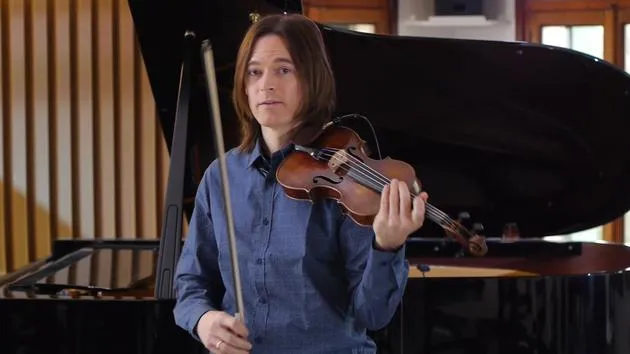
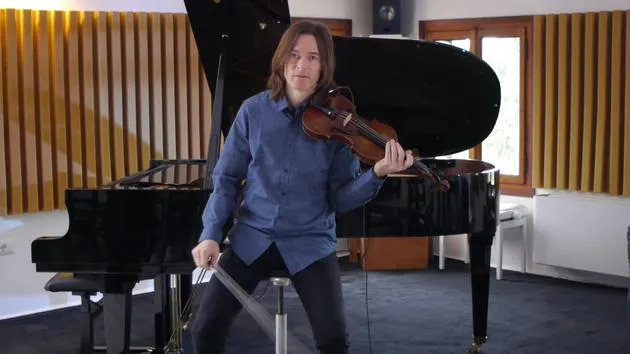
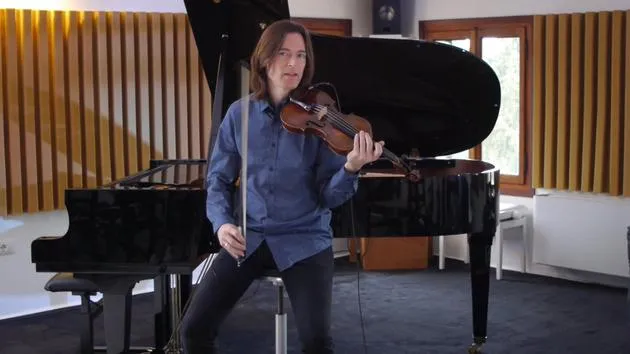
Transkript der Lektion
Advanced Exercises for Improvisation
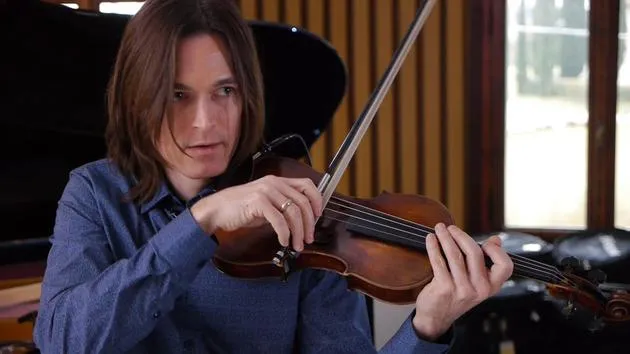
I promised I would get into some more advanced exercises for those of you that have covered a lot of the basics. Today, I want to show you an exercise that I have a lot of fun with, and I'm sure you will, too.
Understanding Intervals in Melody
As you begin to improvise your melodies, it's essential to become aware of:
- The underlying harmony
- The groove
- Intervals in the melodies that you play
As violinists and string players, we sometimes take melodies for granted, playing them without analyzing their intervals. Understanding these components is especially useful as you expand your improvisatory palette. Knowing the intervals allows you to:
- Use familiar patterns
- Alter intervals to create variations
- Fit different harmonies or flip the intervals around
Classical players may be more familiar with terms such as inversion or retrograde inversion, and these terms relate directly to your ability to manipulate melodies.
Example: Analyzing "Danny Boy"
Let's take a look at the melody of "Danny Boy."
I will play it starting on my first finger, but I'll play it up higher on the violin just because I want to. Here's the breakdown of the intervals:
- Minor second (ascending)
- Major second (ascending)
- Major second (ascending)
- Major second (descending)
- Major second (ascending)
- Perfect fourth (jump up)
- Major second (down)
Practicing with Different Fingerings
Now, let's take a snippet of that and explore how to apply this over the instrument.
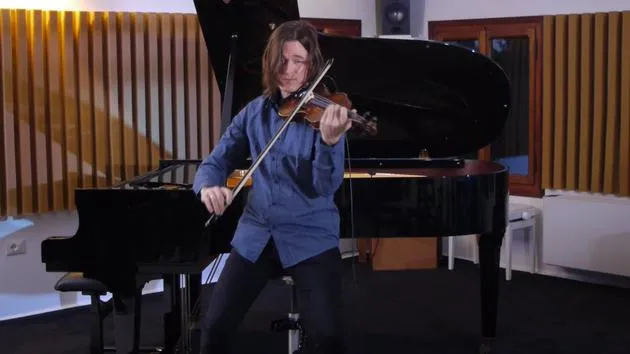
- Start on your first finger playing the note A natural.
- Now, let's do the same thing up an octave starting with our second finger.
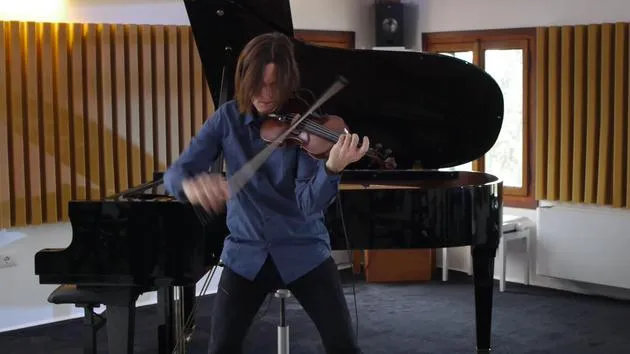
- Next, play the same passage starting on your third finger.
- Finally, play it starting on your fourth finger.
Additionally, you have one more option without even needing to transpose: start on an open string.
This may seem strangely more challenging than it appears at first for some of you.
Covering All Fingering Options
If you practice starting on:
- First finger
- Second finger
- Third finger
- Fourth finger
- Open string
You'll have covered every fingering in any key!
This serves as a great practice hack for when you don't have the time to run through all fingerings and all 12 keys.
Benefits of This Exercise
When you explore all the fingerings of a motif, you also gain the ability to move it around your instrument. The key becomes less important; here's how:
- Once you're comfortable with a specific fingering, you can randomize it.
- This approach helps you break out of hearing a certain motif in just one key.
For example, take "Danny Boy" and experiment by moving it around, starting in third position on the E string and continuing downward into first position. You can even incorporate open strings along the way.
Expanding Your Improvisation
This exercise opens up your ability to play melodies wherever you wish. It challenges you to improvise, breaking free from staying in first or open position. You can explore different areas of the violin as your imagination takes you.
Incorporating Other Melodies
If "Danny Boy" doesn't inspire you, consider something from the bebop lexicon, like "Donna Lee."
- Start with your second finger and play.
- Then, switch to your first finger.
- Next, try your third finger, moving to your fourth finger.
As you work, find an open string to facilitate the exercise. This may skip ahead a few steps, but that's the nature of developing your skills.
Your Assignment
I encourage you to take a melody that you know well and:
- Analyze the intervals that form it.
- Experiment with moving it around.
- Start using different fingerings and open strings.
Additionally, consider applying it through:
- The cycle of fourths
- The cycle of fifths
- Chromatic movements
By doing this, you'll enhance your improvisational abilities and gain greater mastery over your playing. Happy practicing!
24 Lektionen
2 Std. 32 Min. strukturierte Videolektionen
Erweiterte Videofunktionen
Verlangsamen, Passagen loopen, mitlesen
Handy, Tablet & Desktop
Üben, wo du willst
100 % Zufriedenheitsgarantie
30 Tage Geld-zurück-Garantie
Lern deinen Guru kennen
Lern deinen Guru kennen
Zach Brock, gefeiert als „der herausragende improvisierende Geiger seiner Generation“, ist ein Violinist und Komponist, dessen Musik aus den Traditionen des Jazz, der Klassik, der Weltmusik und der Popmusik schöpft.
Zach erhielt 2017 seinen ersten Grammy Award für seine Mitwirkung am Album Culcha Vulcha von Snarky Puppy. Seine Anerkennung als Bandleader wuchs durch Auftritte in Sälen wie der Carnegie Hall und bei Festivals wie „Tudo e Jazz“ in Brasilien, während sich sein Ruf als Sideman durch die Zusammenarbeit mit dem legendären Bassisten Stanley Clarke, der zeitgenössischen Instrumental-Supergroup Snarky Puppy und den Jazzmeistern Phil Markowitz und Dave Liebman verbreitete.
Zach hat zehn Aufnahmen als Leader oder Co-Leader eingespielt und ist der erste Geiger, der für das altehrwürdige niederländische Jazzlabel Criss Cross aufgenommen hat. Außerdem hat er das US-Außenministerium als musikalischer Botschafter auf den Salomonen vertreten, als Gastsolist für die Filmmusik zweier Spielfilme des Sundance Festivals gespielt und ist derzeit Artist in Residence an der Temple University in Philadelphia.
In seinem Kurs lernst du, auf der Violine direkt aus der Quelle zu improvisieren: wie Zach an Melodie, Rhythmus und Harmonie herangeht und wie du beginnst, deine eigene Stimme zu finden, so wie er es an der Seite von Snarky Puppy und darüber hinaus getan hat.







