



Modi
Mit
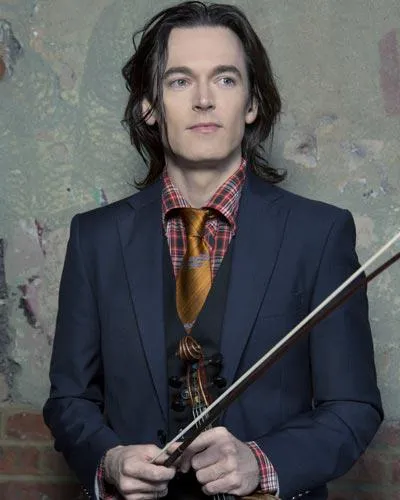
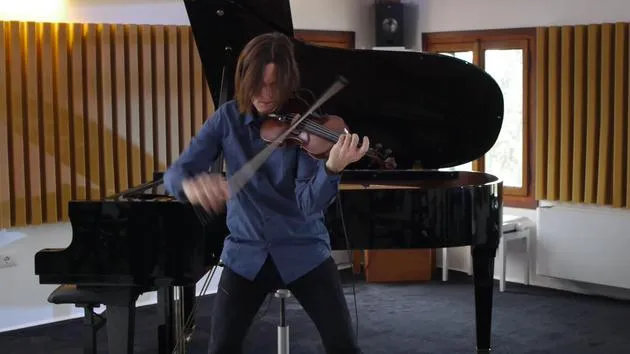
Zach BrockZach zeigt dir, wie du dein Spiel aufwertest, indem du die Modi verstehst und einsetzt. Inklusive, wie du das Üben mit einem Bordunton (Drone) unterhaltsam machst.
Warum postest du nicht ein Video, in dem du zu einer Drone jammst, in der exklusiven Facebook-Gruppe dieses Kurses - Improvise & Groove on Strings?
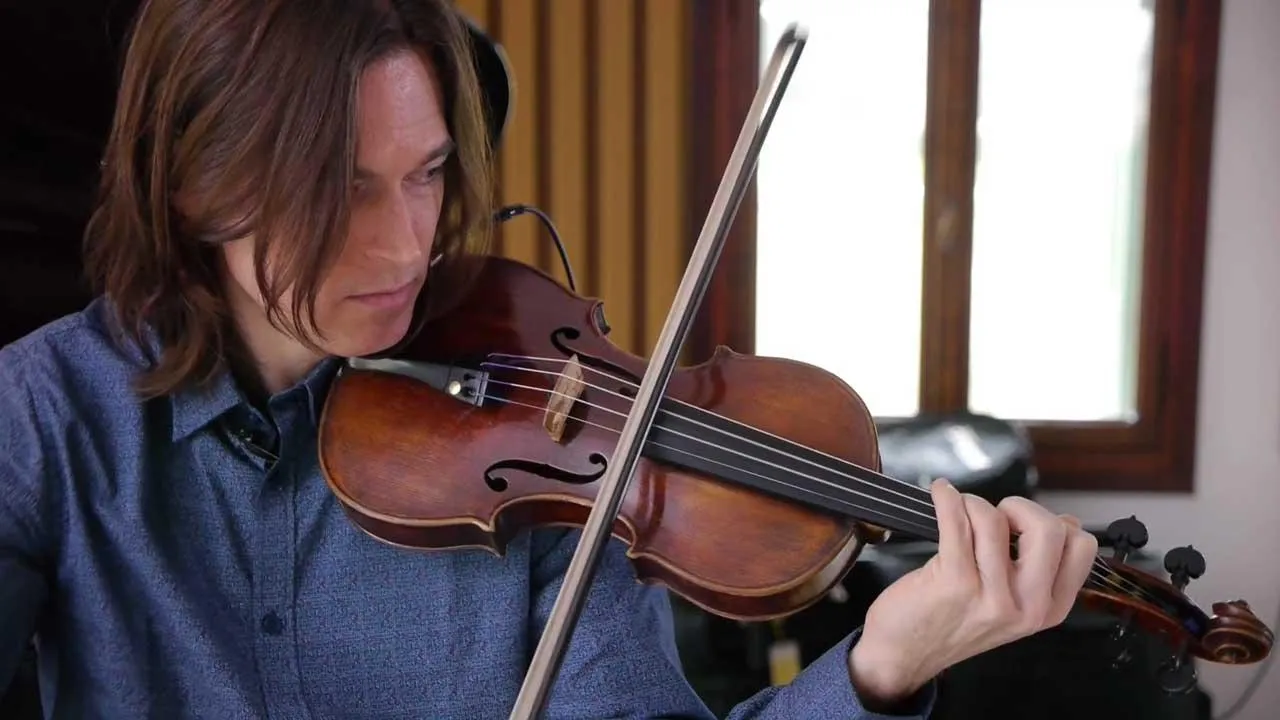
Das steckt im Kurs
24 Lektionen (2h 32m) · 1 gratis
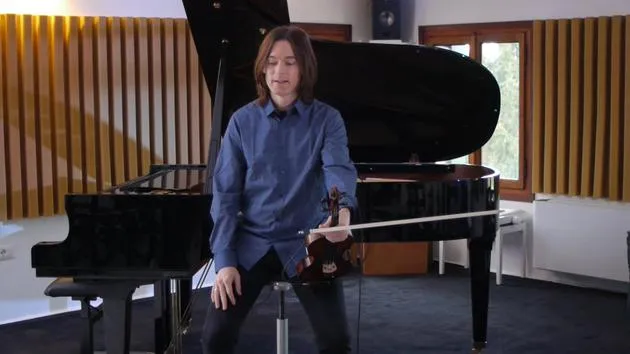
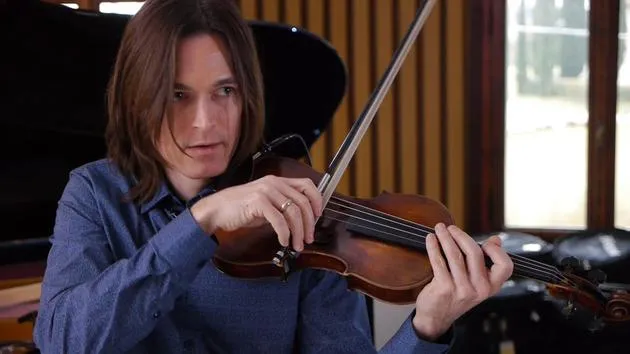
Transkript der Lektion
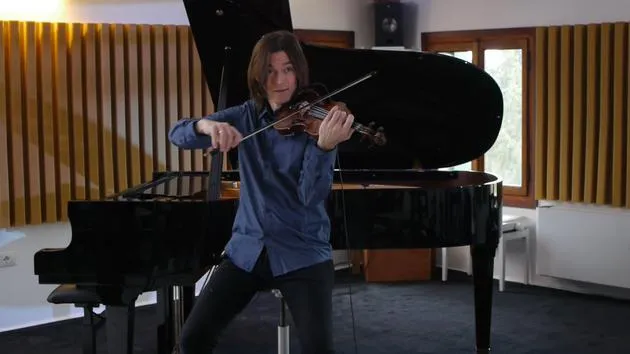
Understanding Modes in Music
Now we're going to talk about modes. This is definitely something that is useful for players of all styles. This can really hip up your folk playing.
If your intention is to play folk music, which is maybe not harmonically as dense as certain other types of music but certainly very beautiful, you might want to figure out ways of making your lead lines, melodies, or riffs kind of spicier.
As you get into more advanced improvisation, it becomes second nature.
The Modes Breakdown
- G Major: First Mode (G to G)
- Second Mode: A to A
- Third Mode: F# (B to B)
- Fourth Mode: C to C
- Fifth Mode: D to D
- Sixth Mode: E to E
- Seventh Mode: F# to F#
What is a Mode?
That's what a mode is. Each mode has a name:
- Ionian
- Dorian
- Phrygian
- Lydian
- Mixolydian
- Aeolian
- Locrian
However, if you can't associate those names with a sound or a certain flavor or color, it's not going to do you any good at all.
This can make playing scales on your instrument in different ways actually a lot of fun. Getting used to playing modes in all keys allows you to access the colors and flavors of each scale and tonality. This can really bring interest to your improvisation and add certain flavors and eloquence to your melodies.
Practicing Modes
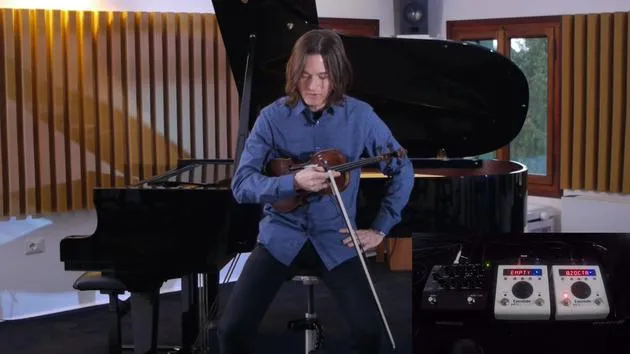
I had a teacher who had me practice modes by making a recording of a vamp in the tonality and then improvising over it with each mode. Nowadays, a lot of you out there have loop pedals, or you can use an electric tuner or a piano with a sustain pedal where you just hit one note and let it sustain.
Here's How to Practice
-
Create a Drone:
- I'm going to give myself a G drone, just the note G.
-
Play the Modes:
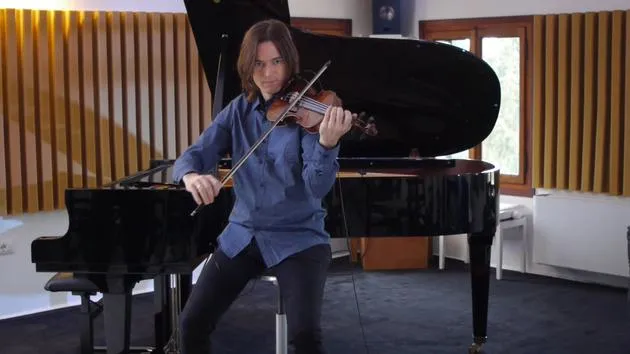
- Now, I'm going to play these modes over that so you can hear what that sounds like and then improvise a little bit.
Modes in Action
-
Ionian (G Major): Let's start with G major again.
-
Dorian: The second mode is Dorian. This is a minor-sounding scale, but there's something different about it. The sixth degree of the scale is high (F#), giving it a unique flavor. This is really the common minor sound in jazz music and a lot of newgrass and folk music.
-
Phrygian: The third mode is Phrygian. It's like a minor scale, but with a flat two (lowered second degree) and a lowered sixth.
-
Lydian: Using the fourth mode, Lydian, often heard in scenes from The Simpsons and other movies.
-
Mixolydian: The fifth mode is Mixolydian, which is a major scale with a lowered seventh degree.
-
Aeolian: The sixth mode is what classical musicians consider a minor sound, with a flat three and a flat six.
-
Locrian: Finally, the Locrian mode (seventh degree) offers very tense sounds, which we'll talk more about in relation to harmony later on.
Your Assignment
Pick a major scale that you're really comfortable with and play it like we did:
- First degree to first degree
- Second degree to second degree
- And so on, playing through all the modes.
This is just a little preparatory exercise that will take you 30 seconds or less.
Using a Drone
If you can, create a drone sound to ground you in that key.
- For example, we have this G drone, and I'm thinking G major. I'm going to improvise a bit on each mode and highlight these colors.
Explore Different Intervals
Remember, you don't have to be playing a complicated bebop tune to get a lot out of modes, it's great for a song just in one key.
You can find a lot of different colors from your plain old major scale. But don't stop there!
-
Double Stops: Play** thirds** and sixths, being mindful of the key signature (remember that F# if you're playing in G).
-
Try Seconds: You can discover beautiful sounds in there as well.
What you're doing is associating different creative, evocative sounds with the G major scale.
You all know a G major scale, and if you're watching this, there's so much you can start to do with what you already know!
24 Lektionen
2 Std. 32 Min. strukturierte Videolektionen
Erweiterte Videofunktionen
Verlangsamen, Passagen loopen, mitlesen
Handy, Tablet & Desktop
Üben, wo du willst
100 % Zufriedenheitsgarantie
30 Tage Geld-zurück-Garantie
Lern deinen Guru kennen
Lern deinen Guru kennen
Zach Brock, gefeiert als „der herausragende improvisierende Geiger seiner Generation“, ist ein Violinist und Komponist, dessen Musik aus den Traditionen des Jazz, der Klassik, der Weltmusik und der Popmusik schöpft.
Zach erhielt 2017 seinen ersten Grammy Award für seine Mitwirkung am Album Culcha Vulcha von Snarky Puppy. Seine Anerkennung als Bandleader wuchs durch Auftritte in Sälen wie der Carnegie Hall und bei Festivals wie „Tudo e Jazz“ in Brasilien, während sich sein Ruf als Sideman durch die Zusammenarbeit mit dem legendären Bassisten Stanley Clarke, der zeitgenössischen Instrumental-Supergroup Snarky Puppy und den Jazzmeistern Phil Markowitz und Dave Liebman verbreitete.
Zach hat zehn Aufnahmen als Leader oder Co-Leader eingespielt und ist der erste Geiger, der für das altehrwürdige niederländische Jazzlabel Criss Cross aufgenommen hat. Außerdem hat er das US-Außenministerium als musikalischer Botschafter auf den Salomonen vertreten, als Gastsolist für die Filmmusik zweier Spielfilme des Sundance Festivals gespielt und ist derzeit Artist in Residence an der Temple University in Philadelphia.
In seinem Kurs lernst du, auf der Violine direkt aus der Quelle zu improvisieren: wie Zach an Melodie, Rhythmus und Harmonie herangeht und wie du beginnst, deine eigene Stimme zu finden, so wie er es an der Seite von Snarky Puppy und darüber hinaus getan hat.







