



Dynamik & Fader-Rides
Goetz Botzenhardt formt die Dynamik einer Filmszene mit Fader-Rides und baut den Kontrast zwischen ruhigen Momenten und großen orchestralen Steigerungen auf.
Das steckt im Kurs
16 Lektionen (1h 36m) · 1 gratis
01. So verwendest du Filmmaterial und Audio zusammen in Pro Tools
19:52
02. Eine Orchesteraufnahme importieren - Schlüsselkonzepte
8:10
03. Stems & Hall
8:51
04. Weitere Parts zum Mix hinzufügen – perkussive Elemente
4:33
05. Der Mixing-Prozess
6:35
06. Dynamik & Fader-Rides
Du bist hier3:08
07. Durchgang durch Goetz' gesamtes Mixing dieser Filmmusik
5:02
08. AUFGABE #2: ERSTELLE EINEN MIX
0:40
09. CHALLENGE #1: MIX ZUM FILM
0:55
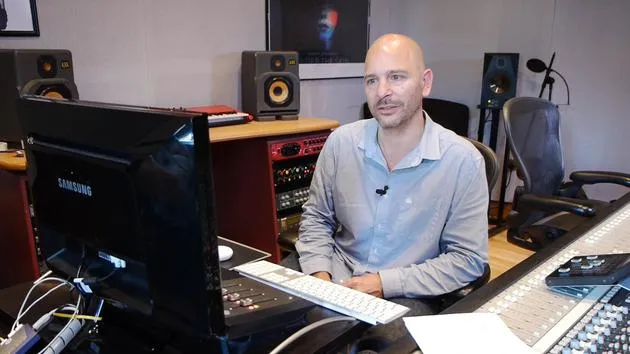
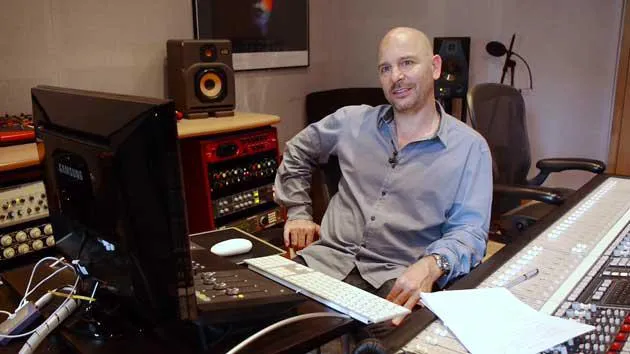
Transkript der Lektion
Understanding Dynamics in Film Music
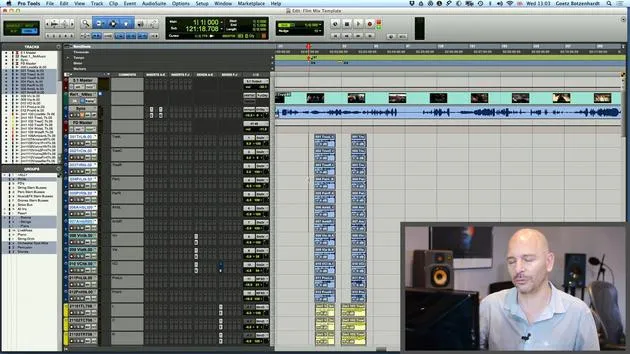
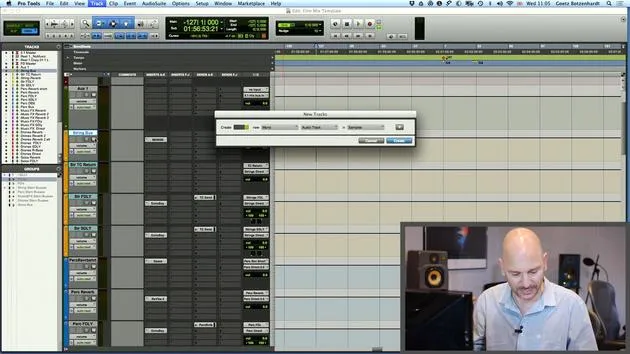
Okay, so our next chapter, or the next thing I want to look at, is the dynamics of each piece. Because in film, dynamics are massively important.
The Importance of Dynamics
There are two primary reasons for this:
- Contrast in Sound: In film music, you can have something that's really quiet, like just one violin, and then all of a sudden, the whole orchestra comes crashing in, or there's a big bang.
- Emotional Impact: You really need a lot of light and shade in your mixes. Unlike mixing a pop record, which is basically all at the same level and always playing pretty much as loud as possible, film music requires dynamics.
The music plays a crucial role for the director to:
- Shake things up
- Stir certain emotions
- Take you on the roller coaster ride that is watching a film
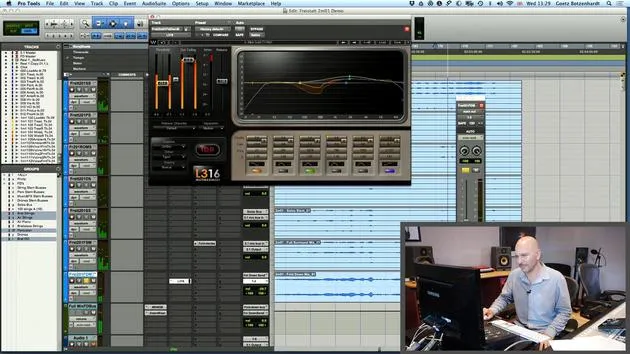
You can do a lot of riding and really work the dynamics to shape them till they rise. While the players will do them to an extent, there's only so much they can do.
Tips for Mixing Dynamics
-
Spend Time on Dynamics: It's essential to spend time getting the dynamics right and riding the faders. You have to listen to what goes on and adjust accordingly.
-
Play the Cue While Mixing: When it comes to dynamics, always play the cue while you mix it. Not all the time, of course; get it sounding good, but also make sure to play it with the sync.
-
Avoid Conflicts: Ensure that when somebody's speaking or when there's something happening on the soundtrack, the music doesn't clash with it.
Incorporate Music Thoughtfully
- Bring in elements of music when there's space for them.
- When there's no space, just fade them back, shaping it around the sync track, dialogue, and sound effects.
This is quite important because otherwise, they're just going to turn everything down in the dub. They will likely reduce the music volume if it doesn't fit around the other elements.
Final Note
From our perspective, we always want the music to be as loud as possible in the film. So, we need to help the dubbing engineer by shaping our mix around everything else that goes on.
Very, very important, this is a key aspect of mixing for film, so get your head around it!
16 Lektionen
1 Std. 36 Min. strukturierte Videolektionen
Erweiterte Videofunktionen
Verlangsamen, Passagen loopen, mitlesen
Handy, Tablet & Desktop
Üben, wo du willst
100 % Zufriedenheitsgarantie
30 Tage Geld-zurück-Garantie
Lern deinen Guru kennen
Lern deinen Guru kennen
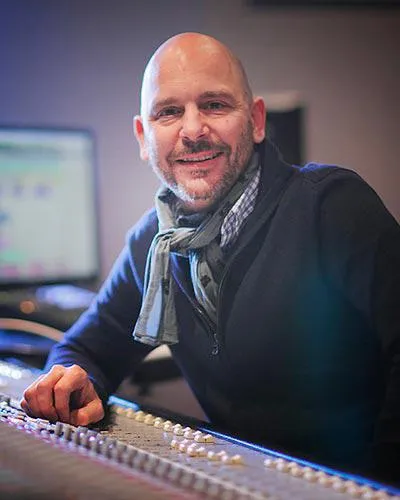
Anfang der Neunzigerjahre absolvierte Goetz Botzenhardt eine Ausbildung in den Swanyard Recording Studios, wo er Spitzenproduzenten wie Flood, Alan Moulder und Tom Lord-Alge assistierte und sich beim Aufnehmen und Mischen der Dance- und Acid-Jazz-Bands der 90er – Incognito, Galliano, Soul II Soul und vielen anderen – die Sporen verdiente.
Bei Swanyard lernte er Rollo Armstrong kennen, und die beiden bildeten rasch eine kreative Partnerschaft, aus der viele große Dance-Platten und Remixe hervorgingen und, kurz darauf, die Aufnahme und das Mischen der ersten beiden gefeierten Faithless-Alben sowie von Didos Multi-Platin-Album 'No Angel'.
Genreübergreifend nahm und mischte er das Debütalbum der Sugababes, 'One Touch', einschließlich ihres ersten Hits 'Overload', und hat für The Cardigans, Bjork, The Cinematic Orchestra, Craig David, die Pet Shop Boys und Hikaru Utada gemischt, eine der erfolgreichsten Künstlerinnen Japans.
In jüngerer Zeit hat er sich auf Film und Fernsehen ausgeweitet, arbeitete intensiv mit den Komponisten Christian Henson, Martin Phipps und Anne Nikitin zusammen und mischte Daniel Pembertons Golden-Globe-nominierte Filmmusik zu 'Steve Jobs' unter der Regie von Danny Boyle. Abseits des Films produzierte er Tanita Tikarams 'Closer to the People', mischte Tracks für Sigala, Ella Eyre, Breton, Planet Funk und Tito Jackson und mischte 2016 Peabo Brysons Album mit Jimmy Jam und Terry Lewis. Eine vollständige Liste seiner Arbeiten findet sich auf seinen Diskografie- und Filmografie-Seiten unter goetz-botzenhardt.com.
Goetz arbeitet in seinem eigenen Studio und Mischraum, aufgebaut um eine SSL-E4044-Konsole, ein Adam-5.1-Surround-Monitoring, ein 48-kanaliges Pro-Tools-HDX-System und ausgewähltes Outboard-Equipment. In seinen Kursen holt er dich in diesen Raum, um zu zeigen, wie er in zwei sehr unterschiedlichen Welten mischt: in Mixing for Film & TV Score, wie er orchestrale und hybride Filmmusiken im Dienst des Bildes ausbalanciert und formt; und in Mixing Commercial Pop Music, wie er druckvolle, radiotaugliche Pop-Mixe von der Mehrspur an aufbaut.







