



Das Projekt in deiner DAW einrichten: Busse, Effekte und Plugins verstehen

Lesson time: (16min 12sec)
Goetz Botzenhardt teilt seine kostenlose Pro-Tools-Vorlage für Filmmischungen und stellt seine bevorzugten Kompressoren, Delays und Reverbs vor sowie die Einrichtung der Busse für 5.1 und Stereo-Stems.
Course preview
This lesson is part of the course Mixing für Film- und TV-Score
Watch a preview of the full course below.
Lesson transcript:
Mixing Process Overview
So let's actually, let's move on now to the actual mix process, the nuts and bolts of our mixing.
Importance of a Good Template
First things first, someone like me, I mix a lot of films and film scores. I usually have a template ready to load the material into because it takes quite a lot of time to prepare a film mixing session in Pro Tools, and I don't really want to do it every time before I start a mix.
My Template
- I've made myself a nice template, and it's working pretty well for me.
- Having a good template saves you lots of time, allowing you to mix more quickly and efficiently.
Template Breakdown in Pro Tools
In Pro Tools, at the top, I have a master fader that controls my volume, which sends to the 5.1 speakers.
- Master Fader: General volume knob.
- Fold Down: Controls the stereo mix.
The Concept of Stems
Now, as I've explained, film mixing must be made in groups or stems. In my template, I have different buses for every stem.
- Current Session Stems:
- Strings
- Percussion
- Music
- Effects
- Drones
- Solos
Each stem group is summed to my print tracks down here. Each group is bussed to a track in Pro Tools.
How to Create a Bus
To explain how my string bus works, I'll show you how to create a bus quickly:
- Select New Track by hitting
Apple Shift N. - Select 5.1 and Aux Input then hit Create.
I have my buses nicely labeled in the IO page I've created for the film template. Each stem bus has an input and an output.
- Input: Strings Direct
- Output: Strings Bus
This setup allows me to send all the orchestra tracks to the bus by selecting their output to be Strings Direct.
Bus Functionality
- The bus collects all the signals sent to it, allowing for processing before sending to my track for recording.
- When mixing my strings, I want to add reverb, delays, and other effects. I have previously created:
- 1 Reverb
- 2 Delay Channels
- 1 for front speakers and 1 for back speakers.
These effect channels need their own designated input, like Strings Front Delay and Strings Surround Delay.
Additional Stem Processing
- For percussion, I have a short reverb and a long reverb, as percussive sounds often need short reverbs.
- Percussion dbx: This serves as a low-frequency generator, which we mentioned earlier, great for adding low-end frequencies to the score.
Record Tracks Setup
Now, let's look at my record tracks.
- Each audio track has its own input.
- Example:
- String Stem → Strings Bus
- Perc Stem → Perk Bus
- Example:
In order to record simultaneously, I create an audio track for each stem. This includes:
- A full mix track
- A fold down mix track
Summing Signals
To sum our signals into the full mix channel, I create another bus called Mix Bus In, where all five stem tracks can send their signals. This allows:
- The full mix channel to capture the sum of the five stems.
- Recording them all at the same time.
Creating a Stereo Mix
Since we're working in 5.1, we need to generate a stereo mix from the 5.1 signal.
Setting Up a Fold Down Bus
- I've made another bus that sums 5.1 channels back into stereo, known as the Fold Down. This is done using a plugin called Down Mixer within Pro Tools.
Steps to Create Fold Down Bus
- Hit
Apple Shift Nto make a new track. - Select Aux Input 5.1 and create.
I send my 5.1 signal to the fold down bus via a send on the full mix channel.
Configuring the Down Mixer Plugin
When opening the plugin, the configuration sends everything to the fold down bus at 0dB.
- Standard adjustments:
- Drop the center channel by 3dB
- Drop the surround channels by 6dB
- Mute the LFE channel
This configuration ensures a balanced stereo mix.
Final Steps
Finally, the fold down bus needs to be sent to a channel for recording.
Now, every time I finish mixing a cue, I hit record once, and it's going to record all tracks simultaneously, very efficient!
Conclusion
I know this seems complicated, but downloading the template and experimenting with it will help you understand its logical structure. You can use that template, make it your own, and start mixing.
That's the end of part one. We're going to move on now to our next chapter, which will be about surround sound and panning.
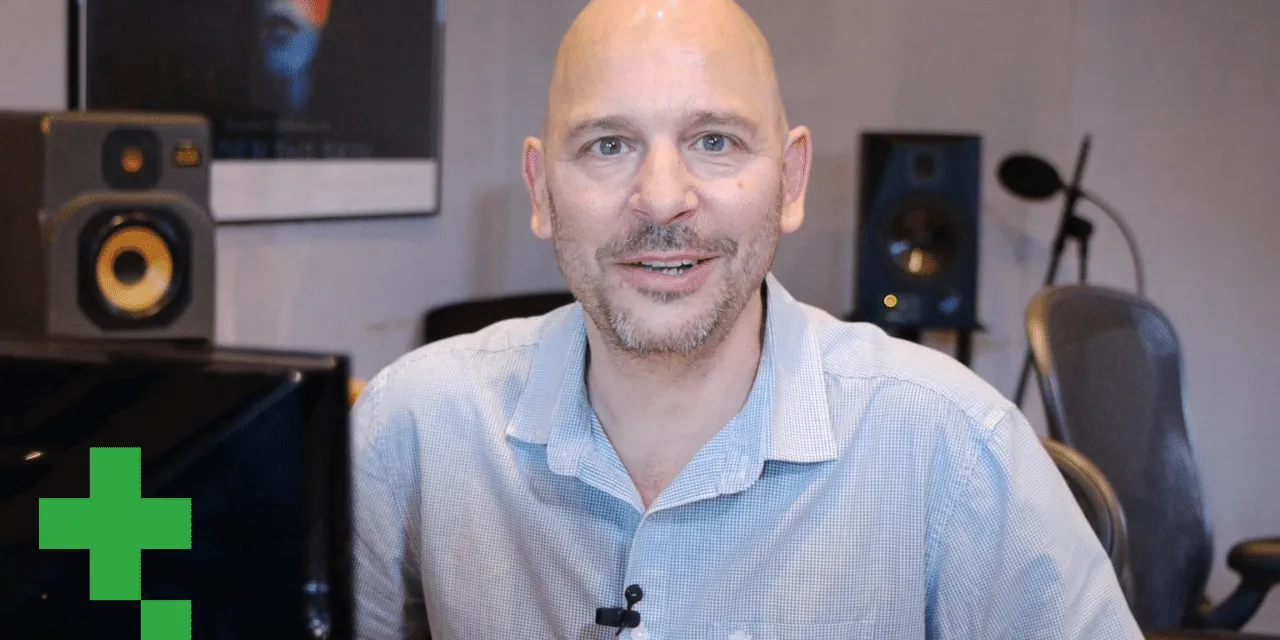
About the instructor
Anfang der Neunzigerjahre absolvierte Goetz Botzenhardt eine Ausbildung in den Swanyard Recording Studios, wo er Spitzenproduzenten wie Flood, Alan Moulder und Tom Lord-Alge assistierte und sich beim Aufnehmen und Mischen der Dance- und Acid-Jazz-Bands der 90er – Incognito, Galliano, Soul II Soul und vielen anderen – die Sporen verdiente.Bei Swanyard lernte er Rollo Armstrong kennen, und die beiden bildeten rasch eine kreative Partnerschaft, aus der viele große Dance-Platten und Remixe hervorgingen und, kurz darauf, die Aufnahme und das Mischen der ersten beiden gefeierten Faithless-Alben sowie von Didos Multi-Platin-Album 'No Angel'.Genreübergreifend nahm und mischte er das Debütalbum der Sugababes, 'One Touch', einschließlich ihres ersten Hits 'Overload', und hat für The Cardigans, Bjork, The Cinematic Orchestra, Craig David, die Pet Shop Boys und Hikaru Utada gemischt, eine der erfolgreichsten Künstlerinnen Japans.In jüngerer Zeit hat er sich auf Film und Fernsehen ausgeweitet, arbeitete intensiv mit den Komponisten Christian Henson, Martin Phipps und Anne Nikitin zusammen und mischte Daniel Pembertons Golden-Globe-nominierte Filmmusik zu 'Steve Jobs' unter der Regie von Danny Boyle. Abseits des Films produzierte er Tanita Tikarams 'Closer to the People', mischte Tracks für Sigala, Ella Eyre, Breton, Planet Funk und Tito Jackson und mischte 2016 Peabo Brysons Album mit Jimmy Jam und Terry Lewis. Eine vollständige Liste seiner Arbeiten findet sich auf seinen Diskografie- und Filmografie-Seiten unter goetz-botzenhardt.com.Goetz arbeitet in seinem eigenen Studio und Mischraum, aufgebaut um eine SSL-E4044-Konsole, ein Adam-5.1-Surround-Monitoring, ein 48-kanaliges Pro-Tools-HDX-System und ausgewähltes Outboard-Equipment. In seinen Kursen holt er dich in diesen Raum, um zu zeigen, wie er in zwei sehr unterschiedlichen Welten mischt: in Mixing for Film & TV Score, wie er orchestrale und hybride Filmmusiken im Dienst des Bildes ausbalanciert und formt; und in Mixing Commercial Pop Music, wie er druckvolle, radiotaugliche Pop-Mixe von der Mehrspur an aufbaut. read more