



Wie wir unsere Bending-Technik fokussieren und verfeinern
Mit
PT Gazell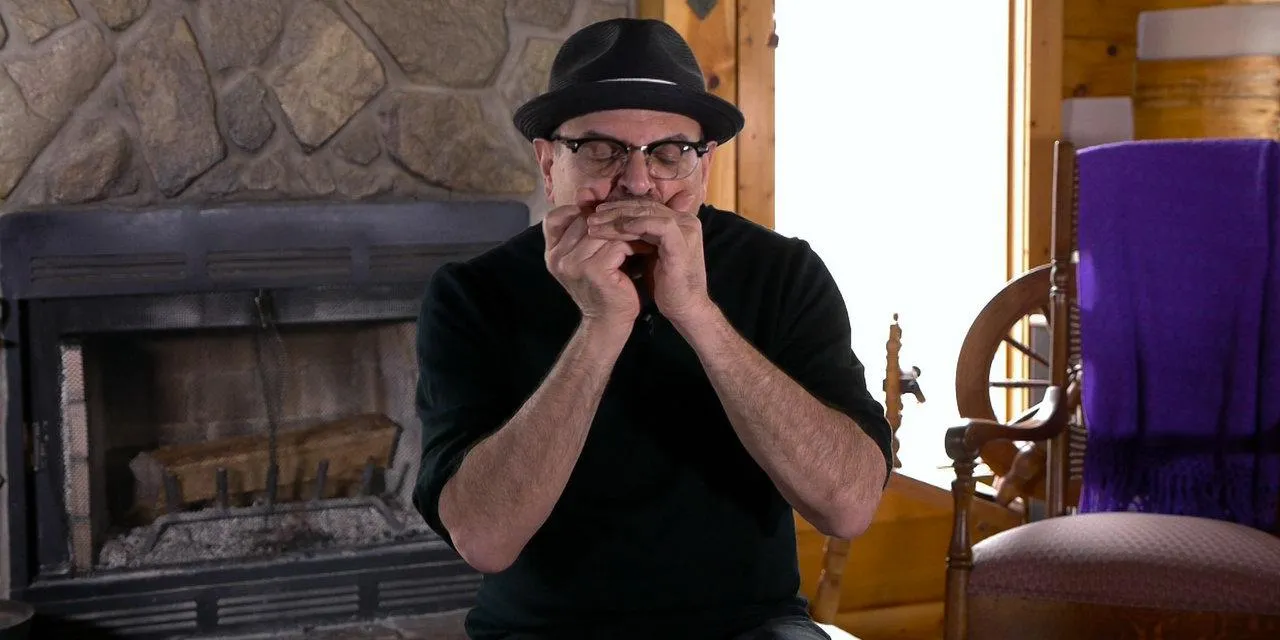
Das steckt im Kurs
10 Lektionen (0h 50m) · 1 gratis
01. Wie wir unsere Bending-Technik fokussieren und verfeinern
Du bist hier5:35
02. Die Valved Bends verstehen
Gratis-Lektion4:59
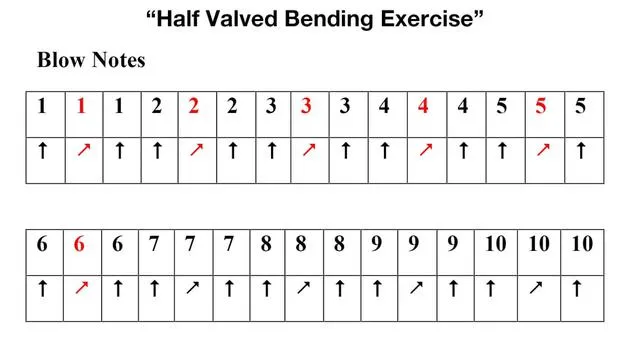
03. Eine weitere Half-Valve-Bending-Übung
5:09
04. 3 Bending-Übungen mit Ventil
4:45
05. Bends mit und ohne Ventile nutzen, um das ganze Instrument zu erkunden
3:54
06. Einen Valve Blow Bend in einer Melodie einsetzen (My Romance)
6:05
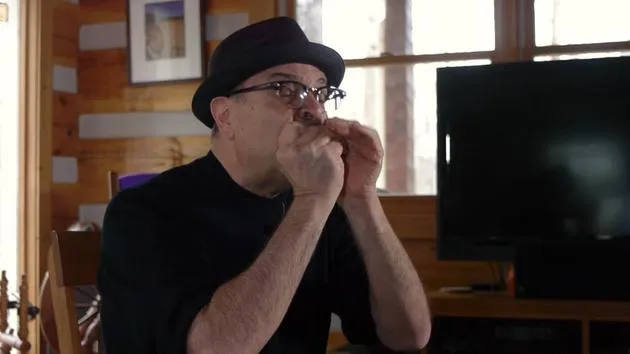
07. Die zusätzliche Emotion der Gazell-Methode nutzen
6:59
08. Moll in der 5. Position als Alternative zu Moll in der 3. Position
5:07
09. Lerne das Thema des Songs „Sugar“ in der 5. Lage in Moll
3:40
10. Ein Solo für „Sugar“ lernen und wie du den ganzen Song spielst
4:11
Transkript der Lektion
Welcome to the Course
Hi, everybody. Welcome to this course! I'm here at my place in Nashville, Tennessee, and I've got the guys from Music Gurus here. We're going to talk about different ways to improve your playing using the Gazelle Method and the half-valved harmonica.
As you've already seen, you'll need an A flat Gazelle Method half-valved harmonica to do this lesson properly , or the course, actually.
Lesson 1: Refining Your Bending Technique
Important Basics
Before we dive into the technical aspects, let's review a couple of important points:
-
Grip on the Harmonica:
- Ensure that your grip does not impede your ability to get a good seal and mouth position on the instrument.
- Make sure your finger is not in the way and that you can get your mouth about halfway into the COVID plates.
- This will provide you with a good seal and make it easier to achieve good tone and clean single notes.
-
Mouth Position:
- Follow the above steps to ensure you have access to the harmonica.
Understanding Valve Bending
What I like to say about valve bending is that it somewhat emulates blow bending at the top of the harmonica. Here's a breakdown of some key differences:
- Blow Bends vs. Draw Bends:
- Blow bending happens at the top of the harmonica and differs from draw bends, which occur at the bottom end.
- Draw bends take place a little further back in our mouth cavity, while blow bends occur more forward.
The Garden Hose Analogy
Here's an analogy to help illustrate this concept:
- Imagine a garden hose:
- When water flows out without a nozzle or sprayer attached, it comes out in a big, lazy stream and hits the ground.
- By placing your thumb over the end of the hose, you restrict the flow, causing the water to shoot further.
This is analogous to playing blow bends at the top of the harmonica. It requires:
- A tighter embouchure
- A more focused and direct airstream
Focused Airstream
Now, I'm not specifically saying you need to play harder. Rather than a loose approach, think of it like this:
- Instead of a soft, lazy stream, aim for a concentrated and harder stream to hold those short reeds in a bent mode.
Bending on Holes 8, 9, and 10
Here's how it looks when I play holes 8, 9, and 10 bending on your A flat harmonica:
- When I perform this again from a side view, notice that my lips move forward, creating a very constricted, precise, and focused airstream.
Conclusion
Valve bending emulates this process. Instead of applying normal draw bends or using what we think is that technique at the bottom, we need to emulate blow bends from the top.
That's what's going to help us control single reed valved bends.
I'll see you in the next lesson!
10 Lektionen
0 Std. 50 Min. strukturierte Videolektionen
Erweiterte Videofunktionen
Verlangsamen, Passagen loopen, mitlesen
Handy, Tablet & Desktop
Üben, wo du willst
100 % Zufriedenheitsgarantie
30 Tage Geld-zurück-Garantie
Lern deinen Guru kennen
Lern deinen Guru kennen
PT Gazell hat sich seine Stellung als Meister der diatonischen Mundharmonika erarbeitet. Nach Jahren als gefragter Begleit- und Studiomusiker für einige der größten Namen Nashvilles entdeckte PT das Half-Valving, und seine Musik erreichte buchstäblich neue Höhen.
Kein anderer Spieler verbindet seine Phrasierung, seinen melodischen Stil, seine Stückauswahl und seine Improvisationsfähigkeiten so wie er - am Ende ist es ein ganz eigener Stil. Mit seinem eigenen Signature-Instrument, der von Seydel gefertigten diatonischen Gazell Method, beweist PT, dass die Mundharmonika zu weit mehr fähig ist, als die meisten von uns glauben.
Genieß es!
In seinen Kursen unterrichtet PT das Half-Valving direkt aus erster Hand, damit du mit der Gazell Method starten, gedämpfte (valved) Bends meistern und sie in deine eigenen Songs einbringen kannst.







