



Eine weitere Half-Valve-Bending-Übung
Lesson time: (5min 9sec)
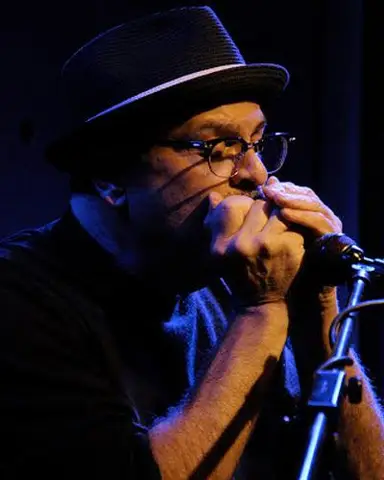
PT Gazell gibt dir eine weitere Bending-Übung mit Ventil, bei der du Zieh-Bends von Loch 1 bis Loch 10 übst, damit sich konventionelle und ventilierte Bends allmählich gleich anfühlen.
Course preview
This lesson is part of the course Wie du Valved Bends meisterst und in Songs einbaust
Watch a preview of the full course below.
Lesson transcript:
Valved Bending Exercise
Okay, guys,
Now that we've talked about how the holes 8 and 9 are mirrored down to holes 5 and 6, and how we can use those same notes on hole 2, I want to give you a valved bending exercise.
This exercise is not very complicated, but it requires that you think about how you're bending notes all the way up and down the harmonica. Some of it will be valved bends, but some of it won't. It all ties into how the pattern changes after hole 6 on the harmonica.
Draw Bends: Holes 1 to 10
Let's start with our draw bends first, beginning on hole 1 and going all the way up through hole 6.
- Holes 1 to 6: Conventional draw bends.
- Holes 7 to 10: Valved draw bends.
The idea here is to get used to making your mouth work, doing valved bends and conventional bends in the same fashion. This way, you won't have to stop and think about it when you know you're coming to a valved bend.
Listen to how I perform my valved and non-valved bends.
- Starting on hole 1, draw:
- From hole 1 to hole 6 → Conventional draw bends.
- From hole 7 to hole 10 → Valved draw bends.
Let's do that again, starting on hole 1.
Valved Draw Bends
- Holes 1 to 6: Conventional draw bends.
- Holes 7 to 10: Valved draw bends.
Here come the valved draw bends.
What's important about what you're hearing is that I've practiced my valved bending to the extent that there's really no sonic difference between my dual reed bends happening on holes 1 through 6 and my single reed bends occurring on holes 7 through 10.
Listen one more time: Here's the single reed valved bends on the draw notes 7 through 10.
Blow Bends: Holes 1 to 10
Now flip that over and we'll do them on the blow bends.
Follow along on the PDF:
- Holes 1 to 6 on the blow notes: Valved bends.
- Holes 7 to 10: Conventional non-valve bends.
Those are valved bends.
Now, we're going to play non-valve bends on holes 7 through 10.
Let's repeat:
- Holes 1 to 6: Valved blow bends.
- Holes 7 to 10: Conventional non-valve blow bends.
Practice Tips
That's a great exercise to do! Try it for a couple of minutes a day.
- It may not seem like a long time, but a couple of minutes of doing this exercise will really pay off in the long run.
- You'll get used to doing this motion repeatedly: Da da da da da da da da da da da da.
This practice will help you understand what it's like to be in a position without thinking about it much. This way, you can quickly start to articulate runs.
In summary, that's me playing not only regular notes but also valved bends. It's a mixed bag of regular notes, conventional bending, and valve bending. All of this comes from the repetitive motion and the practice of doing valved and unvalved bends consecutively.
About the instructor
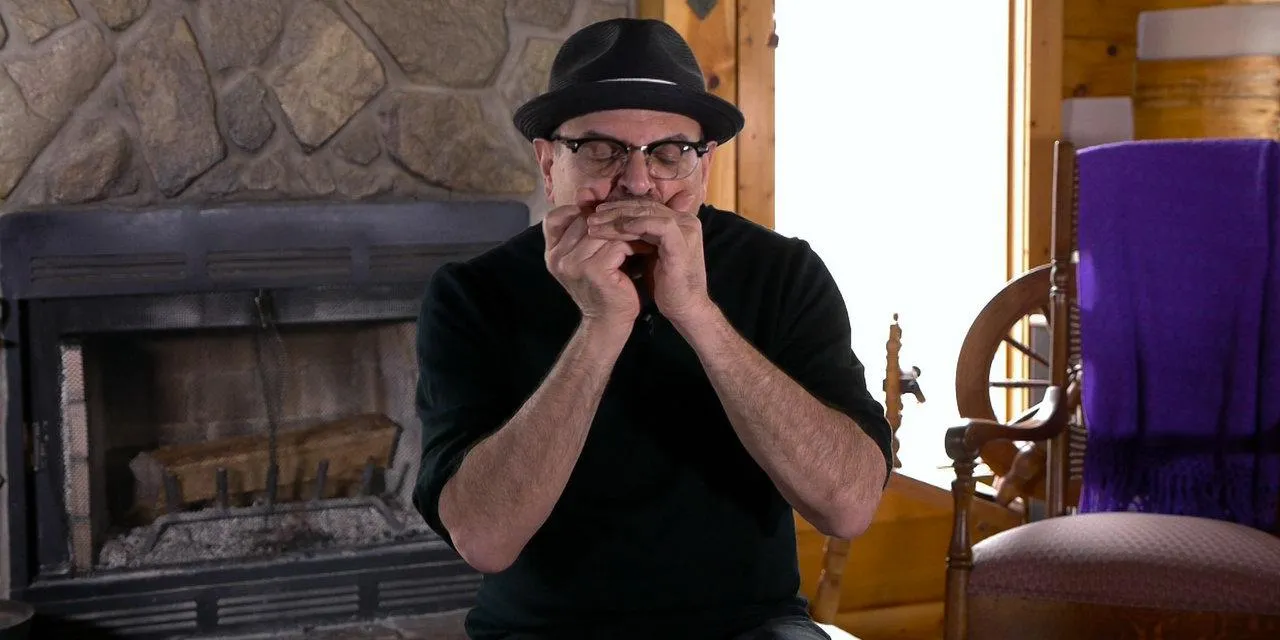
PT Gazell hat sich seine Stellung als Meister der diatonischen Mundharmonika erarbeitet. Nach Jahren als gefragter Begleit- und Studiomusiker für einige der größten Namen Nashvilles entdeckte PT das Half-Valving, und seine Musik erreichte buchstäblich neue Höhen. Kein anderer Spieler verbindet seine Phrasierung, seinen melodischen Stil, seine Stückauswahl und seine Improvisationsfähigkeiten so wie er - am Ende ist es ein ganz eigener Stil. Mit seinem eigenen Signature-Instrument, der von Seydel gefertigten diatonischen Gazell Method, beweist PT, dass die Mundharmonika zu weit mehr fähig ist, als die meisten von uns glauben. Genieß es! In seinen Kursen unterrichtet PT das Half-Valving direkt aus erster Hand, damit du mit der Gazell Method starten, gedämpfte (valved) Bends meistern und sie in deine eigenen Songs einbringen kannst. read more