



Foundations of funk bass technique
With
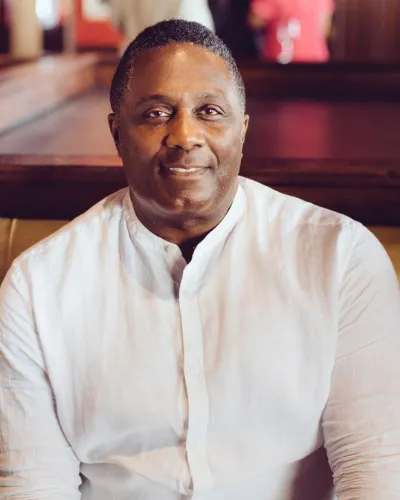
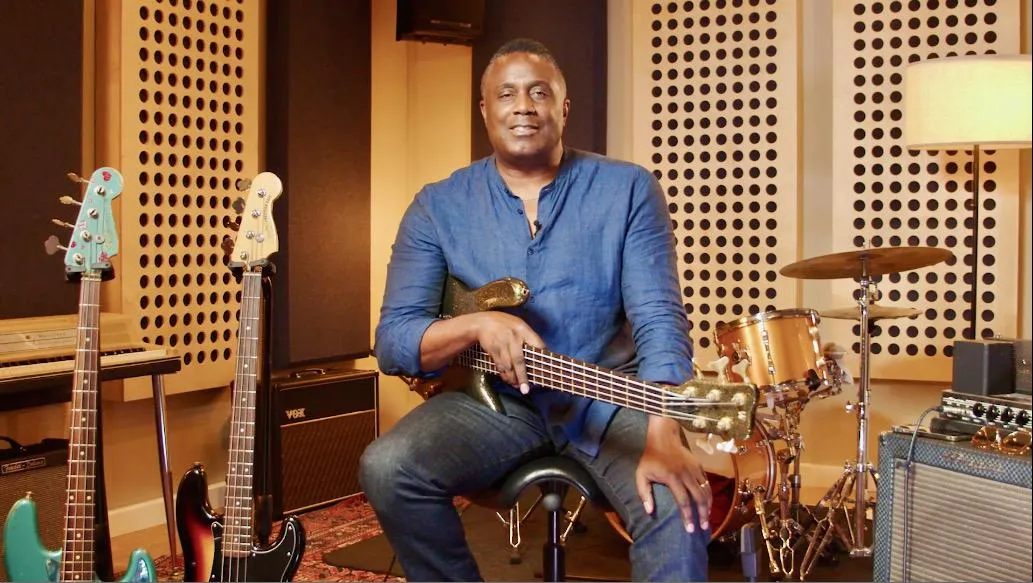
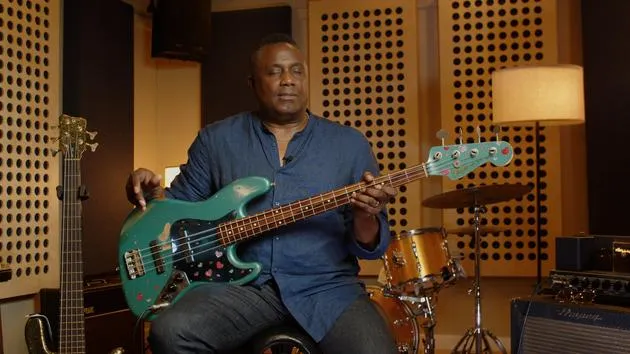
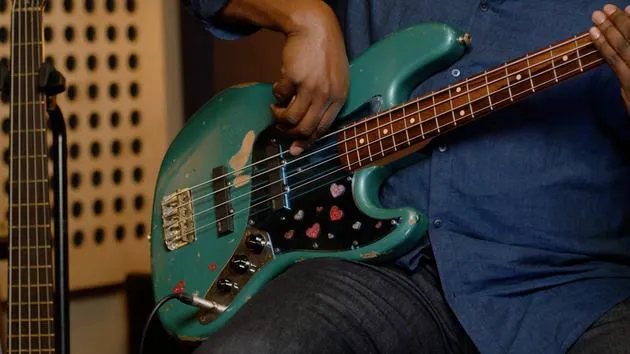
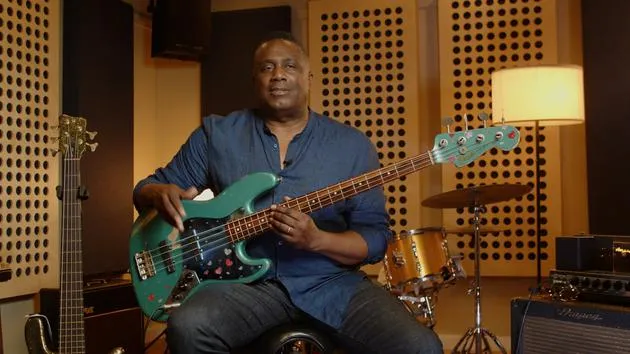
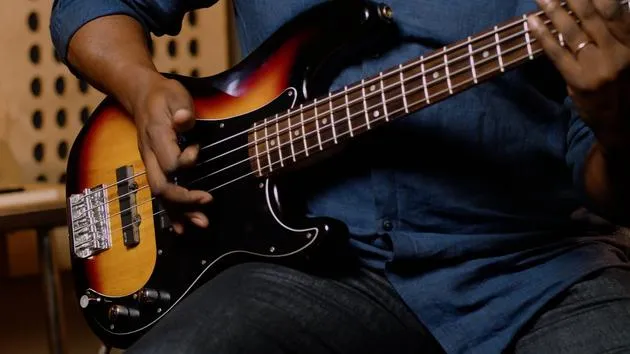
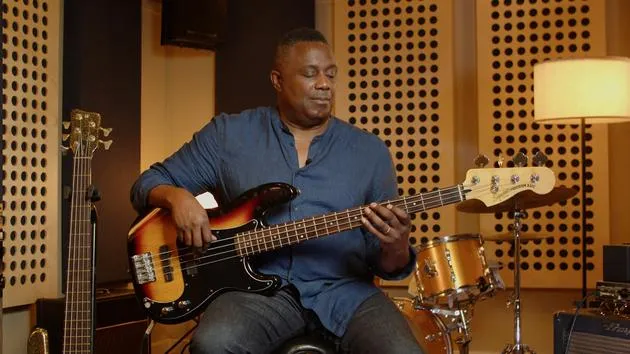
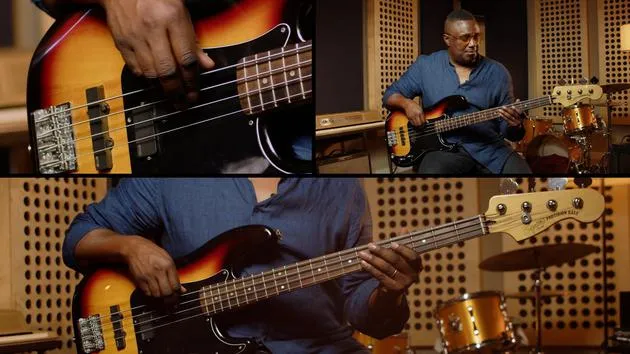
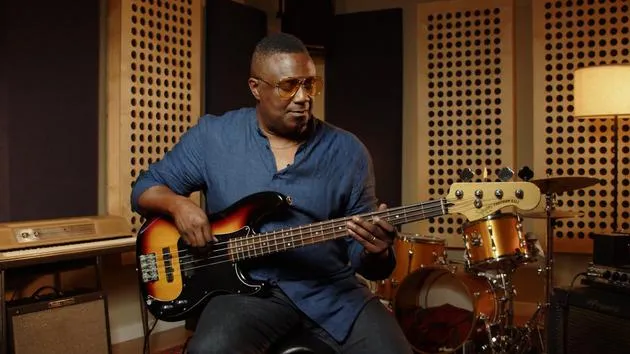
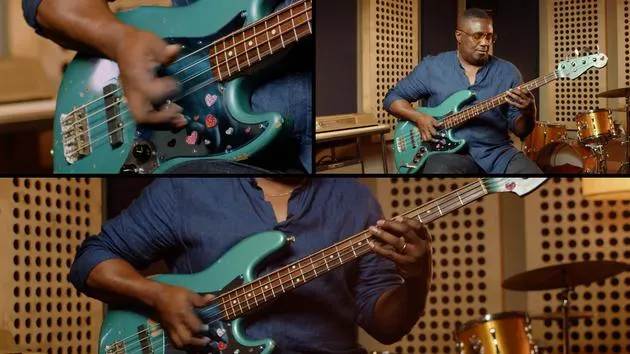
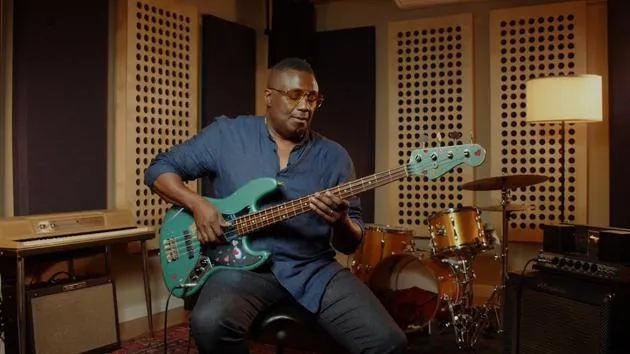
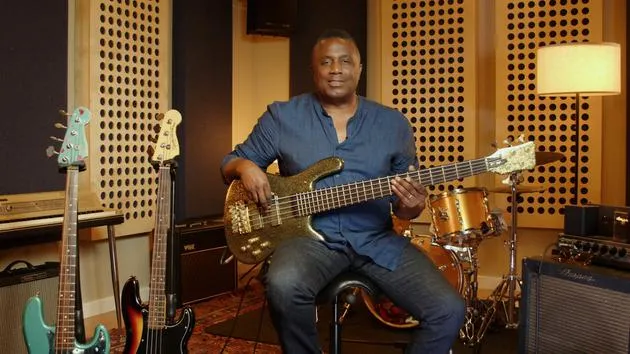
Andrew LevyAndrew Levy breaks down his funk bass sound, from slapping and pulling to EQ that boosts the lows and highs, and how he varies the groove between verse and chorus.
What's in the course
14 lessons (1h 7m) · 1 free
Lesson transcript
Funk Bass Sound Techniques
The funk bass sound that I like to achieve typically involves minimal EQ adjustments. Here's how I approach it:
Frequency Preferences
- Low Bottom: A strong low end is essential.
- High Top End: A crisp, bright top end is also important.
- Low Middle: Cutting out much of the midrange frequencies helps the bass stand out.
Playing Style
For the bass line, I often utilize different techniques:
- Fingering: If the bass line is mainly fingered, it can sound great.
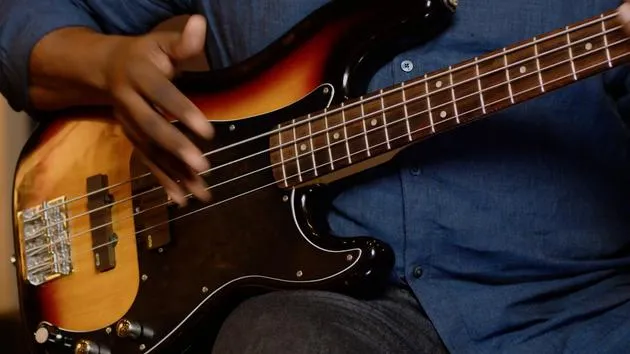
- Slapping or Pulling: If the bass line includes slapping or pulling, you can highlight those techniques, especially with the top end.
Example Track: Dream On Dreamer
One of our popular songs is "Dream On Dreamer." Here's what I do:
- Combining Techniques: I mix slap and traditional fingering.
- EQ Settings: Turn up the treble and bass while cutting back the mids for a balanced sound.
Building the Bass Line
When creating a bass line, focusing on the groove is key. Here are my tips:
- Versions of the Same Groove: Keep it interesting by varying the same groove.
- Verse vs. Chorus:
- Verse: More sustained notes and a laid-back feel to allow the singer to shine. The beginning of the verse is less busy, with no pulling or slapping.
- Chorus: A similar bass line, but much busier and energized.
Verse and Chorus Dynamics
- Verse Example: Sits back nicely, with minimal syncopation or loud transients.
- Chorus Example: More energized and lively.
Personal Technique
As a self-taught musician, I like to vary my bass lines in the following ways:
- Adding Slap or Pulling in the Chorus: This creates contrast with the subdued verse.
- My Unique Slapping Technique consists of:
- Pulling: I pull hard, moving my hand afterward. Though it's not a traditional slap, it works for my style.
Transitioning Techniques
- I often use my thumb for hammer-ons or slides.
- The ability to switch from slapping to fingering comes in handy, even if it feels cumbersome.
Putting It All Together
Here's a short example how my technique sounds:
- Funky Lick: Incorporating a funky lick into the bass line can add flavor and interest.
Ultimately, it's all about finding what works for you and developing your own style!
14 lessons
1h 7m of structured video lessons
Advanced video features
Slow down, loop a passage, follow along
Mobile, tablet & desktop
Practise wherever you are
100% satisfaction guarantee
30-day money-back guarantee
Meet your guru
Meet your guru
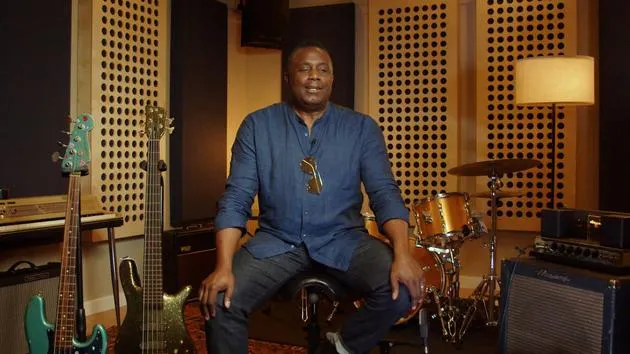
Andrew Levy is a founder member and bass player in the acid jazz group The Brand New Heavies. He also co-writes the band's original music with Simon Bartholomew.
A self-taught musician, Andrew grew up listening to reggae, British pop radio, classical music, jazz funk, 'Lovers' Rock', jazz fusion, house, American folk, hip hop and acid house - an eclectic mix from growing up in London with parents from Jamaica!
His biggest musical influences are James Brown, Vicki Anderson, Earth Wind and Fire, Level 42, Shalamar, Chic, Herbie Hancock, George Duke, George Benson, Marvin Gaye, Thin Lizzy, Miles Davis and Phyllis Hyman.
In his course, Andrew shares what really makes funk bass move: how to lock in with the drums, sit deep in the pocket, and hold down the groove as part of a tight rhythm section - the feel, the discipline and the choices behind the sound that made The Brand New Heavies famous.
Andrew lives in South West London with his wife Melissa and their two sons.
About The Brand New Heavies
The Brand New Heavies, founded by Andrew Levy and Simon Bartholomew, pioneered the acid jazz music scene of the 1990s.
The pair met at school in Ealing in 1985 before going on to release top 10 albums in the UK, US and Japan, and in 2020 they signed a seven-figure deal with international label Edel Records to produce five new albums, with the first out in spring 2022.
The band prides itself on playing real instruments - not computer-synthesised or programmed music. As a result, they have many renowned fans within the music industry, including super producer Mark Ronson, who cites their eponymous album as one of his top 10 records of all-time and credits the band with turning him onto funk from rock music back in the early 1990s. Ronson produced the band's 2019 cover of Kendrick Lamar's "These Walls", which gained a cult following on Radio 2.







