



Piano break no.1

With
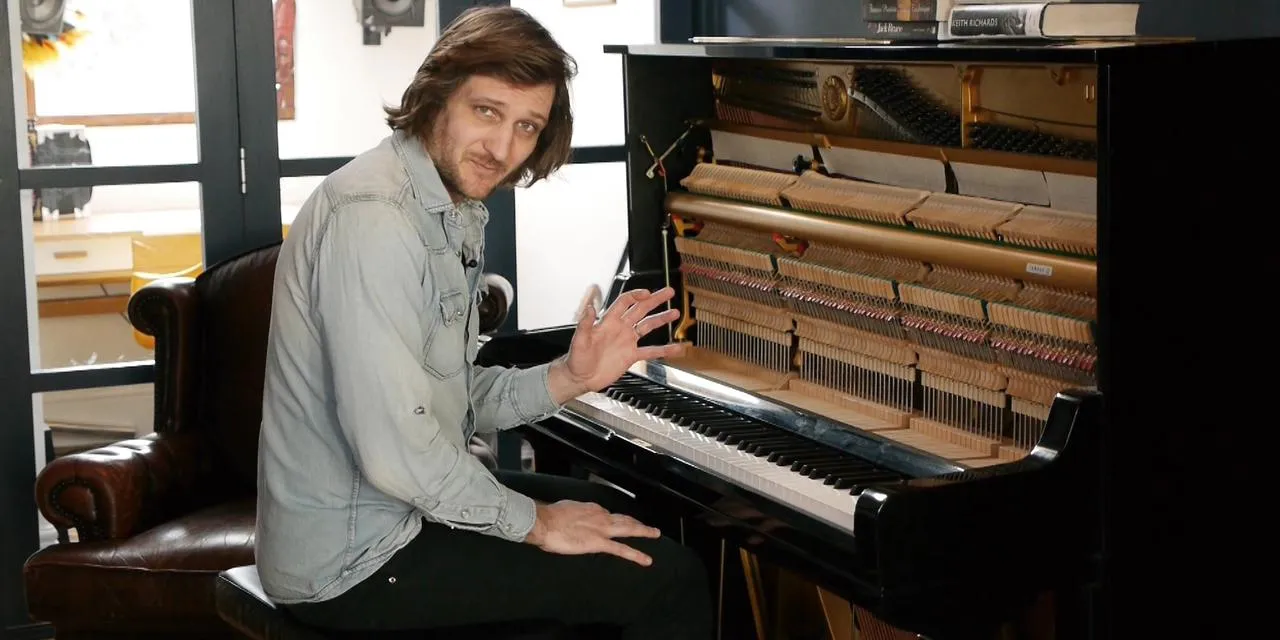
Paddy MilnerPaddy Milner breaks down the first left-hand 'break', taken from Albert Ammons' 'Suitcase Blues', built on a G arpeggio with 10ths and grace notes.
What's in the course
14 lessons (2h 17m) · 2 free
01. Demonstration - let's play some blues
Free lesson3:48
02. Exploring the 'Pinetop Smith' riff
Free lesson15:29
03. Mixing it up with the 'Pinetop Smith' riff
7:59
04. Riffs based on a second inversion chord
20:24
05. Exploring descending 3rds
15:28
06. Ideas for an introduction
9:34
07. The engine room - left hand bass
10:59
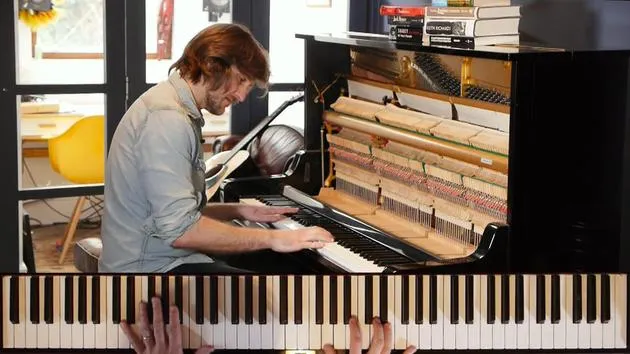
08. Ideas for chords V-IV (bars 9-10)
12:00
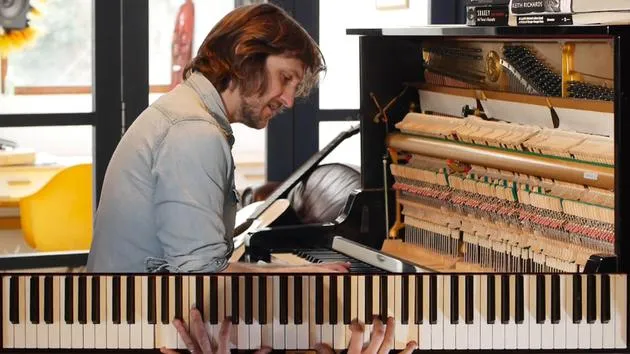
09. Exploring 'rolling' chords
7:24
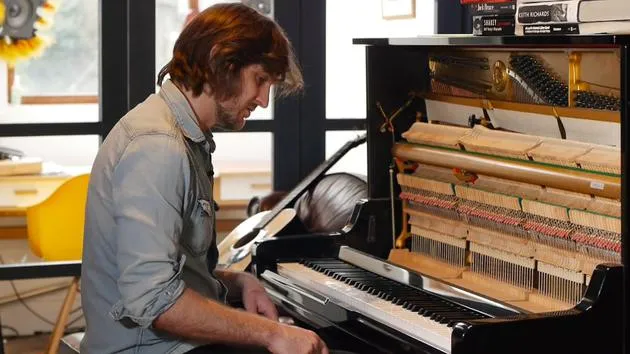
10. Piano break no.1
You are here8:58
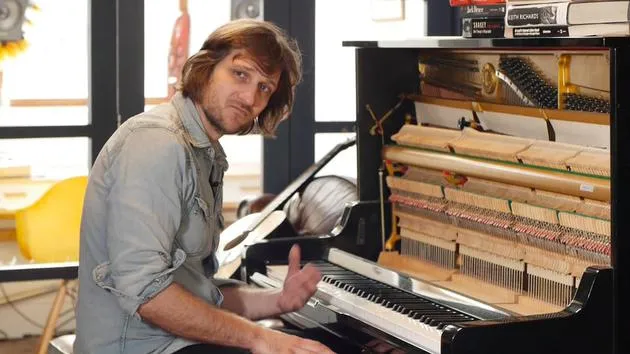
11. Piano break no.2
6:15
12. Exploring endings
10:25
13. Some extra ideas
6:53
14. Everyday I'm Shufflin' - The Blues Shuffle Challenge
1:35
Lesson transcript
Music Lesson: Breaks and Variations
Overview of Breaks
Let's take a look at the breaks I demonstrated in the recording from the first video.
First Break - Suitcase Blues
The first break was taken from a little Albert Ammons tune called Suitcase Blues. It's a great tune and goes something like this:
[Plays tune]
When you break it down, it's actually pretty simple. Here's how it works:
Left Hand Technique
- The left hand is simply going up and down the G arpeggio.
- It's using a 10th in the left hand when it goes back into it.
- There are grace notes in between, which makes it sound impressive.
Tip: Practice it at a slower tempo to ensure it's comfortable under your fingers. It's quite a feature in the tune, so it needs to stand out from the right hand as well.
Right Hand Technique
- The right hand is also simple. It plays essentially sixths down with leading notes before it.
Whole Technique:
- It's important to keep your wrist flexible here.
- Avoid using your whole arm; otherwise, you risk injury and won't be able to gain speed.
- Focus on having a relaxed wrist. Your upper arms, lower arms, and wrists should all be relaxed.
Visualize: You should be able to see the muscle relaxing and flapping underneath, an important aspect of playing comfortably.
Variations on the Break
Left Hand Variations
Instead of the usual up and down approach, consider starting with the left hand at the top, moving to the bottom, and back to the top:
- Fun Experiment: Let's see how that sounds with the right hand.
[Plays new pattern]
Right Hand Variations
- You could change what you're doing with the right hand. Consider trying different riffs, like the one we looked at earlier.
[Plays new riff]
Exploring Trills
We haven't really covered trills yet, but you could incorporate one:
- A basic G7 chord played with a voicing that covers the F and G with the thumb.
- Rock around the B and slide off the B.
Inversions:
- In the second half, slide to the next inversion or two inversions up of the G7 and slide off the D flat.
Experimentation:
- You could use different inversions while reducing the time spent on each one.
Bringing the Left Hand Higher
You might find it interesting to carry on with the left hand up at the top.
[Demonstrates idea]
This may lead to a nice feature in the tune, especially if the bass is typically low.
Conclusion
This breakdown of the break includes a couple of ideas for variations. I recommend listening to Albert Ammons' original of Suitcase Blues to hear his approach.
In the next video, we'll explore the other break I did.
14 lessons
2h 17m of structured video lessons
Advanced video features
Slow down, loop a passage, follow along
Mobile, tablet & desktop
Practise wherever you are
100% satisfaction guarantee
30-day money-back guarantee
Meet your guru
Meet your guru
Paddy Milner is recognised as one of the leading blues piano players in the world - he is currently keyboard player of choice for Sir Tom Jones, following several years with the late, great Jack Bruce - but he is also a superb original songwriter and a distinctive singer. Just read the praise from the likes of Dave Brubeck below! His playing was featured on the soundtrack for the hit 2019 film 'Rocketman'.
He has twice won the award for Best Keyboard Player in the British Blues Awards, and he holds a long-standing residency as a founder member of the Ronnie Scott's Blues Explosion at the world-renowned Ronnie Scott's club.
His current group LONDONOLA plays homegrown British music with a strong dose of New Orleans spirit, and his collaborative group JAWBONE goes from strength to strength following the release of their self-titled debut album.
- "I love it... there's a guy who can really play the piano" - Dave Brubeck
- "I highly recommend it. Somehow things start to feel much better!" - Jack Bruce
- "The best blues piano player in Europe..." - Blues Access, USA
- "Impressive & original" - The Times
- "Dazzling" - The Independent
Across his courses, Paddy breaks down authentic blues shuffle, slow blues, boogie-woogie, rock 'n' roll and New Orleans piano - right down to three classic boogie-woogie songs - so you can learn these styles from one of the very best in the business.







