



Life on Mars, David Bowie (Lesson)
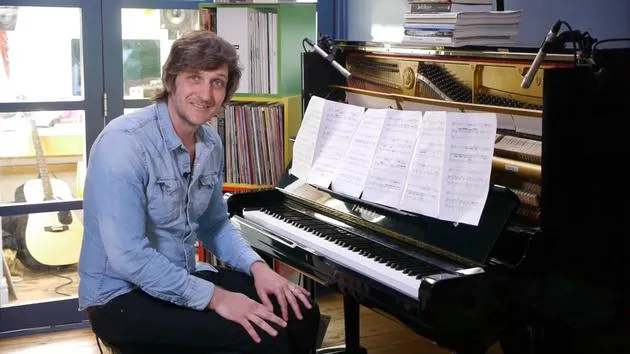
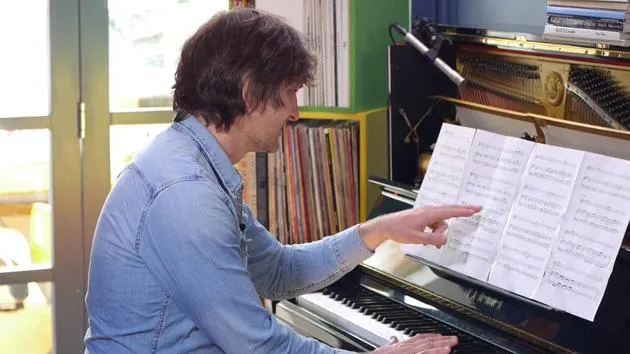
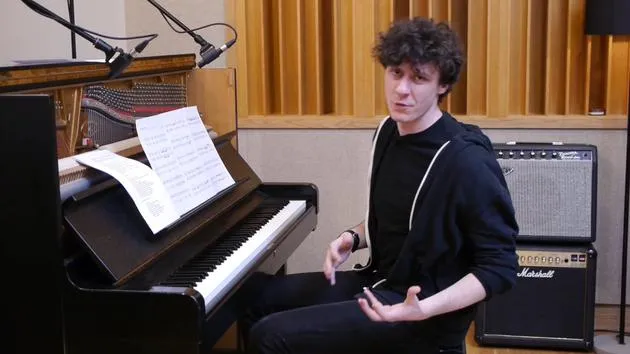
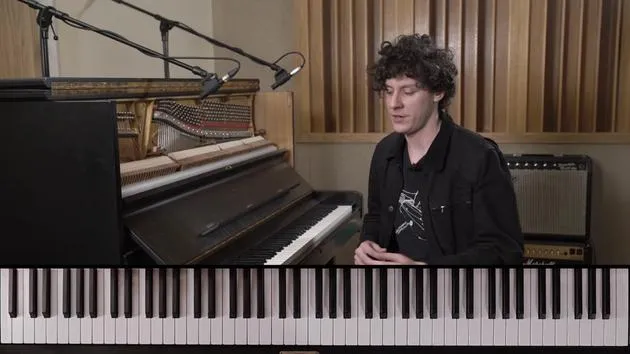
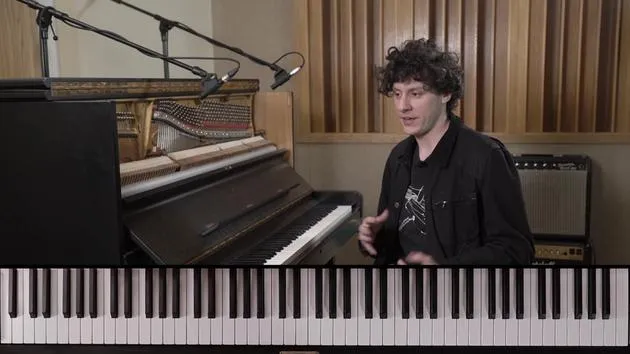
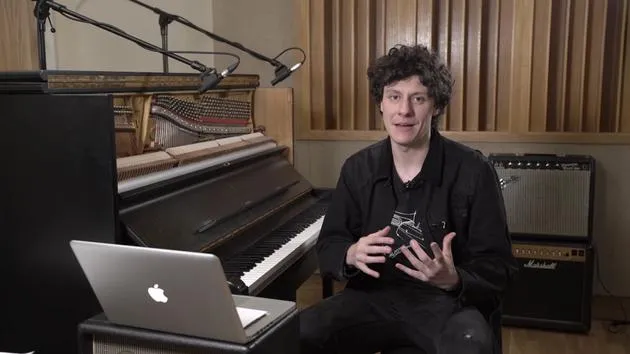
Paddy Milner walks you through Rick Wakeman's piano part for Bowie's 'Life on Mars' - the augmented, diminished and slash chords that make it special.

What's in the course
29 lessons (2h 19m) · 1 free
Lesson transcript
Life on Mars - Music Lesson
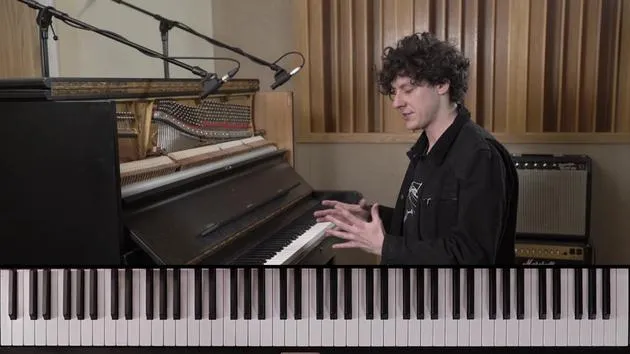
Hi, I'm Paddy, and let's take a look at Life on Mars. What a great song by David Bowie, or Bowie, or however you say his name. This is a fantastic piece of music, and I know it's been voted as one of the best songs in pop and rock.
Overview of the Piano Part
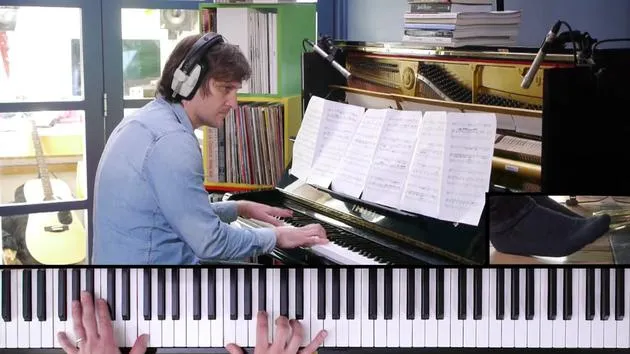
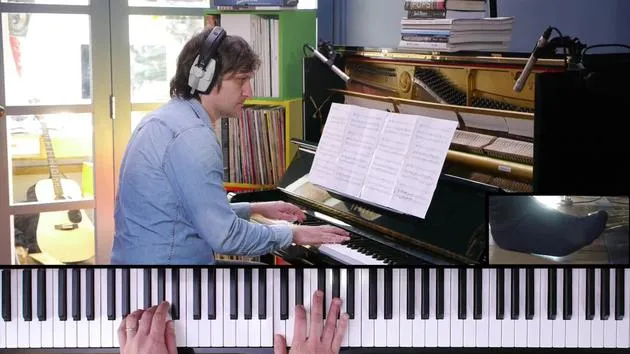
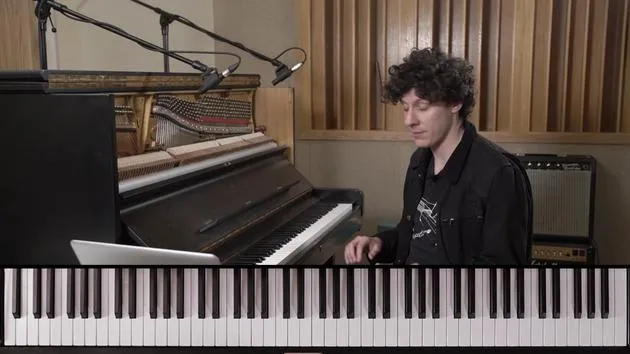
This lesson will focus on Rick Wakeman's piano part. Rick Wakeman is obviously a very capable pianist who has played on all kinds of records. It's great that we have his piano part written out here, as it is quite involved and contains tricky elements.
Key and Chord Structure
- Key: The song is in the key of F.
- Chords:
- Augmented chords
- Diminished chords
- Slash chords (e.g., D flat over A)
These harmonies are not often found in pop songs, but they work beautifully in this piece.
Dynamics and Phrasing
At the start, we have a simple melody that is dynamically very soft.
- Phrasing: Fairly legato; it's important to leave room for the dynamics to grow in this piece. There are huge crescendos and climaxes that require space to build up to.
Practice Tip: Don't start off too loud; you need to take the listeners on a journey through the piece.
Fingering Technique
The arrangement does not specify fingering, but consider the following:
- Move your hands as little as possible; a good musician uses the least effort necessary to create sound.
- Keep your hands in the same position; avoid jumping around unnecessarily.
Strength Building Exercises
- Right Hand: Practice playing the right hand forcefully, especially in arpeggiated sequences.
- Volume Variation: Play these sequences at different dynamic levels to build strength in your fingers.
Learning Segments
Moving forward, when we reach the section of Bar 9 where the dynamic level increases:
- Practice: Arpeggios strongly with your right hand.
- Dynamic Levels: Learn the piece at various dynamic volumes. Start at a moderate level, then try playing loudly and softly.
Chord Symbols
The chord symbol may indicate diminished, but it shows an E natural. It may be beneficial to listen to the original recording to determine whether that's an E or an E flat.
Listening
Listening to the original recording is a must:
- Analyze Rick Wakeman's style and dynamics.
- Note where the loud parts of the song are and how crescendos and diminuendos occur.
Timing and Rhythm
- Count in: There's a count in from the drummer.
- Important: Lock into the rhythm section when playing this piece.
Tempo Changes
There are a few tempo changes in this piece:
- Ralentando: Occurs at bar number 25, then back into tempo at bar 26.
- Lock in: Listen carefully to the guitar part to guide you into bar 27.
Continuing with Dynamic Levels
As we progress:
- Return to the dynamic level we started with, with slight variations.
- Emphasize the fourth finger, which is often weaker, during these passages.
Chord Textures
We encounter longer arpeggiated passages with darker D flat over F chords that provide depth to the sound.
- Practice: Focus on creating a full sound and effective pedal action to enhance dynamics.
Final Thoughts
As we approach the end:
- Practice arpeggios loudly and without pedal to identify areas for improvement.
- Look ahead to hand positions during the fast arpeggios.
- The climax includes F sharp diminished chords, leading to a big E flat chord, which provides a nice cadence towards the end.
Finally, listen for the cymbals and orchestra fading out, and release the pedal to end the song, ensuring you finish with the rest of the band.
In conclusion, it's been a joy to uncover the piano parts of this classic tune. Hope you've enjoyed it too!
29 lessons
2h 19m of structured video lessons
Advanced video features
Slow down, loop a passage, follow along
Mobile, tablet & desktop
Practise wherever you are
100% satisfaction guarantee
30-day money-back guarantee







