



Scales - Debut Grade
A walk through the scales, arpeggios and voicings you need for the Rockschool Piano Debut exam, with the major and natural minor shapes explained from scratch.

What's in the course
28 lessons (1h 26m) · 1 free

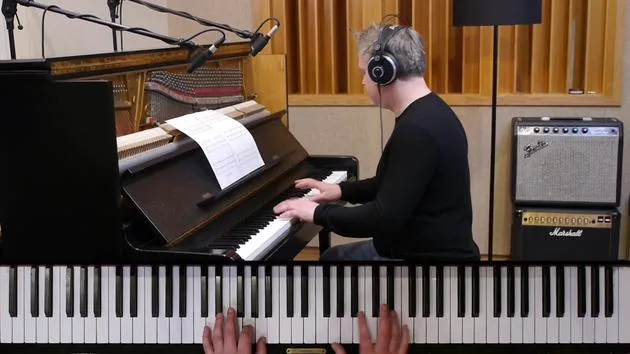
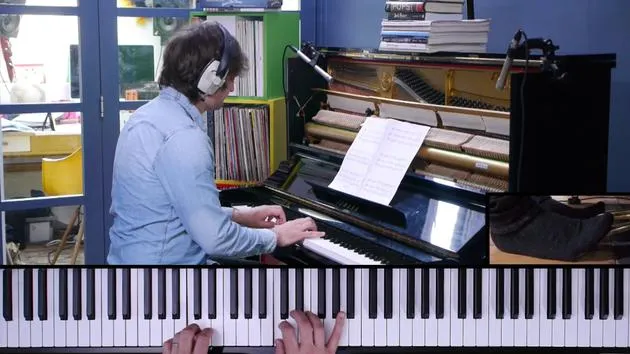
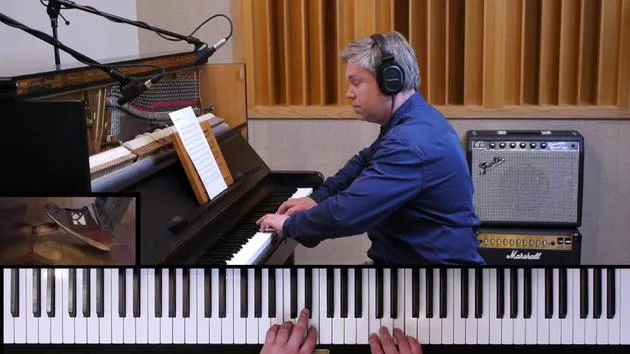
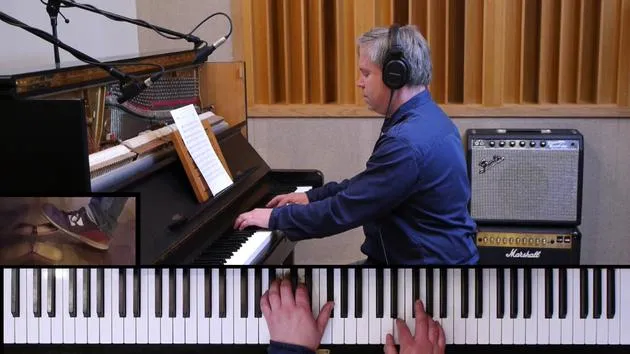
Lesson transcript
Music Lesson: Scales, Arpeggios, and Voicing for Debut Exam
Hey, guys!
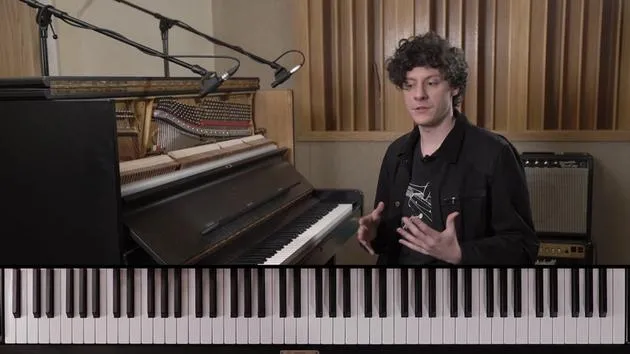
So, we're going to look at some scales, arpeggios, and voicing for the debut. This is the first time you'll be taking an exam for the Rock School syllabus, so I wish you the best of luck. It's all about preparation.
Understanding Scales
What Are Scales?
Very simply, a scale is every note within the key that you're playing in.
- C Major Scale: This is a C major scale.
- Every scale that you play will be a variation of either A major, A minor, or in higher grades, more complicated sounds.
Most scales are either based on:
- A Major Scale
- A Minor Scale (which in the debut starts on A, which is a natural minor)
There are several different types of minor scales; however, we'll get to them in the later grades. Major and minor scales form the backbone of your scale technique.
Importance of Scales
Scales are important because they allow us to develop technique for playing music. A lot of the harmony in the melody is based on scales, whether they're major, minor, or something else.
Exploring Arpeggios
What Are Arpeggios?
Arpeggios are a way of breaking up chords. In the debut, we have broken chords, so we have:
- C Major Broken Chord
At this stage, we're doing them hand separately, so focus on each individual hand.
- The left hand may feel slightly less comfortable at first with doing more arpeggios, simply because in a lot of jazz and pop playing, we're used to playing chords with the left hand and less so lines.
- However, with practice, they'll be able to sound the same.
Demonstration
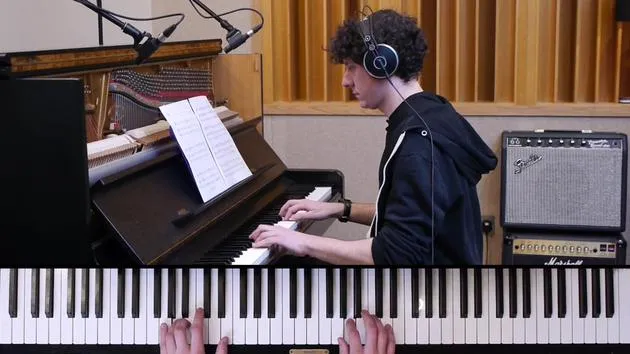
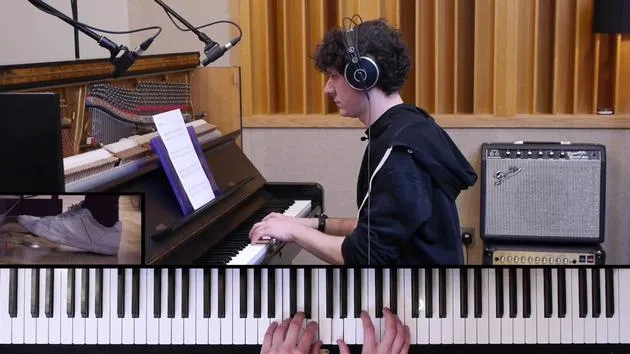
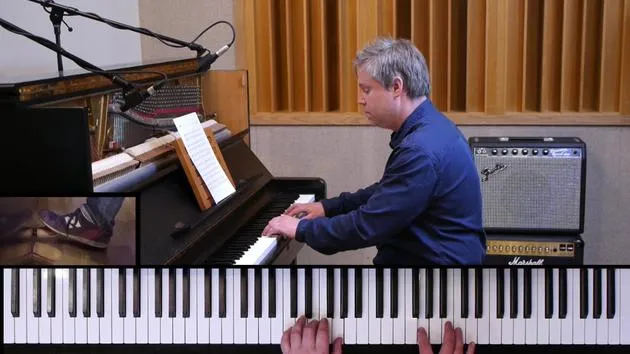
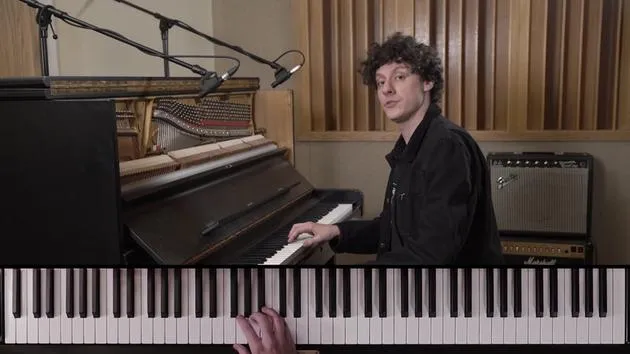
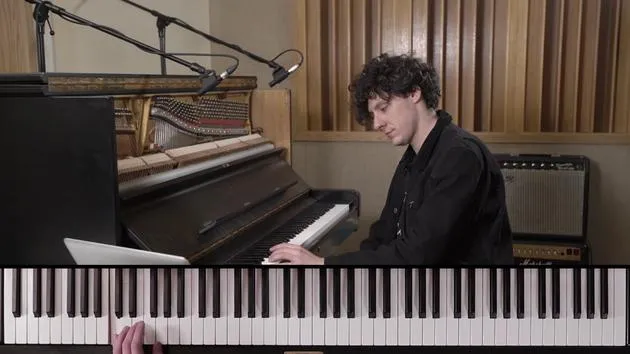
I'm going to show you C major at the tempo of 52 bpm in the right hand:
- Right Hand: 3, 4...
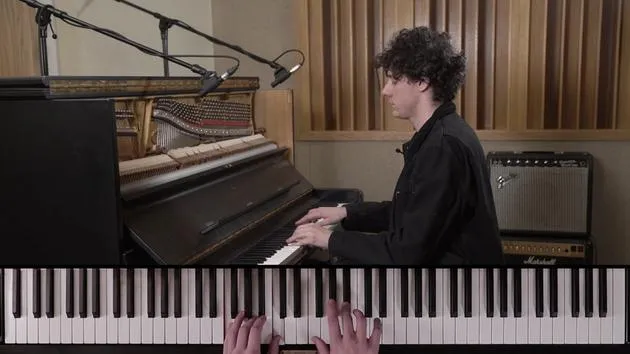
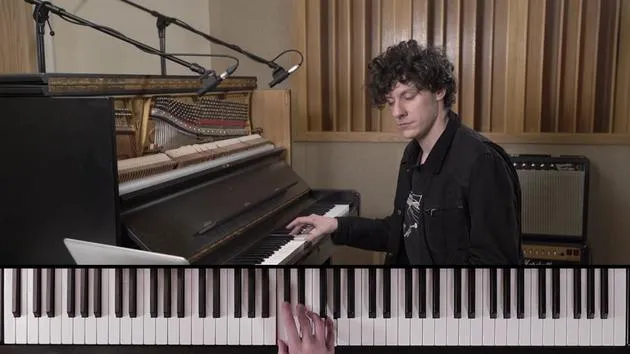
Now, I'll show you a natural minor in the left hand:
- Left Hand: 2, 3, 4...
Fingering Techniques
Good Fingering Is Key
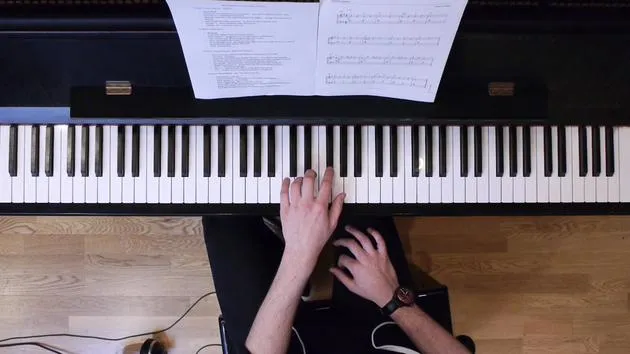
Good fingering is the foundation of most scales. The majority of scales that you'll end up learning have very similar fingerings.
- The most common fingerings for major scales (particularly those that start on white keys):
- Right Hand: 1, 2, 3. Then we fold the thumb over for the 4th, and we go 1, 2, 3, 4, 5 (when doing one octave).
- Example: 1, 2, 3, 1, 2, 3, 4, 5.
When playing more than one octave, you'll wrap your thumb again underneath for the next octave, and coming down is the same thing.
- Left Hand Fingering: It's basically the opposite. We start with the fifth finger, head up to the one, and then we go 3, 2, 1.
- If going more than one octave, place the thumb on the top and then go over to the fourth finger.
This is the same for the debut series for the major and natural minors:
- Left Hand: 5, 4, 3, 2, 1, 3, 2, 1
- Right Hand: 1, 2, 3, 1, 2, 3, 4, 5 (and the same on the way down).
Practicing Scales
How to Practice Scales Properly
- Start slowly and work your way up from there.
- For this debut, we are learning hands separately.
- Eventually, we'll learn hands together.
Tips for Practicing:
- It's a good rule of thumb to start working on fingering hand separately, slowly, before bringing them together.
- Recommended Tempo: 52 BPM for the exam. If this is too fast, start slower and work your way up.
- There's no slowest tempo it can be; it's absolutely fine to start at your own pace.
- You may even find that playing out of time at first is the most helpful way of improving fingering and technique. After enough practice, it'll be up to speed!
Good luck with your practice!
28 lessons
1h 26m of structured video lessons
Advanced video features
Slow down, loop a passage, follow along
Mobile, tablet & desktop
Practise wherever you are
100% satisfaction guarantee
30-day money-back guarantee







