


If a label, publisher or manager approaches me to sign a contract but I dont have the funds to pay for a lawyer, who should pay the legal fees?

With
Judge Jules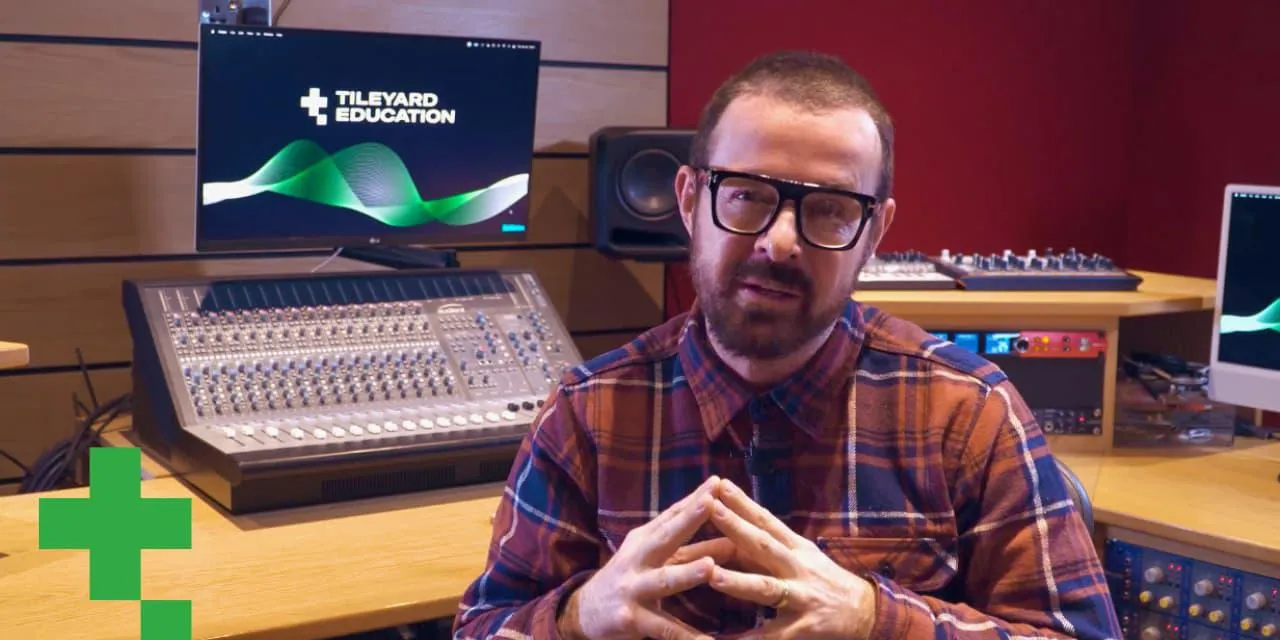
What's in the course
46 lessons (1h 6m) · 1 free
01. Accounting
Free lesson1:16
02. Termination
1:29
03. Collection societies and letter of direction
0:26
04. Commission structure
2:32
05. Cross platform-multimedia aspects
0:39
06. Expenses
1:10
07. Key man provisions
1:01
08. A manager's obligations
2:33
09. Post term commission
1:30
10. Should a manager be involved in all aspects of an artist's income?
1:40
11. Term
1:46
12. Should a manager manage more than one artist?
1:24
01. Accounting payments and auditing
2:18
02. Ancillary shares
1:58
03. Artist approvals
1:51
04. Artist promotional obligations
1:50
05. Assignment or licence - what's the difference?
3:17
06. Interplay with publishing
0:51
07. Options
1:39
08. Release commitment
1:26
09. Rights in the artist's name and brand
1:26
10. Royalty types
1:20
11. Territory of agreement
1:54
12. Warranties and indemnities
1:37
01. What are the most important areas of a contract for a new artist?
2:11
02. Is it normal that a music lawyer would meet me and listen to my case before charging me?
1:15
03. If a label, publisher or manager approaches me to sign a contract but I dont have the funds to pay for a lawyer, who should pay the legal fees?
You are here1:20
04. Are 360 degree deals good value for an artist?
1:14
05. Am I still protected when it comes to copyright in the NFT or the crypto world?
0:26
06. Should I be wary of a publishing deal?
1:02
07. What protection exists for artists releasing their own music that don't have access to a lawyer?
1:03
Lesson transcript
Understanding Legal Contributions in Music Contracts
There are certain types of contracts where it's more commonplace for a legal contribution to be made by the party on the other side, on the understanding that the creative doesn't have as much money.
Management Agreements
In management agreements, this practice happens quite frequently because it is in the manager's interest to get an artist to sign a contract.
Considerations for Artists
- Benefits to Managers:
- There is no particular reason why an artist should sign a management agreement.
- It mainly benefits the manager to have the security that the artist will not run off the moment they achieve success.
For this reason, many managers, especially the more professional ones, will contribute towards the legal fees of the artist.
Record and Music Publishing Deals
Similarly, in larger record and music publishing deals, certain case law has established that:
- If an artist wasn't legally represented when signing a deal, particularly in the case of record and publishing agreements,
- There may be a legal argument or foundation for them to get out of the deal due to an imbalance of power between the applicable record label or music publisher and the artists themselves.
Therefore, for the larger entity to have paid some money to ensure that their artist received legal representation helps to mitigate this risk and strengthens their position, as it demonstrates that the artist was legally represented.
46 lessons
1h 6m of structured video lessons
Advanced video features
Slow down, loop a passage, follow along
Mobile, tablet & desktop
Practise wherever you are
100% satisfaction guarantee
30-day money-back guarantee
Meet your guru
Meet your guru
Jules O'Riordan has over 30 years of experience across the entire spectrum of the music industry. This includes nearly a decade as an A&R for the Universal umbrella of labels, 15 years as a presenter on BBC Radio 1, over 150 record releases and remixes in his own capacity as a recording artist, plus a 30-year career as one of Britain's best-known, globally-travelled DJs (Judge Jules), with over 5000 gigs under his belt, plus extensive experience as an event promoter and artist manager at the highest level.
Suffice to say, Jules knows the music industry inside-out, and his clients regard him as a trusted advisor for whom no legal or business affairs challenge or problem is too large or small.
Jules has been a lawyer for 10 years. His practice takes in the entire breadth of the music-focused entertainment industry. His legal and deal expertise includes management, recording, publishing, distribution and label services, music-based apps, games and tech projects, production deals, producers, featured artists, endorsements, merchandising, neighbouring rights, TV/film scores, live performance, events and venue agreements, plus copyright and rights infringement and many other disputes.
Jules's clients include artists, management companies, record labels, songwriters, event promoters, producers, music tech businesses, production companies, live agents, music publishers and DJs. He has spoken on many panels and seminars including ADE, Brighton Music Conference and AIM events, and has been a guest speaker on legal issues across a number of on and off-line media outlets, including BBC Radio 5 Live, BBC Introducing, Financial Times, The Sun, The Times and Mixmag.
Jules speaks fluent Spanish.
Who better to demystify the contracts and deals every musician eventually faces? In his course, Jules turns three decades of hard-won industry knowledge into plain-English guidance, so you can understand the business side of music and protect your work long before you sign on the dotted line.