



Atteins le chevalet avant de changer l'angle
Avec
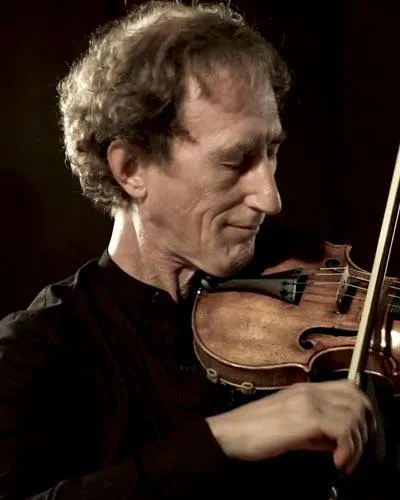
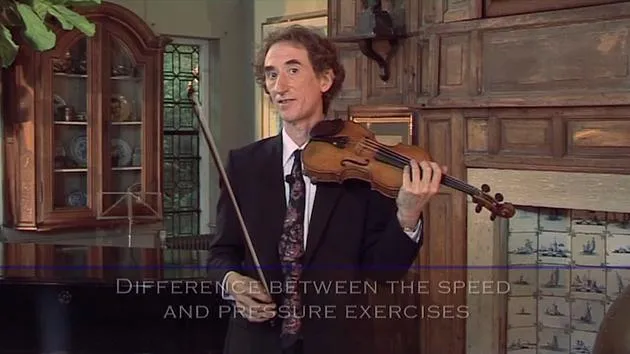
Simon FischerSimon Fischer pointe une erreur courante dans cet exercice d'archet — changer l'angle de l'archet trop tôt — et montre pourquoi tu dois d'abord atteindre le chevalet avant de repartir.
Le contenu du cours
17 leçons (1h 15min) · 1 gratuites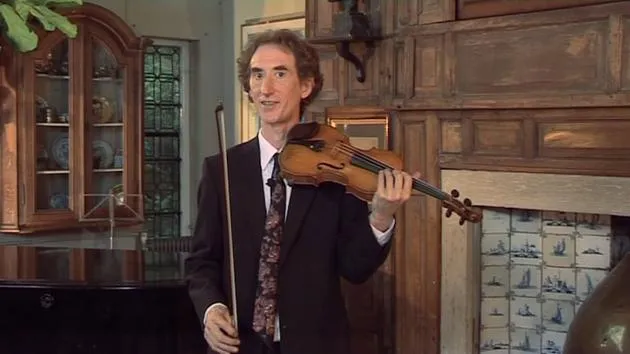
01. Introduction aux combinaisons
0:18
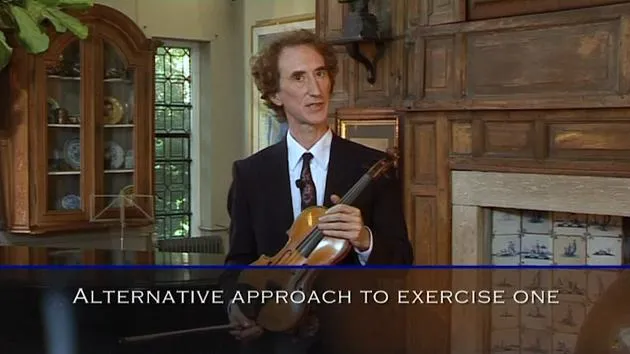
02. Approche alternative de l'exercice un
1:23
03. Exercice six : exercice de vitesse + exercice de pression
0:55
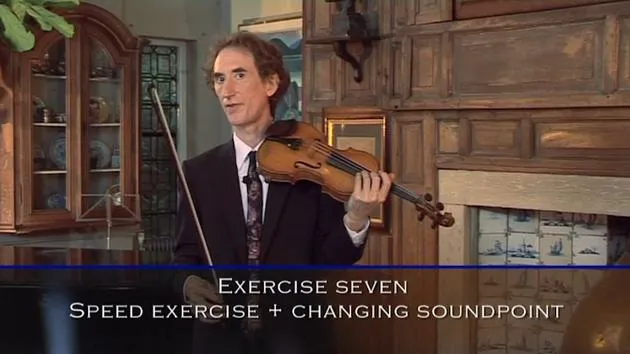
04. Exercice sept : exercice de vitesse + changement de point de contact
3:30
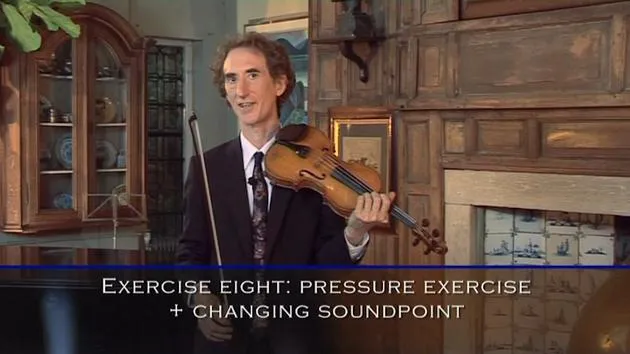
05. Exercice huit : Exercice de pression + Point sonore
1:44
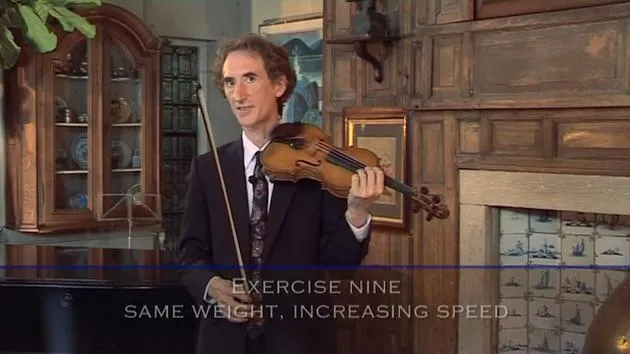
06. Exercice neuf : Même poids, vitesse croissante
1:21
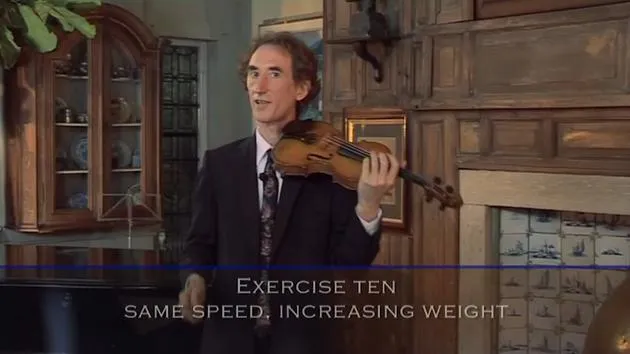
07. Exercice dix : même vitesse, poids croissant
1:14
08. Conclusion
1:33
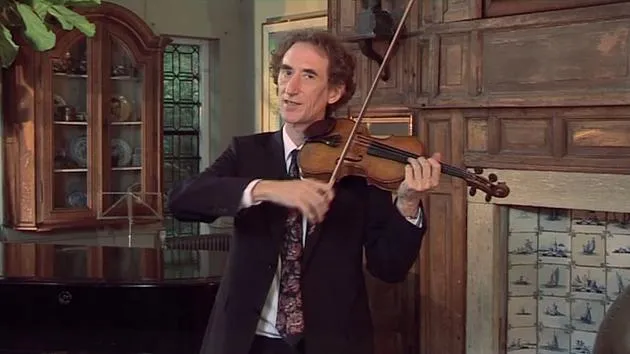
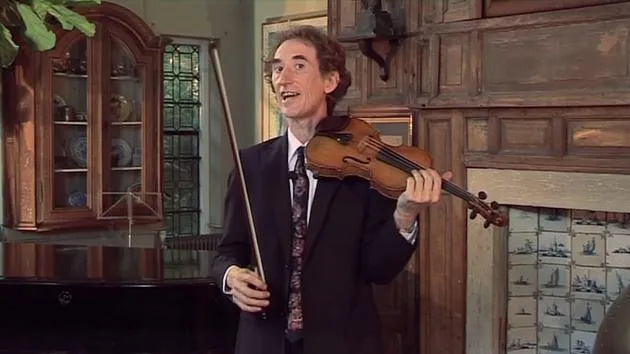
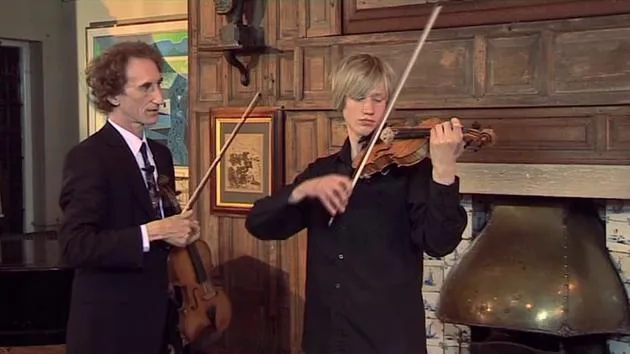
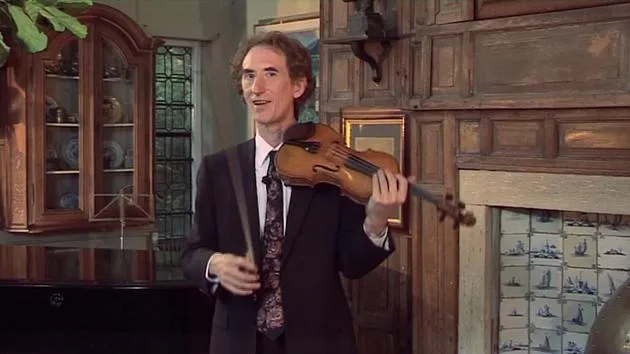
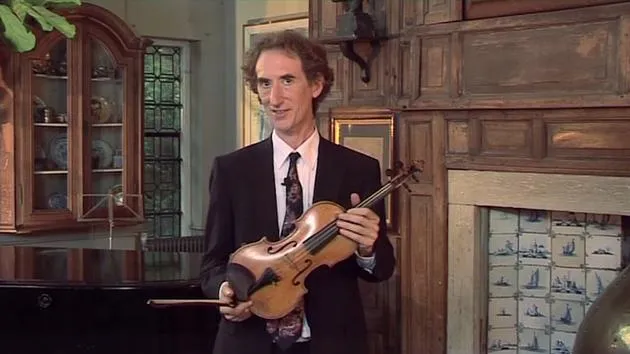
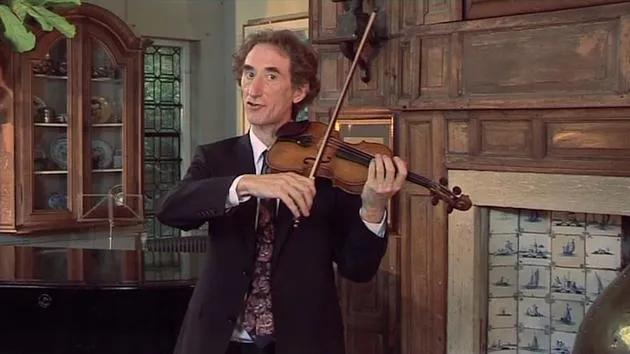
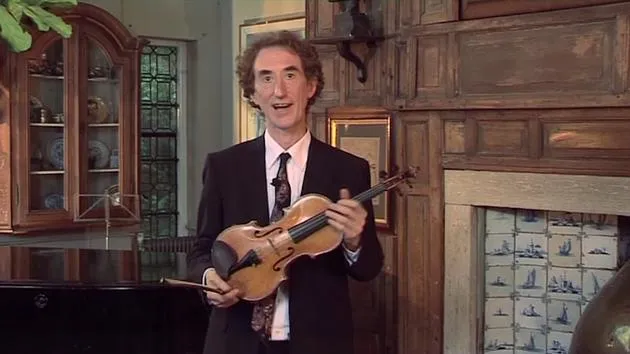
Transcription de la leçon
Bow Angle Exercise: A Guide for Players
Doing this exercise for the first time, many players:
- Angle the bow correctly so that it travels naturally towards the bridge.
- Change the angle before arriving at the bridge, as though they want to travel towards the fingerboard instead.
Key Points:
-
Do Not Change the Angle:
- Maintain the angle that allows you to travel towards the bridge until you arrive at it.
-
Sustain the Bow:
- Once you reach the bridge, sustain the bow with a very slow motion.
- Change the angle to send the bow traveling towards the fingerboard again.
Reflection on Performances:
-
On the down bow:
- You were at the correct angle to take you to the bridge. That was fine.
-
On the up bow:
- Before you got to the bridge, you started steering away, but you hadn't arrived yet.
Common Mistake:
- Many people tend to change the angle on the up bow before reaching the bridge.
- Remember: Don't change the angle until you get to the bridge! Then angle it away.
Final Tips:
-
Do it one more time and remember:
- Go heavy and slow at the bridge if you don't want it to sound silvery.
-
Adjustments:
- Ensure that your bow angle is not too extreme; use a little bow angle for better control.
Encouragement:
- "Whoa, get that, get that, Tim! Look at this here, this pose. So strokey. Feather light and heavy and slow. Yes. Okay, now then, keep it, keep it. Keep it there. Angle away. Brilliant!"
17 leçons
1h 15m de leçons vidéo structurées
Fonctions vidéo avancées
Ralentissez, bouclez un passage, suivez la partition
Mobile, tablette et ordinateur
Pratiquez où vous voulez
Satisfaction garantie à 100 %
Garantie remboursement 30 jours
Rencontrez votre guru
Rencontrez votre guru
Simon Fischer mène une carrière remarquable et variée de concertiste, de pédagogue et d'artiste de studio.
Il s'est produit dans le monde entier en récital et a enregistré trois Sonates de Brahms, un enregistrement salué par la revue Gramophone.
Simon est reconnu comme l'un des professeurs d'élite au monde. Il est professeur à la Guildhall School of Music et a occupé des postes à la Yehudi Menuhin School, la Wells Cathedral School et la Purcell School, et a été pendant 15 ans professeur invité à la Royal Scottish Academy of Music. Après avoir étudié à Londres avec Yfrah Neaman et à New York avec Dorothy DeLay, l'approche de Fischer réunit les meilleurs éléments des traditions violonistiques française, russe et américaine.
Les publications de Fischer exercent une grande influence sur l'enseignement du violon. Rédacteur pour la revue The Strad depuis 1991, ses articles mensuels ont conquis un lectorat dans le monde entier. Publiés par Edition Peters, ses ouvrages techniques Basics and Practice (traduit en coréen, italien et allemand), Scales et The Violin Lesson, ainsi que le DVD The Secrets of Tone Production (désormais disponible en streaming via MusicGurus), sont devenus des références sur de nombreux continents. Son livre et DVD Warming Up a été décrit par la revue The Strad comme « 23 pages d'or technique à l'état pur ».
En 2014, Simon Fischer a reçu le prix de la European String Teachers Association « pour saluer une contribution à l'enseignement des cordes à l'échelle d'une vie ».
Dans son cours en quatre parties Secrets of Tone Production, Simon te guide pour apprendre à connaître ton instrument, puis pour travailler pas à pas ses exercices fondamentaux de sonorité, afin de produire un son plus riche, plus maîtrisé et plus beau au violon.







