



Rappel sur les notes de l'accord
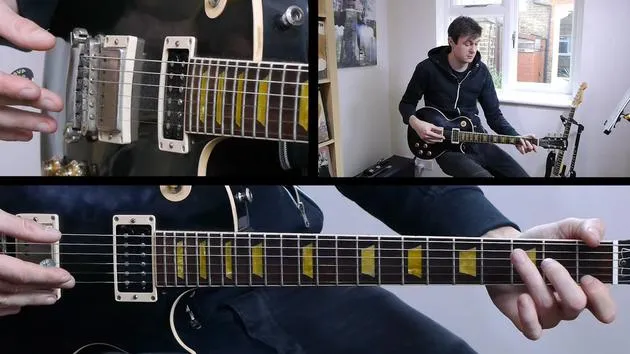
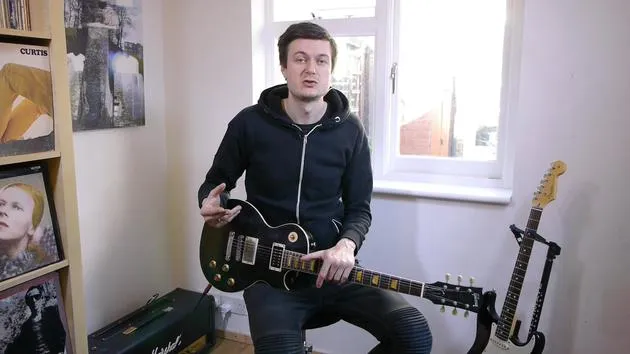
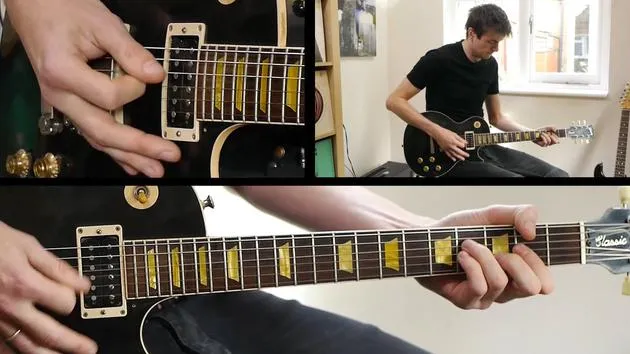
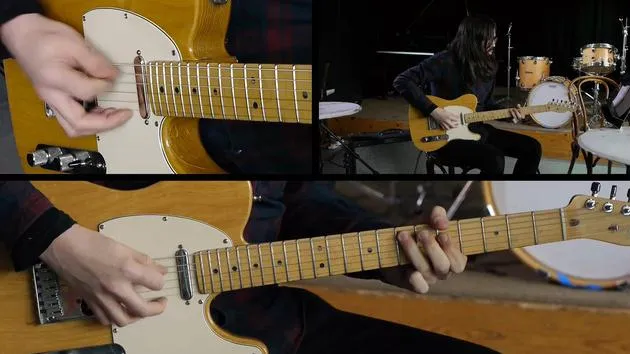
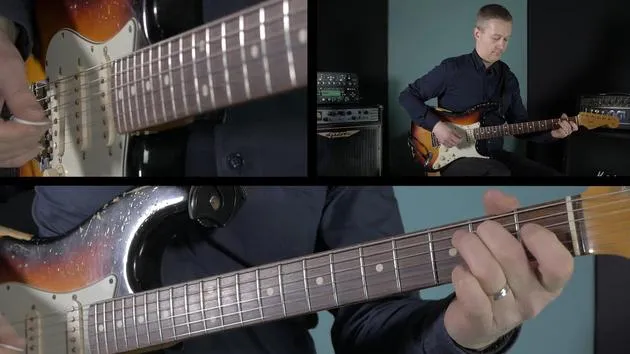
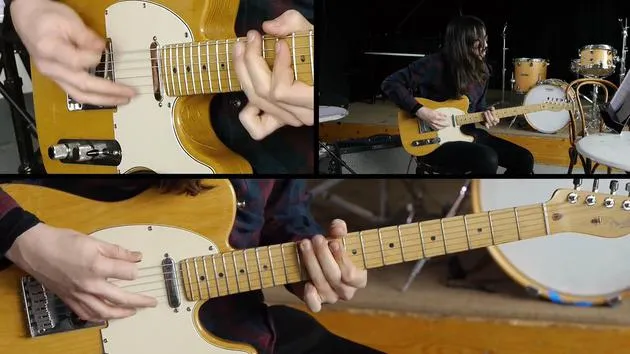
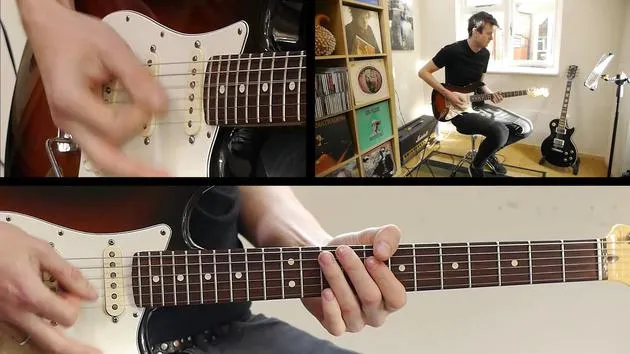
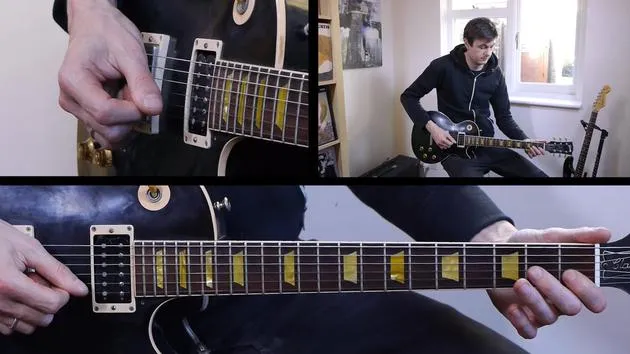
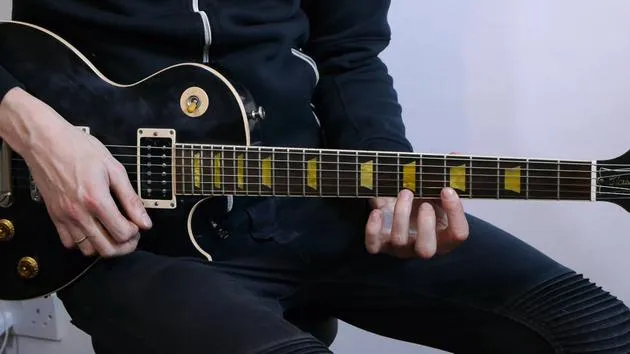
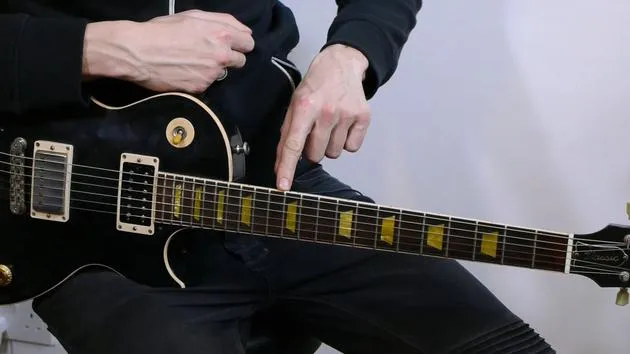
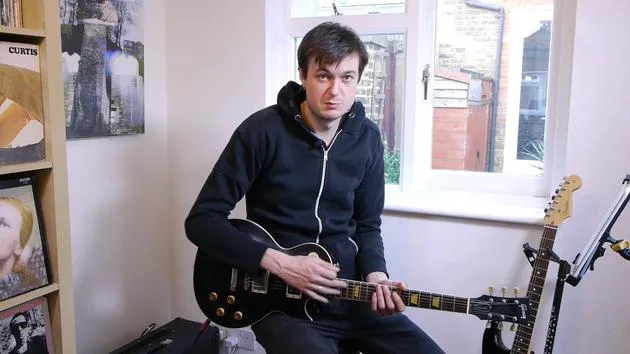
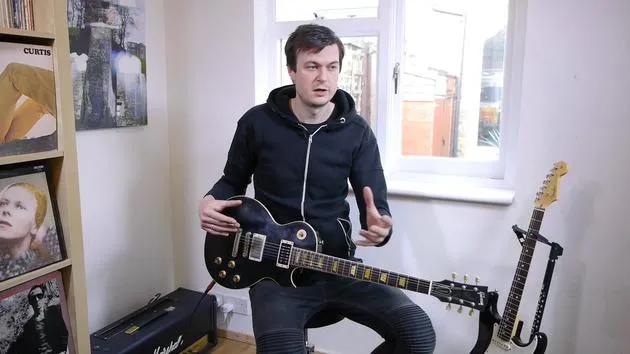
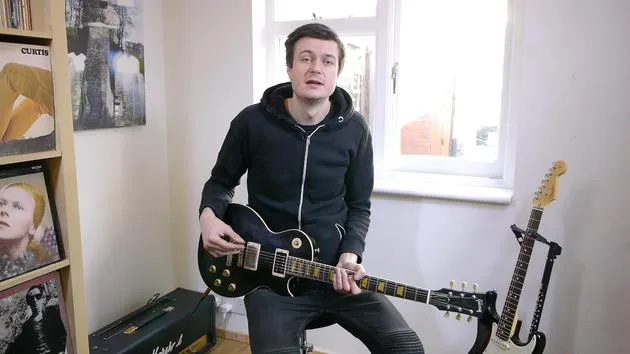
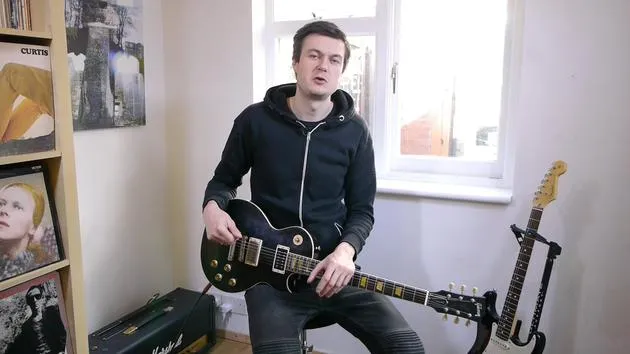
James Barratt fait le point sur la construction des notes de l'accord, en prenant la première, la troisième et la cinquième notes de la gamme majeure pour former les accords de do et sol majeur sur tout le manche.

Le contenu du cours
42 leçons (3h 27min) · 1 gratuites
01. Introduction aux approches de l'improvisation
1:00
02. Rappel sur les notes de l'accord
Tu es ici4:07
03. Improviser sur les notes de l'accord
10:18
04. Accords de septième
6:38
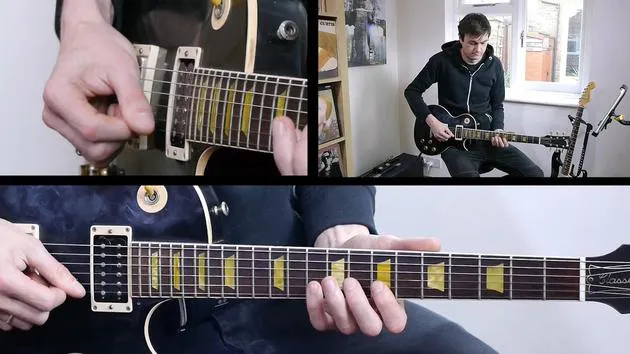
05. Embellir une mélodie
5:36
06. Défi : envoie ta mélodie
0:26
07. Composer ton solo
8:53
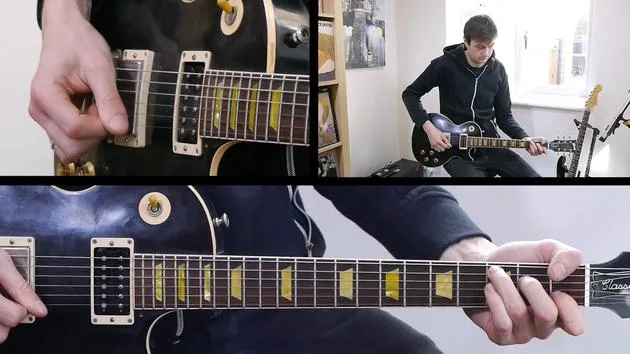
08. Guitare rythmique et ornementations
5:40
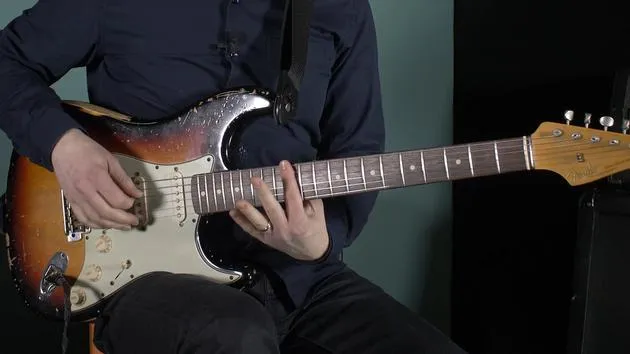

Transcription de la leçon
Recap on Finding Chord Tones
Okay, so let's have a little recap on finding chord tones.
C Major Chord
Let's demonstrate one more time how we found the chord tones of the C major chord.
-
C Major Scale:
- We will start with our C major scale because we're playing a C major chord.
- We'll play through that scale and count the numbers as we go until we get to the C again.
Counting the Notes:
- If we do it right, we should get seven different notes before we reach C.
- Count with me: 1, 2, 3, 4, 5, 6, 7.
- And there's our C again.
-
Creating the C Major Chord:
- To create a C major chord from that group of notes, we need to take:
- Note number one (C)
- Note number three (E)
- Note number five (G)
Let's walk through that scale again, making a mental note of notes number one, three, and five:
- 1: C
- 2:
- 3: E (that's an E note there)
- 4:
- 5: G
So we've got C, E, and G.
- To create a C major chord from that group of notes, we need to take:
-
Playing the C Major Chord:
-
That is the formula to play any C major chord on the guitar anywhere.
-
Play that combination of notes at the same time, and you're playing a C major chord.
-
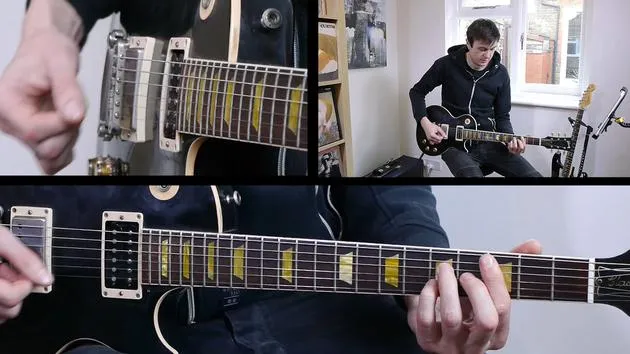
A C major chord doesn't have to look like just one shape.
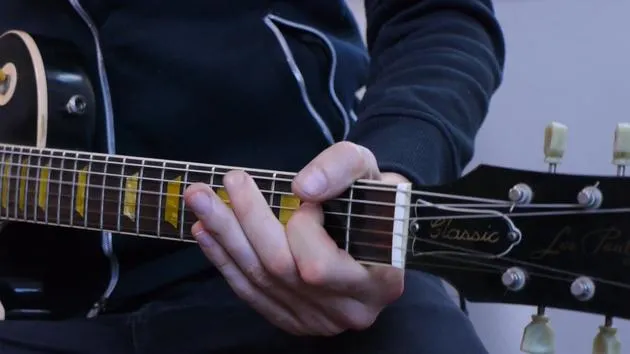
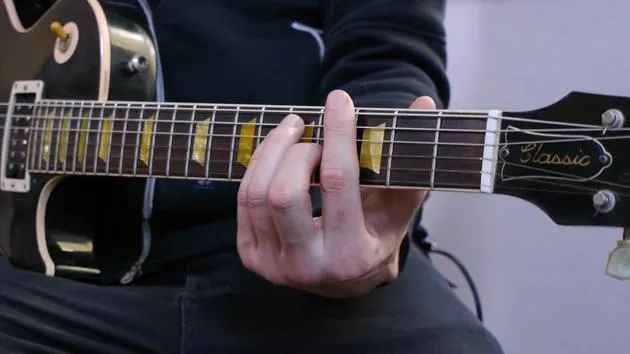
- I could play C, E, and G here,
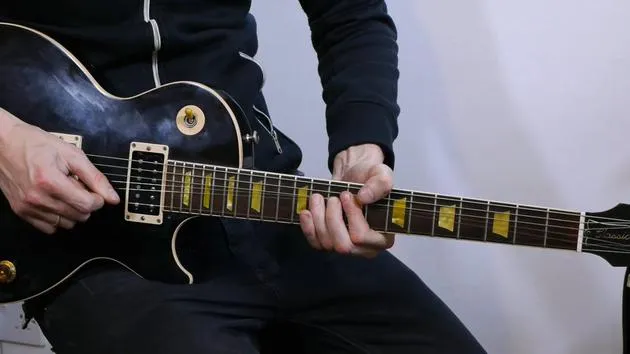
- I could play C, E, and G here,
- I could play a C and a G up here.
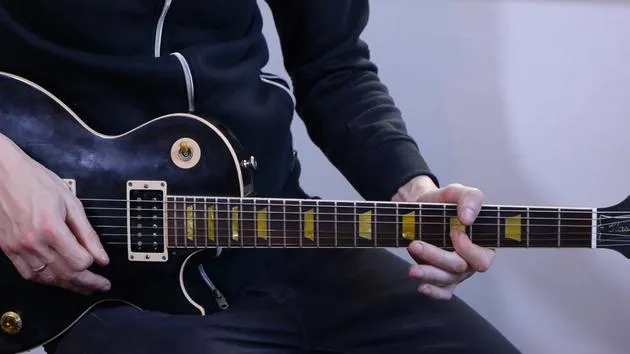
There are loads of different places to play a C major chord, not just down here.
-
G Major Chord
Now, let's look at a different example for variety. We'll take a G major chord:
-
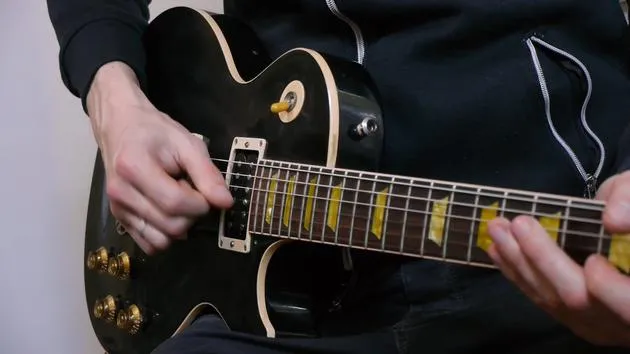
Strumming the G Major Chord:
-
We're strumming all six strings again, but that doesn't mean we're playing six different notes.
-
To find the chord tones in our G major chord, we'll play through the G major scale.
-
If you're unfamiliar with the shape of this, check out the technical exercises. There will be an example of a G major scale.
Counting the Notes:
- Let's count through our seven different notes: 1, 2, 3, 4, 5, 6, 7.
- And there's our G again.
-
-
Creating the G Major Chord:
- Again, to make our G major chord, we'll take:
- Note number one (G)
- Note number three (B)
- Note number five (D)
Let's do that now:
- 1: G (no surprises there)
- 2:
- 3: B (this is a B note here)
- 4:
- 5: D (and this is a D note here)
The three notes we need to construct a G major chord are G (number one), B (number three), and D (number five).
- Again, to make our G major chord, we'll take:
-
Playing the G Major Chord:
- Play those notes at the same time, and you're playing a G major chord.
- That combination of notes anywhere on the guitar will give you a G major chord.
Changing to Minor Chords
To make either of those chords minor, as we discussed, all you need to do is:
- Take the third note (the middle one) and flatten it by one semitone (one fret).
G Major to G Minor:
- From our G major chord, we had: G, B, and D (1, 3, 5).
- Now, from our G major scale, let's flatten the B by one semitone (move it back one fret).
This gives us G minor. You can hear how the tone of that chord has massively changed:
- G major vs. G minor.
Practice Exercise
Now, go and try that in a few different keys and see how you get on!
- Finding Chord Tones:
- Go to the scale of that root note on your chord.
- For example, if you've picked A, find the A major scale, count through the notes of that scale, and make a note of:
- Note number one
- Note number three
- Note number five
These will be your chord tones for that major chord.
- These are the good notes to target to start off your improvisation.
Good luck with that, and let's have a look at the next technique!
42 leçons
3h 27m de leçons vidéo structurées
Fonctions vidéo avancées
Ralentissez, bouclez un passage, suivez la partition
Mobile, tablette et ordinateur
Pratiquez où vous voulez
Satisfaction garantie à 100 %
Garantie remboursement 30 jours







