



Carbon Footprint
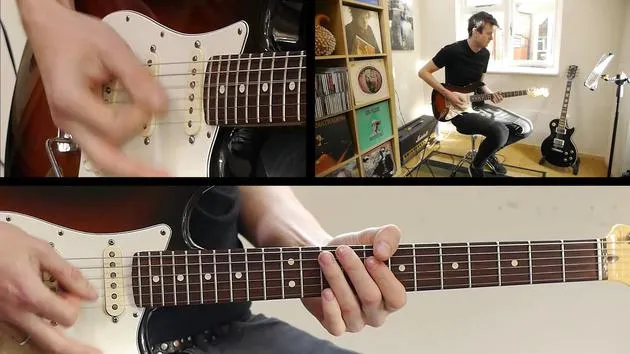
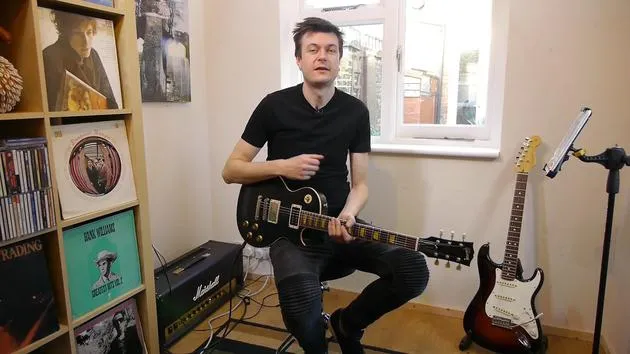
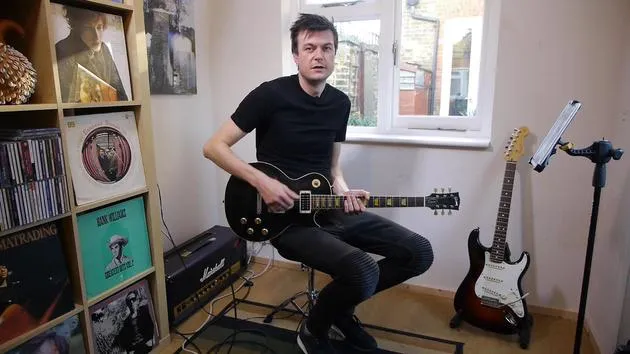
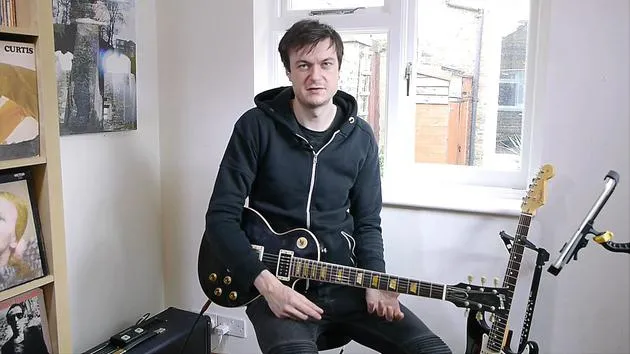
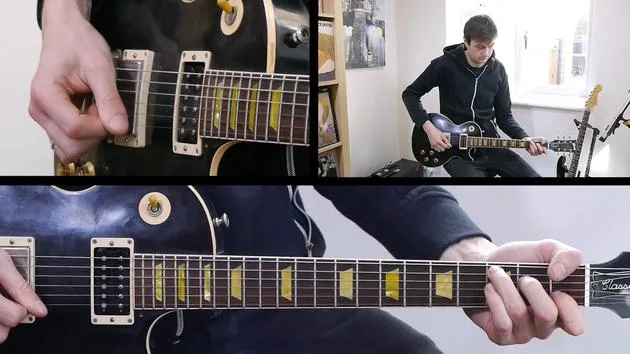
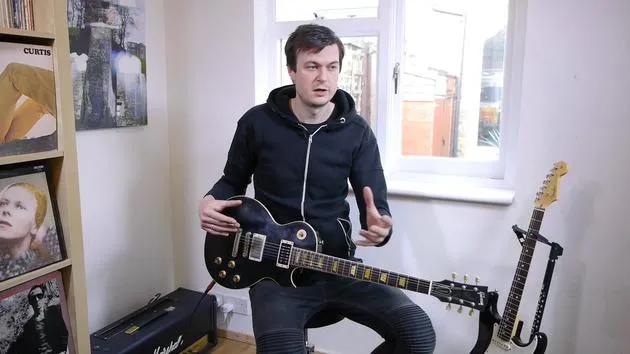
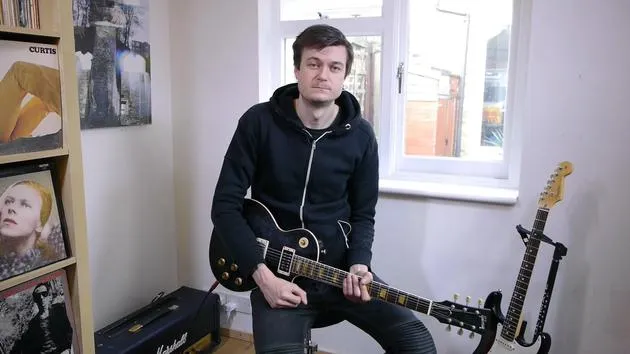
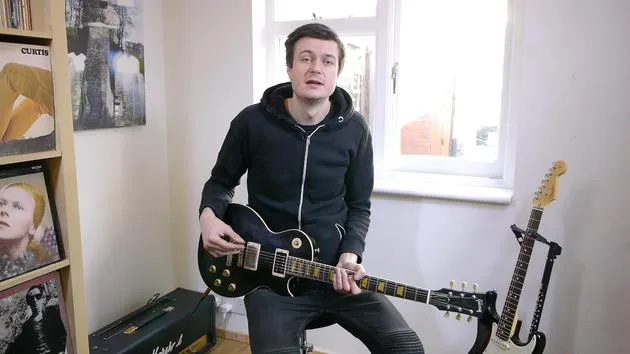
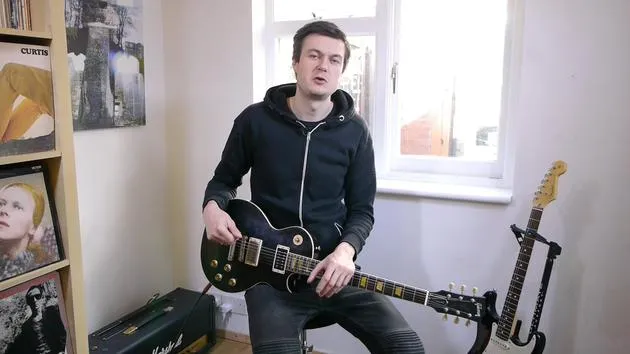
Charlie Griffiths décompose Carbon Footprint, un morceau de rock aux influences électroniques en Sol mineur inspiré d'artistes comme Prodigy et Satriani, en commençant par son riff d'introduction qui ne part pas de la fondamentale.

Le contenu du cours
42 leçons (3h 27min) · 1 gratuites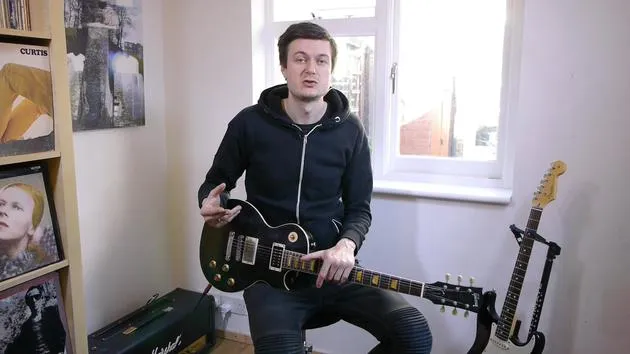
Transcription de la leçon
Music Lesson: Carbon Footprint Track
Introduction
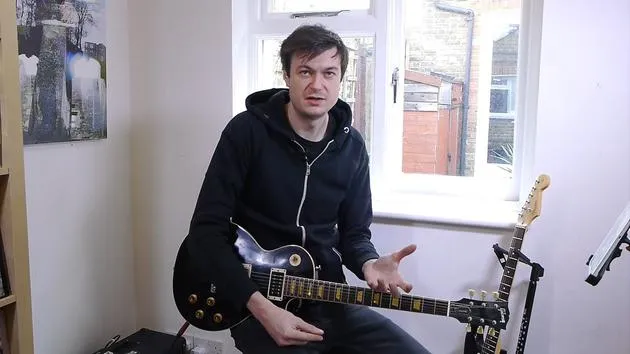
So that's the track Carbon Footprint. It's a fun but challenging track inspired by electronic music, drawing influence from bands like Prodigy or Pendulum. The guitar playing is more aligned with instrumental rock players, such as Steve Vai and Joe Satriani, especially from the Satriani album Engines of Creation, which incorporated many electronic elements with guitar playing.
Tonal Center
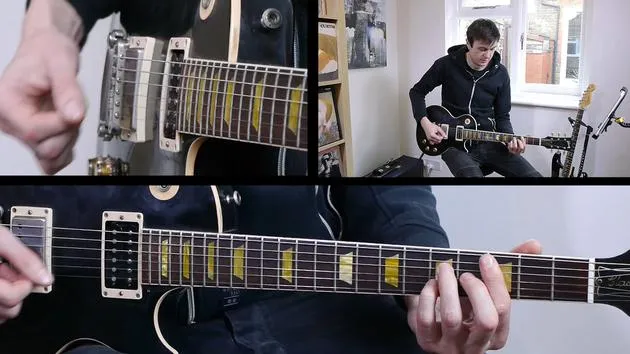
- The track starts with a riff in G minor.
- The G note serves as our tonal center.
- The lowest note played is F, which is the flat 7 of G.
This is unusual as we start the riff on a note that isn't the root note and is lower than it. Additionally, we have a chromatic note in between the following:
- Flat seven (F) → Major seven → Root note (G)
The rest of the notes have a blues scale sound. The B5 adds a bluesy kind of sound. In the second repetition, we add another chromatic passing note:
- Going from B flat (minor third) up to B (major third), arriving at the fourth, which is C.
Palm Muting Technique
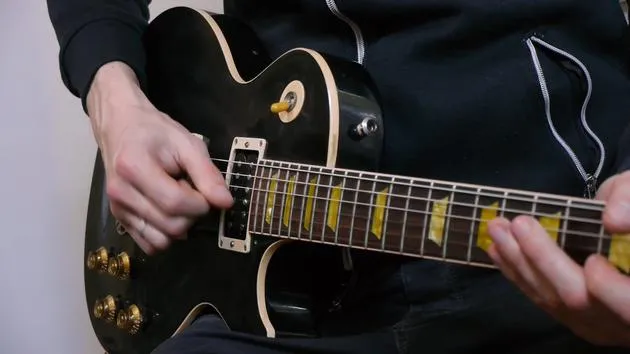
Moving on to the next part, we're going to add some palm mutes.
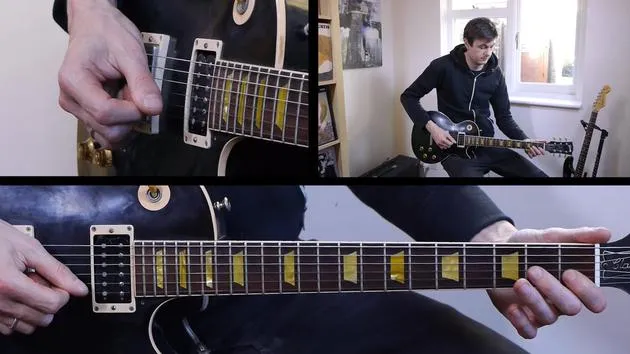
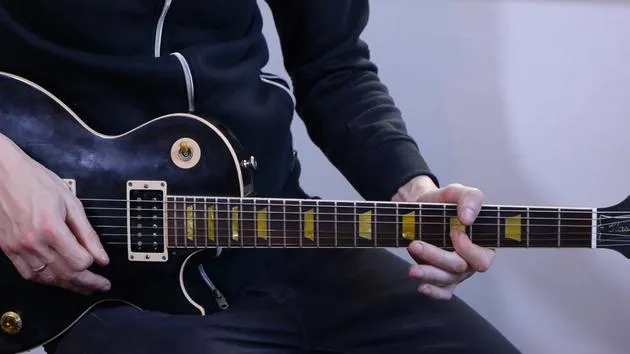
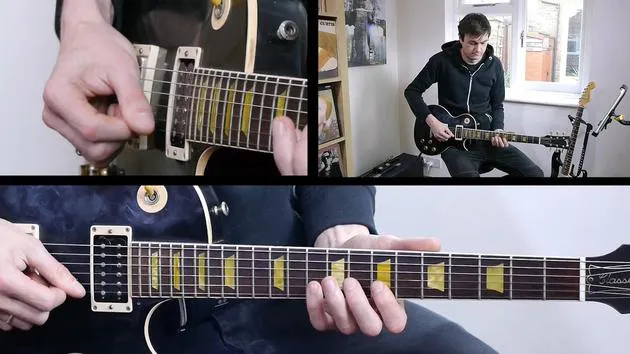
- Practice playing the riff slowly, focusing on making sure the fingers land neatly and accurately on the frets.
- Tip: Ensure your fingers are right behind the fret wire with each note.
Gradually build up the speed as you gain confidence, making sure all notes sound clean and accurate. If mistakes occur, it's likely due to playing too fast. Go back and slow down if needed.
B Section: Melody and Bends
In the B section, the initial bend in the melody is key.
- We start with an F note and bend it up to a G.
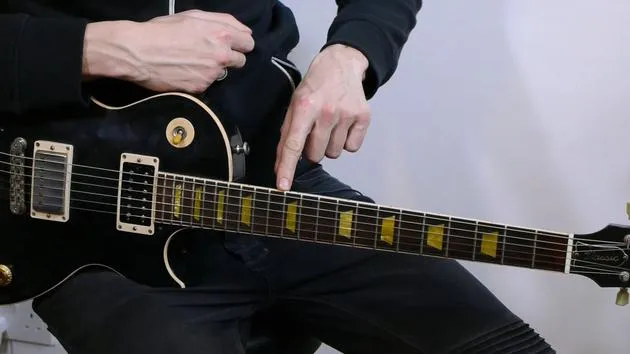
- A good tip when practicing bends is to fret both notes first:
- F on the sixth fret
- G on the eighth fret
This helps your ear recognize the tone between the two notes, ensuring your bend is accurate and in tune (not more or less than a tone).
In the next part of the melody, we incorporate another bend on the sixth fret, third string, a semitone bend (equivalent to one fret).
- Practice by playing the sixth fret to the seventh fret until familiar with the sound of a semitone.
C Section: Chord Shapes
In the C section, we will shift our focus from single notes to chords.
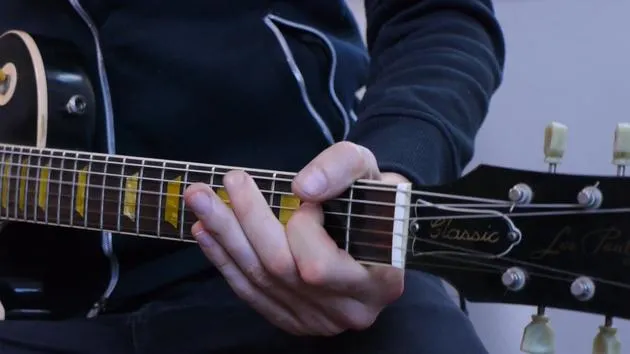
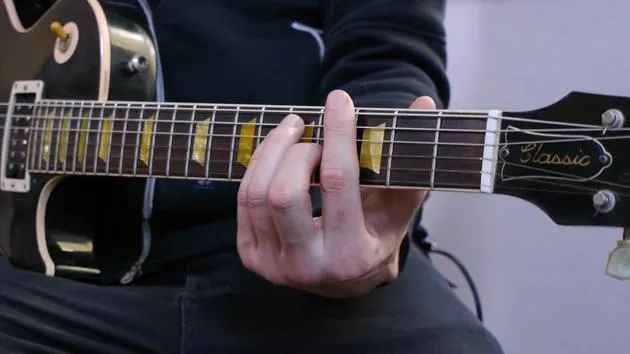
- Chord shapes to use:
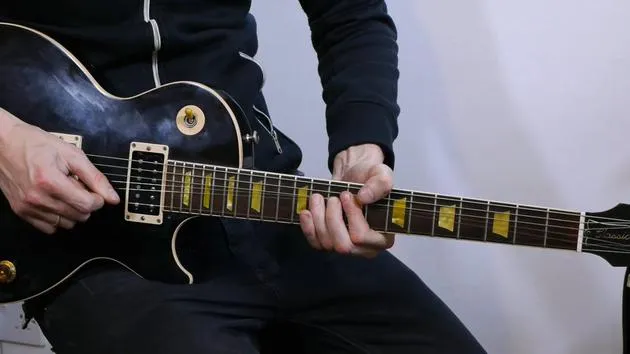
- First finger barring the third fret on three strings.
- Move up to the sixth fret, using your second finger on the B string, and third and fourth fingers on the two middle strings.
- Move to the fifth fret bar with the first finger.
After the written rhythm, something like this, feel free to develop that part on the second repeat:
- Add rhythmic interest while keeping the same chord shapes.
- Improvise to create your rhythm:
- Add quicker down and up strums or accent different downbeats and upbeats.
Experiment with this to help develop your own rhythmic style.
D Section: Improvised Solo
For the D section, this is where we introduce an improvised solo. Over these chords, use:
- The simplest scale: G minor pentatonic.
- You could stick to position one or explore the fretboard like players such as Steve Vai or Joe Satriani, who utilize the entire fretboard.
One fun technique in the key of G is to use the Open G string to navigate up and down the guitar. By combining it with notes from the minor pentatonic scale, you can travel between positions effectively.
Adding More Notes
- You can expand your soloing by using the Dorian mode:
- Think of it as G minor pentatonic plus a major second and sixth.
For that classic Satriani sound, employ legato techniques like hammer-ons and pull-offs to smoothly connect the notes.
E Section: Chromatic Riff
Finally, we arrive at the E section, focusing on a riff that utilizes lots of chromatic passing notes.
- Use G minor pentatonic as a framework:
- Follow the scale: 535363 (two notes per string).
- Fill in the gaps on each string using your second finger.
You'll have:
- Three notes on one string
- Three notes on another
- Four consecutive notes on the sixth string
Start with this to get your fingers accustomed to playing those chromatic passing notes to aid in muscle memory for the actual riff.
Conclusion
That's a wrap on Carbon Footprint! There's plenty to practice here, featuring a variety of fun techniques and new sounds.
Have fun!
42 leçons
3h 27m de leçons vidéo structurées
Fonctions vidéo avancées
Ralentissez, bouclez un passage, suivez la partition
Mobile, tablette et ordinateur
Pratiquez où vous voulez
Satisfaction garantie à 100 %
Garantie remboursement 30 jours







