



Deep Trouble (Analyse)
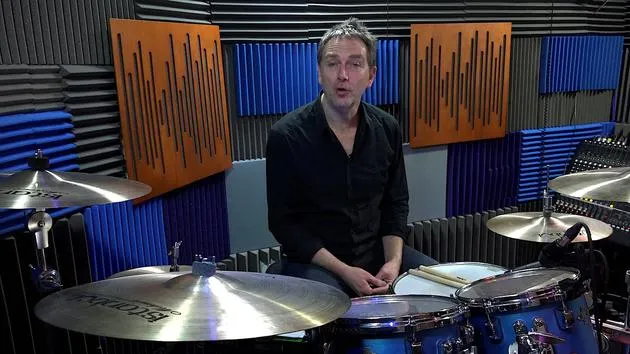
Pat Levett apporte son point de vue de pro sur le morceau Rockschool 'Deep Trouble' ; n'oublie pas de consulter aussi la présentation et le guide détaillé dans ton livre !

Le contenu du cours
28 leçons (1h 51min) · 2 gratuites
01. Soul Man – Sam And Dave
1:27
02. I Want To Break Free – Queen
1:04
03. Liberation – Wretch 32
1:11
04. In The Midnight Hour – Wilson Pickett
1:11
05. Yeah – Usher
1:07
06. Billie Jean – Michael Jackson
1:25
07. Kaiser Roll
1:10
08. Bend & Snap
1:09
09. Jangle Road
1:21
10. West Coast Rollin'
1:24
11. Deep Trouble
1:12
12. Munky Fusic
Leçon gratuite1:14
01. Soul Man – Sam And Dave (Analyse)
4:55
02. Billie Jean – Michael Jackson (Analyse)
13:28
03. In The Midnight Hour – Wilson Pickett (Analyse)
8:40
04. Yeah – Usher (Analyse)
10:26
05. I Want To Break Free – Queen (Analyse)
3:18
06. Liberation – Wretch 32 (Analyse)
7:45
07. Kaiser Roll (Analyse)
8:56
08. Bend & Snap (Analyse)
7:25
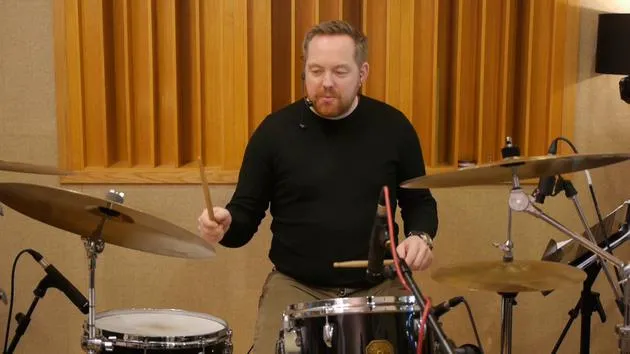
09. Jangle Road (analyse)
5:12
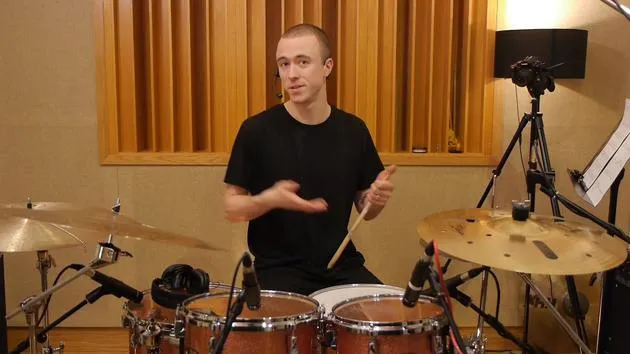
10. West Coast Rollin' (Analyse)
Leçon gratuite3:53
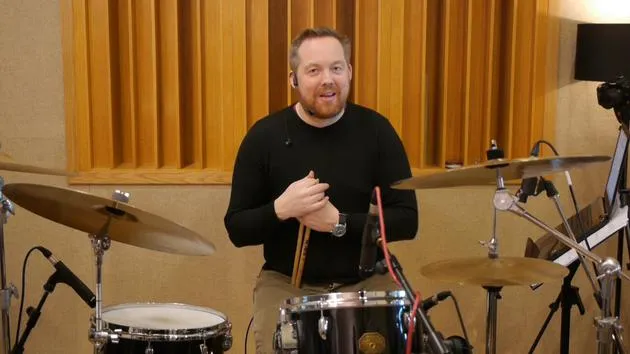
11. Deep Trouble (Analyse)
Tu es ici7:38
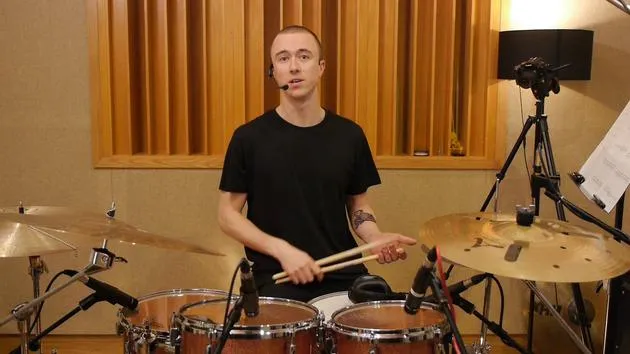
12. Munky Fusic (analyse)
2:45
Transcription de la leçon
Deep Trouble: Understanding Deep Purple
This lesson focuses on a band called Deep Purple. If you haven't heard of them, they are an iconic rock band from the 70s, known for their guitar-heavy riffs. One of their most famous songs is "Smoke on the Water," which has a sound you might recognize.
Key Elements of the Piece
-
Character of the Piece:
- This classic rock piece requires more attitude.
- It's essential to dig in a little harder when playing.
-
Rhythm Structure:
- Concentrate on counting your crotchets (quarter notes) and quavers (eighth notes).
- Think: 1 and 2 and 3 and 4 and 1 and 2.
- Ensure the "and" is strong; otherwise, the whole tune will sound weak.
Focus on Dynamics
-
Technique:
- Playing with more weight means being in control, not going wild.
- Practice three dynamics: quiet, medium, and loud, always returning back to quiet.
-
Single Stroke Rolls:
- Focus on how you strike the surface, varying between quiet, medium, and loud while staying in control.
Rim Shots and Bass Drum Technique
- Using rim shots on the snare drum can help increase volume.
- When playing, keep your beater close to the drumhead for quick impacts.
- Avoid big movements; they can lead to fatigue.
Staying Steady with Loud Instruments
- As things get louder, don't rush!
- Try using your arm a bit more to maintain control of the tempo.
- For example, in Bar 15, there's syncopation; always count the crotchet strongly.
Offbeat Playing
-
A recommended exercise:
- Play a bar of quavers on offbeats using a bass drum and crash cymbal together.
- Example count: 1 and 2 and 3 and 4.
-
Always start by counting in with a strong bar: 1 and 2 and 3 and 4 and 1.
Syncopation and Energy Management
- In this piece, there's a fill that uses the snare drum playing quavers.
- I prefer to play it with one hand to maintain energy.
- While you could alternate hands, one hand often feels more fluid and energetic.
Bar 20 Breakdown
- In Bar 20, you'll find:
- Half a bar of groove
- Half a bar of the snare drum figure.
- Here's how I like to play it, but feel free to choose what feels best for you.
Listening for Inspiration
70s rock is fundamentally about the drums. Notable drummers to listen to include:
- John Bonham (Led Zeppelin)
- Ian Pace (Deep Purple)
Final Thoughts
Listening to the original tracks will deepen your understanding and improve your performance. I hope you enjoy this music; it has been a significant inspiration for me!
28 leçons
1h 51m de leçons vidéo structurées
Fonctions vidéo avancées
Ralentissez, bouclez un passage, suivez la partition
Mobile, tablette et ordinateur
Pratiquez où vous voulez
Satisfaction garantie à 100 %
Garantie remboursement 30 jours







