



Billie Jean – Michael Jackson (Analyse)
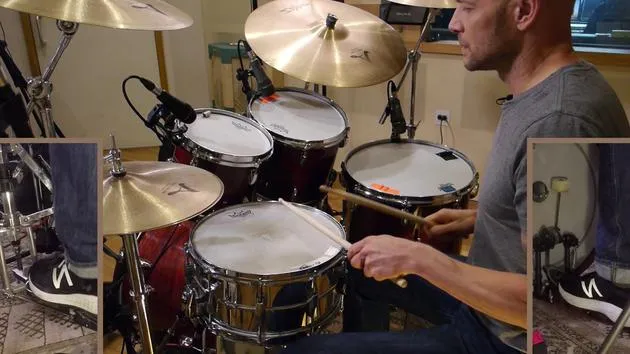
Pete Riley décortique la partie de batterie de 'Billie Jean' de Michael Jackson : un hi-hat régulier en croches avec la grosse caisse sur 1 et 3 et la caisse claire sur 2 et 4.

Le contenu du cours
28 leçons (1h 51min) · 2 gratuites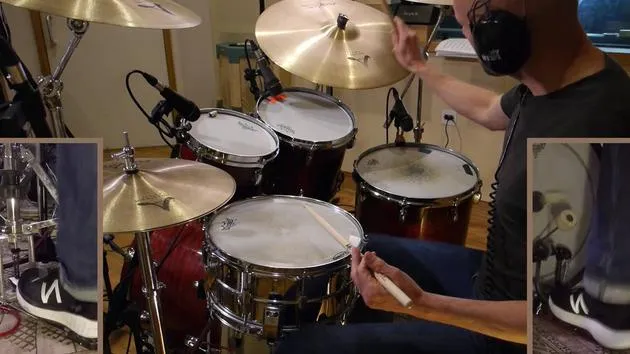
01. Soul Man – Sam And Dave
1:27
02. I Want To Break Free – Queen
1:04
03. Liberation – Wretch 32
1:11
04. In The Midnight Hour – Wilson Pickett
1:11
05. Yeah – Usher
1:07
06. Billie Jean – Michael Jackson
1:25
07. Kaiser Roll
1:10
08. Bend & Snap
1:09
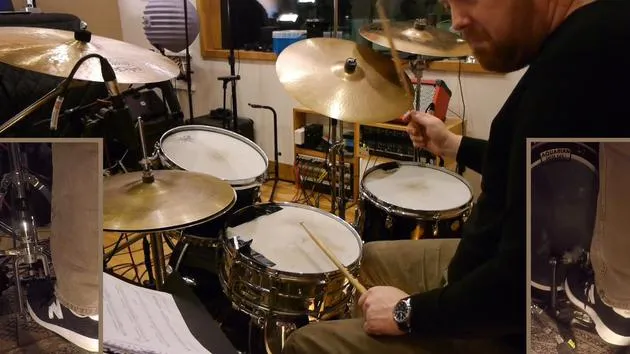
09. Jangle Road
1:21
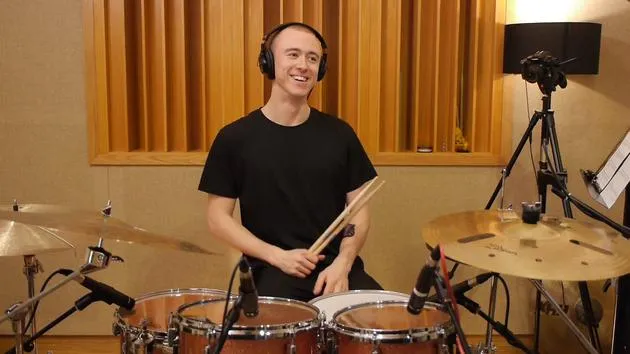
10. West Coast Rollin'
1:24
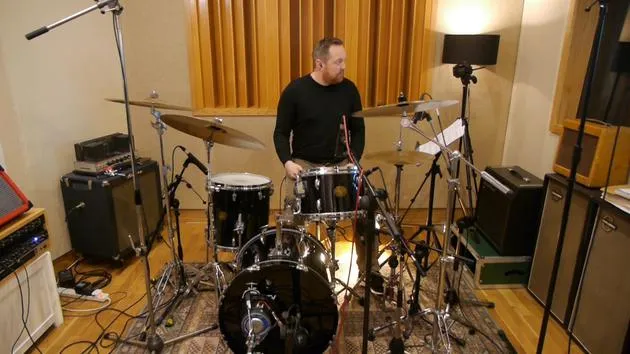
11. Deep Trouble
1:12
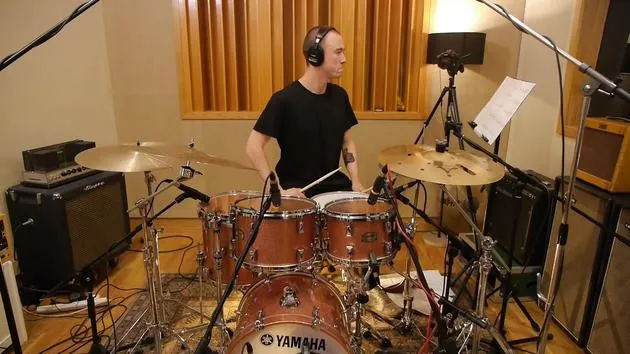
12. Munky Fusic
Leçon gratuite1:14
01. Soul Man – Sam And Dave (Analyse)
4:55
02. Billie Jean – Michael Jackson (Analyse)
Tu es ici13:28
03. In The Midnight Hour – Wilson Pickett (Analyse)
8:40
04. Yeah – Usher (Analyse)
10:26
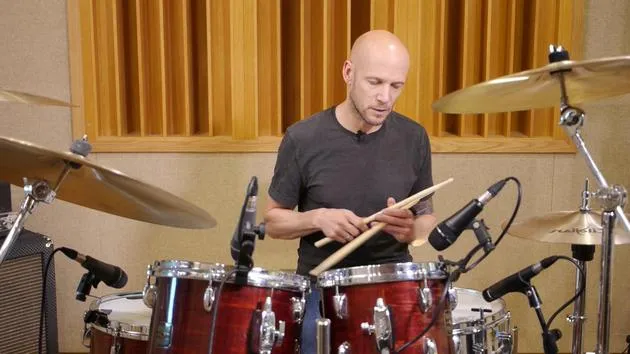
05. I Want To Break Free – Queen (Analyse)
3:18
06. Liberation – Wretch 32 (Analyse)
7:45
07. Kaiser Roll (Analyse)
8:56
08. Bend & Snap (Analyse)
7:25
09. Jangle Road (analyse)
5:12
10. West Coast Rollin' (Analyse)
Leçon gratuite3:53
11. Deep Trouble (Analyse)
7:38
12. Munky Fusic (analyse)
2:45
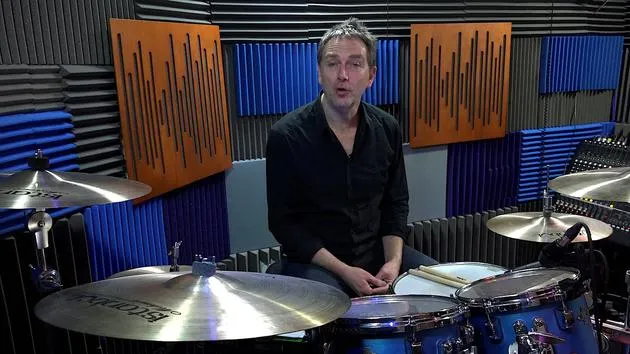

Transcription de la leçon
Music Lesson: Playing "Billie Jean" by Michael Jackson
Introduction
In this lesson, we'll be exploring the classic Michael Jackson song "Billie Jean." We will focus on maintaining an eighth note feel throughout the piece.
Hi-Hat and Bass Relationship
- Hi-Hat: We'll be playing a consistent eighth note pattern on the hi-hat.
- Bass Part: If you listen closely, the bass part is also based around eighth notes. It's crucial to aim for even spacing between these eighth notes , think of it as a "conveyor belt" of eighth notes.
Pattern Breakdown
- Bass Drum: Play on 1 and 3.
- Snare Drum: Play on 2 and 4.
For beginners, consider dissecting this pattern:
- Remove the Snare Drum: Focus on the interaction between the bass drum and hi-hat.
- Play the bass drum every four hi-hat notes.
- Remove the Bass Drum: Focus on the snare drum.
- Hit the snare on 2 and 4 while playing two empty hi-hat notes.
Alternative Practice Approach
Consider breaking the pattern into blocks of two notes:
- Hi-hat with bass drum
- Hi-hat alone
- Hi-hat with snare drum
As you become comfortable, gradually combine these elements to maintain an even flow of time.
Tempo and Challenges
- Tempo: The biggest challenge is playing at 117 beats per minute, which is relatively fast.
- Spend time practicing the feel slowly before attempting the full tempo.
Introducing Open Hi-Hat Notes and Crash Cymbals
-
Crash Cymbal Placement:
- Start by placing a crash cymbal on the downbeat every two bars.
- This should be played simultaneously with the bass drum.
Tip: Maintain the eighth note movement with your right hand while transitioning to the crash cymbal.
High-Hat Opening Technique
To add complexity:
- Bar 18: Open the hi-hat on the last eighth note and close on the downbeat of the next bar.
- Bar 19: Open the hi-hat on both the and of 2 and the and of 4.
Feet Coordination
- Ensure both feet strike simultaneously on the downbeat for a closed hi-hat sound.
- Maintain the bass drum landing on 1 and 3.
Full Open Hi-Hat Practice
- Using the eighth note time will produce an open hi-hat sound on the end of every beat: 1 and 2 and 3 and 4.
Section C: Repetition and Dynamics
- Note that Section C (four bars long) repeats. Pay attention to the repeat marks which indicate its structure.
Transition to Letter D
- When the section is repeated, you will transition to Letter D, hitting the crash cymbal on the downbeat.
Open Hi-Hat Sound Quality
- It's sufficient to simply reduce pressure on the pedal to create an open hi-hat sound; a full open isn't necessary. Aim to make the top cymbal sizzle rather than fully isolating it.
Final Bars of the Piece
To conclude:
- The last two bars culminate in a crash on the downbeat of the final bar.
Conclusion
Now you've covered all the components of "Billie Jean." As you practice, remember the importance of keeping track of your place within the form, especially with repeated sections. Knowing where you are within the piece will help maintain your timing and dynamics.
I hope you enjoy playing along!
28 leçons
1h 51m de leçons vidéo structurées
Fonctions vidéo avancées
Ralentissez, bouclez un passage, suivez la partition
Mobile, tablette et ordinateur
Pratiquez où vous voulez
Satisfaction garantie à 100 %
Garantie remboursement 30 jours







