



Articuler les octaves

Avec
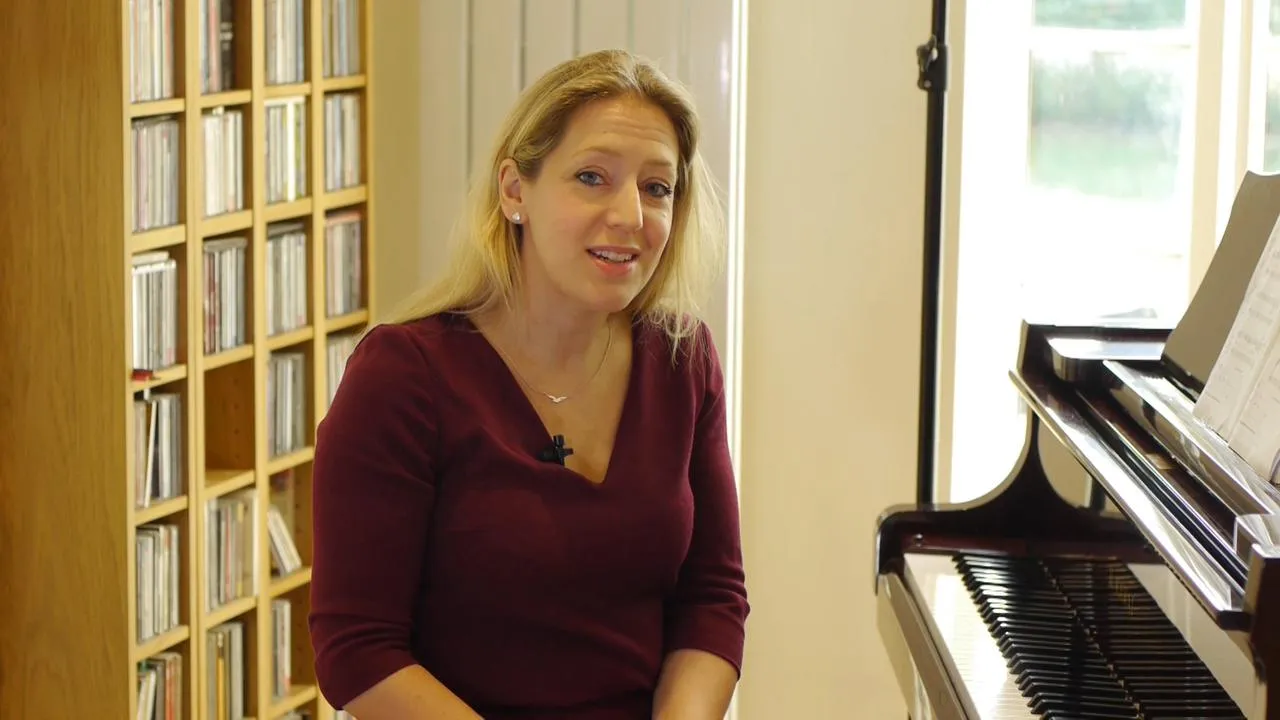
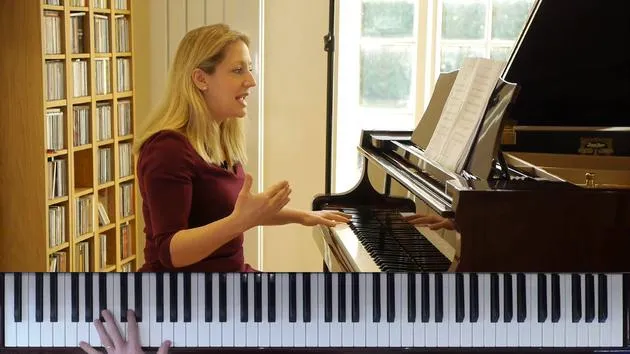
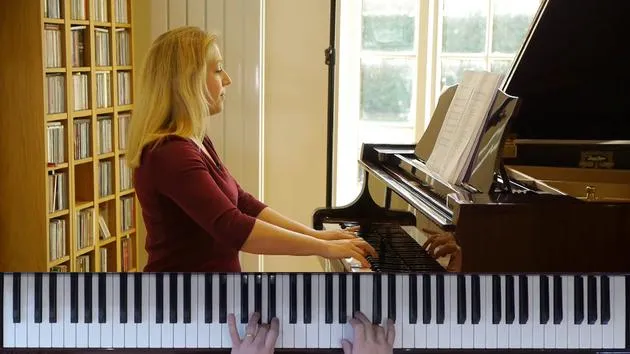
Annabel ThwaiteAnnabel Thwaite te montre comment jouer et travailler les octaves dans Good King Wenceslas, en utilisant le pouce et l'auriculaire pour un son plein et résonnant.
Le contenu du cours
21 leçons (0h 41min) · 2 gratuites



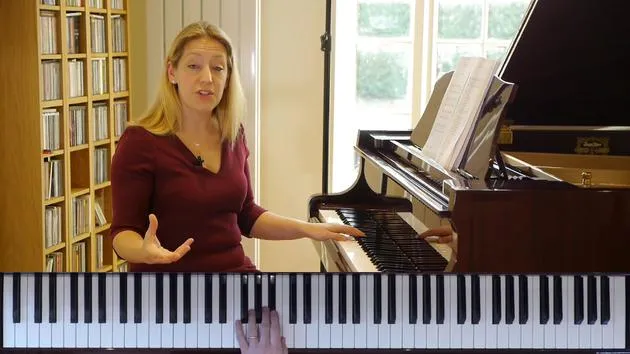

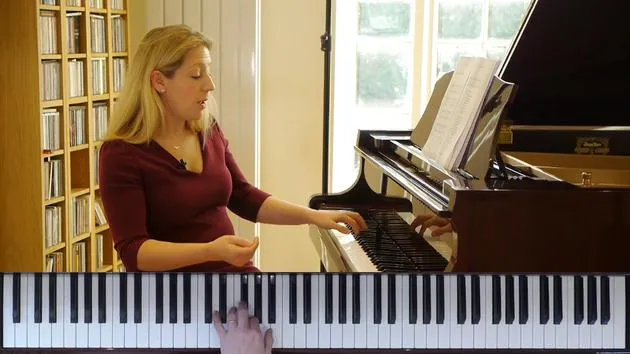

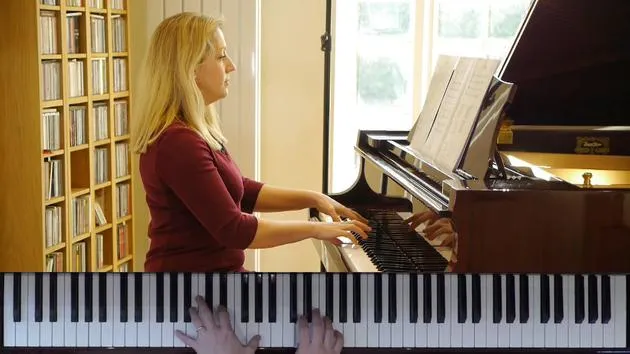

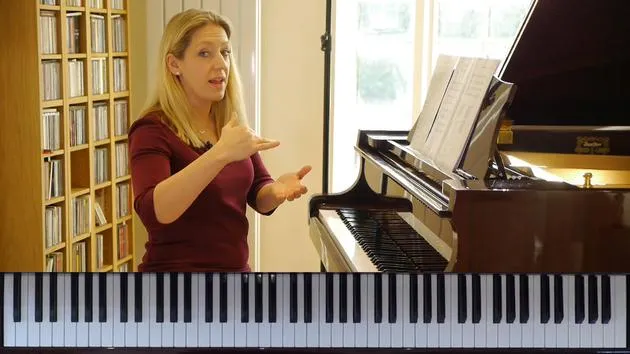
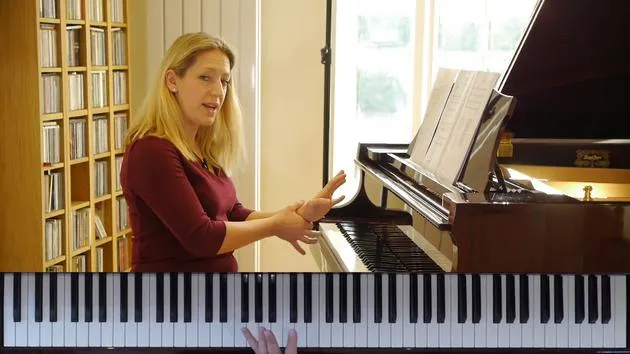
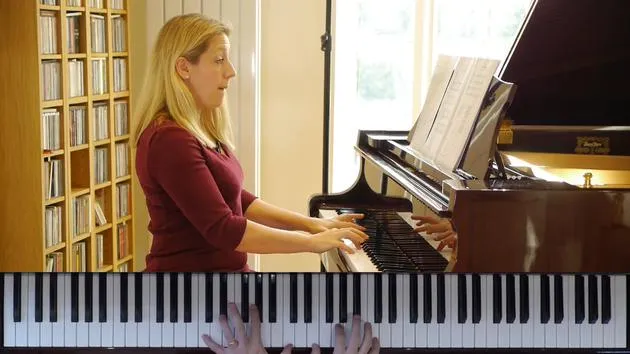
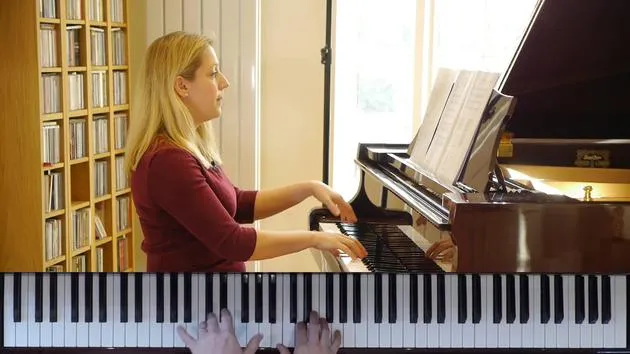
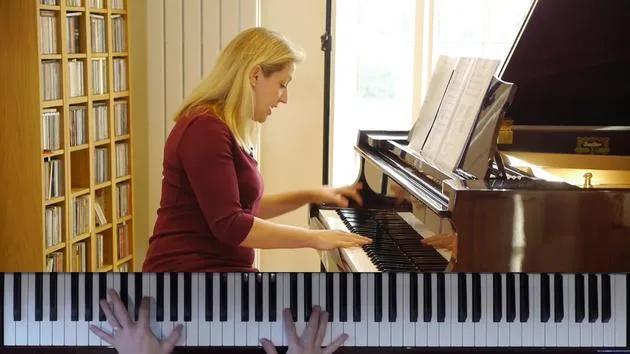
Transcription de la leçon
Embracing Octaves in Music
Don't shy away from octaves. They're fabulous because they give a lot more oomph and grandeur to music.
What is an Octave?
- An octave is eight notes (Oct, meaning eight).
- The most important fingers to use when playing octaves are:
- The thumb
- Often the fifth or fourth finger
The Importance of Grip
Sometimes, you might feel like you want to grip the octave.
- Key Points:
- Difficulty arises when playing white notes and black notes.
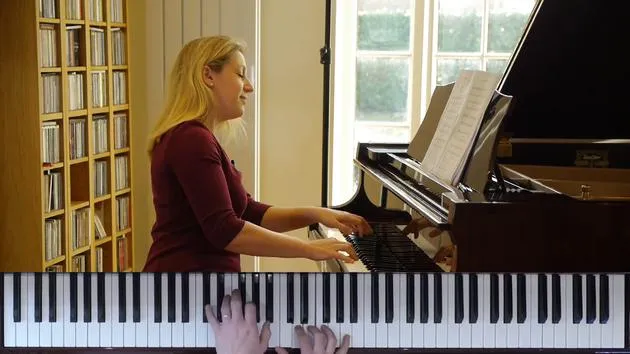
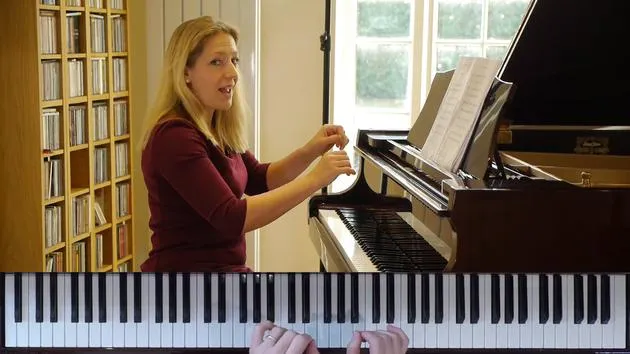
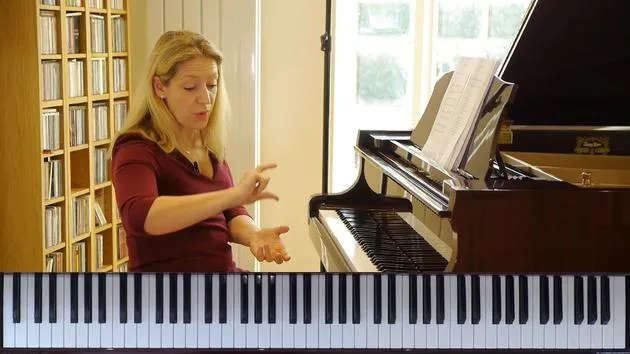
- Observe the flexibility of the thumb, there are a few joints that can be really useful.
- It's the thumb that guides you up and down an octave.
To achieve a real resonance sound, always aim to feel that you're gripping the chord or octave.
Practicing with Focus
A good way to practice octaves is to focus on:
- The thumb
- The fifth finger
For example, at the beginning, we can consider:
- The steps of whether they're next door or if there's a bit of a jump.
- With the fifth finger, keep in mind that the little jump between the B and the G is slightly bigger than the step before it.
The Benefits of the Piano
The great thing about the piano is that it is set, there's an equal distance between all these notes.
- Unlike string instruments, where the shifts will never be the same, the piano provides consistency.
- This consistency only applies when playing on a modern piano or a modern Clavanova.
- Even on a keyboard, the keys are all equal to each other, so practicing blindly is highly recommended.
Practicing with Eyes Closed
At the beginning, you could try practicing with your eyes closed or putting the lid down to feel where your hand or finger is positioned.
- In bar two, when you encounter that little jump, you might even use your fourth finger on the A to help guide your little finger down to the G.
Flexibility in Octave Playing
Another aspect of octave playing is the flexibility of the wrist.
- In bar three, we have four quavers. Rather than playing with tension, aim for a more relaxed approach.
- Maintain flexibility to avoid building up tension in your arm, as this could lead to stress toward the end of the piece.
Remember, lightness and free movement are key to effective octave playing!
21 leçons
0h 41m de leçons vidéo structurées
Fonctions vidéo avancées
Ralentissez, bouclez un passage, suivez la partition
Mobile, tablette et ordinateur
Pratiquez où vous voulez
Satisfaction garantie à 100 %
Garantie remboursement 30 jours
Rencontrez votre guru
Rencontrez votre guru
Reconnue comme l'une des pianistes les plus polyvalentes et charismatiques de Grande-Bretagne, Annabel Thwaite mène une carrière variée de soliste, de chambriste, d'artiste de studio, de pédagogue et d'examinatrice, et a remporté tous les grands prix d'accompagnement, dont les prestigieux Kathleen Ferrier, Gold Medal et Richard Tauber Piano Prizes. Elle a collaboré avec des artistes de renom tels que Roberto Alagna, Bryn Terfel, David Kempster et "Only Men Aloud!"
Annabel a enregistré pour Universal records avec le "Scottish Tenor", dont l'album a été nommé aux Classical Brit Award et passe régulièrement sur Classic FM. Deux fois accompagnatrice du Festival of Welsh Male choirs, ses concerts au Royal Albert Hall ont été enregistrés par Sain et diffusés sur S4C. Elle est aussi pianiste de séance pour le cinéma, ayant enregistré à Abbey Road la musique du film "Awake", de la série de la BBC sur Jane Austen "Emma", de "The Secret Diaries of Miss Anne Lister" et, plus récemment, elle est apparue à la fois dans Blue Peter et dans "The Rob Brydon Show".
"...aidée sans doute par les accompagnements de piano manifestement brillants d'Annabel Thwaite... un vrai plaisir."
Dans ses cours MusicGurus — Learn Christmas Classics on Piano, Learn Classical Favourites on Piano et Growing Chamber Groups and Small Ensembles — Annabel partage la musicalité qui sous-tend cette carrière polyvalente. Tu apprendras à faire vivre au piano des pièces de Noël et classiques bien-aimées, à développer ton toucher et ton phrasé et, forte de son expérience primée d'accompagnatrice, à découvrir comment écouter, mener et jouer ensemble en faisant de la musique avec d'autres musiciens au sein de groupes de chambre et de petits ensembles.







