



Improviser - Arpèges et enclosures

Avec
Rob Luft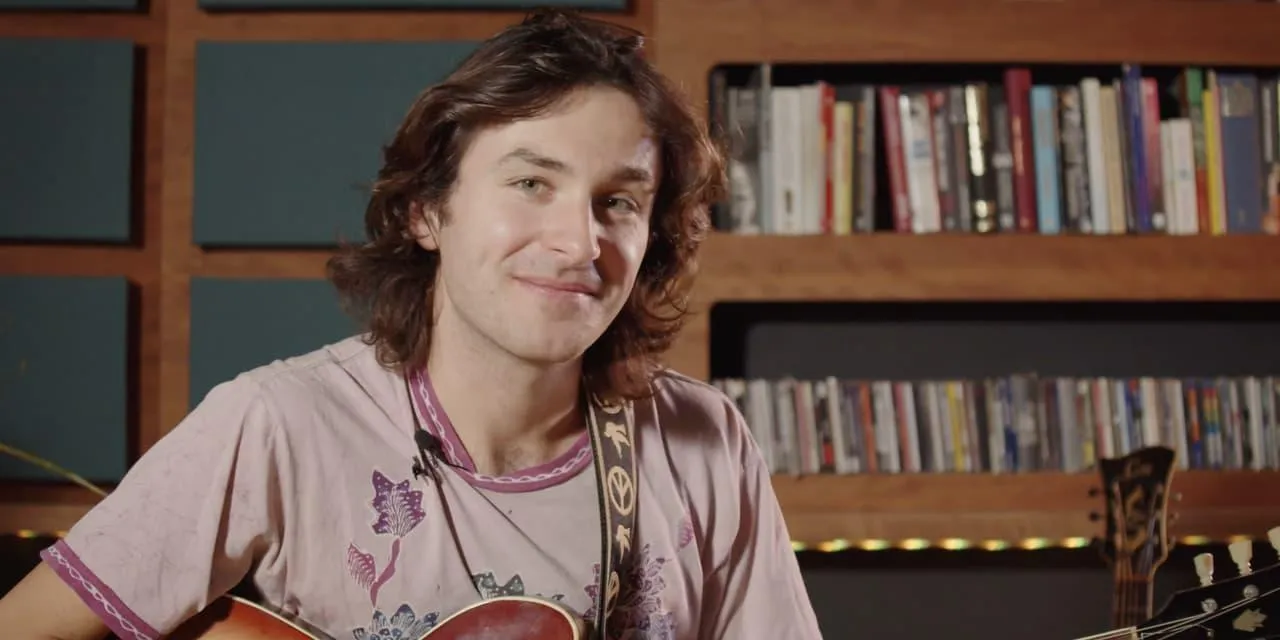
Le contenu du cours
28 leçons (2h 7min) · 1 gratuites
01. Pourquoi étudier Django Reinhardt ?
3:45
02. Accords et harmonie - Section A
11:06
03. Accords et harmonie - Section B
2:21
04. Techniques de main droite - Européenne vs Américaine
5:04
05. Comment créer le feel swing
1:51
06. Décryptage de la mélodie
9:10
07. Improviser - Arpèges et enclosures
Tu es ici10:40
08. Improvisation - La gamme bebop mineure harmonique
8:27
09. Improviser en solo - Utilisation des pentatoniques
9:45
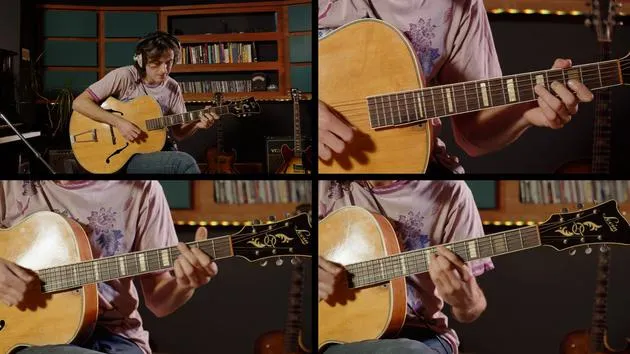
10. Clouds - Performance (écran partagé avec accompagnement)
3:48
11. Clouds - Interprétation
3:49
12. Clouds - Interprétation (version simplifiée)
2:40
01. Pourquoi étudier Joe Pass ?
2:23
02. Introduction au jeu en solo et à l'harmonie parallèle
4:00
03. Lignes diminuées et « tierces siciliennes »
5:19
04. Jouer en mesure avec des voicings pianistiques
5:22
05. Comment jouer la seconde moitié
5:06
06. Hybrid picking vs fingerstyle
5:57
07. November in Norway - Performance
2:29
08. November in Norway - Interprétation (simplifiée)
1:27
Transcription de la leçon
Improvising in the Style of Django Reinhardt
In this lesson, we're going to explore how to improvise in the style of Django Reinhardt over a chord sequence. Django was famous for a variety of techniques and melodic ideas that he employed throughout his career.
Key Techniques
1. Fast Vibrato
- Django was renowned for his very fast vibrato on the melody notes.
- For example, if he was playing an A on the 10th fret of the B string, he wouldn't just play it plainly.
- He might use this fast vibrato in the left hand, which can be heard throughout his recordings, particularly if you preface it with the F major scale.
Try This:
- Play the F major scale from octave A to A and hear how Django would finish it.
- This fast vibrato adds sustain to long notes, anchoring the sound in Django's style.
2. Arpeggiated Playing Style
- Django often played in a very arpeggiated style.
- For instance, over a D flat seventh or a D flat ninth, he would play beautiful arpeggios starting on the third.
Example:
- Articulate the 3, 5, 7, 9, and then descend using the 6th to the 5th. This works nicely over D flat 7 and can be mirrored on C7 to resolve nicely to F major.
3. Use of Chromaticism
- Another hallmark of Django's playing is light chromaticism between chord tones.
- To get from the third to the fifth of F major, Django might play it using the flat third (the bluesy A flat):
Sample Phrase:
- "F - A - A flat"
- This sound is bluesy and chromatic while still outlining an F major sound.
4. Enclosures of Chord Tones
- Django often used enclosures of chord tones.
- For example, surrounding the notes of the chord F, A, and C with additional melody notes.
Example Phrase:
- This can be very ergonomic on the guitar and allows for fluid phrasing. When played correctly, it easily flows off the fingers.
Applying Techniques to Chord Progressions
Example Chord Sequence:
- Start with D flat seventh.
- Transition to C7, then resolve to F major.
Minor Chord Sequences
Shifting to the relative minor, the chord sequence often moves to D minor, using 2, 5 transitions like E half diminished to A7, then resolving to D minor.
- Musicians like Django used alternating arpeggios between dominant and tonic chords, cycling between seventh and D minor for a cohesive sound.
Breakdown of the Technique:
- Start with an A7 flat ninth arpeggio (starting on A C sharp).
- Move to a D minor arpeggio (starting on F).
- Repeat with octaves, resolving to the D minor's third.
Chord Sequence:
This creates a wonderfully flowing sequence.
Playing Variations
- If you want to play slower, you can simply elongate the phrases.
- For a faster tempo, consider using triplets.
These techniques allow for a rich tapestry of sound, drawing on Django's influences while ensuring your improvisation retains that characteristic swing and flair.
Final Thought
Through these techniques, you can embody the spirit of Django Reinhardt and enrich your improvisational vocabulary. Happy playing!
28 leçons
2h 7m de leçons vidéo structurées
Fonctions vidéo avancées
Ralentissez, bouclez un passage, suivez la partition
Mobile, tablette et ordinateur
Pratiquez où vous voulez
Satisfaction garantie à 100 %
Garantie remboursement 30 jours
Rencontrez votre guru
Rencontrez votre guru
Rob Luft est un musicien primé originaire de Londres, largement décrit comme l'un des guitaristes de jazz contemporain jeunes les plus en vue et les plus talentueux du Royaume-Uni. Salué par The Times comme destiné 'à accomplir de grandes choses à l'avenir', Rob a remporté le Kenny Wheeler Jazz Prize 2016 en association avec Edition Records, et a obtenu le 2e prix au Montreux Jazz Guitar Competition 2016. Son premier album, 'Riser', est sorti en juillet 2017 et a été largement salué par la critique dans les médias jazz européens. John Fordham a écrit dans The Guardian qu'il s'agit d'un 'premier album très abouti, mais compte tenu des accomplissements de vieille âme de Luft depuis le début de son adolescence, on aurait dû s'y attendre'.
'Si jeune et si talentueux !' - Jamie Cullum, BBC Radio 2 (UK)
'...un talent extraordinaire !' - Julian Joseph, BBC Radio 3 (UK)
'La virtuosité des trois [guitaristes Al di Meola, John McLaughlin et Paco de Lucia] rappelle celle du Londonien de 23 ans Rob Luft, célébré comme un nouveau "Wunderkind"' - Spiegel Online (D)
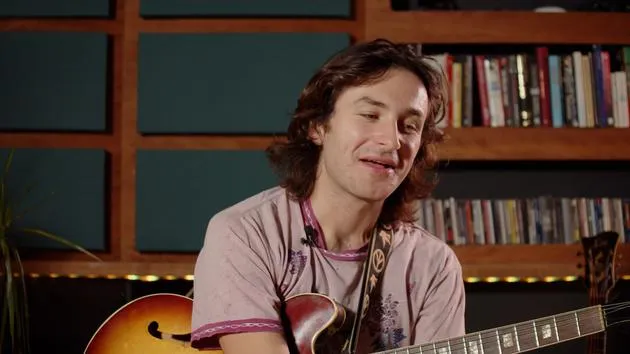
Dans Play Authentic Jazz Guitar, Rob dévoile le langage harmonique, le phrasé et les instincts d'improvisation qui se cachent derrière ce son de 'vieille âme', te montrant comment il pense réellement le manche afin que tu puisses commencer à trouver ta propre voix dans le jazz.







