



Le DJing en numérique : mon processus de l'analogique au numérique
Avec
DJ Deep Extrait du coursTrouve ton propre chemin dans la house et la techno avec DJ Deep21 leçons (1h 33min)Votre guruDJ Deep
Le contenu du cours
21 leçons (1h 33min) · 1 gratuites
01. Bienvenue dans le cours
1:31
02. S'inspirer de ses mentors
Leçon gratuite3:29
03. Les écoutes essentielles de New York, Chicago et Detroit
4:26
04. Sois curieux, comprends les styles et les machines
5:56
05. Trace ta propre voie, définis ton propre son
3:26
06. Ma carrière et comment j'ai trouvé mon style
5:59
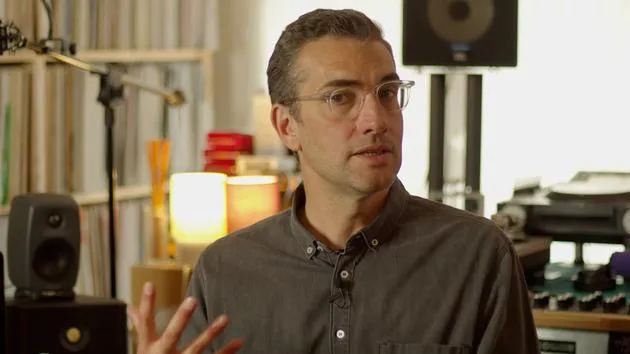
07. Ma définition d'un DJ
6:03
Transcription de la leçon
My Analog to Digital Process
So, let's talk about my analog to digital process.
Curiosity and Learning
As I tried to say before, I'm always very curious and trying to go deep into details and learn by myself. There is what everybody's telling you:
"This is the standard, you have to do it this way."
Most of the time, it is right. But you can also look at things from different angles.
Mentorship
My good friend, brother, and mentor, Kerry Chandler, is a great person to discuss technical things with. He has taught me a lot, and I'm always learning from him.
Exploring Limitations
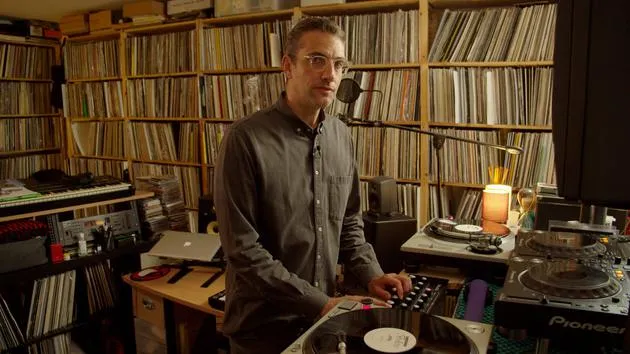
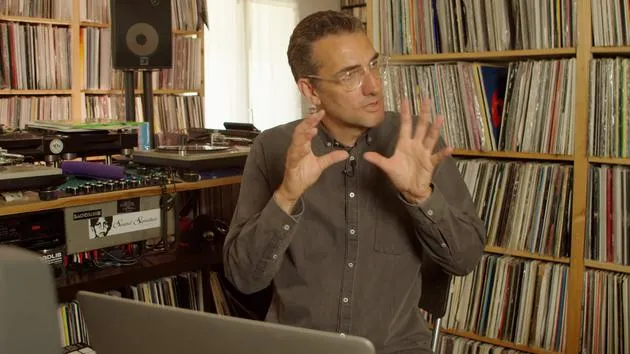
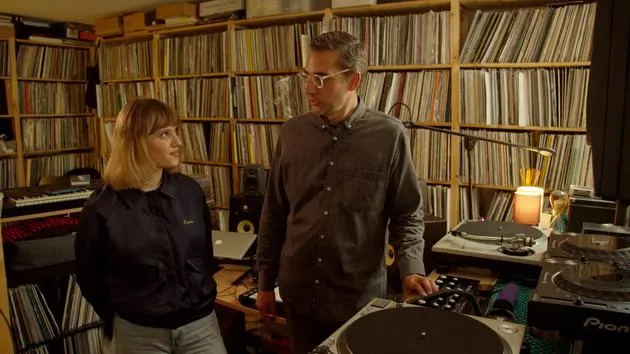
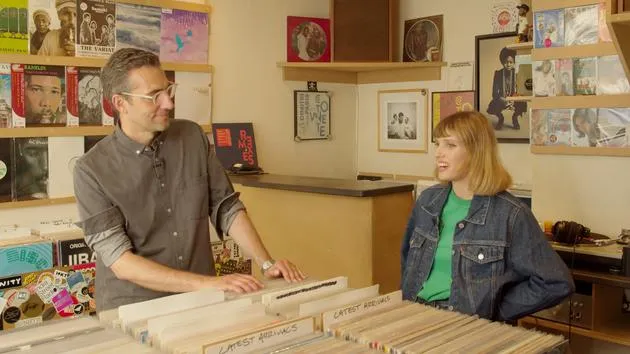
For instance, there are ways to work around the digital and analog limitations. There are ways to find your own path that corresponds to yourself. For me, I love vinyl. As you can see, I have a few records, and in today's world,
"It's not only easier, but you have to play digitally most of the time."
A lot of places, and sometimes clubs, don't have the proper vinyl equipment, or if they do, the system doesn't work perfectly with it anyway.
The Sonic Experience
My goal as a music lover is to give people the best sonic experience as I possibly can. From my end, I consider I deliver the source, and from that point, it goes to the system.
"Of course, I'm not running the system; I'm not the sound engineer."
I'm trying to give the sound engineer the best signal possible.
Bypass Converters
Learning again from my friend Kerry Chandler, I'm trying to bypass as much as I can converters and ADDA as much as possible.
Recording Process
So, what I do most of the time is:
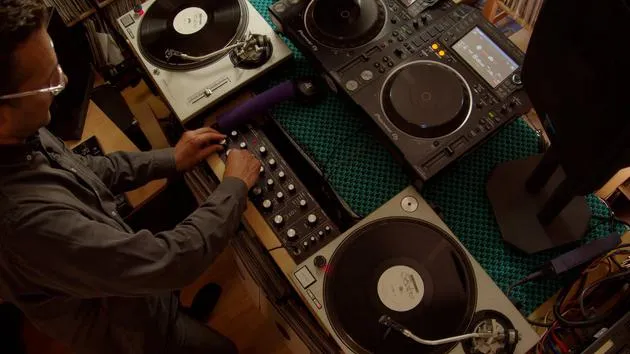
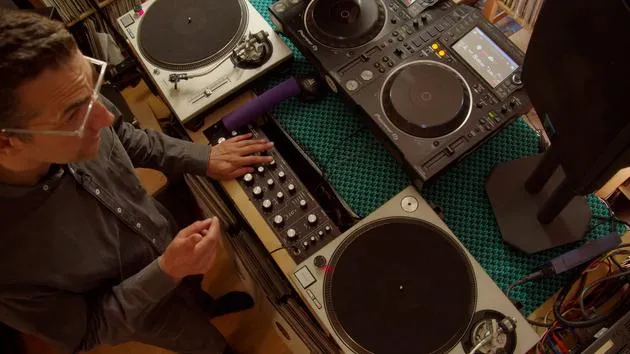
- Record my vinyl from this turntable using the different cartridges we mentioned before.
- Each cartridge has unique qualities depending on the music I'm ripping.
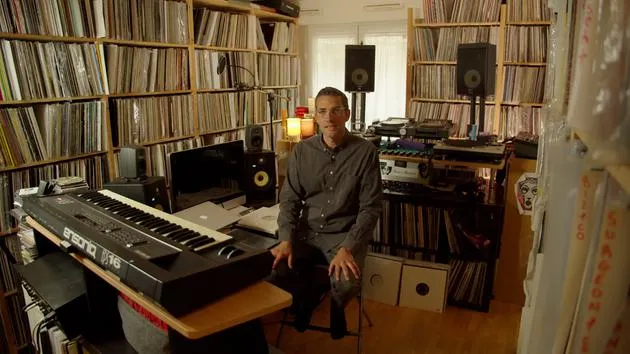
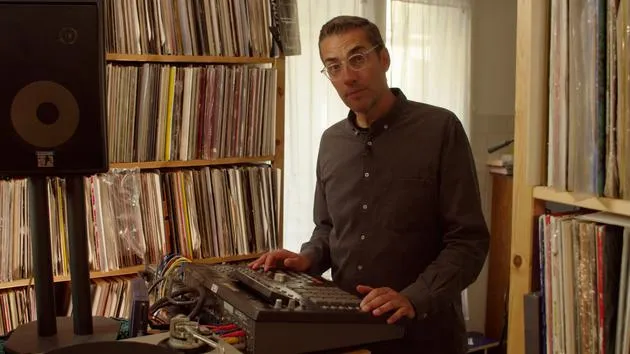
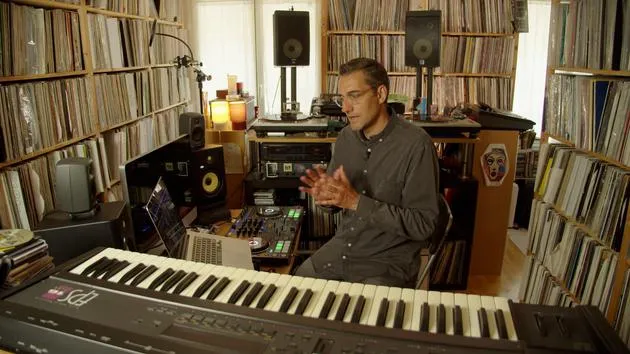
I'm going through my modified URI to my RME Fireface 800, which is also modified, and then to my music software.
Software Choices
I use:
- Sometimes Ableton Live
- Sometimes Logic Pro
- Occasionally Pro Tools
These options depend on the music I want to record. I use different software, cartridges, or combinations to the advantage of the music, ensuring I get the best result once the music is recorded.
Pioneer Record Box
I use Pioneer Record Box because I mainly perform in clubs with Pioneer CDDJs 2000 NX2.
- It's easier for me for various reasons because the screens correspond.
- It has the same logical approach.
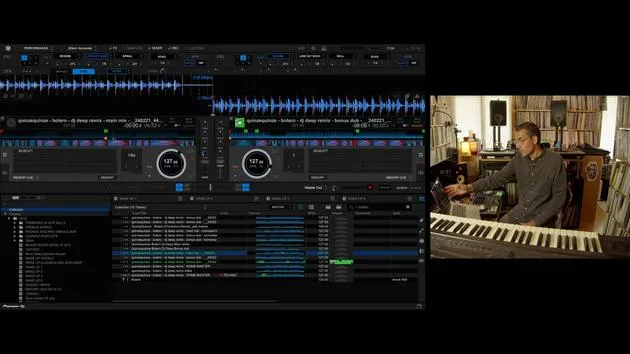
Additionally, I have a Pioneer controller called DDJ-RX, which serves as a remote control. I don't really play music with this device; instead, I use it to put markers on my screen for my tracks.
Visual Markers
I know where the breaks are, whether there is a hi-hat, mute, or anything.
"This allows me to have a visual aspect of what I get on a vinyl."
Now, I can see it on my screen or on my CDJ screen using those markers.
Demonstration of Marking
In a second, I'll show you very quickly what I mean.
If I do this, I go back to the beginning of the track. Here is my track.
- Let's say I want to mark the kick in the track.
- I'll move to where the kick comes in, which is here.
- I just put a marker.
You see, the C marker indicates that the kick comes in.
Combining Analog and Digital
Basically, I'm using these tools to my advantage. I'm playing analog with a digital device and trying to take advantage of all technologies combined.
I love the sound I'm getting because:
- I ripped it myself.
- I took care of it myself.
- I know how it sounds, and I see how it sounds.
Digitally, I can mark it and make it look as comfortable as possible for myself, just as if I was playing vinyls.
So, yeah, those are a few examples of what I do to my files, how I record them, and how I mark them in order to DJ with them.
21 leçons
1h 33m de leçons vidéo structurées
Fonctions vidéo avancées
Ralentissez, bouclez un passage, suivez la partition
Mobile, tablette et ordinateur
Pratiquez où vous voulez
Satisfaction garantie à 100 %
Garantie remboursement 30 jours
Rencontrez votre guru
Rencontrez votre guru
DJ Deep est un producteur et DJ français de house et de techno, et l'homme derrière le label Deeply Rooted (autrefois Deeply Rooted House). En plus de 20 ans, il a été l'un des grands curateurs de la musique de danse, et cette oreille pour ce qui fait qu'un disque fonctionne vraiment est précisément ce qui fait de lui un guide dont il vaut la peine d'apprendre.
'Je vois mon métier comme celui d'un grand filtre', dit-il, minimisant plutôt le rôle que ce Français a joué dans le développement de la musique house. 'En junkie du vinyle, je suis dans les disquaires à chasser les pépites presque chaque jour. Partager ce que je considère comme les plus grands disques du moment ou les classiques personnels les plus intemporels est quelque chose qui m'a motivé au fil des ans.'
Cyril Etienne a émergé de la scène parisienne pour marquer véritablement la scène mondiale. Il a débuté en jouant pour Laurent Garnier lors de soirées telles qu'Oz et Zoo au club Palace, puis est devenu un habitué du Rex Club et a affirmé son goût singulier avec ses émissions 'A Deep Groove' sur la radio pirate Radio FG puis sur Radio Nova. Il est rapidement passé à jouer dans le monde entier, emportant toujours avec lui un sens de l'histoire nourri par son amour de Chicago, New York et Detroit. Brouillant les frontières entre house et techno, il relie aussi les points entre morceaux classiques et contemporains avec son propre sens du récit — non seulement comme DJ et producteur, mais aussi comme patron de label et curateur de soirées.
Depuis 2003, il dirige son propre label tourné vers l'avenir, Deeply Rooted, synonyme d'une house et d'une techno raffinées et fidèles à leurs racines, signées par des artistes nouveaux et confirmés comme Kerri Chandler, Ben Klock, Francois X, Ben Sims et Roman Poncet, ainsi que la star française montante et habituée de Concrete Paris Marina Trench. Sa propre série Raw Cuts fait le pont entre l'émotion sincère de la house et l'impact direct de la techno. Au-delà de son propre label, il a publié sur Rekids, Kaoz Theory et Tresor, et comme remixeur a retravaillé des artistes tels que Carl Craig, St Germain, DJ Honesty, Scan 7, Borderland (Juan Atkins) et Point G, apportant toujours ses atmosphères singulièrement chaleureuses à tout ce qu'il produit.
Il fait aussi de la musique sous divers autres alias : Rebeval, avec un matériel au son plus brut sur L.I.E.S. ; Sergie Rezza, un projet collaboratif et label du même nom aux côtés de Roman Poncet qui explore une house et une techno plus expérimentales, teintées d'ambient, en format EP comme LP ; Fang, pour une house contemporaine ; et Adventice, pour une techno percutante aux racines classiques, avec des sorties sur Tresor et des concerts dans des lieux comme Berlin Atonal.
Sa facette plus éclectique ressort dans ses émissions de radio Open Library sur Worldwide FM — des fenêtres de deux heures de jazz, soul, dub, funk et ambient qui composent des bandes-son très spéciales et immersives. Quoi qu'il joue ou produise, DJ Deep a toujours quelque chose qui vaut la peine d'être écouté. Dans Find Your Own Path in House & Techno, il partage comment il sélectionne, agence et façonne les morceaux afin que, au lieu de courir après les tendances, tu puisses bâtir un son et un goût qui soient indéniablement les tiens.







