



Questions-réponses avec Elisa, DJ en herbe

Avec
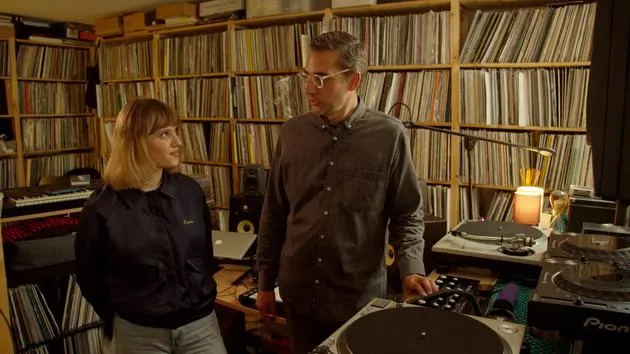
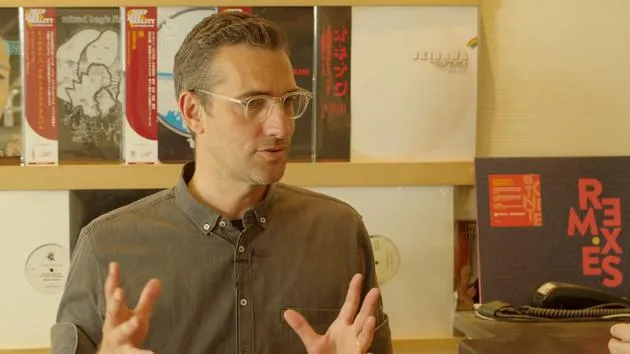
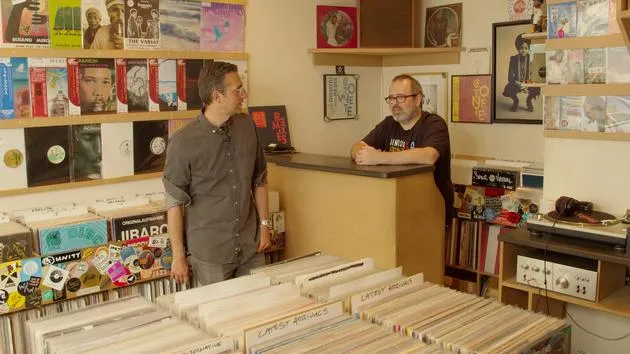
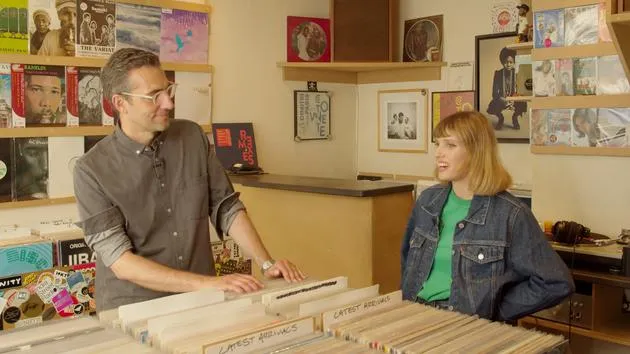
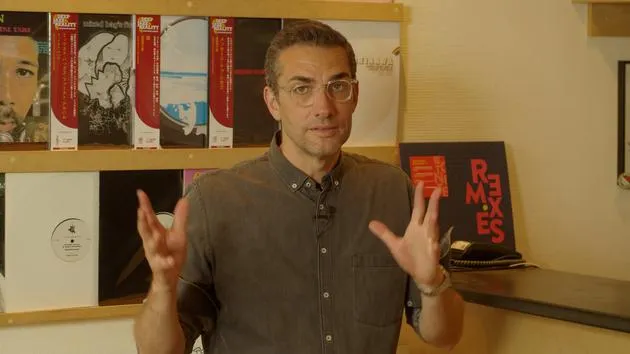
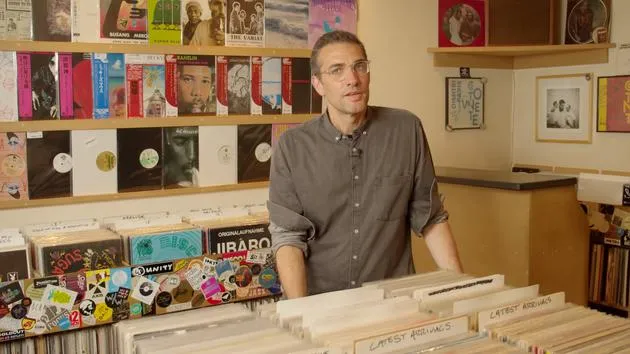
DJ DeepDJ Deep répond aux questions d'Elisa, DJ en herbe, de sa façon d'aborder un set en club à son choix de cellules pour ses platines.
 Extrait du coursTrouve ton propre chemin dans la house et la techno avec DJ Deep21 leçons (1h 33min)Votre guruDJ Deep
Le contenu du cours
21 leçons (1h 33min) · 1 gratuites
01. Bienvenue dans le cours
1:31
02. S'inspirer de ses mentors
Leçon gratuite3:29
03. Les écoutes essentielles de New York, Chicago et Detroit
4:26
04. Sois curieux, comprends les styles et les machines
5:56
05. Trace ta propre voie, définis ton propre son
3:26
06. Ma carrière et comment j'ai trouvé mon style
5:59
07. Ma définition d'un DJ
6:03
01. Questions-réponses avec Elisa, DJ en herbe
Tu es ici10:19
Transcription de la leçon
Music Lesson: DJ Techniques and Insights
Introduction
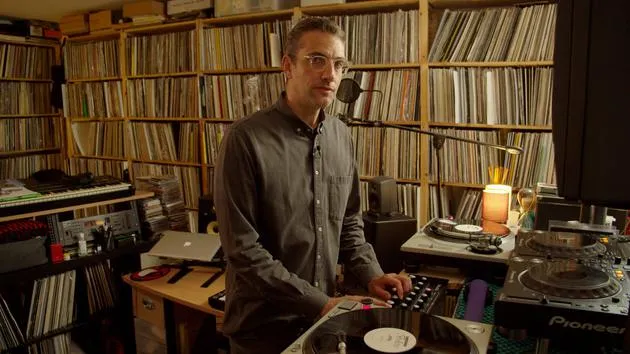
I'm now joined by Elisa, who's a young aspiring DJ. I think you have a few questions about equipment and music in general, and I would love to discuss it with you.
Elisa: Yes, I'm really happy to be with you and learn about your experience as a DJ.
Preparing for a Set
Elisa: My first question is maybe a little bit basic, but how do you approach a set in a club?
You know what, I have a few ways of approaching a set in a club. If it's a club I've never been to, I'm trying to find some information about it:
- I might call friends who have played there and ask them:
- How was the vibe?
- What is their favorite style?
- How did you feel it?
- How was the sound system?
- What equipment do they have?
Just basic inquiries to learn more.
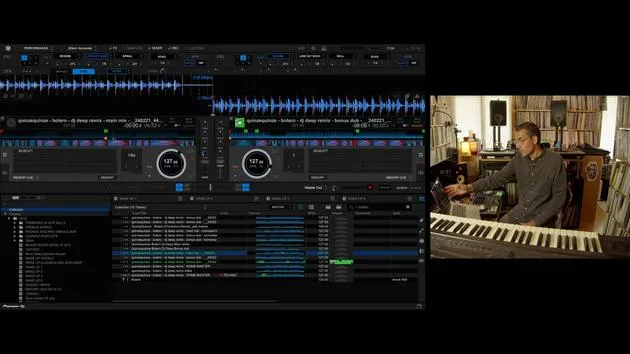
On a musical level, I would prepare playlists. As I mentioned before, I transfer my vinyls to digital, creating playlists to align with the club's vibe:
- Example: If it's a place known for house and techno, I would create:
- One house playlist
- One techno playlist
Every time I play somewhere, I make a specific playlist for that location. Of course, I have many backup playlists stored on my hard drive.
Every gig I approach, I now envision as if I'm bringing a record case with me. I think, "Let's bring 100 house records and 100 techno records." I approach it as I would have with a real record box.
Managing Equipment
Elisa: I have a bit of difficulty managing cartridges.
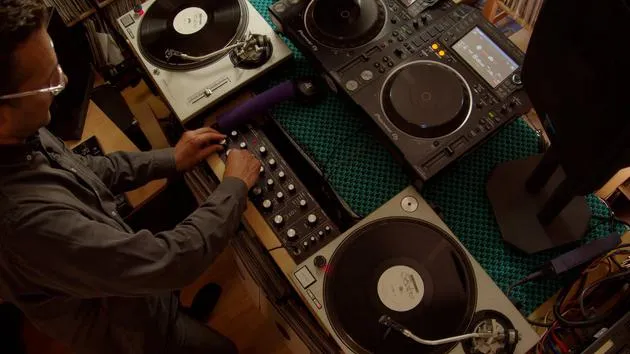
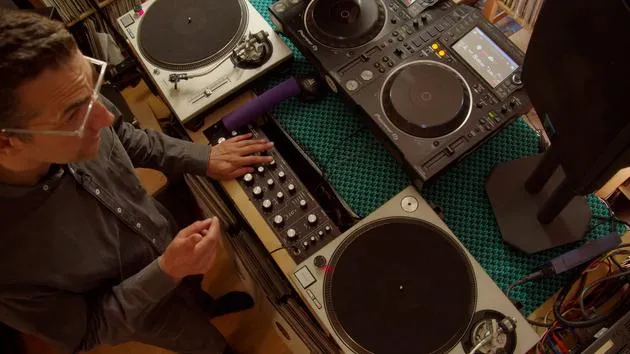
DJ: Yes, I know it's a big topic, the differences between cartridge brands can be complicated. It took me a long time to choose. I was a big fan of the Shure M447, which got discontinued, unfortunately. However, there are some nice alternatives, such as:
- Ortofon (I mentioned this before)
- Some Japanese brands are redoing the Shure models
Cartridges are very important because they are the source of your music. They are the first thing that your record touches before the mixer, the amplifier, and the sound system.
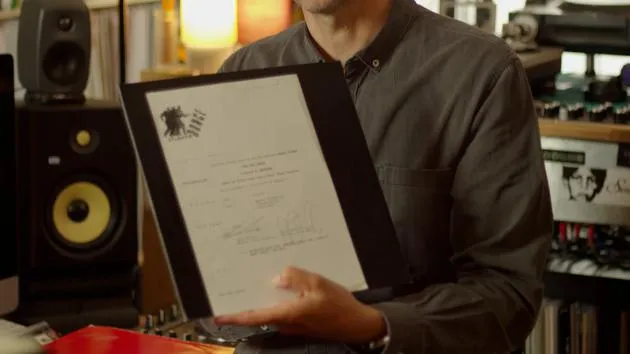
Let me show you a few cartridges, such as the Grado cartridges Kerry Chandler gave me as a present in Paris. They're really nice, especially for jazz, as they have a very nice high end.
Each cartridge has its own character, and I recommend finding one equivalent to the Shure M447, like the Ortofon I mentioned.
Sometimes stores let you test cartridges. Follow your ears, bring a record you love, try it out on the system, and see which one feels right for you.
Preparing vs. Improvising
Elisa: How do you think? Should I prepare my set beforehand, or can I improvise?
You know what? I'm very tempted to say both!
- Key Point: Always read the crowd.
- In the past, I made mistakes by wanting to replicate a set I heard from Frankie Feliciano. I would prepare my records and mixes meticulously, and sometimes it wouldn't translate well in front of people.
You have to be connected with the audience.
Preparing for a set helps. For instance, consider:
- This record works with that one.
- Plan your deep intro, harder moments, softer moments, and key songs.
So, it's beneficial to prepare a few blocks of music so that if you sense a change in the crowd's energy, you can easily adapt.
Finding Your Style
Elisa: Sometimes I feel a little lost about my style. I love house music, but I want to play techno. Can I play both at a party?
You know what? I get lost sometimes too. Like you, I enjoy different styles and collect so much music, wanting to play it all. However, not every crowd is open-minded enough to go left and right and up and down.
It's essential to prepare and organize, think of it as a safety net. Once you have that in place, you can let go and have fun during the party.
For example, you might want to try a new song that you're unsure about. If it doesn't work, you can pivot back to something familiar.
From many DJs I admire, I've learned that sometimes they play tracks I didn't like initially. Still, their reasoning often makes sense after some context, showing that music is a journey of feelings and vibes.
Understanding Different Tracks
Elisa: So, tell me more about learning to like tracks you may not enjoy.
You're right; it sounds a bit extreme. But sometimes, I've heard tracks I didn't feel initially, but once I heard them in a different context, I began to appreciate them.
I view DJing as guiding people through a musical journey, through mountains and valleys. For an audience to relish the peaks, you need to navigate them through lower moments too.
This is part of respecting art, as we all play other people's music. It's a significant part of the culture.
Final Advice for Young DJs
Elisa: What advice do you have for young DJs like me?
DJ: That's tough. I think the most crucial thing is to play what you love. Of course, you're playing for people, so it's not just about what you want to hear. Tune into the vibe and feel what resonates with the audience.
However, never compromise by playing something you don't like. Throughout my career, I always believed there's at least one track in my collection that the crowd will enjoy.
It's a dialogue between you and the audience.
To quote my brother and mentor, Kerry Chandler: "A good night is 50% the people, 50% you."
You could be the best DJ, but if the crowd isn't grooving or if you're not fully understanding their vibe, it simply won't work.
Thank you very much!
Elisa: Thank you! Thank you!
21 leçons
1h 33m de leçons vidéo structurées
Fonctions vidéo avancées
Ralentissez, bouclez un passage, suivez la partition
Mobile, tablette et ordinateur
Pratiquez où vous voulez
Satisfaction garantie à 100 %
Garantie remboursement 30 jours
Rencontrez votre guru
Rencontrez votre guru
DJ Deep est un producteur et DJ français de house et de techno, et l'homme derrière le label Deeply Rooted (autrefois Deeply Rooted House). En plus de 20 ans, il a été l'un des grands curateurs de la musique de danse, et cette oreille pour ce qui fait qu'un disque fonctionne vraiment est précisément ce qui fait de lui un guide dont il vaut la peine d'apprendre.
'Je vois mon métier comme celui d'un grand filtre', dit-il, minimisant plutôt le rôle que ce Français a joué dans le développement de la musique house. 'En junkie du vinyle, je suis dans les disquaires à chasser les pépites presque chaque jour. Partager ce que je considère comme les plus grands disques du moment ou les classiques personnels les plus intemporels est quelque chose qui m'a motivé au fil des ans.'
Cyril Etienne a émergé de la scène parisienne pour marquer véritablement la scène mondiale. Il a débuté en jouant pour Laurent Garnier lors de soirées telles qu'Oz et Zoo au club Palace, puis est devenu un habitué du Rex Club et a affirmé son goût singulier avec ses émissions 'A Deep Groove' sur la radio pirate Radio FG puis sur Radio Nova. Il est rapidement passé à jouer dans le monde entier, emportant toujours avec lui un sens de l'histoire nourri par son amour de Chicago, New York et Detroit. Brouillant les frontières entre house et techno, il relie aussi les points entre morceaux classiques et contemporains avec son propre sens du récit — non seulement comme DJ et producteur, mais aussi comme patron de label et curateur de soirées.
Depuis 2003, il dirige son propre label tourné vers l'avenir, Deeply Rooted, synonyme d'une house et d'une techno raffinées et fidèles à leurs racines, signées par des artistes nouveaux et confirmés comme Kerri Chandler, Ben Klock, Francois X, Ben Sims et Roman Poncet, ainsi que la star française montante et habituée de Concrete Paris Marina Trench. Sa propre série Raw Cuts fait le pont entre l'émotion sincère de la house et l'impact direct de la techno. Au-delà de son propre label, il a publié sur Rekids, Kaoz Theory et Tresor, et comme remixeur a retravaillé des artistes tels que Carl Craig, St Germain, DJ Honesty, Scan 7, Borderland (Juan Atkins) et Point G, apportant toujours ses atmosphères singulièrement chaleureuses à tout ce qu'il produit.
Il fait aussi de la musique sous divers autres alias : Rebeval, avec un matériel au son plus brut sur L.I.E.S. ; Sergie Rezza, un projet collaboratif et label du même nom aux côtés de Roman Poncet qui explore une house et une techno plus expérimentales, teintées d'ambient, en format EP comme LP ; Fang, pour une house contemporaine ; et Adventice, pour une techno percutante aux racines classiques, avec des sorties sur Tresor et des concerts dans des lieux comme Berlin Atonal.
Sa facette plus éclectique ressort dans ses émissions de radio Open Library sur Worldwide FM — des fenêtres de deux heures de jazz, soul, dub, funk et ambient qui composent des bandes-son très spéciales et immersives. Quoi qu'il joue ou produise, DJ Deep a toujours quelque chose qui vaut la peine d'être écouté. Dans Find Your Own Path in House & Techno, il partage comment il sélectionne, agence et façonne les morceaux afin que, au lieu de courir après les tendances, tu puisses bâtir un son et un goût qui soient indéniablement les tiens.







