



Le Modulator
Avec
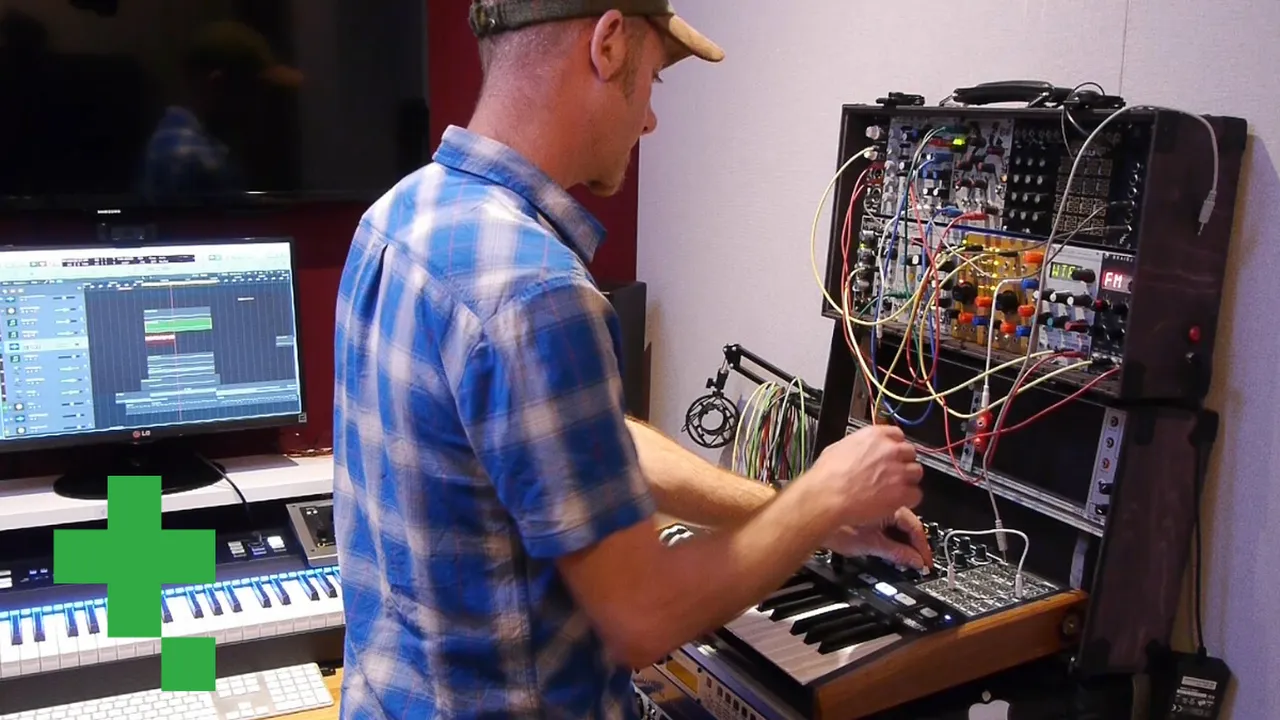
Dov WatermanDov Waterman présente l'effet MIDI Modulator de Logic, en l'utilisant avec le synthé ES2 pour moduler des paramètres à l'intérieur d'un autre instrument virtuel.
Le contenu du cours
14 leçons (0h 53min) · 1 gratuites
Transcription de la leçon
Understanding the Modulator MIDI Effect
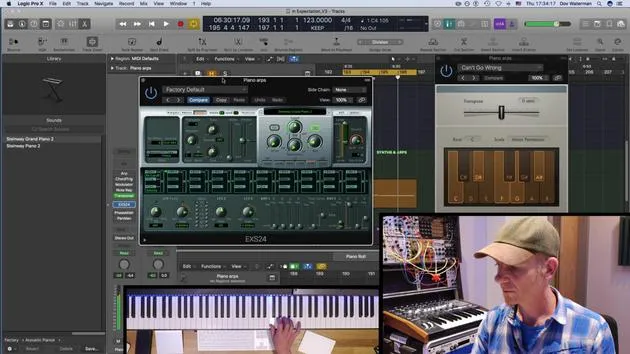
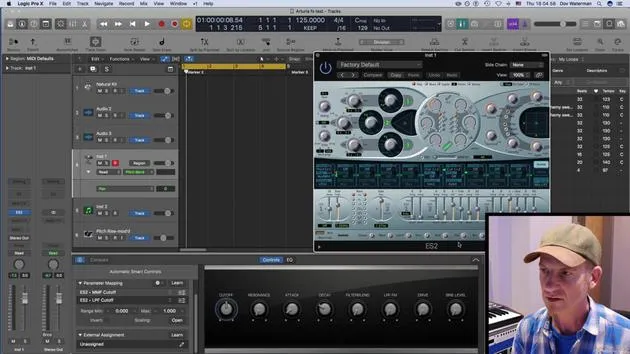
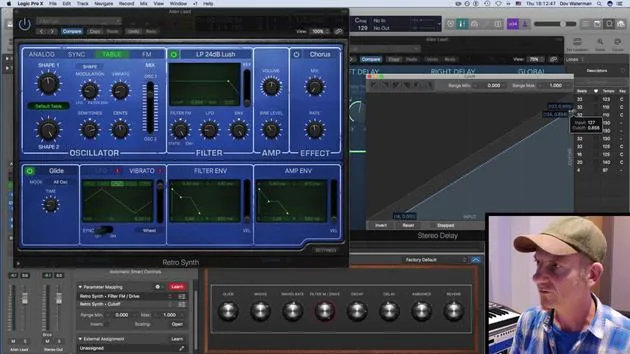
The modulator is a very cool little MIDI effect! In this lesson, I'm going to pull up a synthy sound by using the ES2, and we'll explore how to use the modulator effectively.
Modulation Basics
Basically, you can modulate any parameter within any other virtual instrument. Let's dive into what modulation means:
- Definition: Modulation involves using one parameter, such as an LFO or an envelope, to modulate another parameter.
- For example, as discussed in the Alchemy lesson, you can use this MIDI effect for modulation.
Getting Started
-
Activate the Modulator: When I turn this on, it is actually modulating something already. (I don't quite know what it is yet.)
-
Identify Modulation:
- Oh, it's modulating the modulation wheel!
- When I turn this down a second, you can see over here that this little thing is me moving the mod wheel, yep, that's the mod wheel.
-
Output Signal: The mod wheel can automatically be moved by this output level displayed.
Practical Application in ES2
In the ES2:
- The modulation wheel of my keyboard affects the pitch. Let's demonstrate pitch modulation:
- If I turn this up a little, it will have a substantial effect.
Filter Cutoff
- Want to modulate the filter cutoff? Here's how:
- Go to the modulation section.
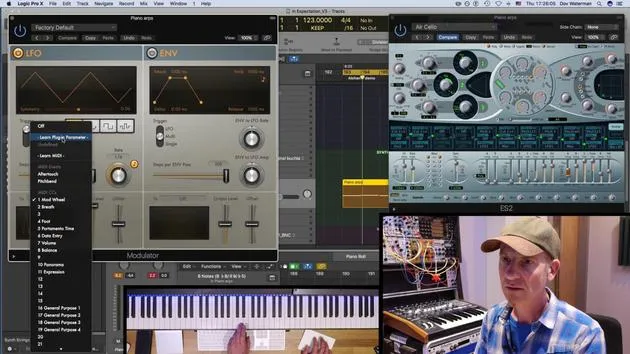
- Click on "Learn MIDI" (sorry, "Learn Plugin Parameter").
- Touch the parameter in the plugin that I want to modulate.
Now, when I press a key, it's moving, hey ho!
LFO Settings
In this section, you can adjust the settings for the LFO:
- Change the rate of the LFO.
- Choose between synced or not synced.
- Select various different LFO waveforms.
Multiple LFOs
You can set up as many of these as you like. However, keep in mind:
- Unfortunately, within each MIDI effect, there is only one LFO modulation routing available.
Adding More Modulators
If you want to modulate additional parameters within the same channel strip:
- You'll need to open another modulator.
- To do this, go to the modulation section and select another parameter.
Example: Distortion
Let's modulate something that will drastically affect the sound, distortion:
- Click "Learn Parameter".
- Press the distortion knob.
Now it's changing the effects of distortion gain.
Modular Synthesis Concept
Much like a modular synth, you can route your LFOs to various parameters of an instrument within the channel strip that it's affecting.
Envelope Modulation
The envelope works in a similar way:
- Use it to send a routing to another parameter.
- Click "Learn Plugin Parameter" again.
- Let's see how it affects my filter.
Final Thoughts
- The output might be a bit difficult to hear at times, but you can adjust it for clarity!
- This is an example of an envelope affecting the ES2.
- Remember, the idea here is to create something unique, not just pulling up an effect or preset within an effect, but truly delving into the tools at your disposal to create unique sounds.
14 leçons
0h 53m de leçons vidéo structurées
Fonctions vidéo avancées
Ralentissez, bouclez un passage, suivez la partition
Mobile, tablette et ordinateur
Pratiquez où vous voulez
Satisfaction garantie à 100 %
Garantie remboursement 30 jours
Rencontrez votre guru
Rencontrez votre guru
Dov Waterman est compositeur, pianiste et producteur. Il a écrit et conçu le son de films tels que After Earth, Terminator Genisys, Transformers: The Last Knight et The Snowman, et travaille comme monteur audio de bibliothèques de samples et sound designer avec des sociétés comme Native Instruments et SonoKinetic.
Sa série Composition in Logic parcourt la construction d'un morceau de bout en bout dans Logic Pro — des templates et du workflow jusqu'à la synthèse et la programmation de beats, les effets MIDI, le montage et le mix final — pour les producteurs qui veulent transformer leurs idées en disques aboutis.







