



Más ideas para la mano derecha
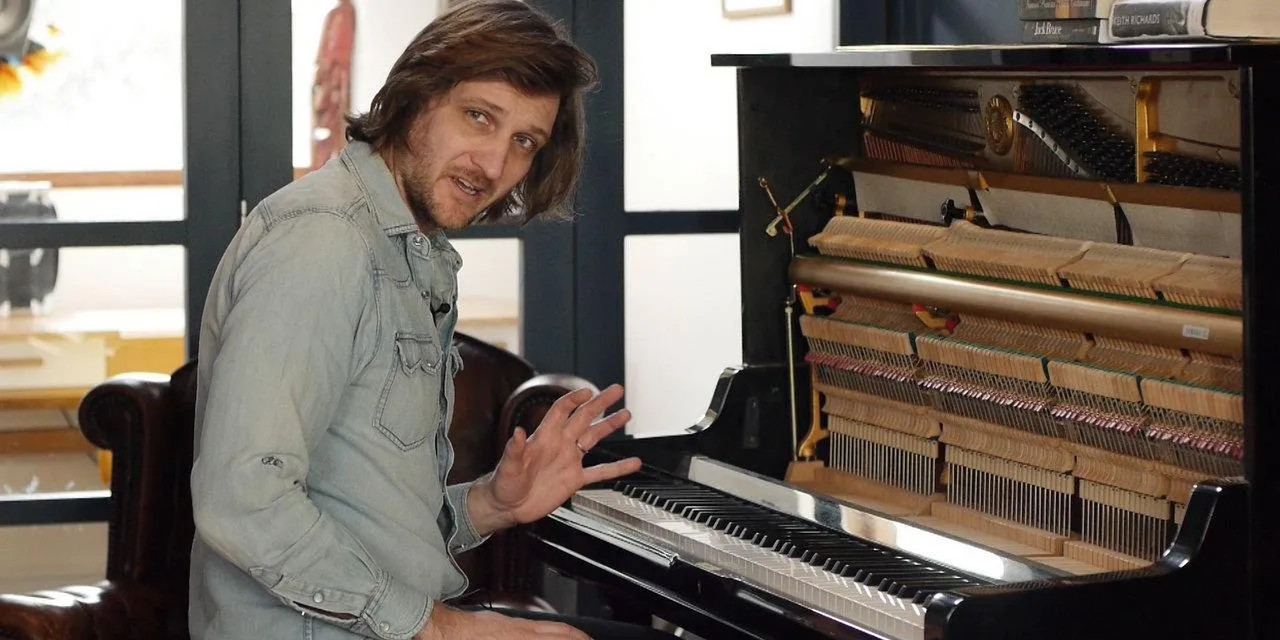
Paddy Milner comparte algunos riffs más para la mano derecha en tu slow blues, incluyendo un rundown que se mueve por terceras y el toque de muñeca suelta que los hace cantar.
Qué incluye el curso
14 lecciones (1h 47m) · 1 gratis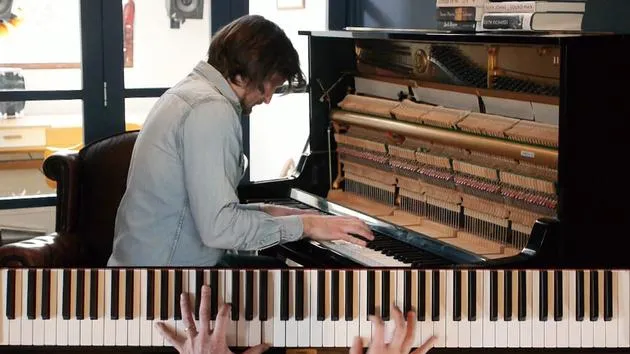
01. Demostración: toquemos un slow blues
Lección gratis4:30
02. Ideas para la mano izquierda
11:26
03. Ideas para la introducción
9:40
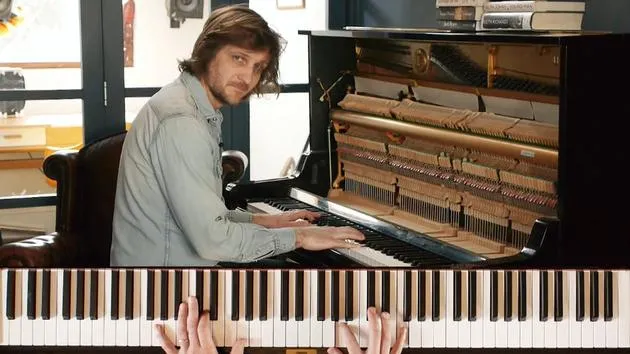
04. Ideas usando sextas
9:34
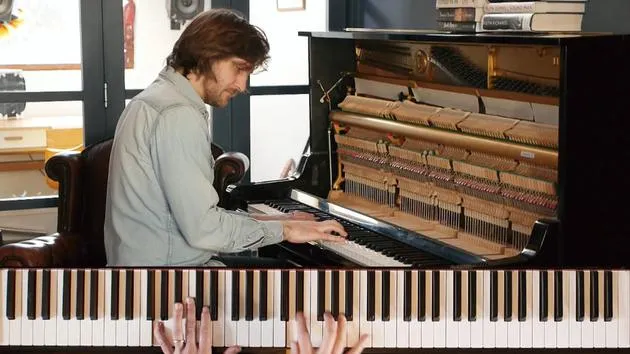
05. Riff estilo Memphis Slim
3:28
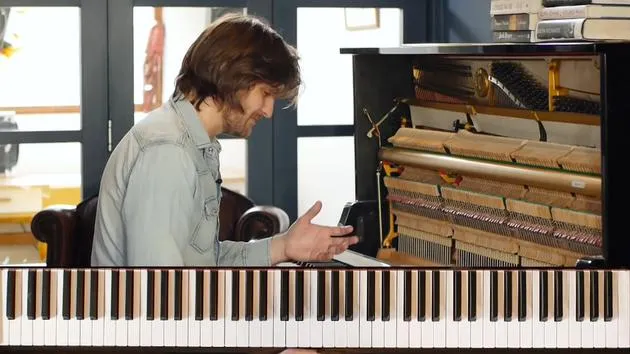
06. Acordes disminuidos
7:11
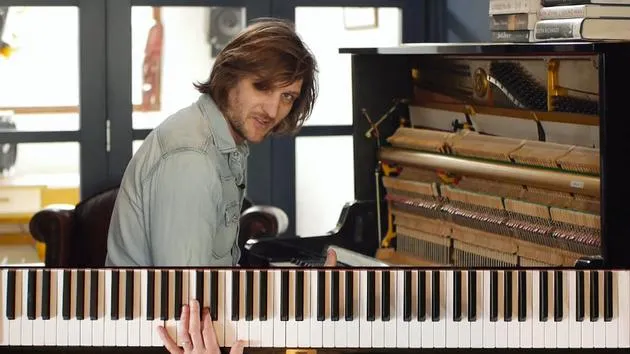
07. Notas y frases repetidas
8:34
08. Turnarounds
9:55
09. Ideas para una sección de breakdown
11:10
10. Mano izquierda al estilo de James Booker
6:58
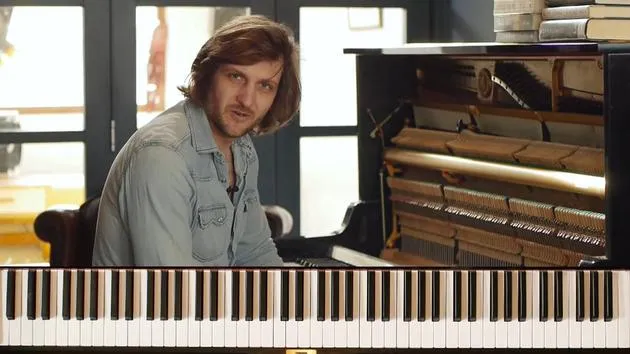
11. Más ideas para la mano derecha
Estás aquí8:08
12. Trémolos
6:03
13. Ideas para finales
9:29
14. Slow Burn - El reto del blues lento
1:41
Transcripción de la lección
Music Lesson: Exploring Riffs and Techniques
Introduction
Three, four. Right, cool. So let's just look at a couple of little things I did there. You'll have noticed the big rundown, which is, technically, pretty straightforward, just moving down in thirds from that D to the F.
Effectiveness of Techniques
But, you know, it's a really effective thing to do. It's something that's obviously much easier to do in the key of G because we're on all the white notes. I did have a little look at this in the course, particularly on playing on a shuffle.
Doing it in other keys would be much trickier, as you've got all the black notes to negotiate on the way down. So that kind of thing again, you know, loose wrist. It's that kind of action rather than your whole hand or whole arm going tight.
Playing Style
Saying that, it's all still got to be loose. Generally, when you're playing, you don't want to be taut or tight anywhere.
- Tip: See how fast you can come down those notes.
- You could do it in six-four, which is a lot more difficult, but with practice, you'll be able to get it.
Obviously, I've fluffed a few notes there. Used effectively, you could incorporate that sort of leading into the chord four.
Incorporating Riffs
So, you know, you could use it elsewhere as well, maybe even throw it in the 5.
- 1, 2, 3.
- There, I've just put it in the context of the ending.
Remember that on that kind of riff, other things I was doing were very useful. You know, Johnny Johnson uses that kind of idea a lot. So again, you can go very, very quickly over those notes or take your time.
Hand Position and Harmony Changes
All that kind of hand position stuff is very useful. It fits under the fingers, allowing you to rock between the notes and change the harmony. Maybe when you go up to the four chord from the B flat instead of the bottom B, it's an idea you can use often.
Experimenting with Techniques
- Why not use repeated notes just like that?
- Again, it all falls under that hand position.
I think it sounds great on the four chord, you know, that kind of thing.
Stylistic Practice
Why not practice that in different keys? It starts getting a little tricky as you move away from that kind of key area you're in.
There you go again, just sort of playing now and seeing where I'm going, that's a very stylistic thing to do.
Conclusion
As you notice in all the stuff we're looking at, a lot of the material is based on very similar ideas, primarily blues scale-based. It's really important to know the style and understand how piano players have used it over the years.
Just sort of going up and down the blues scale doesn't sound very authentic. You might find that more in a jazz context rather than in proper authentic blues piano.
So yeah, there are a few more ideas for riffs. Take them away and experiment with them. I think we've got a few more things to look at before this course is done, so let's move on to the next thing!
14 lecciones
1h 47m de lecciones en vídeo estructuradas
Funciones de vídeo avanzadas
Ralentiza, repite un pasaje, sigue la partitura
Móvil, tablet y ordenador
Practica donde quieras
Garantía de satisfacción 100%
30 días de garantía de devolución
Conoce a tu gurú
Conoce a tu gurú
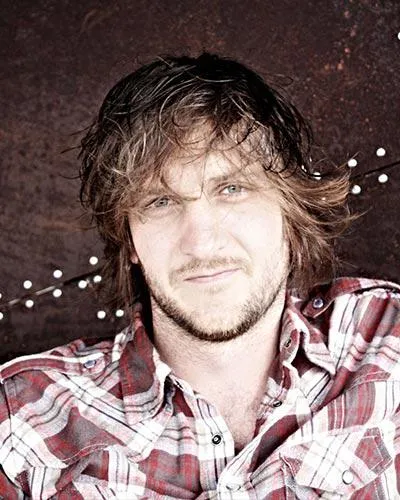
Paddy Milner está reconocido como uno de los mejores pianistas de blues del mundo: actualmente es el teclista de confianza de Sir Tom Jones, tras varios años con el gran y ya desaparecido Jack Bruce, pero también es un magnífico compositor original y un cantante con personalidad propia. ¡Basta con leer los elogios de figuras como Dave Brubeck que aparecen más abajo! Su forma de tocar apareció en la banda sonora de la exitosa película de 2019 'Rocketman'.
Ha ganado dos veces el premio al Mejor teclista en los British Blues Awards, y mantiene una residencia de larga trayectoria como miembro fundador de la Ronnie Scott's Blues Explosion en el mundialmente famoso club Ronnie Scott's.
Su grupo actual LONDONOLA toca música británica de cosecha propia con una buena dosis de espíritu de Nueva Orleans, y su grupo colaborativo JAWBONE va de fuerza en fuerza tras la publicación de su álbum de debut homónimo.
- "Me encanta... hay un tipo que sabe tocar de verdad el piano" - Dave Brubeck
- "Lo recomiendo encarecidamente. ¡De algún modo las cosas empiezan a sentirse mucho mejor!" - Jack Bruce
- "El mejor pianista de blues de Europa..." - Blues Access, EE. UU.
- "Impresionante y original" - The Times
- "Deslumbrante" - The Independent
A lo largo de sus cursos, Paddy desglosa el auténtico shuffle de blues, el slow blues, el boogie-woogie, el rock 'n' roll y el piano de Nueva Orleans -incluidas tres canciones clásicas de boogie-woogie- para que aprendas estos estilos de uno de los mejores del oficio.







