



Ideas para la introducción
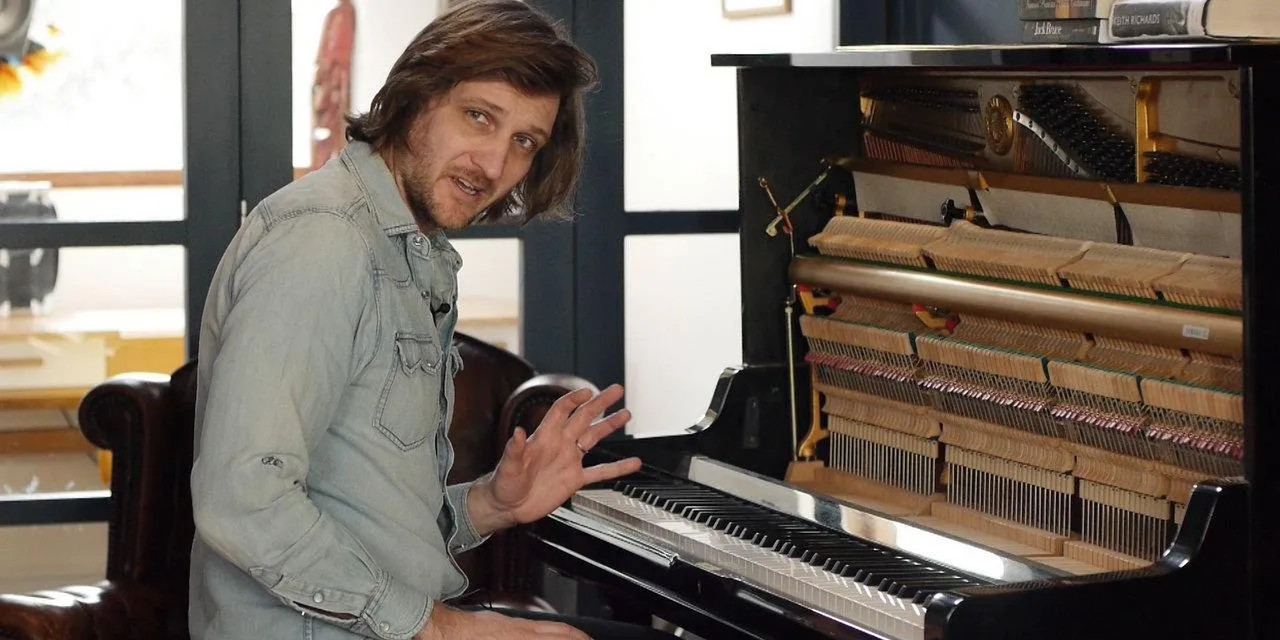
Paddy Milner comparte varias ideas para empezar un slow blues al piano, construidas en torno al turnaround I–IV–V que oirías en los últimos compases de un blues de 12 compases.
Qué incluye el curso
14 lecciones (1h 47m) · 1 gratis
01. Demostración: toquemos un slow blues
Lección gratis4:30
02. Ideas para la mano izquierda
11:26
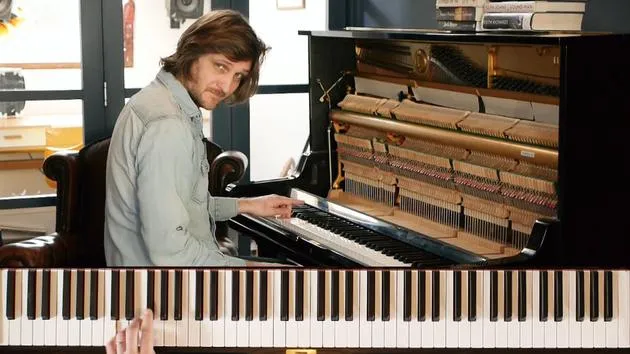
03. Ideas para la introducción
Estás aquí9:40
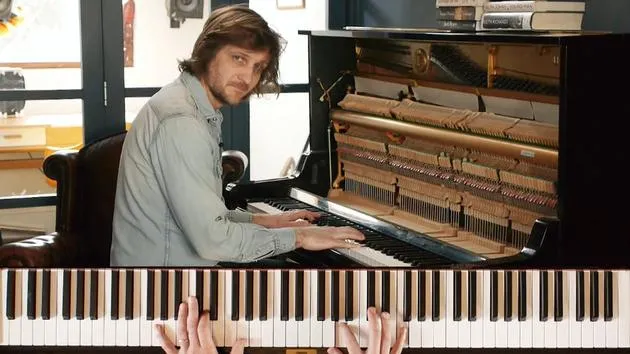
04. Ideas usando sextas
9:34
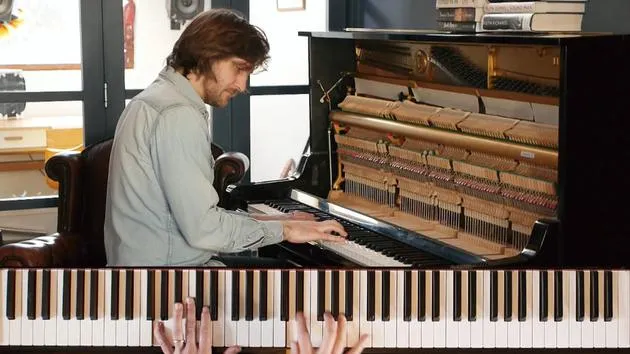
05. Riff estilo Memphis Slim
3:28
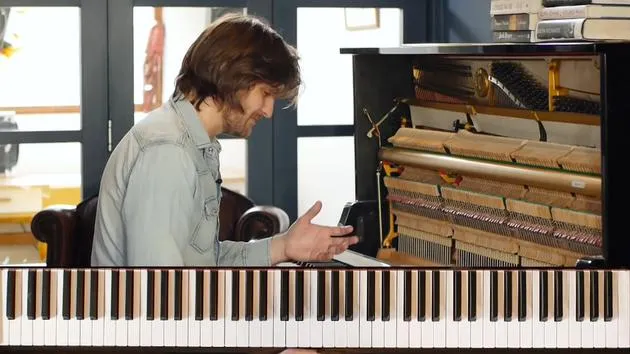
06. Acordes disminuidos
7:11
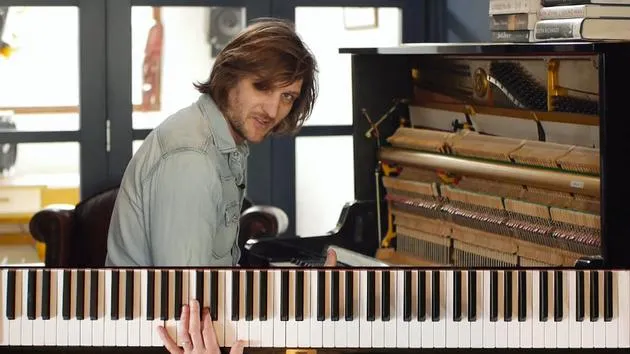
07. Notas y frases repetidas
8:34
08. Turnarounds
9:55
09. Ideas para una sección de breakdown
11:10
10. Mano izquierda al estilo de James Booker
6:58
11. Más ideas para la mano derecha
8:08
12. Trémolos
6:03
13. Ideas para finales
9:29
14. Slow Burn - El reto del blues lento
1:41
Transcripción de la lección
Music Lesson: Exploring Introductions and Turnarounds
In this lesson, we're going to look at different ways to start off a song. The introduction I played might not be exactly what I intended, but we can explore a variety of approaches.
Understanding the Chord Progression
- The vibe here transitions from:
- Chord I to Chord V
- Chord IV
- Followed by the turnaround
Essentially, this is similar to the last four bars of a 12-bar blues. Here's one idea for an intro:
- Starting on Chord IV, it begins with Chord I, possibly with a V in the bass.
- It's built on a kind of riff with a D at the top, creating an authentic intro sound.
If we break it down further, the harmony basically follows:
- D7 to C7, adding a few interesting elements. Some fourths thrown in can sound a bit odd on their own, but work well in context.
Let's play that whole intro:
This leads us to a typical blues sound when playing on the V chord, outlining that D7 chord. Adding the sharp five to it is a common practice.
Adjusting Chords
On the C chord, you might find that the B sounds a bit too dissonant. In this case, you might want to play it as a Bb. However, just a Bb alone might sound too clean.
- It might be necessary to play the Bb a bit more strongly than the B to maintain a flavor of both without going full.
Exploring Alternative Turnarounds
Let's look at some alternate turnarounds instead of sticking to the same pattern:
-
For example, you could try playing:
- D7: A well-known idea used in blues tunes.
Here's another intro you could try:
- Incorporate an E note. One technique I frequently use involves moving between notes, essentially in thirds but inverted into sixths.
When I play, I'm not focused on inversions; ideally, with time and practice, it should become instinctive.
Improvisational Techniques
On the turnaround, I often play ideas that suggest the D7 chord, which may also hint at a 2.2 chord with a flat 9.
Utilizing these sixths and thirds is prevalent in my improvisation:
- This kind of playing should come naturally over time.
Recap of the Introduction
To summarize the introduction:
- Move from V to turnaround.
- In the left hand, I keep it simple, possibly adding a run.
Practice Suggestions
When it comes to practicing, consider trying:
-
Licks based on the blues scale. For example, something like:
- (Your example here, ensuring it's based on the blues scale.)
This allows you to explore various options as long as the basic harmony is outlined.
Final Thoughts
The exercise demonstrates a slightly extreme example, but I hope it inspires some ideas for intros you can implement into your own playing!
14 lecciones
1h 47m de lecciones en vídeo estructuradas
Funciones de vídeo avanzadas
Ralentiza, repite un pasaje, sigue la partitura
Móvil, tablet y ordenador
Practica donde quieras
Garantía de satisfacción 100%
30 días de garantía de devolución
Conoce a tu gurú
Conoce a tu gurú
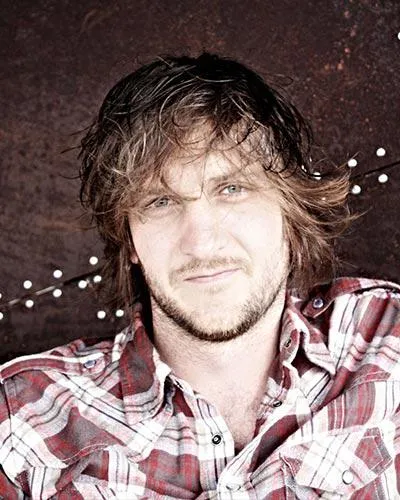
Paddy Milner está reconocido como uno de los mejores pianistas de blues del mundo: actualmente es el teclista de confianza de Sir Tom Jones, tras varios años con el gran y ya desaparecido Jack Bruce, pero también es un magnífico compositor original y un cantante con personalidad propia. ¡Basta con leer los elogios de figuras como Dave Brubeck que aparecen más abajo! Su forma de tocar apareció en la banda sonora de la exitosa película de 2019 'Rocketman'.
Ha ganado dos veces el premio al Mejor teclista en los British Blues Awards, y mantiene una residencia de larga trayectoria como miembro fundador de la Ronnie Scott's Blues Explosion en el mundialmente famoso club Ronnie Scott's.
Su grupo actual LONDONOLA toca música británica de cosecha propia con una buena dosis de espíritu de Nueva Orleans, y su grupo colaborativo JAWBONE va de fuerza en fuerza tras la publicación de su álbum de debut homónimo.
- "Me encanta... hay un tipo que sabe tocar de verdad el piano" - Dave Brubeck
- "Lo recomiendo encarecidamente. ¡De algún modo las cosas empiezan a sentirse mucho mejor!" - Jack Bruce
- "El mejor pianista de blues de Europa..." - Blues Access, EE. UU.
- "Impresionante y original" - The Times
- "Deslumbrante" - The Independent
A lo largo de sus cursos, Paddy desglosa el auténtico shuffle de blues, el slow blues, el boogie-woogie, el rock 'n' roll y el piano de Nueva Orleans -incluidas tres canciones clásicas de boogie-woogie- para que aprendas estos estilos de uno de los mejores del oficio.







