



Ideas para la mano izquierda
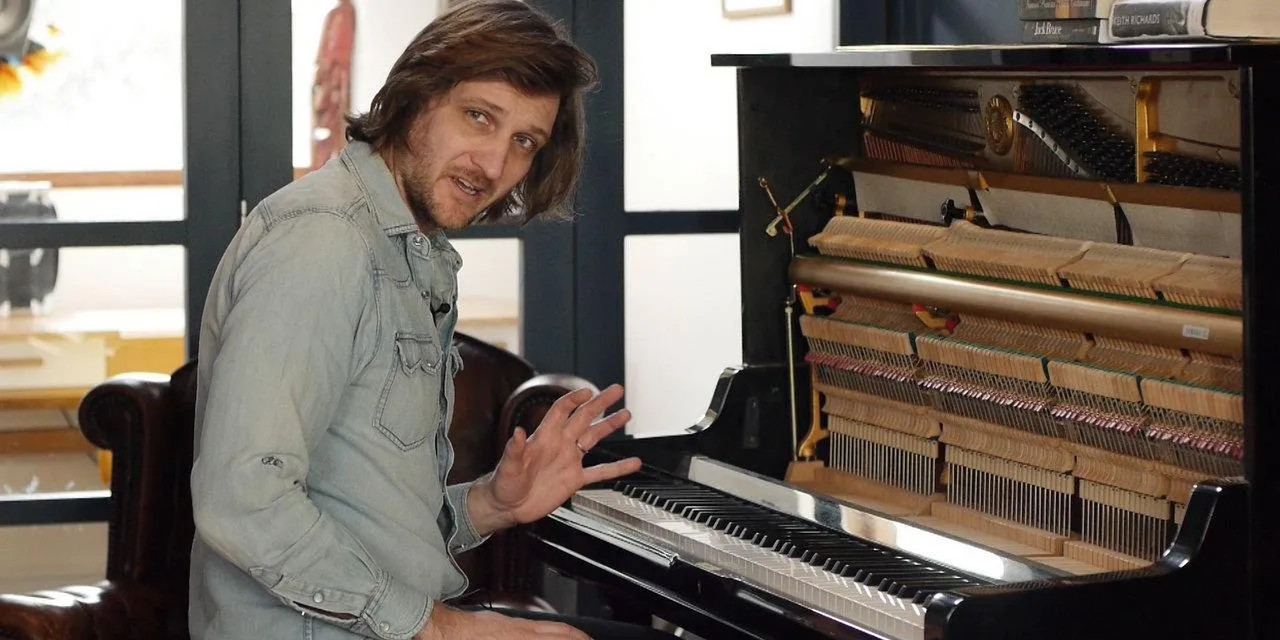
Paddy te enseña técnicas y riffs para la mano izquierda en un blues lento
Qué incluye el curso
14 lecciones (1h 47m) · 1 gratis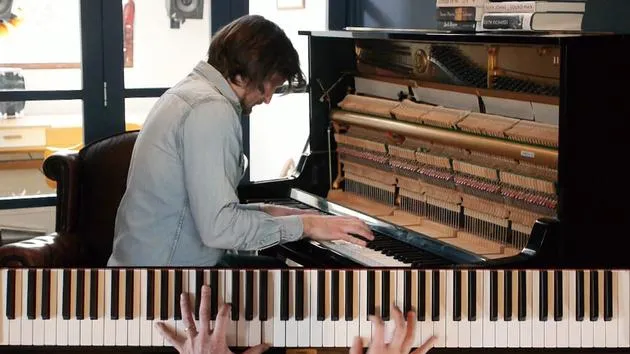
01. Demostración: toquemos un slow blues
Lección gratis4:30
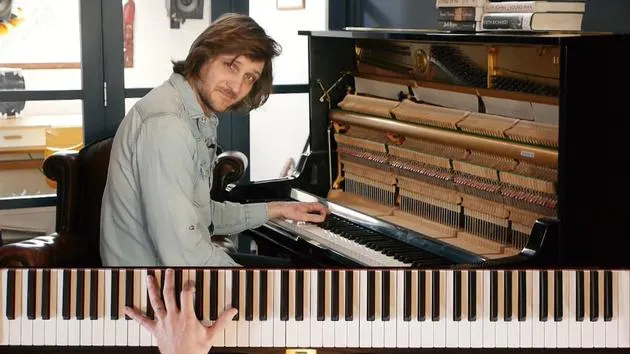
02. Ideas para la mano izquierda
Estás aquí11:26
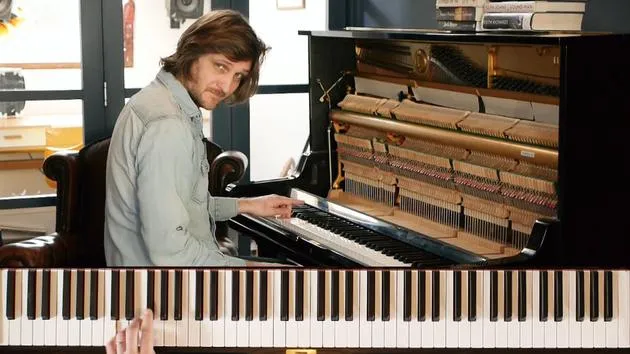
03. Ideas para la introducción
9:40

04. Ideas usando sextas
9:34
05. Riff estilo Memphis Slim
3:28
06. Acordes disminuidos
7:11
07. Notas y frases repetidas
8:34
08. Turnarounds
9:55
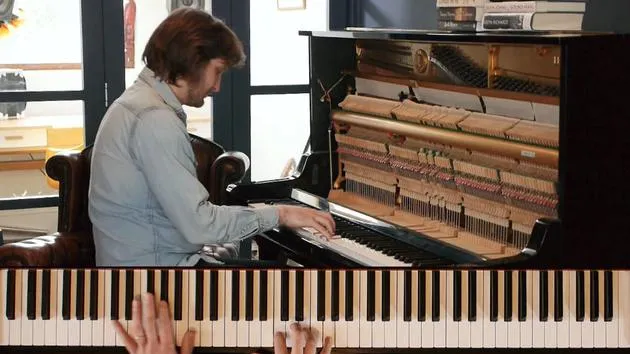
09. Ideas para una sección de breakdown
11:10
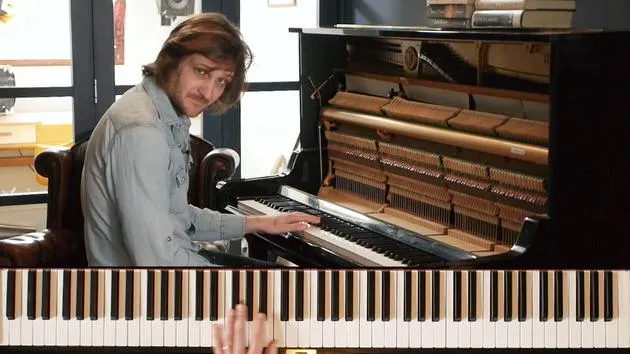
10. Mano izquierda al estilo de James Booker
6:58
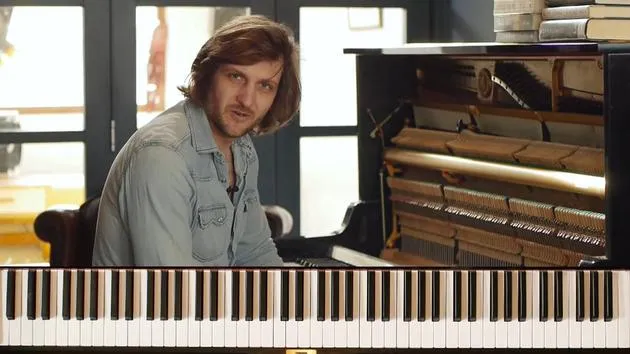
11. Más ideas para la mano derecha
8:08
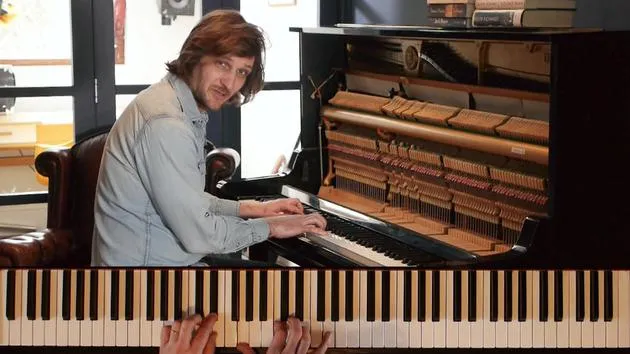
12. Trémolos
6:03
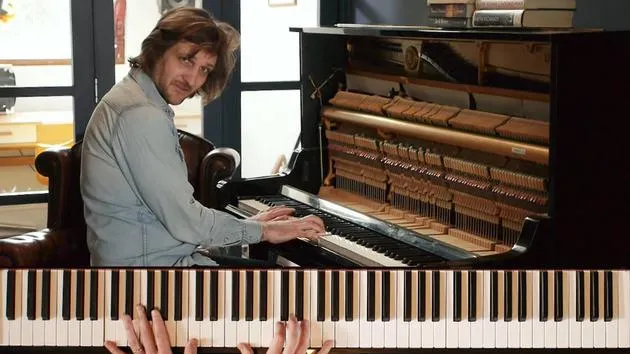
13. Ideas para finales
9:29
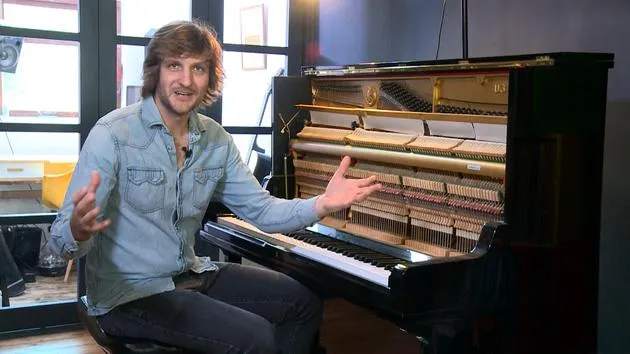
14. Slow Burn - El reto del blues lento
1:41
Transcripción de la lección
Course on Playing Slow Blues
Introduction
Cool. How you doing? Paddy Milner here. And welcome to this course on playing a slow blues.
Quick Recap on 12 Bar Blues in the Key of G
Let's kick off with a quick recap of what a 12 bar blues is in the key of G. We'll be staying around this key, which is the key that I played the tune in that I hope you've checked out on the free video.
Chord Structure
In a 12 bar blues in the key of G, we have:
- 1 bar of G
- 1 bar of C
- 2 bars of G
- 2 bars of C
- 2 bars of G
- 1 bar of D
- 1 bar of C
- 1 bar of G
- 1 bar of D
Those last two bars will serve as a turnaround, and we'll explore different things we can play over that turnaround.
Feel of the Tune
Before we dive into the more complicated right hand riffs, let's discuss the feel of the tune:
- Feel: Four to the bar, very slow - almost like a funeral dirge.
- Left Hand: Just pumping away underneath it all, sometimes moving to the five and up to the C.
Anticipations
You'll notice I'm doing those little anticipations:
- Timing: 1, 2, 3, 4 (just to give it movement).
- They always come before the beat to the five and the four.
Initially, it's a very basic left hand, purely meant to add weight and keep the time flowing beneath the right hand.
Importance of Solid Left Hand Technique
As with boogie woogie and other styles, it's crucial to have that left hand totally solid.
Practice Tips:
- Practice while doing other tasks - have a conversation, read a book, etc.
- Use a metronome to maintain a solid tempo.
Variations
There are a couple of variations I use with that left hand:
- Little passing notes that might sound odd on their own but work well in context.
- For example, after moving to the five and back to G, you can incorporate a little bass line.
Exploring More Complex Left Hand Techniques
On the chord four, coming down from the five, I might do something like this:
- Moving to the tenth, which creates a cool sound.
Often, I'll add those little runs, giving it that basic yet flavorful sound.
Additional Left Hand Ideas
Besides the basic bass, let's consider a more complex left hand approach:
- Starting on chord one, moving to the five.
- Getting more interesting on the four while approaching the G7 by a semitone.
You can also incorporate the Stormy Monday chord sequence or use a five chord in second inversion.
Creative Expression
This is where I really encourage you to start getting creative and do your own thing with it.
- Here's an idea for the left hand, try something like this:
- Introduction of jazz harmony, feel free to experiment!
Alternative Bass Lines
There are many bass lines you can play over a slow blues. For example:
- A simple rhythmic change could lead your entire song.
Triplet Ideas
You might explore triplet fills, inspired by artists like Fats Domino. For instance, something that sounds like this in octaves.
Breakdown Sections
Remember that breakdown section in the tune? The bass line dropped out, marking the bars.
- You could just use a few notes to outline the harmony.
Conclusion
That covers the bass lines generally from that tune. Maybe I'll explore some specific James Booker left hand techniques in a later video.
So, let's move on and look at something else!
14 lecciones
1h 47m de lecciones en vídeo estructuradas
Funciones de vídeo avanzadas
Ralentiza, repite un pasaje, sigue la partitura
Móvil, tablet y ordenador
Practica donde quieras
Garantía de satisfacción 100%
30 días de garantía de devolución
Conoce a tu gurú

Conoce a tu gurú
Paddy Milner está reconocido como uno de los mejores pianistas de blues del mundo: actualmente es el teclista de confianza de Sir Tom Jones, tras varios años con el gran y ya desaparecido Jack Bruce, pero también es un magnífico compositor original y un cantante con personalidad propia. ¡Basta con leer los elogios de figuras como Dave Brubeck que aparecen más abajo! Su forma de tocar apareció en la banda sonora de la exitosa película de 2019 'Rocketman'.
Ha ganado dos veces el premio al Mejor teclista en los British Blues Awards, y mantiene una residencia de larga trayectoria como miembro fundador de la Ronnie Scott's Blues Explosion en el mundialmente famoso club Ronnie Scott's.
Su grupo actual LONDONOLA toca música británica de cosecha propia con una buena dosis de espíritu de Nueva Orleans, y su grupo colaborativo JAWBONE va de fuerza en fuerza tras la publicación de su álbum de debut homónimo.
- "Me encanta... hay un tipo que sabe tocar de verdad el piano" - Dave Brubeck
- "Lo recomiendo encarecidamente. ¡De algún modo las cosas empiezan a sentirse mucho mejor!" - Jack Bruce
- "El mejor pianista de blues de Europa..." - Blues Access, EE. UU.
- "Impresionante y original" - The Times
- "Deslumbrante" - The Independent
A lo largo de sus cursos, Paddy desglosa el auténtico shuffle de blues, el slow blues, el boogie-woogie, el rock 'n' roll y el piano de Nueva Orleans -incluidas tres canciones clásicas de boogie-woogie- para que aprendas estos estilos de uno de los mejores del oficio.







