



Ska'd for life
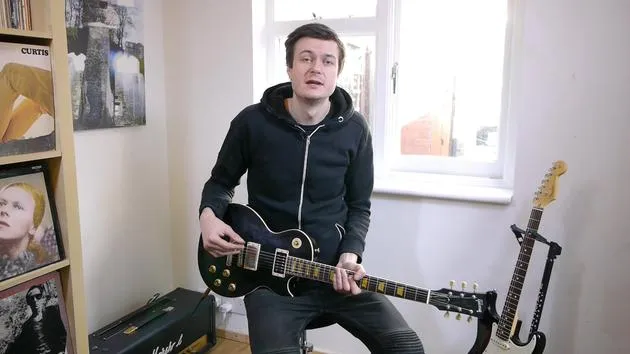
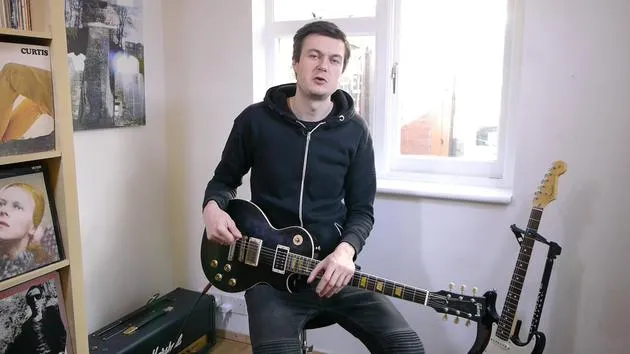
Rob Luft repasa la pieza de ska de Grado 2 "Ska'd for Life", cubriendo el tono de guitarra brillante y cargado de agudos y el feel a contratiempo que define el género.
Qué incluye el curso
41 lecciones (2h 51m) · 1 gratis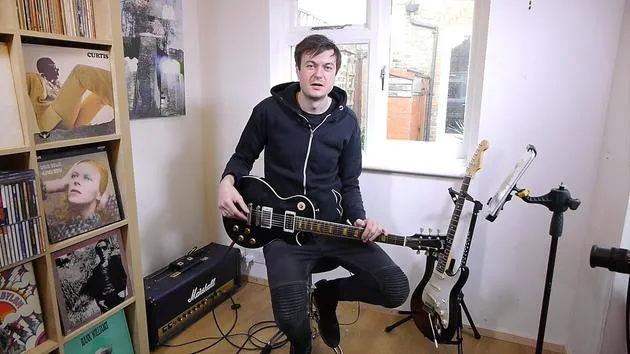
01. Introducción a los enfoques de la improvisación
1:00
02. Primeros pasos con la improvisación
9:22
03. Tarea: encontrar las notas del acorde
4:05
04. Improvisar usando notas de acorde
10:18
05. Añadir interés rítmico a tus solos
4:11
06. Ejercicio: improvisar sobre un cambio de acorde
2:52
07. Reto: Envía tu improvisación
0:24
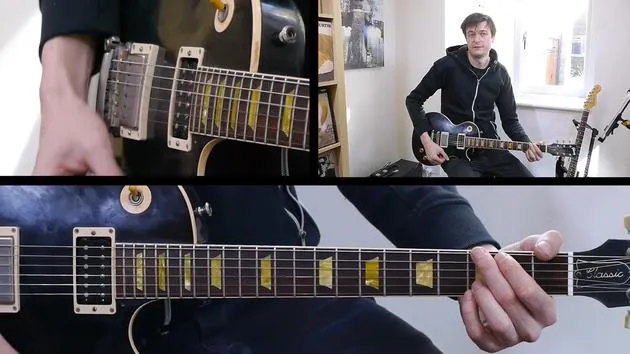
08. Improvisación rítmica y comping
9:55
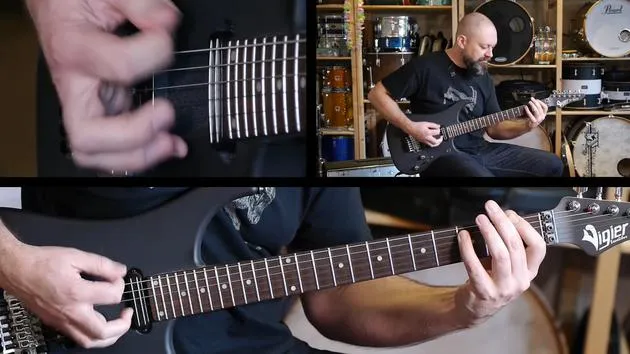
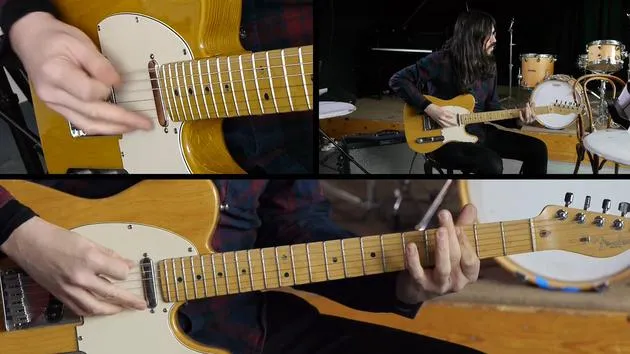
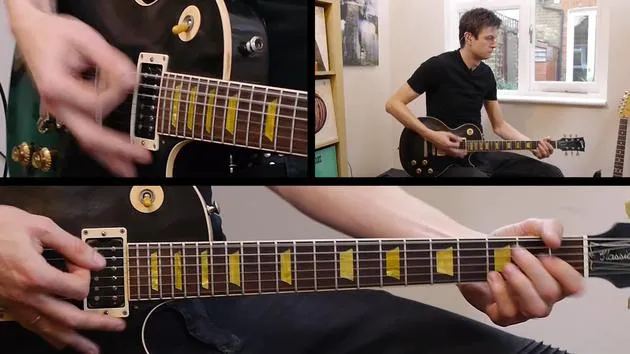
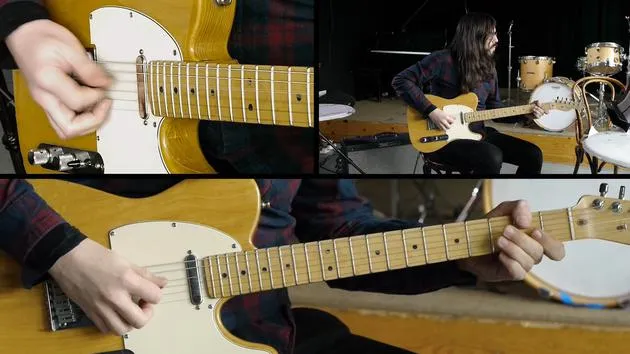
Transcripción de la lección
Scarred for Life - Grade Two
Introduction to Ska Music
Here we are just talking about this piece, and I'd like to introduce a little bit about the genre of ska music, which is a style that developed in Jamaica in the late 1950s and early 1960s. It is most famously associated with the British revival of the music in the late 1970s, with bands like Madness.
Getting the Ska Guitar Tone
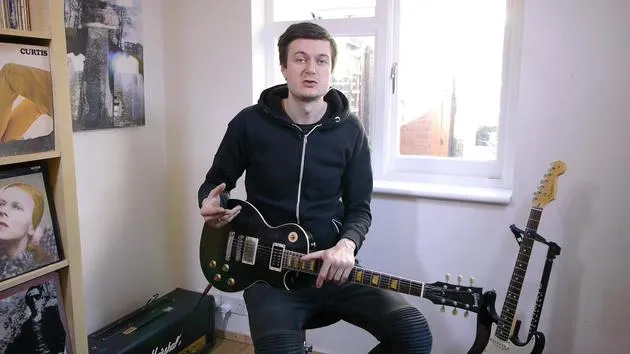
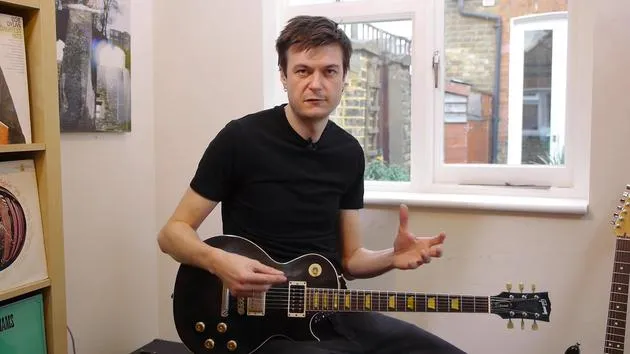
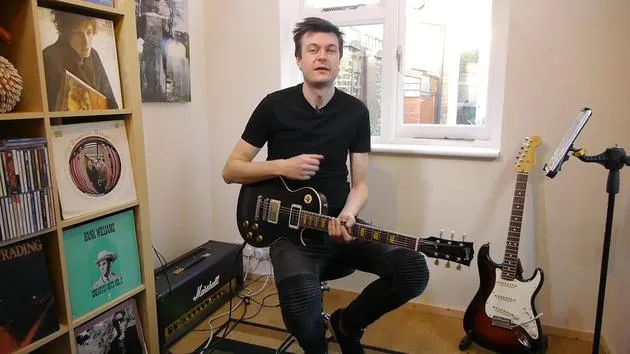
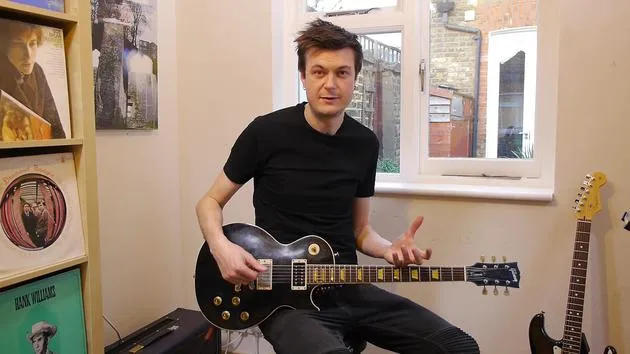
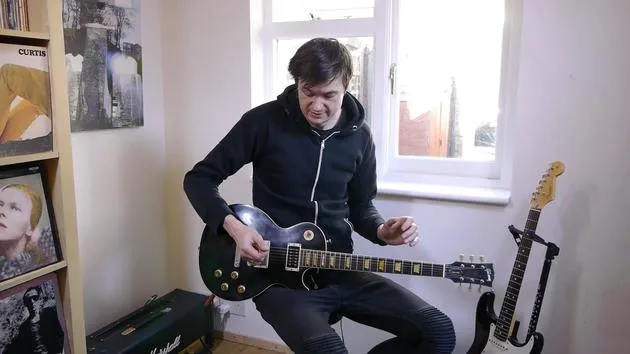
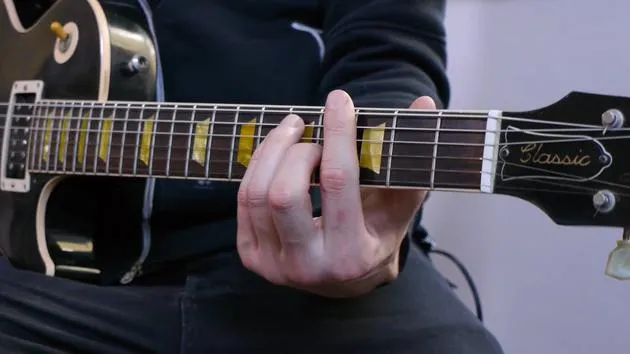
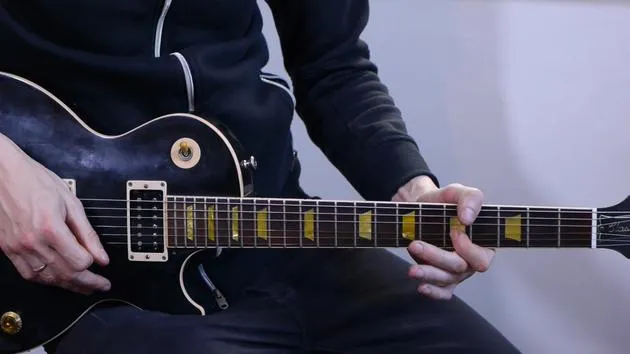
What I should say firstly about this music is the sound that I use to get that ska guitar tone, which is very bright and treble-heavy. Here are some tips for achieving that sound:
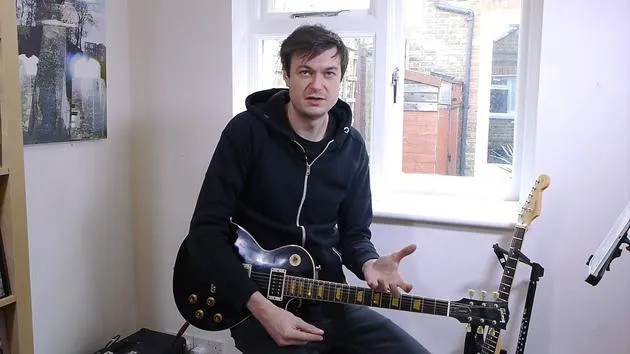
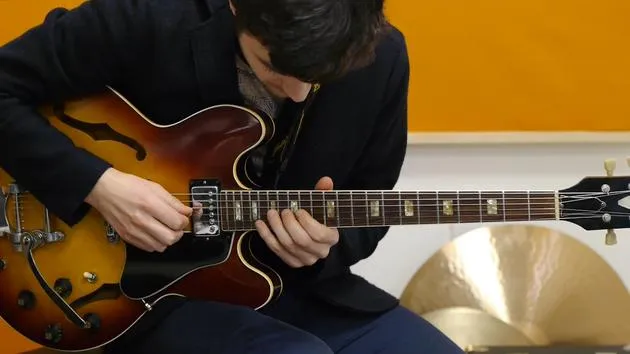
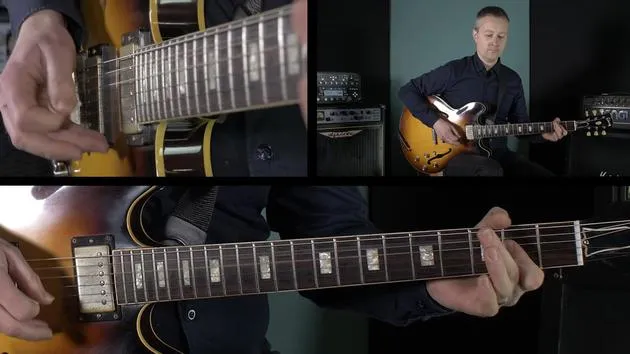
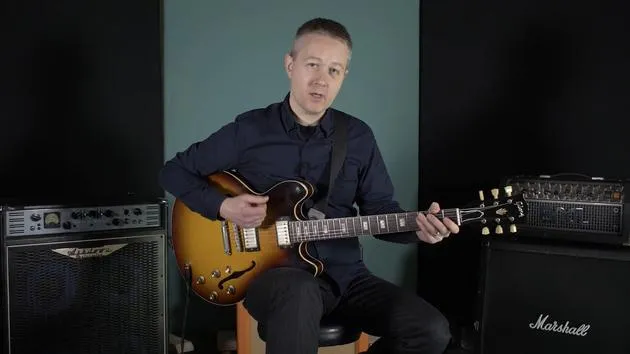
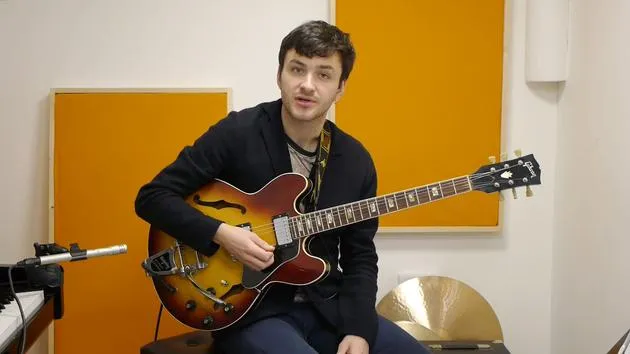
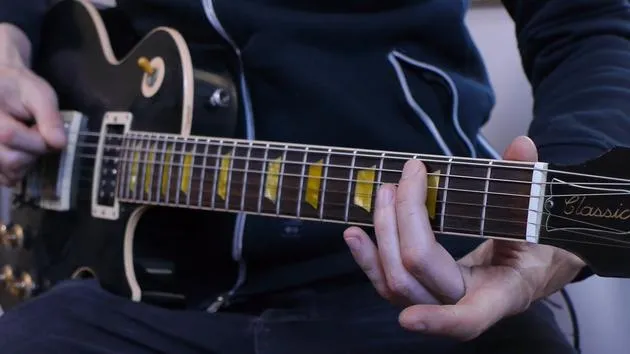
- Guitar Selection: I always play on the back pickup of my guitar. This is a Gibson 335. However, you could actually play ska music on any kind of electric guitar.
- Treble Adjustment: I add a little bit of treble to the amplified sound. Turn up my treble knob ever so slightly, while playing on the back pickup to get a very bright, edgy sound.
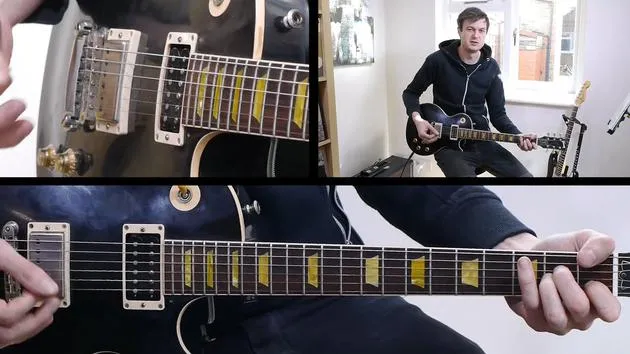
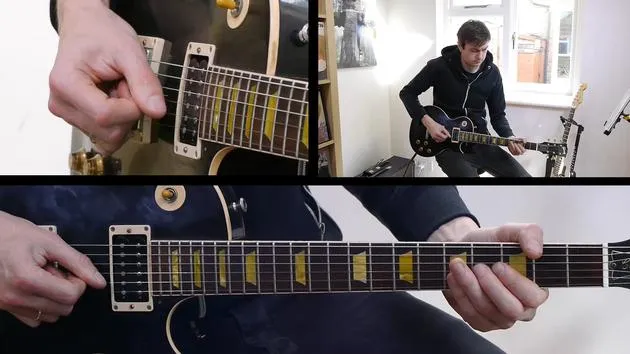
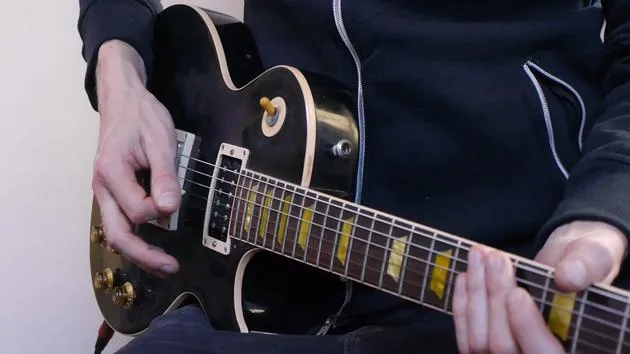
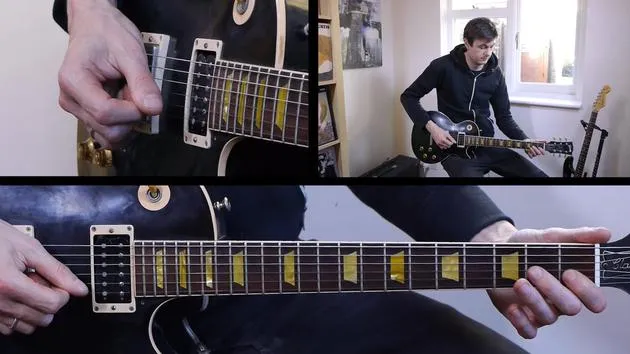
- Playing Technique: It's good to play with either a pick or your fingers, whichever you prefer. Position your playing further back on the guitar towards the bridge to emphasize this bright, edgy sound.
Chopping Technique
A lot of the time when I'm chopping away, I'll use only upstrokes with the plectrum. For example, in letter C of Scarred for Life, as it transitions from C to F major chords:
- I'm just chopping upwards to achieve that ska guitar sound.
Timing and Feel
The timing and feel of ska is quite loose and often relaxed, especially at slower tempos. Here's what to remember:
- Pulling the Time Back: I'll try to pull the feeling of the time back slightly for an authentic relaxed sound, like this: 3, 4.
- Relaxed Behind the Beat Feeling: This is a sensation more than a mathematical exactness. It means just to relax and play our notes slightly later than we would normally play them. Here we are again: 3, 4, 1.
Letter C of this piece in Scarred for Life is where you can really practice that feeling of playing behind the beat.
Tricky Passages Overview
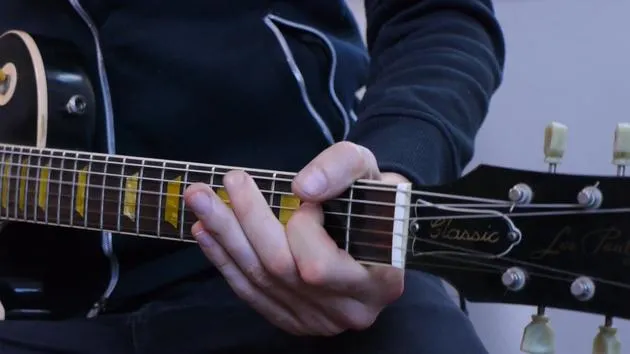
Next, let's look at a couple of the trickier passages, such as the intro where we've got a couple of chordal things and lines interspersed.
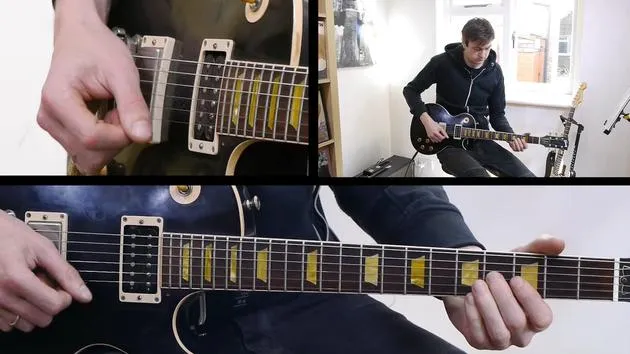
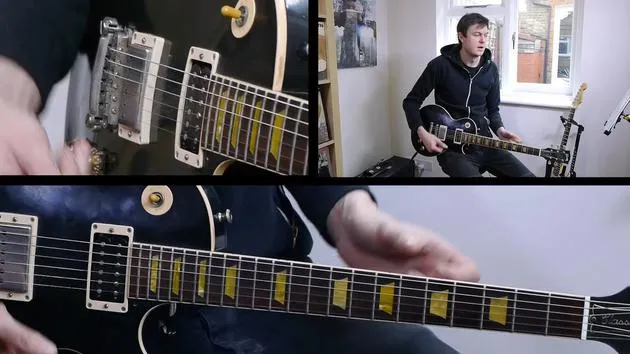
- I use the technique of contrasting ringing chords with palm-muted passages.
- In bar three and four, I start to employ the palm mute technique, allowing for a contrast with ringing chords in bar two and letting them ring again in bar five.
Essential Techniques
In my opinion, another essence of ska guitar is the palm muted technique. You can practice this with anything, such as:
- Taking a major scale and practicing your palm muting to get that ska sound, predominantly using downstrokes but interspersing upstrokes as well.
Key Takeaways
My two core techniques to take from ska guitar are:
- Chopping Upstroke Sensation
- Laid-back Timing Combined with Palm Muting for Single Lines
These techniques are essential to learn.
Recommended Listening
Before I sign off, I'd like to say it's worth listening to bands like Madness, as well as classic Jamaican ska and reggae artists. Consider checking out:
- Toots and the Maytals
- The Skatalites
- Bob Marley (especially some early works with the Wailers in the ska style)
These are great listening recommendations that you can explore at home, and don't hesitate to talk to your teacher for more suggestions!
On that note, enjoy the piece: Scarred for Life!
41 lecciones
2h 51m de lecciones en vídeo estructuradas
Funciones de vídeo avanzadas
Ralentiza, repite un pasaje, sigue la partitura
Móvil, tablet y ordenador
Practica donde quieras
Garantía de satisfacción 100%
30 días de garantía de devolución







