



Buzzsaw
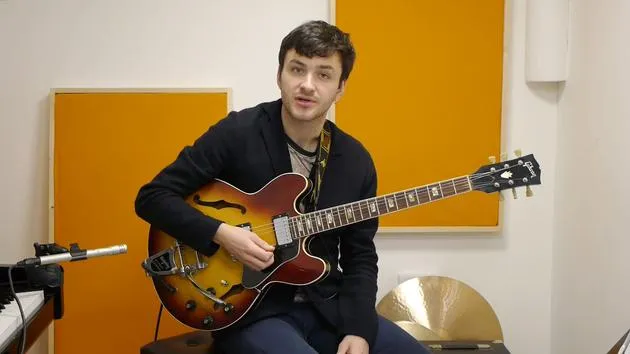
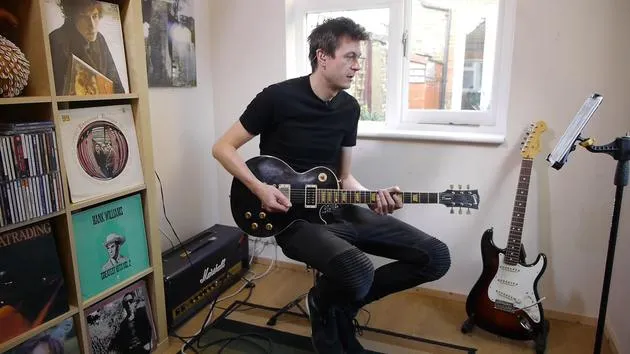
Marcus Bonfanti desglosa la pieza de rock and roll de Grado 2 Buzzsaw, y aborda su acompañamiento rítmico, las líneas melódicas de una sola nota y las difíciles dobles cuerdas.
Qué incluye el curso
41 lecciones (2h 51m) · 1 gratis
01. Introducción a los enfoques de la improvisación
1:00
02. Primeros pasos con la improvisación
9:22
03. Tarea: encontrar las notas del acorde
4:05
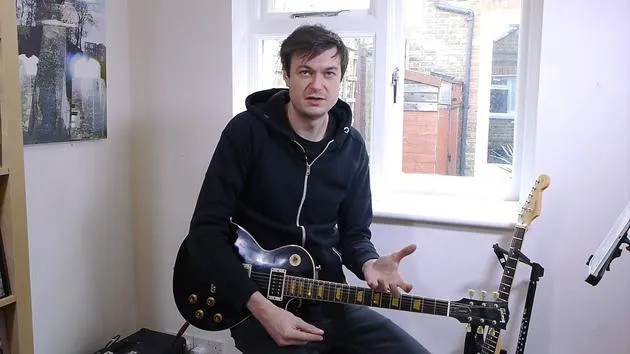
04. Improvisar usando notas de acorde
10:18
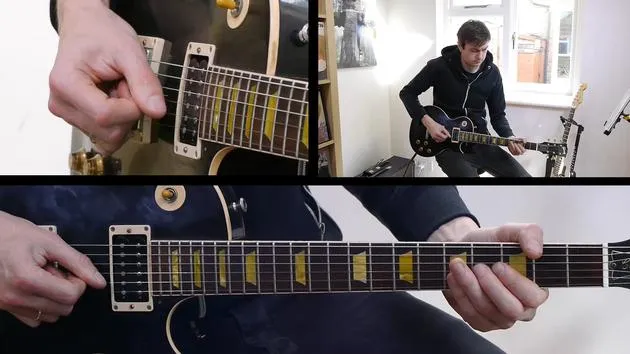
05. Añadir interés rítmico a tus solos
4:11
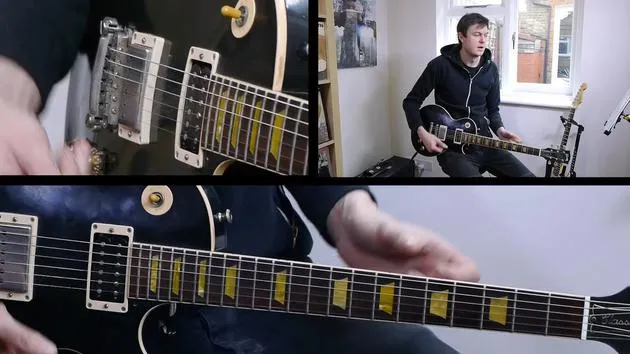
06. Ejercicio: improvisar sobre un cambio de acorde
2:52
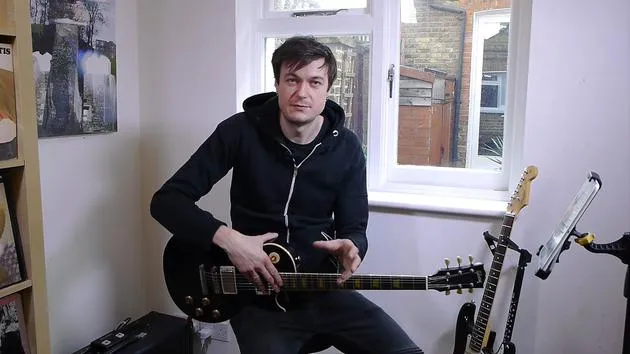
07. Reto: Envía tu improvisación
0:24
08. Improvisación rítmica y comping
9:55
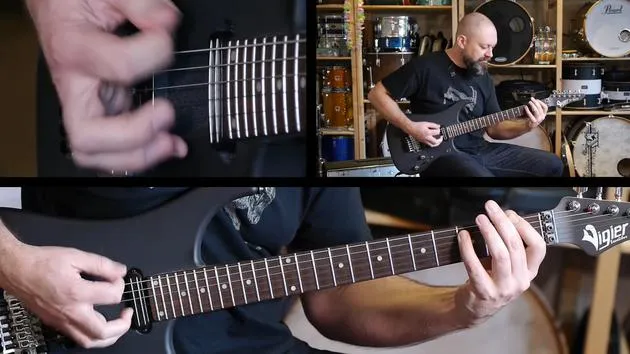
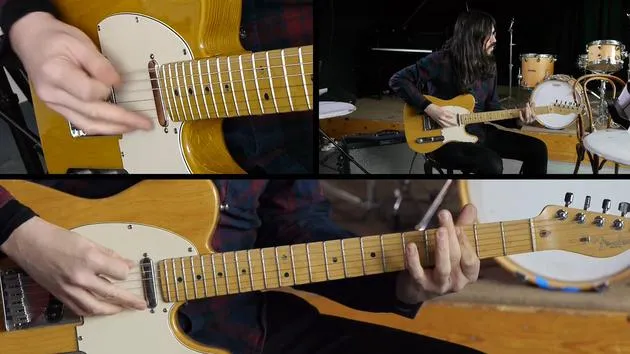
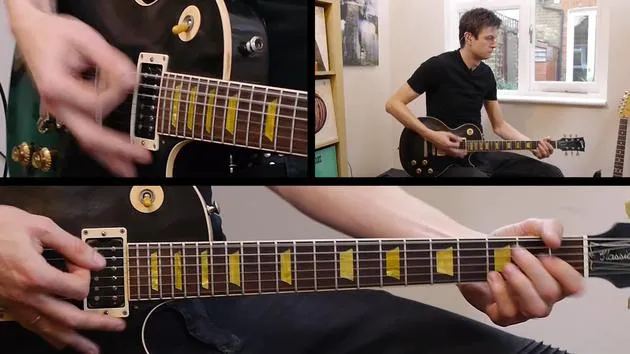
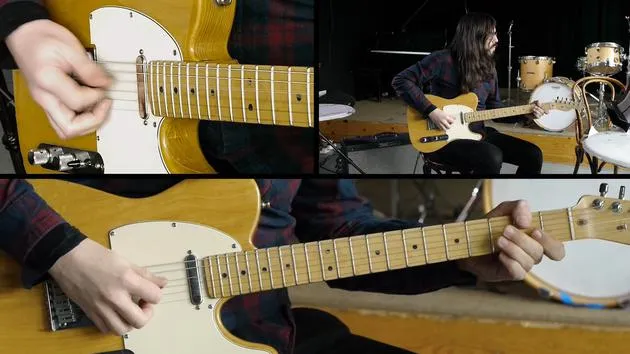
Transcripción de la lección
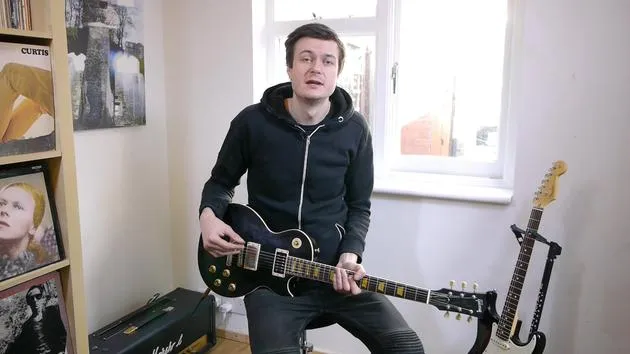
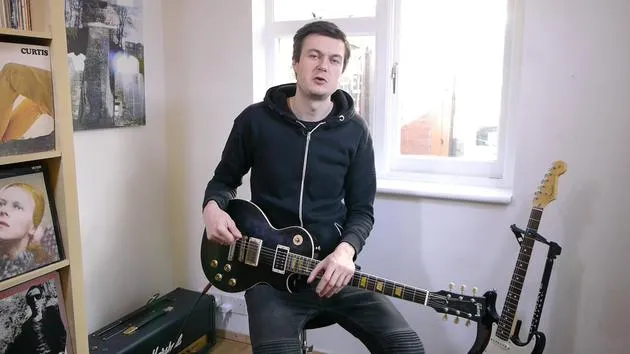
Lesson on "Buzzsaw" - Grade Two Piece
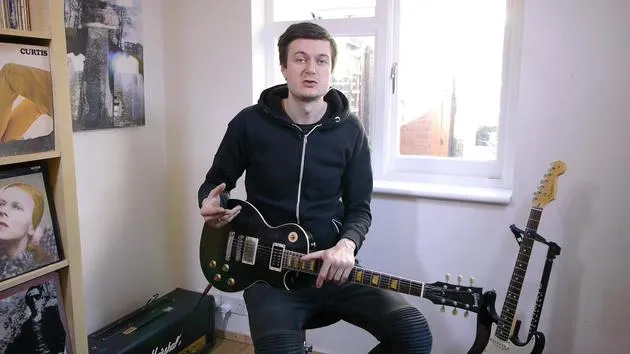
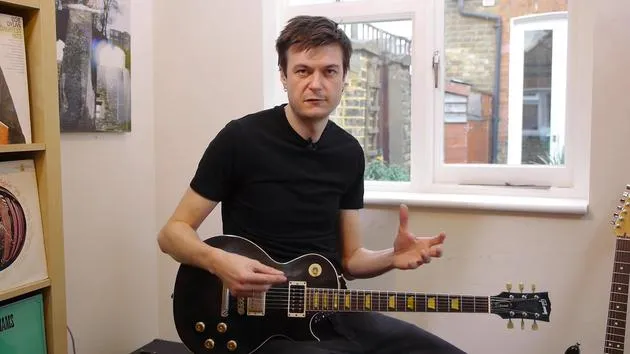
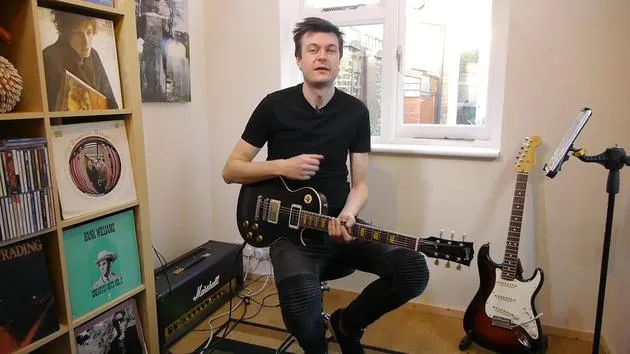
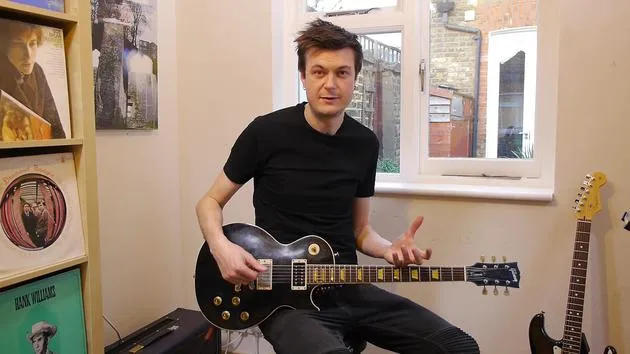
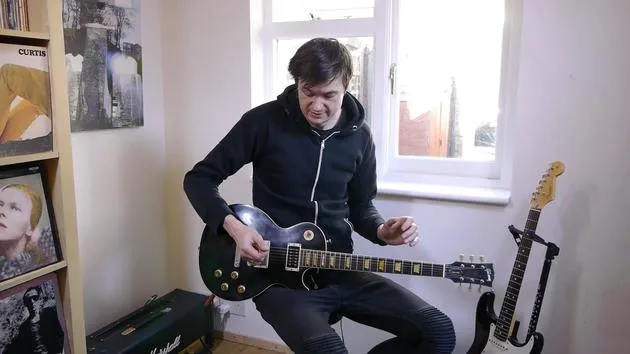
Okay, so Buzzsaw, this is a grade two piece. It's a real good rocking number. It's quite nice.
Overview
It's a style that a lot of people wouldn't work on, but many would like to do, playing good rock and roll music. There are sort of two fundamentals with it:
- Rhythm Playing
- Lead Playing
I think this piece gives you a flavor of both because most rock and roll guitarists are great rhythm guitarists as well as great soloists. It's very important to have the two.
Structure
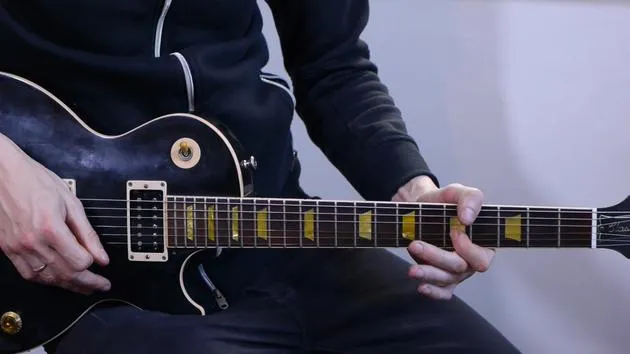
The piece starts off with a chord-based melody, showcasing some great rhythm guitar playing. It then moves into single-note lines, which are more akin to playing a solo.
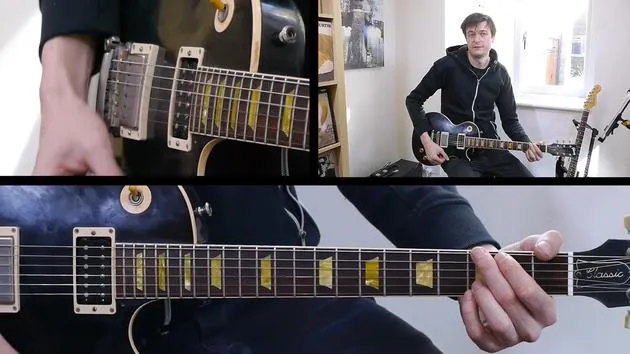
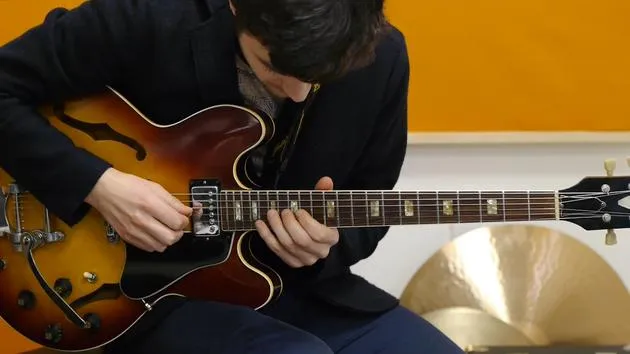
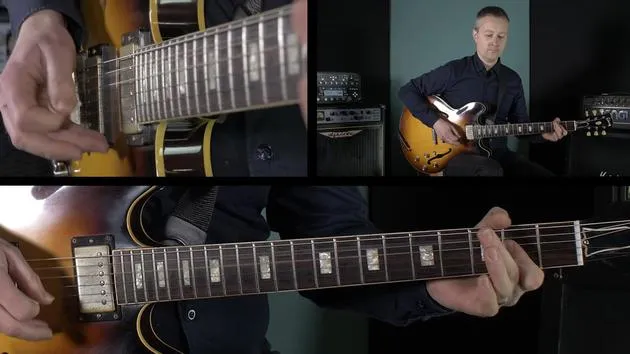
There are also some double stops which you may not have come across before, this is the act of playing two notes at once.
Technique Challenge
There's a tricky part in this piece where the double stops come in just at the end of the first eight bars.
-
Important Note: On the face of it, it looks like an easy technique, but it really isn't.
- In this piece, the double stops are positioned on your middle two strings.
- If you play double stops up top, it's easier, as there's nothing below to hinder you.
Practicing Double Stops
To nail those double stops:
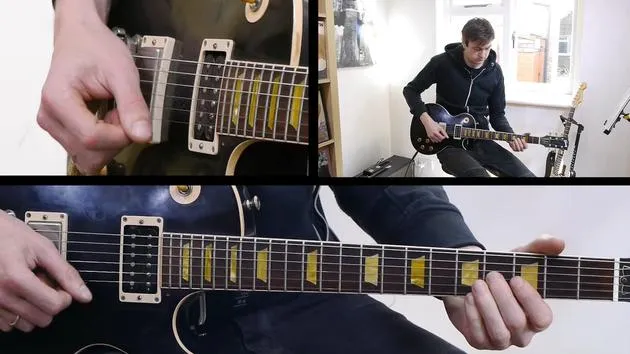
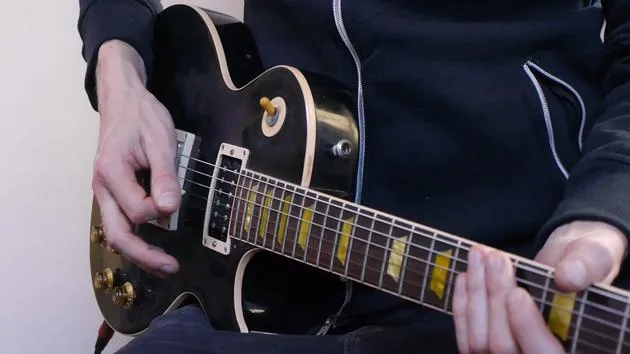
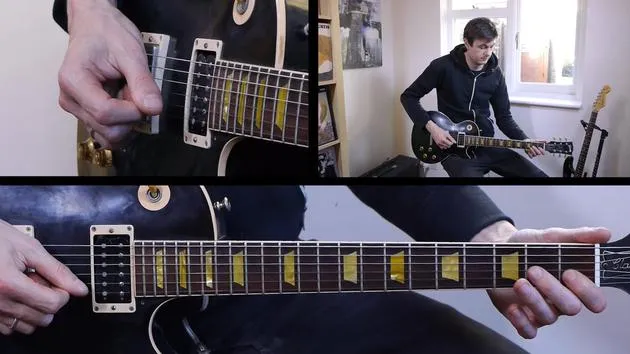
- Practice regularly to learn where your right hand needs to be to play these double stops accurately.
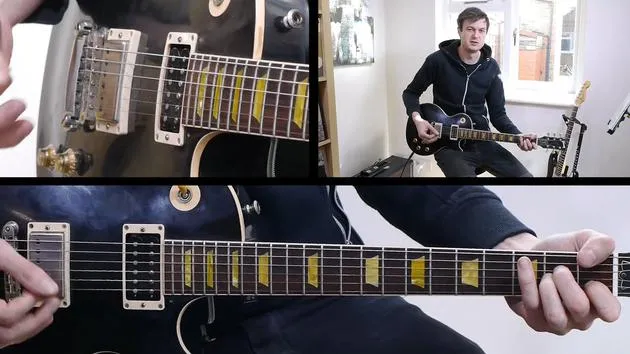
- Your plectrum should start above the D string and extend only as far as the G.
Mute Technique
As a little help:
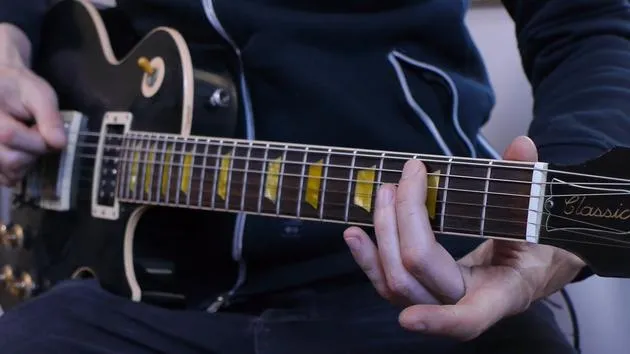
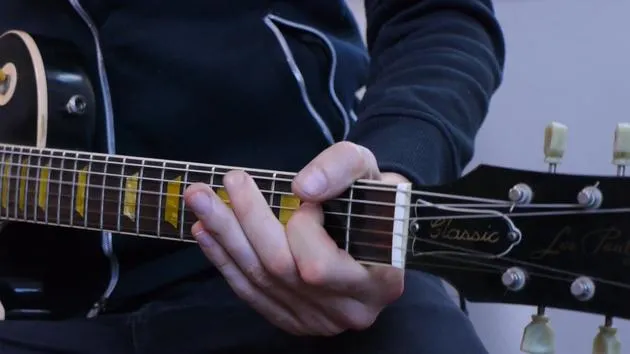
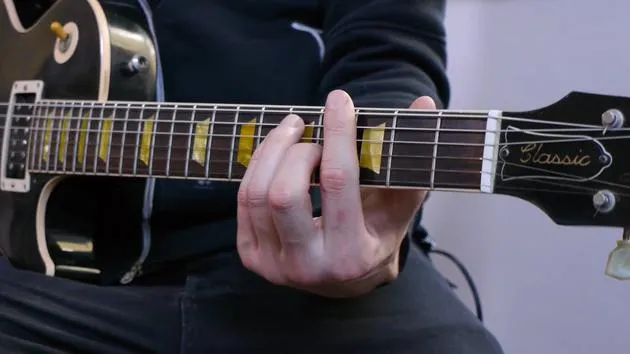
- Left Hand Positioning:
- Use your index finger to mute the E and B strings.
- Use your thumb to mute the A and E strings.
This way, if you accidentally go too far, you won't get any unwanted sound. This will help tighten up your double stop playing.
Key Focus Areas
There are many double stops in this piece, so it's something worth spending time on.
Stylistic Elements
Part C Considerations
The main technical challenge comes in at Part C, where there are some single notes.
- Examiner Expectation: No matter the grade or difficulty, I assume that the examiner wants to hear your voice amidst it.
Rather than just a carbon copy of the backing or a perfect representation of the notes, you want to catch the eye of the examiner and other musicians.
Personal Touch
Here are a couple of stylistic choices you might consider:
-
Figure B:
- After the first four bars, I place a bit of vibrato on the low G.
- I also do a slight bend on the second note.
These are elements I've taken from the blues, which could help liven up your piece.
-
Letter C:
- At this point, they haven't indicated that the notes should ring out, but that's a choice you can make stylistically.
- I prefer to play it in a way that matches the clipping style of the rest of the piece.
You might also consider experimenting with the first repeat, adding your flair to make it your version.
Final Thoughts
In conclusion, it's a fantastic rock and roll piece.
- It's essential to work on both rhythm and lead playing as they are inherently linked.
- A strong knowledge of rhythm playing will significantly enhance your lead playing.
If you enjoy this sound, you might check out similar artists. For instance, the Stone Roses from the 90s. Their guitarist, John Squire, was innovative and provides great inspiration for your playing.
Listen to his work on tracks such as "Waterfalls" and explore more of his rhythm and lead playing on their album "Second Coming."
Enjoy and Good Luck!
So, that's Buzzsaw. Enjoy it and good luck with your practice!
41 lecciones
2h 51m de lecciones en vídeo estructuradas
Funciones de vídeo avanzadas
Ralentiza, repite un pasaje, sigue la partitura
Móvil, tablet y ordenador
Practica donde quieras
Garantía de satisfacción 100%
30 días de garantía de devolución







