



La escala pentatónica

Con
Jono McNeilUna introducción a los licks vocales y a la escala pentatónica sobre la que se construyen, empezando por los fundamentos antes de los runs más vistosos.
Qué incluye el curso
26 lecciones (1h 50m) · 1 gratis












Transcripción de la lección
Music Lesson: Mastering Licks
So this lesson is all about licks, and I have a feeling that a few of you have been waiting for this one, because this is where it gets really impressive.
We all love to look at singers that can sing notes really fast and, you know, really flashy. Singing like that can sometimes be very appealing straight off the bat.
Common Sentiments About Licks
That said, I hear a lot of singers who say:
- "I don't sing licks."
- "I'm not very good at them."
- "I just can't do it."
So if you feel that way, hopefully, this lesson will help to break down a few of the things that can make licks a little easier. Rest assured, we are going to start with some foundational concepts before moving to more challenging material.
What is a Lick?
Firstly, what is a lick? There are a few different things we call a lick. Some people refer to it as melisma, which is an ancient term used in classical music to describe fast runs of notes that are sung legato or smoothly.
However, many people will call them:
- Riffs
- Licks
- Runs
But whatever you want to call them, they are a stream or string of notes that are sung together. They are often conceived to be really fast.
Fast Singers
There are lots of fast singers out there. For example, Jasmine Sullivan sings licks super fast. However, that does not necessarily need to be the case. Bands like Destiny's Child actually started slowing licks down, and they sounded stylish just like that.
Approaching Licks
We want to show you different ways of approaching licks, and we're going to focus on a very important scale for contemporary singers: the pentatonic scale.
Understanding the Pentatonic Scale
You might have heard of that scale, and rightly so. It is used all the time.
- "Pent," meaning five
- "Tonic," meaning tones
So it literally means five tones. For example, in C major, the notes are:
- C
- D
- E
- G
- A
These five notes are your scale degrees in the major pentatonic scale.
Minor Pentatonic Scale
If I were to play a minor pentatonic scale, I wouldn't just flatten the third like you would in a normal minor scale. Instead, I start at a different note in that major pentatonic scale.
If I start the same scale at A, I get this: all the same notes, just starting in a different place.
Now, don't get too strung up with that, but you'll become very familiar with the scale as we move on.
The Appeal of Pentatonic Scales
The reason we use pentatonic scales so much is that they offer more than just stepwise melodies; they have intervals that make things more exciting.
Singing the Major Pentatonic Scale
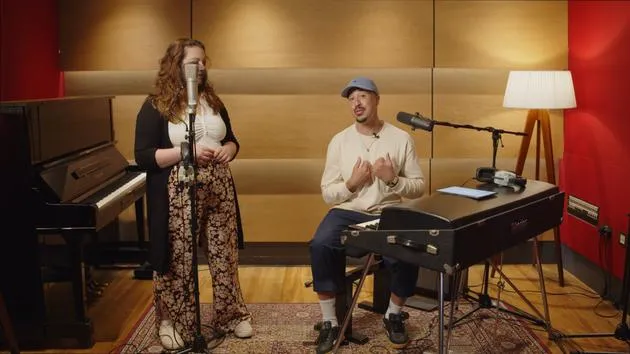
So first, we're going to start by singing the major pentatonic scale to get it into our heads. I have Alicia back for this lesson, which I'm very excited about!
Let's sing it together on "ma."
-
Slowly:
- 1, 2, 3:
- "ma, ma, ma, ma, ma, ma, ma, ma, ma."
-
Faster:
- 1, 2, 3, 4:
- "ma, ma, ma, ma, ma, ma, ma, ma, ma."
-
Double Time:
- "ma, ma, ma, ma, ma, ma, ma, ma, ma."
And again at home:
- "ma, ma, ma, ma."
Getting used to that sound helps when you need to get a little more advanced.
Technical Tips for Singing Licks
In a moment, I'm going to teach you a lick based on the pentatonic scale, but first, here are a few technical tips:
-
Body Movement:
- Ensure your body can move freely. If anything is tight or stiff, it will impede your ability to execute a fluent pentatonic lick. Areas like the jaw, tongue, shoulders, and even the face can carry tension.
-
Start Slow:
- In music, everything needs to start slowly to ensure accuracy. Once you're comfortable, gradually build up the tempo. Starting too fast often leads to inaccuracies.
-
Break it Down:
- Don't try to learn a big lick all at once. Take even two notes at a time and focus on getting those right. Ensuring good pitch and comfort in your body lays a solid foundation for when you come to join everything together.
Now, let's get started!
26 lecciones
1h 50m de lecciones en vídeo estructuradas
Funciones de vídeo avanzadas
Ralentiza, repite un pasaje, sigue la partitura
Móvil, tablet y ordenador
Practica donde quieras
Garantía de satisfacción 100%
30 días de garantía de devolución
Conoce a tu gurú
Conoce a tu gurú
Jono McNeil ha ofrecido coaching vocal a cantantes profesionales, artistas contemporáneos y vocalistas en una gran variedad de puestos influyentes dentro de la industria del entretenimiento durante más de 20 años.
Trabaja como coach vocal en diversos programas de televisión, entre ellos The Voice Kids, The Voice UK, Little Mix The Search, The Masked Singer, Wedding Day Winners y Change Your Tune, y prepara a artistas de gira como JLS, New Rules y July Jones, por nombrar solo algunos.
Artista y cantante por derecho propio, Jono también ha actuado con Michael Buble, Paloma Faith, Josh Groban, Nelly, Jamie Cullum, Lemar, George Ezra y Jocelyn Brown, y tiene varios álbumes originales disponibles en las plataformas de streaming.
Combina su experiencia sobre el escenario y en el estudio de grabación con un profundo conocimiento de la función vocal para ofrecer experiencias de coaching eficaces e inspiradoras.
Anteriormente fue jefe de canto en la Academy of Contemporary Music (ACM), donde impartía clases y diseñaba contenidos para el plan de estudios de canto de la titulación en música popular, y ahora sigue trabajando como examinador externo para otras instituciones académicas como el Leeds Conservatoire.
Apasionado por las posibilidades de la música popular y del arte, persigue investigaciones y estrategias innovadoras para hacerlas realidad; entre sus titulaciones académicas figuran una licenciatura en Jazz y un máster en Pedagogía Vocal.
En Licks, Riffs & Runs for Pop Singers, Jono te muestra exactamente cómo añadir los runs, riffs y licks ágiles que definen el canto pop moderno, para que puedas adornar una melodía con confianza y hacerla tuya.







