



Groove

Con
Jono McNeilJono explica cómo el groove puede distinguir de verdad a un cantante del resto.
Qué incluye el curso
26 lecciones (1h 50m) · 1 gratis
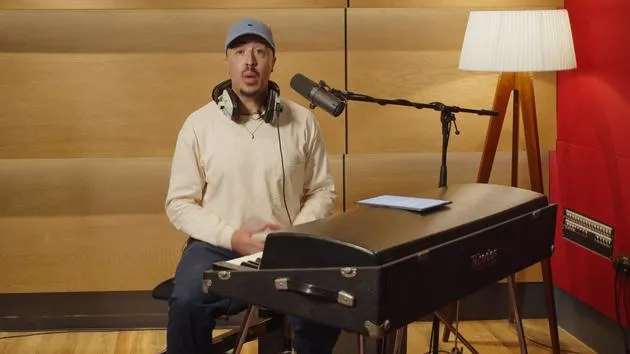
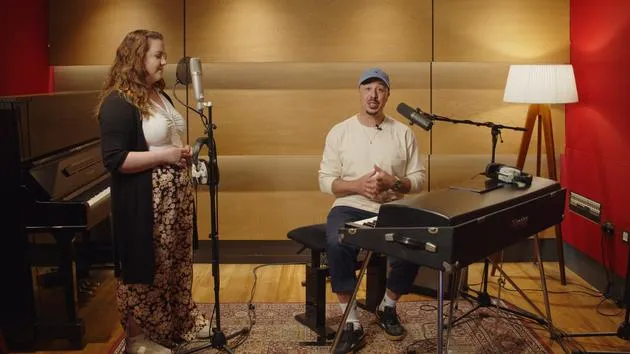
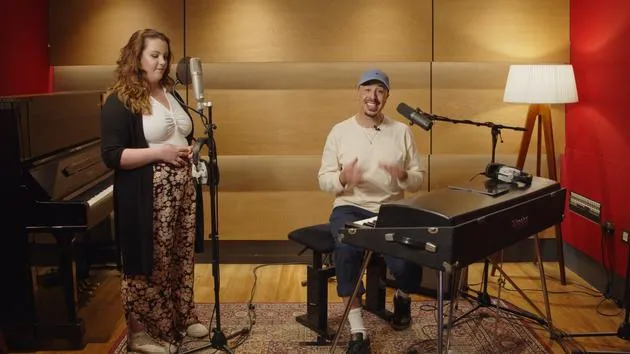
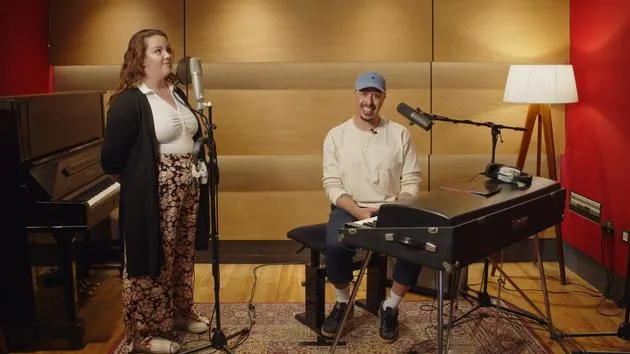
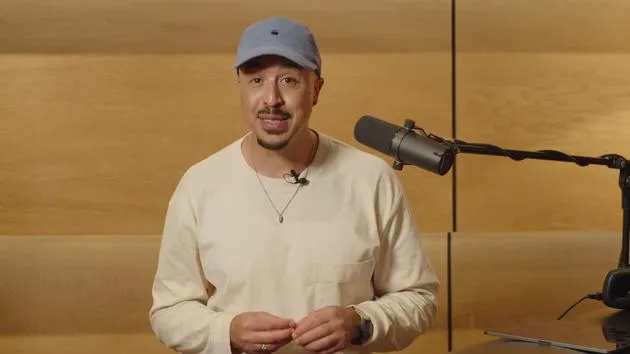
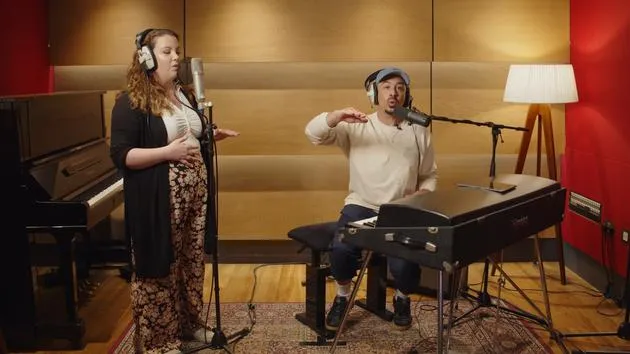
Transcripción de la lección
Understanding Groove in Music
Groove Insight
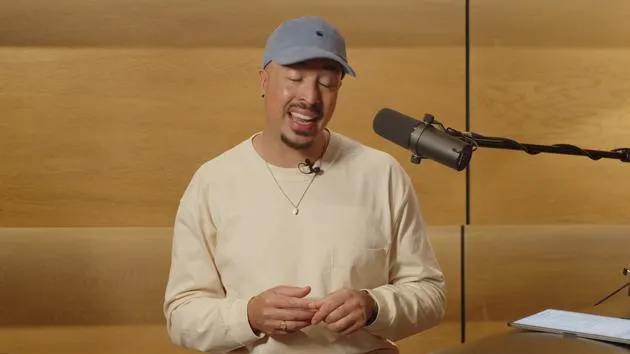
So this lesson is all about groove. As a vocal coach, I find that a lot of singers are not very good at investing in rhythm and groove. However, it is one of the most important secrets that really aren't often spoken about. Those who truly excel, whether in the studio or live, have a strong sense of what we call groove.
What is Groove?
- Definition: Groove is related to what we would call tempo, but it's about where we sit in comparison to that tempo.
- Using a Metronome: I use a metronome to help me work out where the groove needs to be sitting. You've probably seen those old kind of big tick-tock metronomes, but any phone or iPad will find you a good metronome pretty quickly.
This is basically a true sense of where rhythm should be sitting, and we use it as a reference.
The Concept of Pocket
If I play my metronome at 80 BPM at the moment, it is very, very uninspiring, probably why a lot of people don't decide to use metronomes. But it's a click that is as true to tempo as it possibly can be.
To find where we need to sit next to the click, we create a little discrepancy. In fact, groove is created between the discrepancy of where one instrument sits in comparison to another. My instrument of choice happens to be my click today.
If I can get my groove to create a little comparison between the click and the voice, I get what we call a pocket.
"I don't know if you've heard that term. Someone says, 'Oh, that's so in the pocket.' That's what we're talking about."
The Feeling of Groove
Music can feel good and very comfortable, or it can feel quite anxious and urgent if you don't get groove right.
Experimenting with Groove
Now, I'm going to show you a little rhythm I have come up with. This is what it sounds like:
"Da da da da da da da da da da da da da da da da da."
- Characteristic: It's quite simple as you can hear, there's a bit of a swing to it. We call it a swing 16.
- Burying the Click: What we are doing is letting that sit nicely on top of the click. In the studio, we call that burying the click. If you can't hear the click, you know the drummer is playing right on top of it.
Playing with Timing
To make sure I'm in the right place, it takes a bit of skill and training. It's actually not as easy as it looks. But I can also play around with where I sit with this click.
- Pulling Behind the Beat: Listen closely as I slightly laze the phrase behind the beat. It gives us a sense of sloppiness without losing time.
"I'm not slowing down. I'm just moving where I feel the pulse slightly over."
Importance of Timing
One thing we usually discourage is singing ahead or singing too fast. For example, if I'm in front of everything, it feels quite anxious.
- Goal: We aim to sit either on the groove, which is typical for many rock bands, or slightly behind, which can give a nice pop sound or R&B feel.
Backing Track Experiment
We have a backing track to try this with today. You'll hear guitars, drums, and bass, which gives us something to compare to. Without any reference, we cannot have groove. The band acts as our slightly sexier click today.
- Listen to the Instruments: You may notice the instruments, especially the drums, are quite on, like the snare, bass drum, and hi-hats. But the tambourine is sitting slightly behind.
"Can you hear that? This is da ga da da da da da da."
Practical Exercise
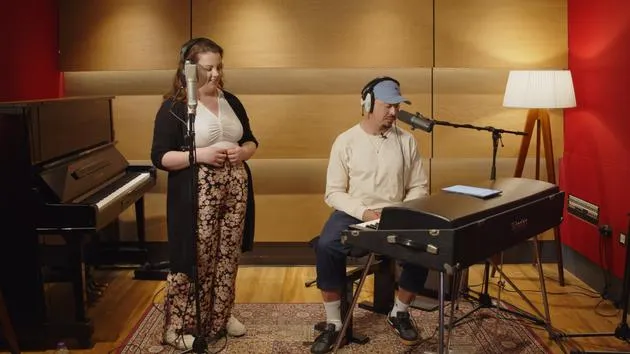
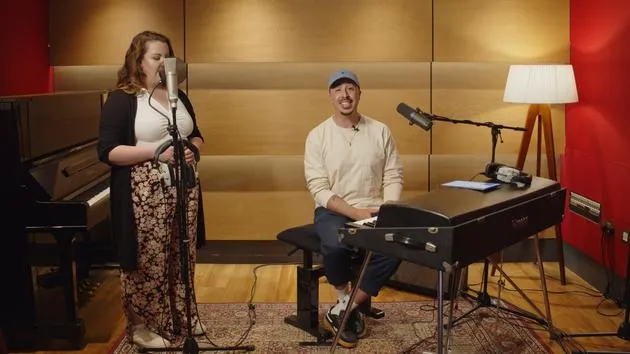
Let's try a little rhythm together.
- Setting the Beat: I'm trying to be quite precise with where I'm putting my beat.
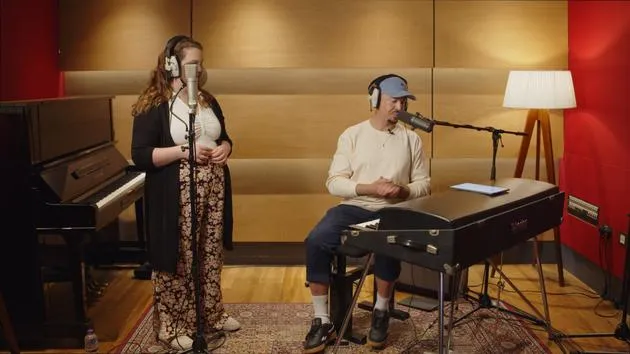
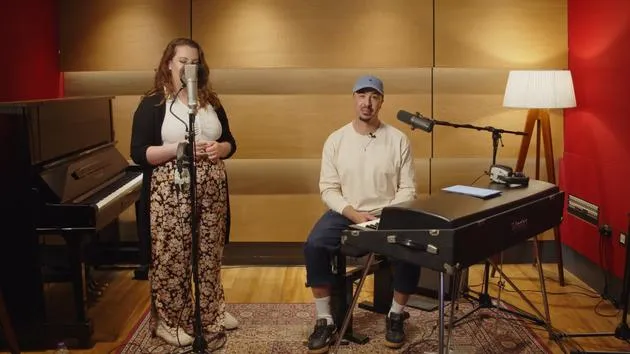
"So, Alicia, try it with me: 1, 2, 3, 4."
It can sound a bit robotic, lacking groove or swing. So let's bring my little phrase back a bit.
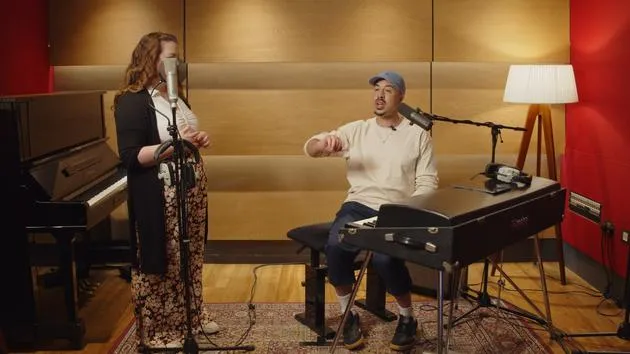
- Trying Again: Do you feel that difference? Let's try it together.
Melody Integration
We will now add a little melody.
"Alicia, I'm going to cue you in, and I'm going to sing D."
I'll put the same rhythm to the melody and sing it on the beat: "2, 3, 4."
- The Shift: We want to sing in tempo accurately, but let's see if we can pull things back a little and make it sloppier.
"Do you hear the difference?"
Final Thoughts
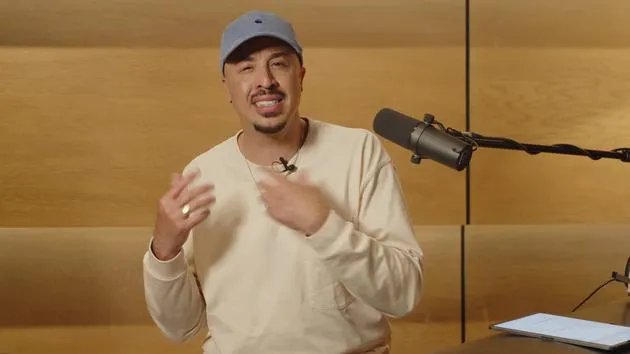
The key to figuring out where your groove sits is ensuring you have a strong sense of tempo.
- Suggestion: Don't try to jump the step. Experimenting too much without a solid sense of tempo can be detrimental.
- Using a Metronome: One of the best ways to sharpen that sense of tempo quickly is by using a click or metronome.
Once you've established that, try pulling things slightly back or forward.
"This adds that little bit of swagger to your rhythm, giving it movement from the undercurrent of what's being played."
Hopefully, this gives you some insight into what we call groove. Experiment with it and really invest in it, it is one of the best-kept secrets that many singers don't spend enough time on. Good luck!
26 lecciones
1h 50m de lecciones en vídeo estructuradas
Funciones de vídeo avanzadas
Ralentiza, repite un pasaje, sigue la partitura
Móvil, tablet y ordenador
Practica donde quieras
Garantía de satisfacción 100%
30 días de garantía de devolución
Conoce a tu gurú
Conoce a tu gurú
Jono McNeil ha ofrecido coaching vocal a cantantes profesionales, artistas contemporáneos y vocalistas en una gran variedad de puestos influyentes dentro de la industria del entretenimiento durante más de 20 años.
Trabaja como coach vocal en diversos programas de televisión, entre ellos The Voice Kids, The Voice UK, Little Mix The Search, The Masked Singer, Wedding Day Winners y Change Your Tune, y prepara a artistas de gira como JLS, New Rules y July Jones, por nombrar solo algunos.
Artista y cantante por derecho propio, Jono también ha actuado con Michael Buble, Paloma Faith, Josh Groban, Nelly, Jamie Cullum, Lemar, George Ezra y Jocelyn Brown, y tiene varios álbumes originales disponibles en las plataformas de streaming.
Combina su experiencia sobre el escenario y en el estudio de grabación con un profundo conocimiento de la función vocal para ofrecer experiencias de coaching eficaces e inspiradoras.
Anteriormente fue jefe de canto en la Academy of Contemporary Music (ACM), donde impartía clases y diseñaba contenidos para el plan de estudios de canto de la titulación en música popular, y ahora sigue trabajando como examinador externo para otras instituciones académicas como el Leeds Conservatoire.
Apasionado por las posibilidades de la música popular y del arte, persigue investigaciones y estrategias innovadoras para hacerlas realidad; entre sus titulaciones académicas figuran una licenciatura en Jazz y un máster en Pedagogía Vocal.
En Licks, Riffs & Runs for Pop Singers, Jono te muestra exactamente cómo añadir los runs, riffs y licks ágiles que definen el canto pop moderno, para que puedas adornar una melodía con confianza y hacerla tuya.







