



Consejos de práctica para los breaks de batería
Con
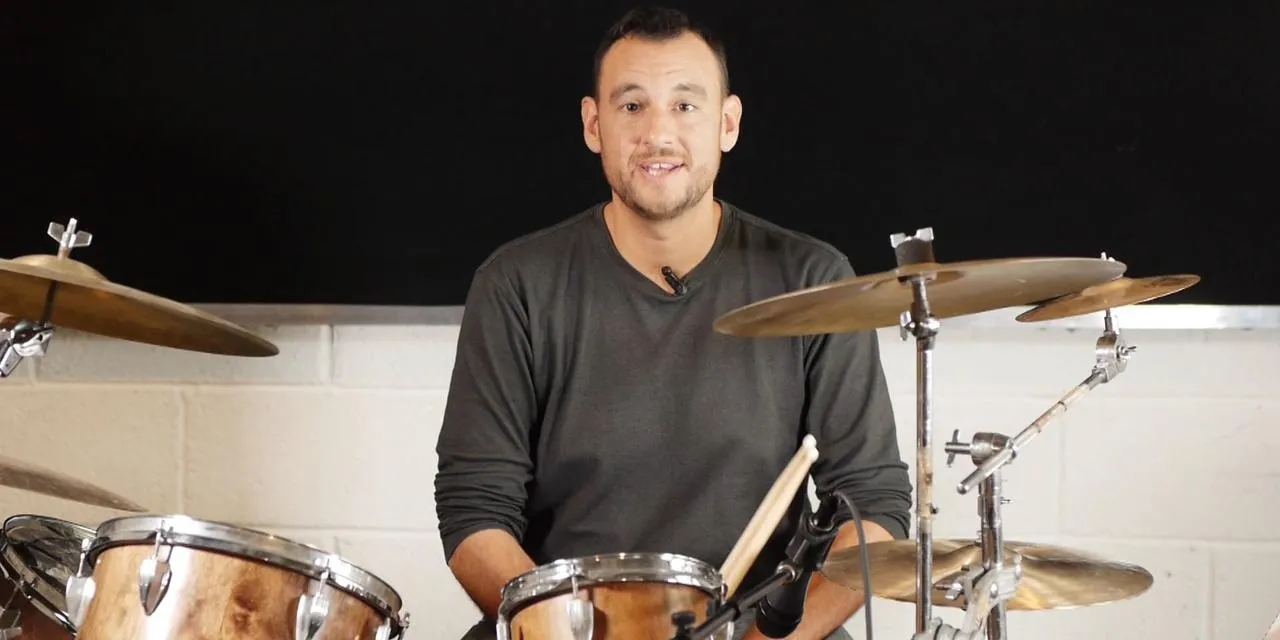
Max SedgleyMax Sedgley comparte cómo practica los breaks de batería de este curso: tocando de forma libre, encajando con una pista de clic y trabajándolos a distintas velocidades.
Qué incluye el curso
19 lecciones (0h 56m) · 2 gratis
01. Consejos de práctica para los breaks de batería
Estás aquí3:49
02. The Isley Brothers - Footsteps in the Dark
Lección gratis4:33
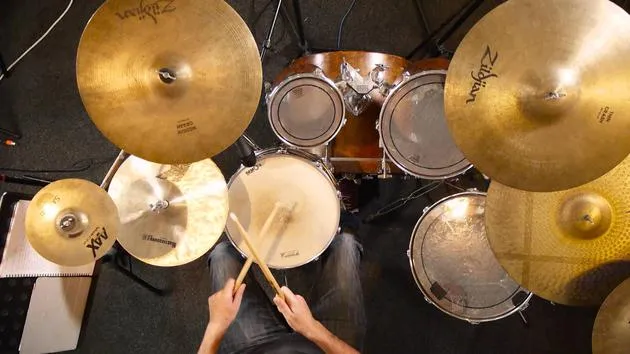
03. The Isley Brothers - Footsteps in the Dark (vista superior)
0:55
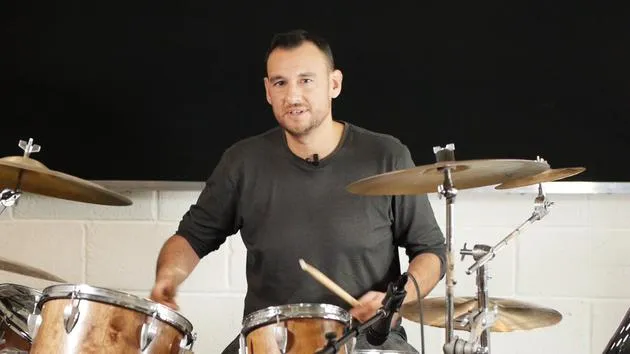
04. Barry White - I'm Gonna Love You A Little Bit More
4:19
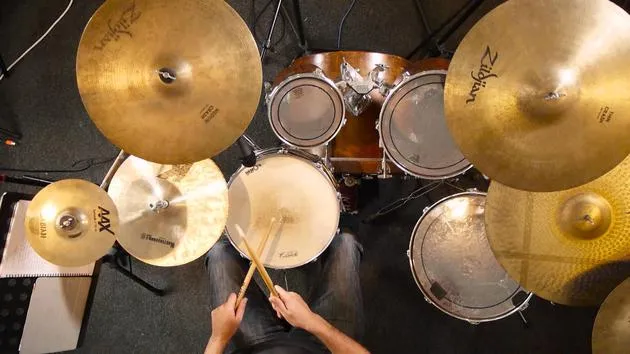
05. Barry White - I'm Gonna Love You A Little Bit More (vista superior)
0:55
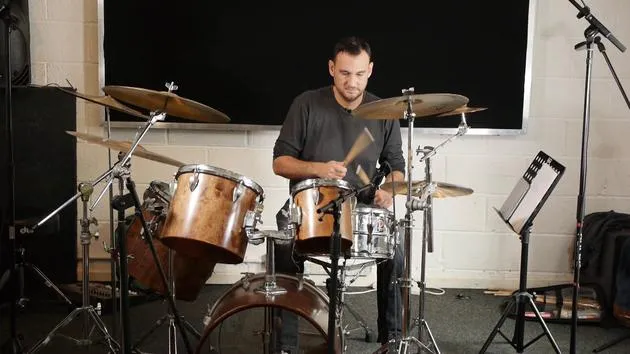
06. Skull Snaps - It's A New Day
2:57
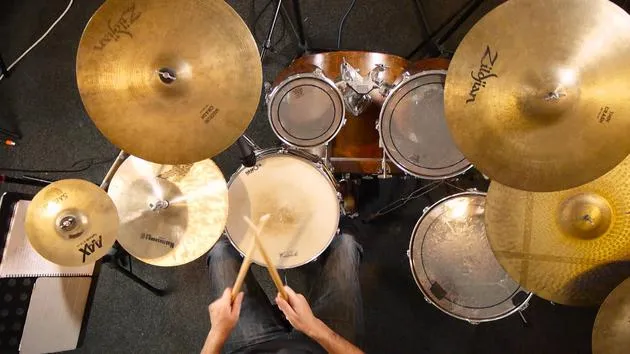
07. Skull Snaps - It's A New Day (vista superior)
0:54
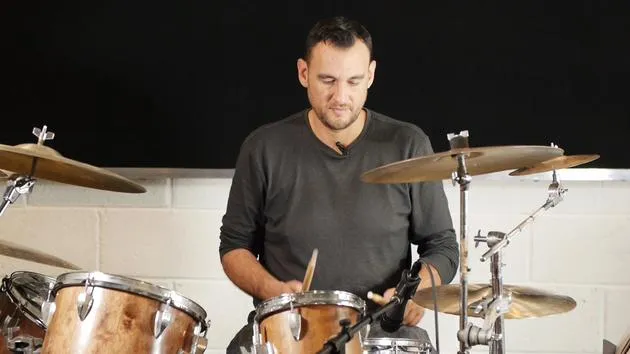
08. Melvin Bliss - Synthetic Substitution
7:16
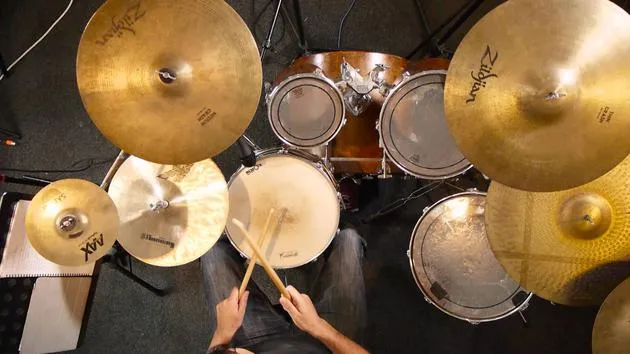
09. Melvin Bliss - Synthetic Substitution (vista superior)
0:54
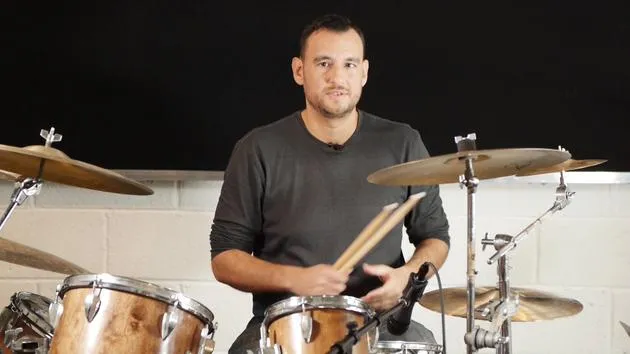
10. The Winstons - Amen, Brother
6:06
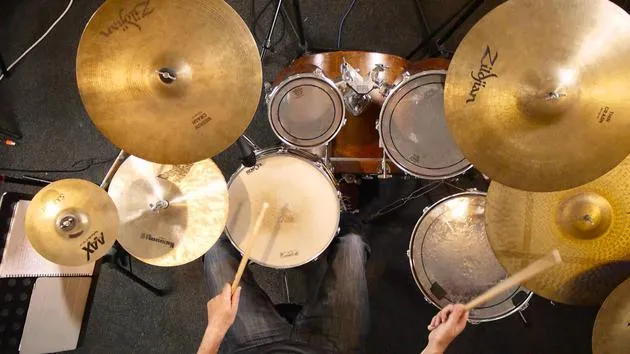
11. The Winstons - Amen, Brother (vista cenital)
1:20
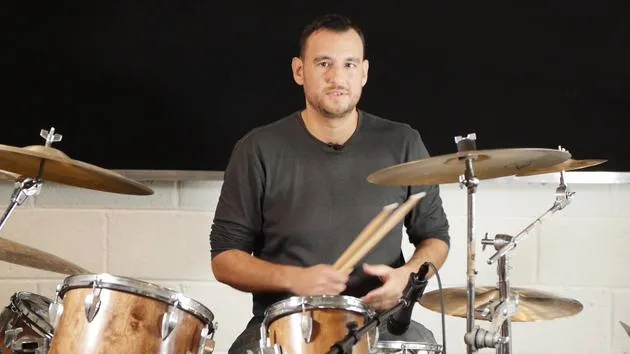
12. Banbarra - Shack Up
4:17
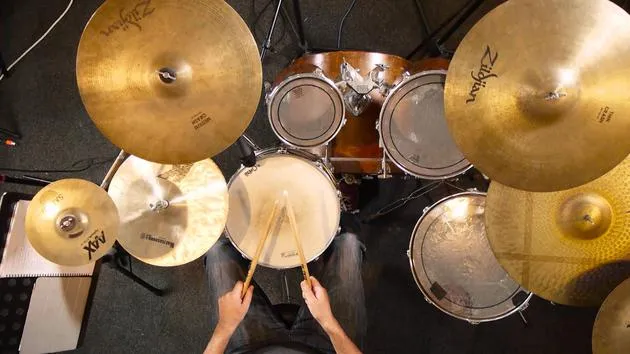
13. Banbarra - Shack Up (vista superior)
1:10
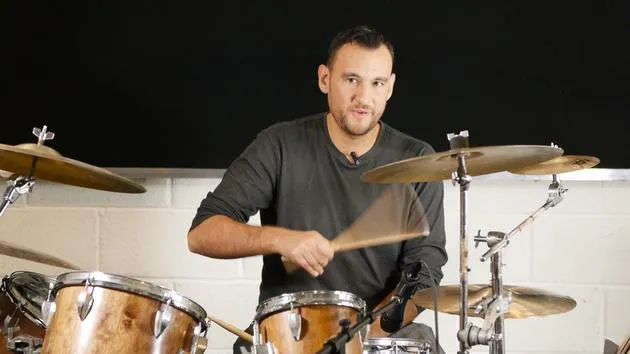
14. Marva Whitney - Unwind Yourself
5:06
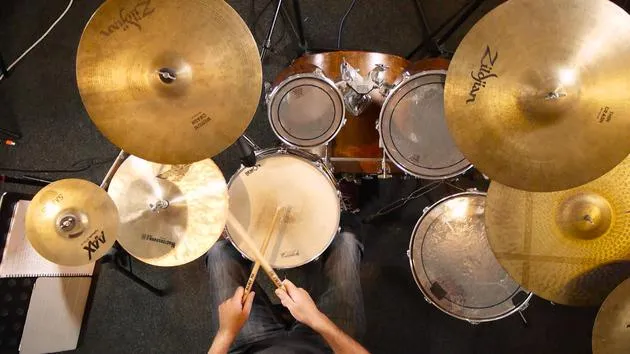
15. Marva Whitney - Unwind Yourself (vista superior)
0:50
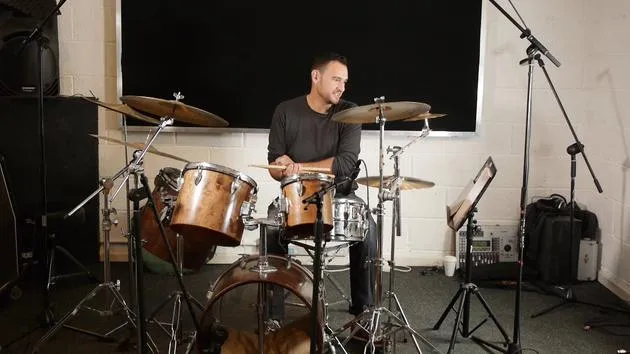
16. Chuck Brown & The Soul Searchers - Ashley's Roachclip
3:28
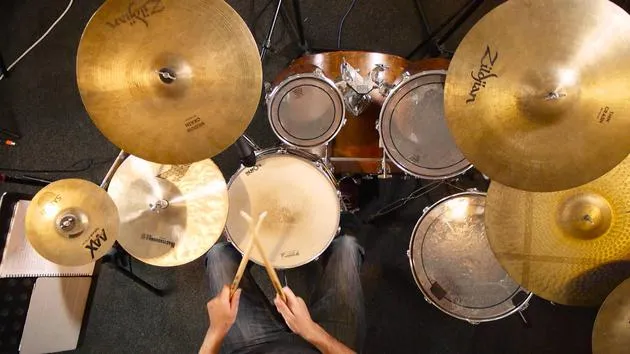
17. Chuck Brown & The Soul Searchers - Ashley's Roachclip (vista superior)
1:19
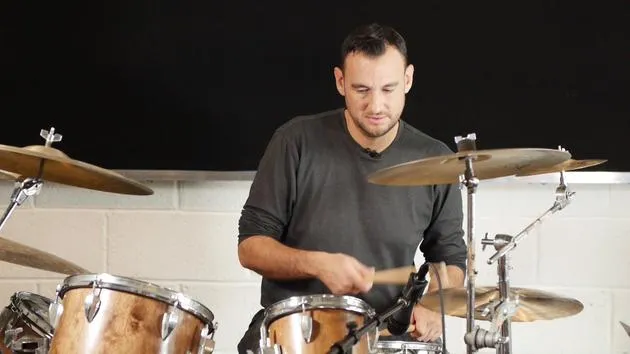
18. Steve Miller Band - Take The Money And Run
5:28
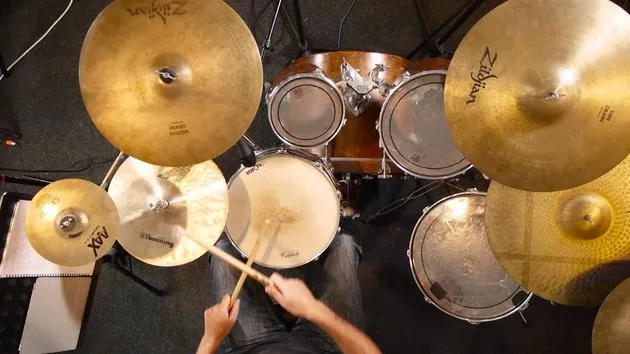
19. Steve Miller Band - Take The Money And Run (vista cenital)
0:56
Transcripción de la lección
Practicing Music Breaks: Techniques and Tips
In this segment, we're going to discuss ways you can practice the breaks that we've been listening to and learning. Here are some effective methods to enhance your skills:
1. Freestyle Practice
- Play the breaks at your own pace.
- Ensure everything is coming in at the right place.
- Make sure you're happy with what you're hitting and when you're hitting it.
2. Use a Click Track
- Try playing along to a click or a click track through headphones.
- This will help you get used to playing at a set speed.
- Remember, you can speed it up or slow it down according to where you want to start.
3. Speed Variations
- Many of the breaks have aspects that are great for your technique.
- Speeding up the break faster than you hear it on the song itself can help you grasp these techniques.
- Focus on:
- Double stroke rolls
- Single hits
- Moving around the kit with fills
4. Drop Out Parts
- Practice dropping out various parts of the breaks.
- For example, keep the beat going, then bring the missing part back in.
- This method helps you understand what your different limbs are doing at different times.
5. Isolate Difficult Sections
- If you're struggling with a specific section, take that part and slow it down until you get it right.
- Once mastered, try to snap it back onto what went before it.
6. Repetition is Key
- Practice makes perfect! If you find a bit challenging, repeat it over and over.
- This repetition helps your muscles get used to playing that particular lick or riff.
- As you become comfortable, it will be easier to integrate it into the beat.
7. Play Along with the Whole Song
- A lot of these breaks kick off the song and run throughout it.
- Playing along with the entire song helps you get a feel for the original drumming.
- Listen and pick out interesting bits the drummer does, and see if you can play those as well.
Conclusion
Ultimately, the best way to learn is to listen and play along. Make sure to have fun while practicing, and enjoy the process! That's what I'd recommend.
19 lecciones
0h 56m de lecciones en vídeo estructuradas
Funciones de vídeo avanzadas
Ralentiza, repite un pasaje, sigue la partitura
Móvil, tablet y ordenador
Practica donde quieras
Garantía de satisfacción 100%
30 días de garantía de devolución
Conoce a tu gurú
Conoce a tu gurú
Max Sedgley es un productor, batería y DJ británico con una titulación en música clásica. Sus composiciones han aparecido en numerosos programas de televisión y anuncios, incluida la serie Six Feet Under, y fue el batería del productor de drum & bass Roni Size. También graba bajo el nombre de Cadien.
En sus cursos enseña batería desde cero -el manejo de las baquetas, los grooves esenciales y el patrón de rock de ocho notas- así como los icónicos breaks de batería de los años 60 y 70 que se han sampleado en incontables discos modernos.







